
100 places
Regional histories
Search for a place or jump to a continent.
100 regions
Africa
 Africa
Ethiopia ↗
Hadar & the Afar Rift
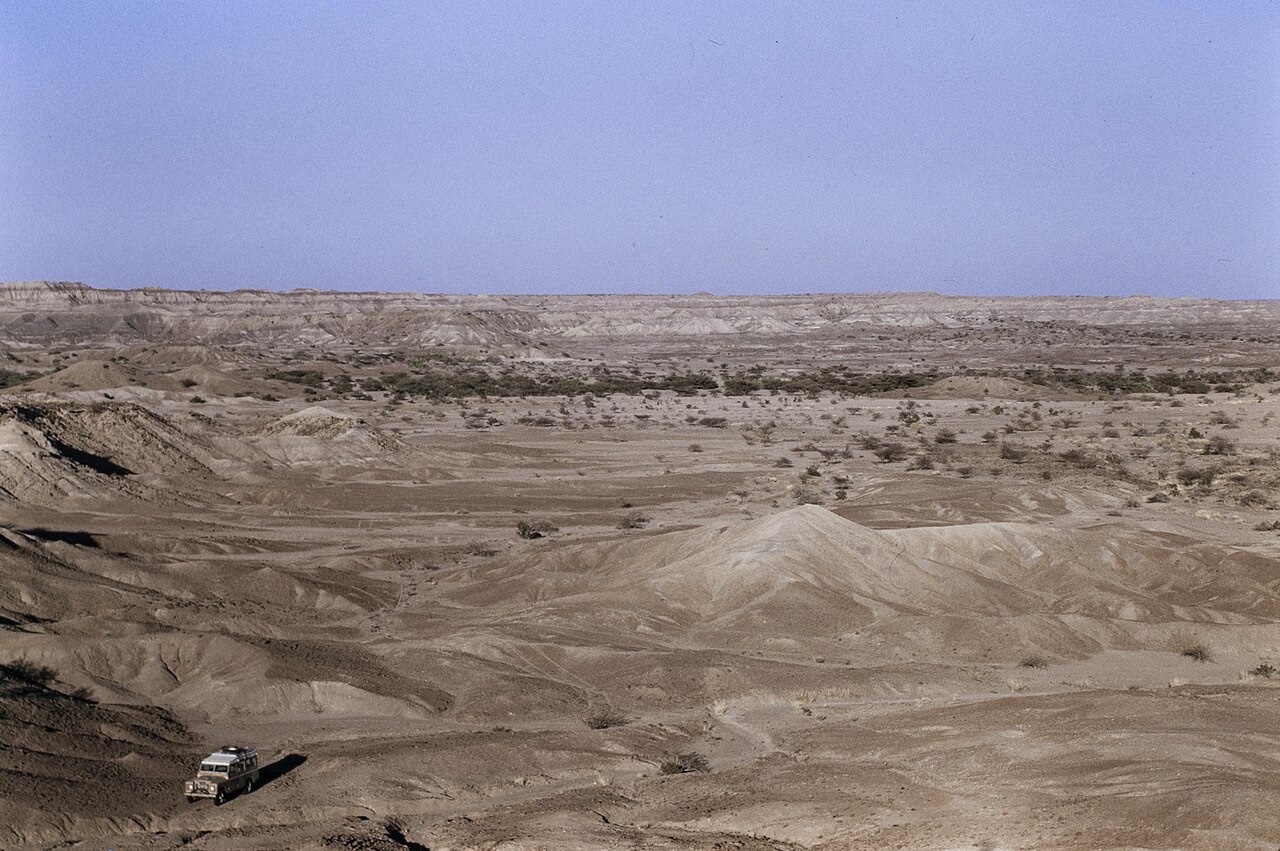
Lucy’s skeleton belongs within a wider Pliocene record of lakes, river margins, pollen and changing vegetation in the Afar basin.
3.2 Ma → Today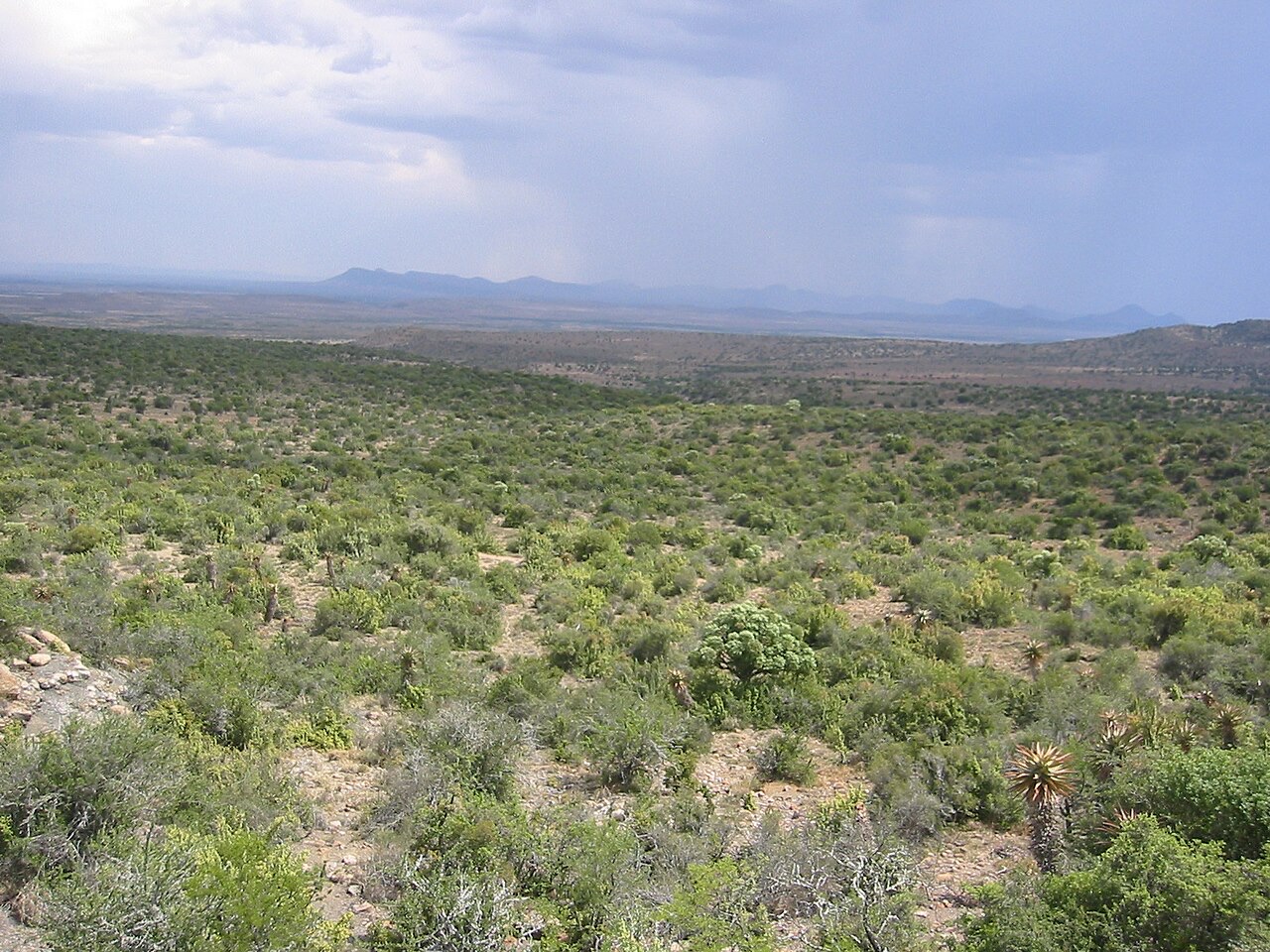 Africa
South Africa ↗
Karoo Basin
Late Permian and Early Triassic terrestrial fossils record profound ecosystem turnover. The Karoo also shows why a fossil assemblage boundary cannot automatically be equated with a precisely dated global extinction.
253 Ma → 251 Ma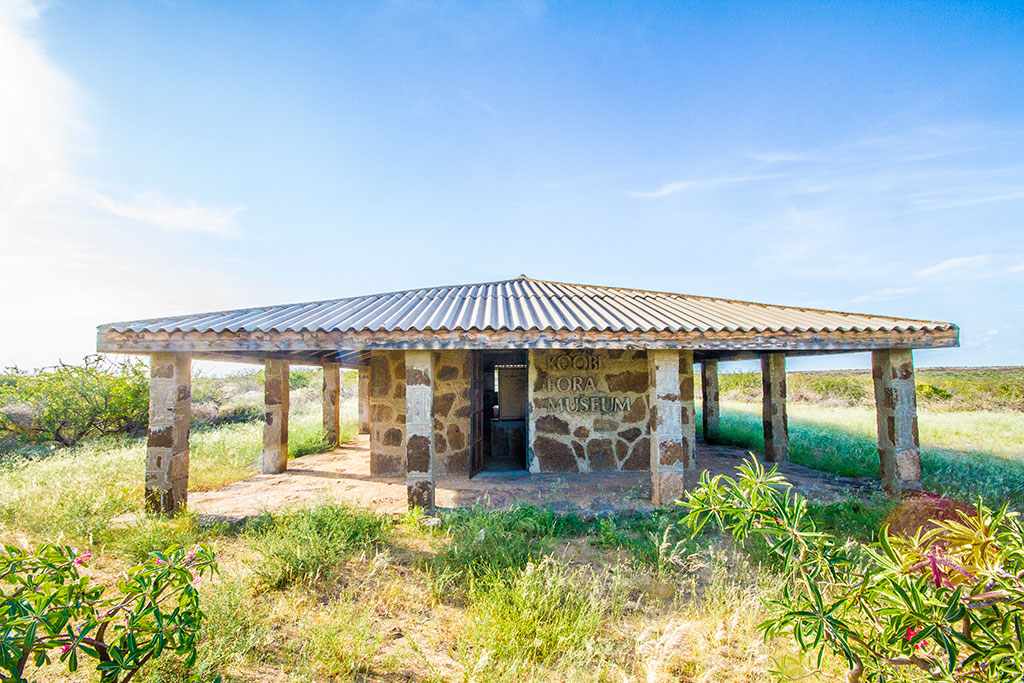 Africa
Kenya ↗
Koobi Fora
Cranial and limb fossils around 1.9 Ma reveal early hominin variation. Younger footprints near 1.5 Ma provide a more immediate record of different locomotor patterns on one surface.
1.9 Ma → 1.5 Ma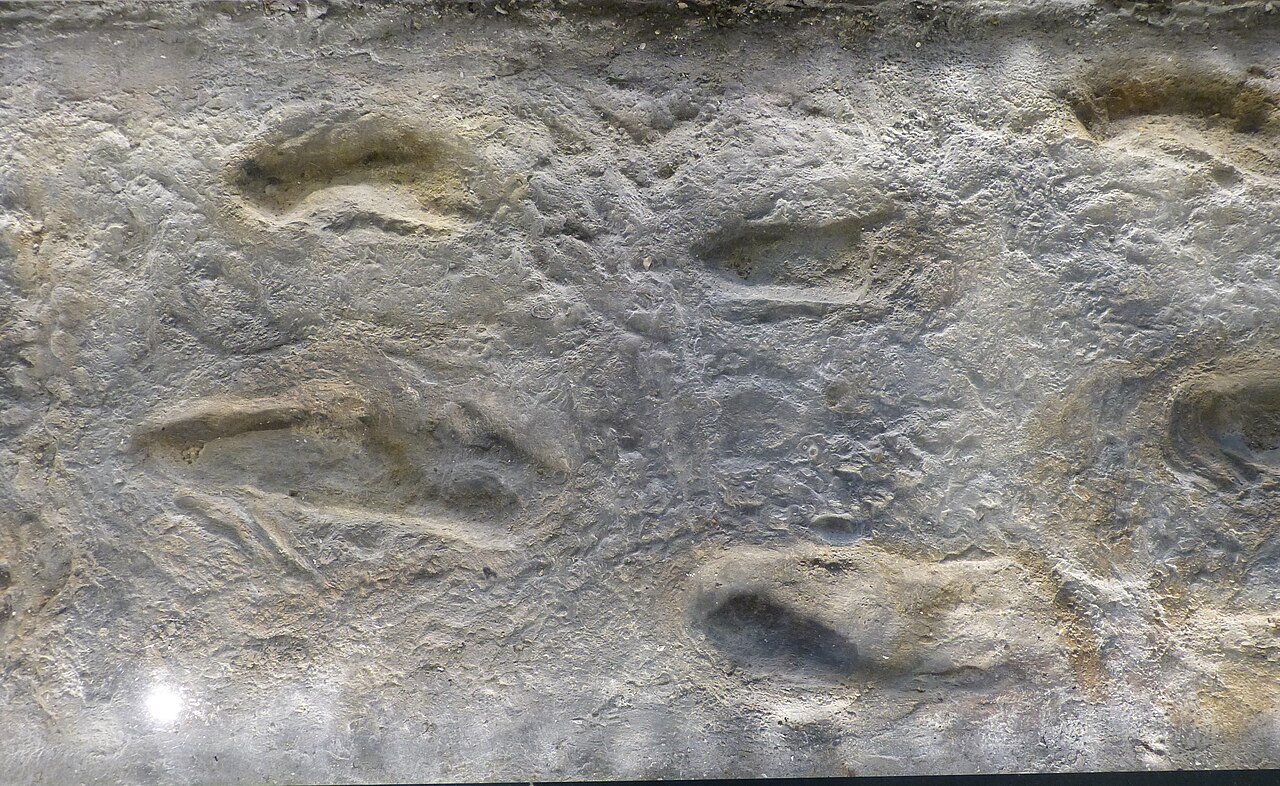 Africa
Tanzania ↗
Laetoli
The famous 3.66 Ma ash trackways record behaviour. Younger Upper Ndolanya fossils, around 2.66 Ma, document a different ecological chapter with more open-habitat mammal associations.
3.66 Ma → 2.66 Ma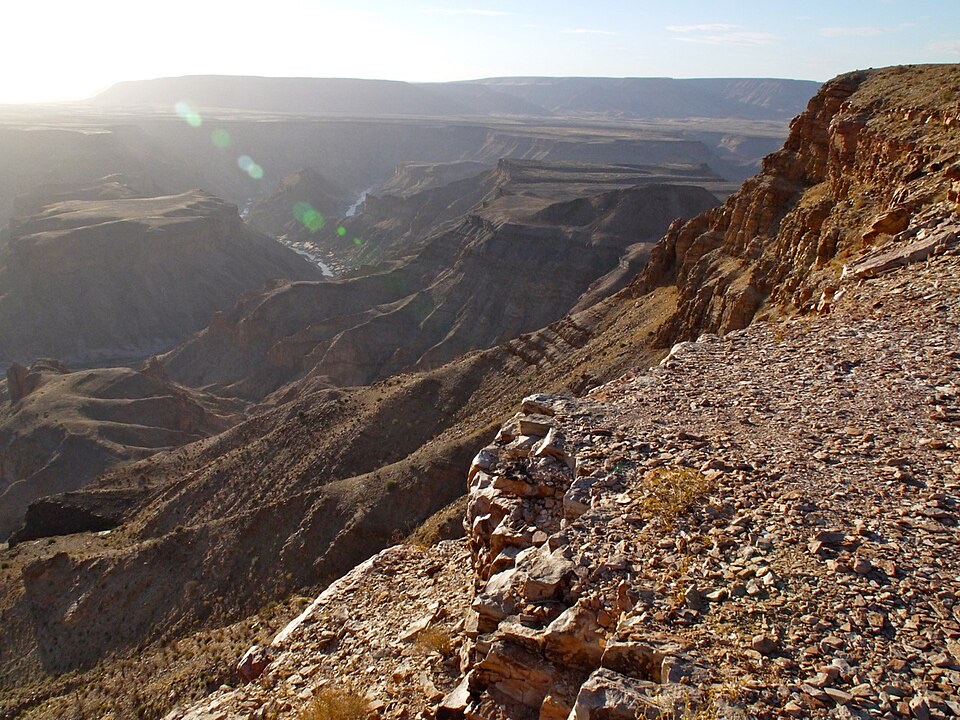 Africa
Namibia ↗
Nama Basin
Late Ediacaran skeletons and younger burrows show two different ways animals began shaping marine habitats in southern Namibia.
548 Ma → 537 Ma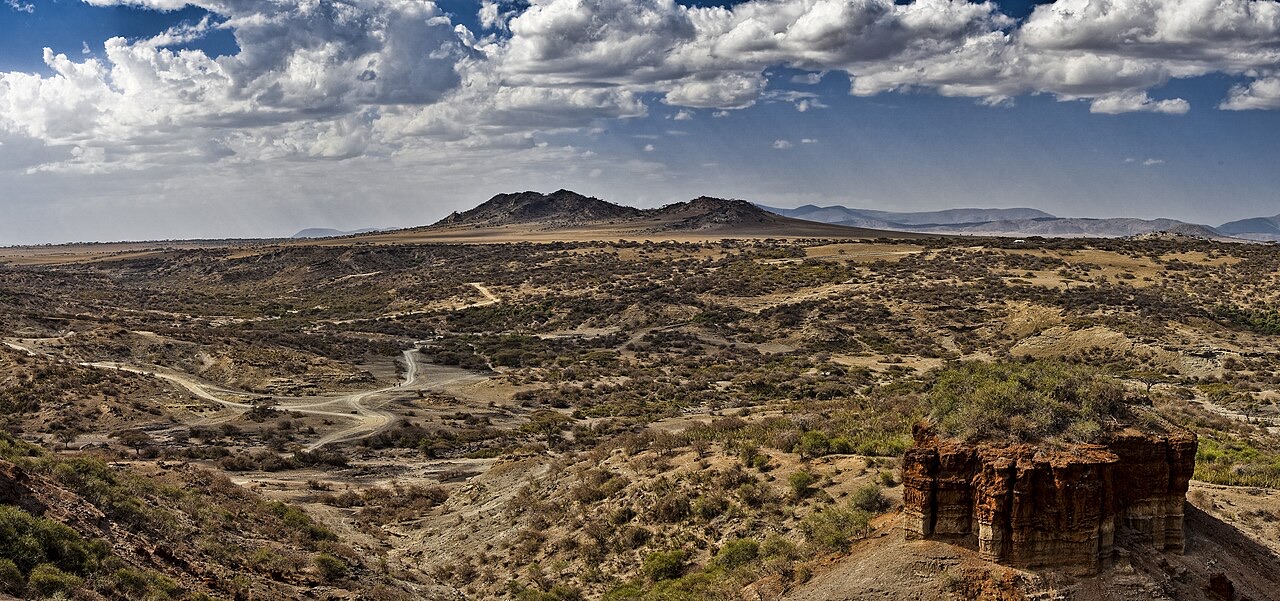 Africa
Tanzania ↗
Olduvai Gorge
Post-eruption rivers at Ewass Oldupa and younger spring-fed woodland at FLK Zinj reveal local habitat changes within an Early Pleistocene rift basin.
2.03 Ma → 1.84 Ma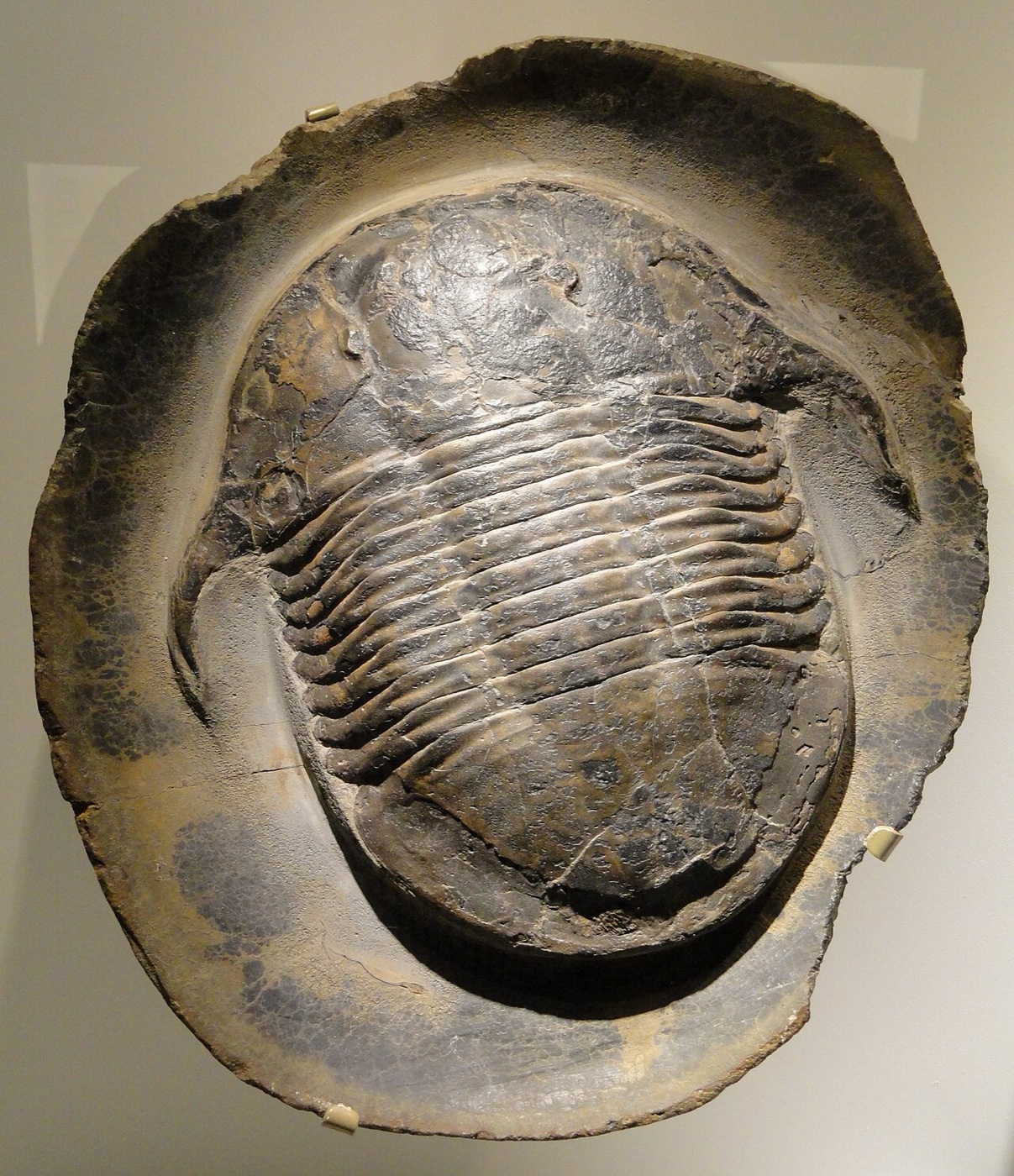 Africa
Morocco ↗
Southern & eastern Morocco
Fezouata’s marine animals and the Kem Kem region’s river deposits reveal widely separated episodes in northern African history. Their contrast is powerful precisely because the localities and times are kept distinct.
480 Ma → 99 Ma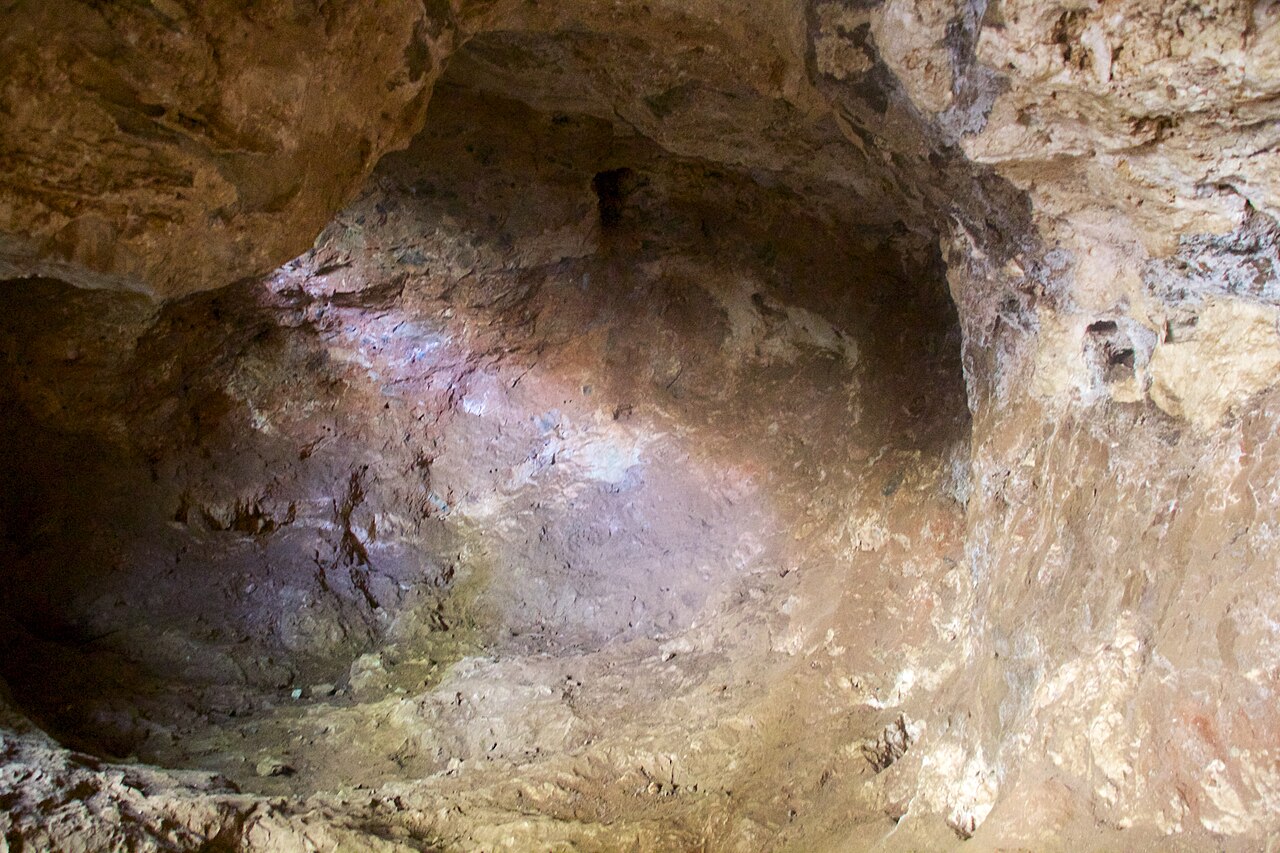 Africa
South Africa ↗
Sterkfontein
Sterkfontein’s cave infills preserve australopith anatomy and later evidence of tool-associated activity. Their chronology demonstrates why sediment history and multiple dating approaches must be considered together.
3.67 Ma → 1.8 Ma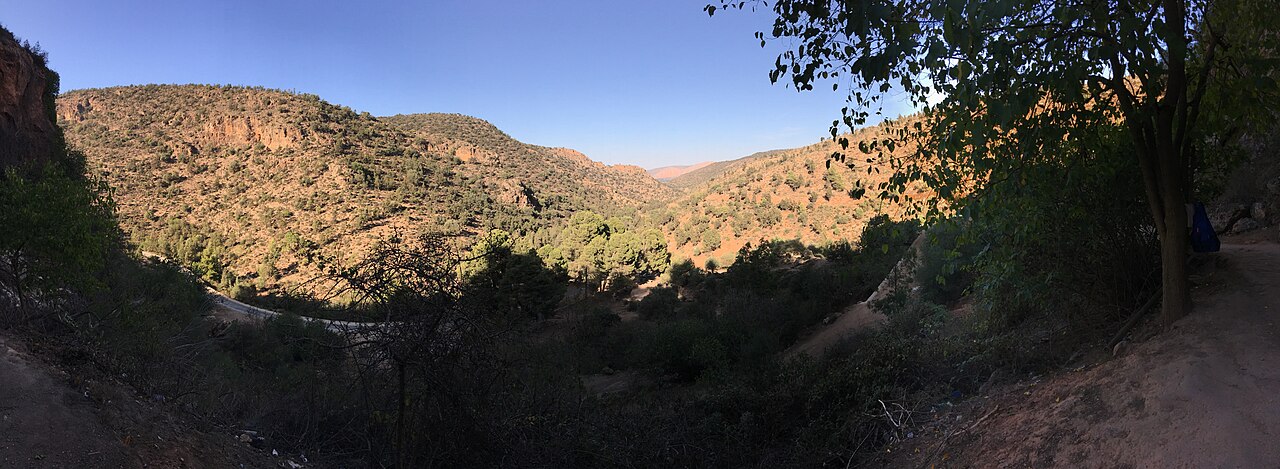 Africa
Morocco ↗
Taforalt
Taforalt preserves an older shell-ornament record and a much later occupation and burial assemblage. Together they distinguish natural deposition, human behaviour and the limits of reconstructing past diets.
0.082 Ma → 0.015 Ma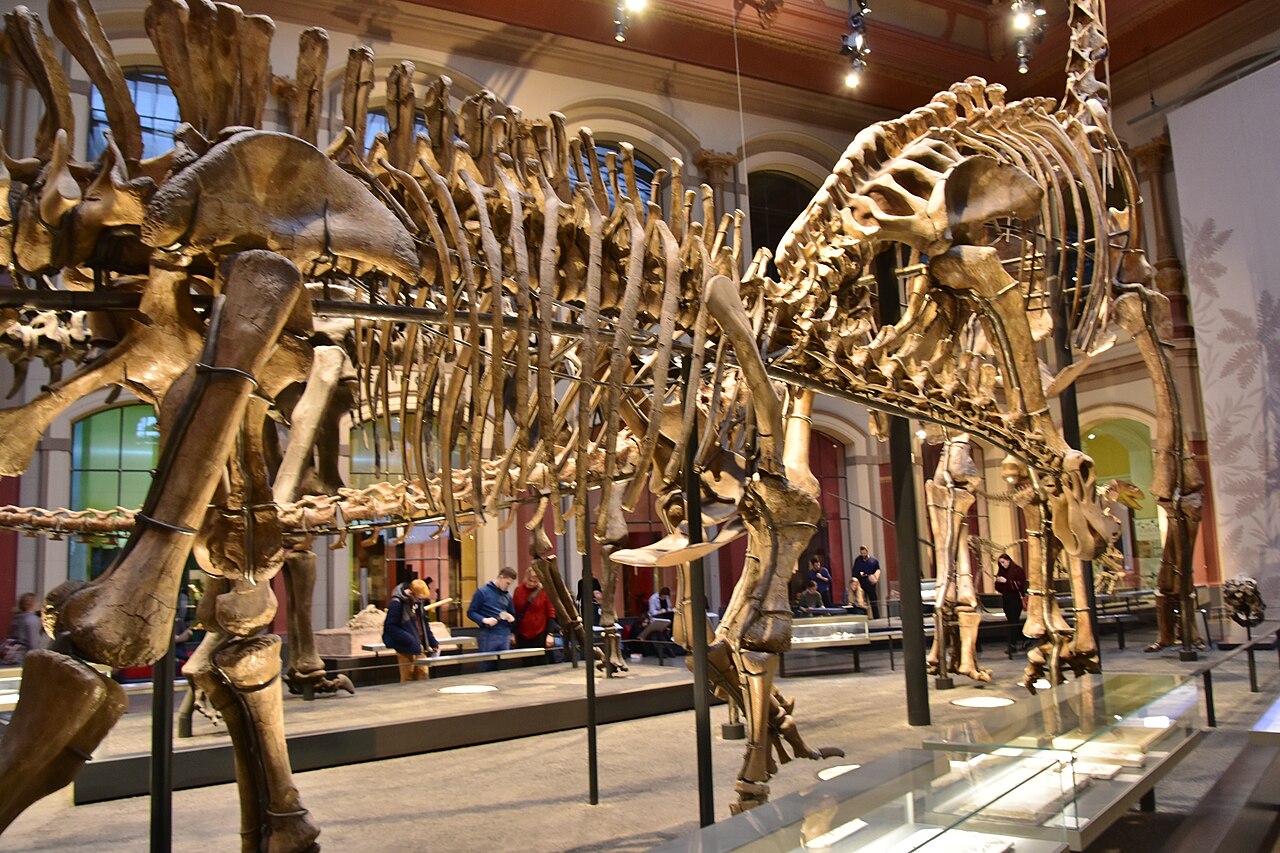 Africa
Tanzania ↗
Tendaguru
Alternating dinosaur-bearing and marine units record a changing Late Jurassic coastal system. Fossils and excavation archives connect terrestrial animals to a landscape repeatedly influenced by the sea.
152 Ma → 147 Ma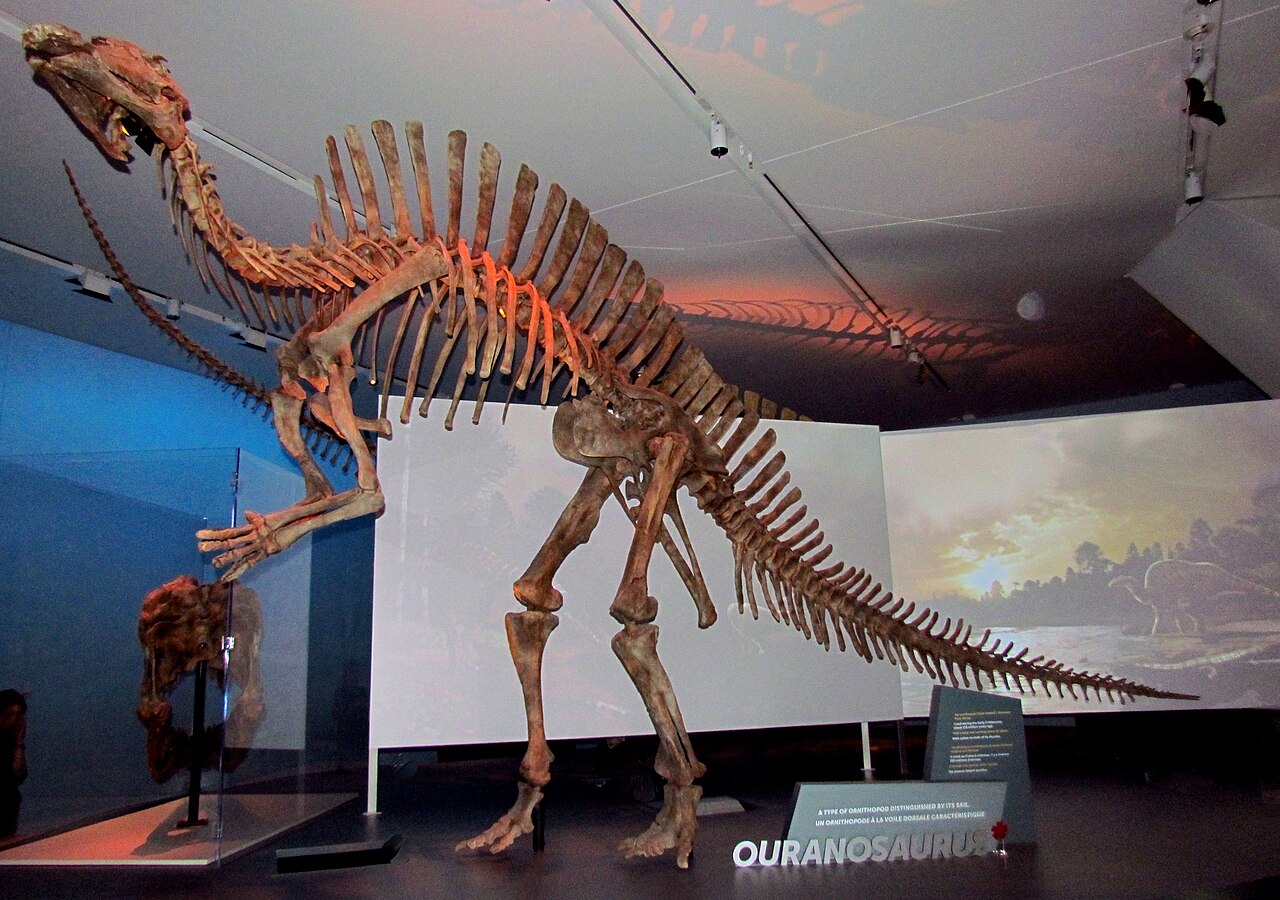 Africa
Niger ↗
Ténéré fossil rivers
Gadoufaoua’s older Elrhaz fauna and younger northern Niger deposits record Cretaceous river ecosystems. A recent stratigraphic reassessment clarifies which rocks contain the later assemblage.
112 Ma → 97 Ma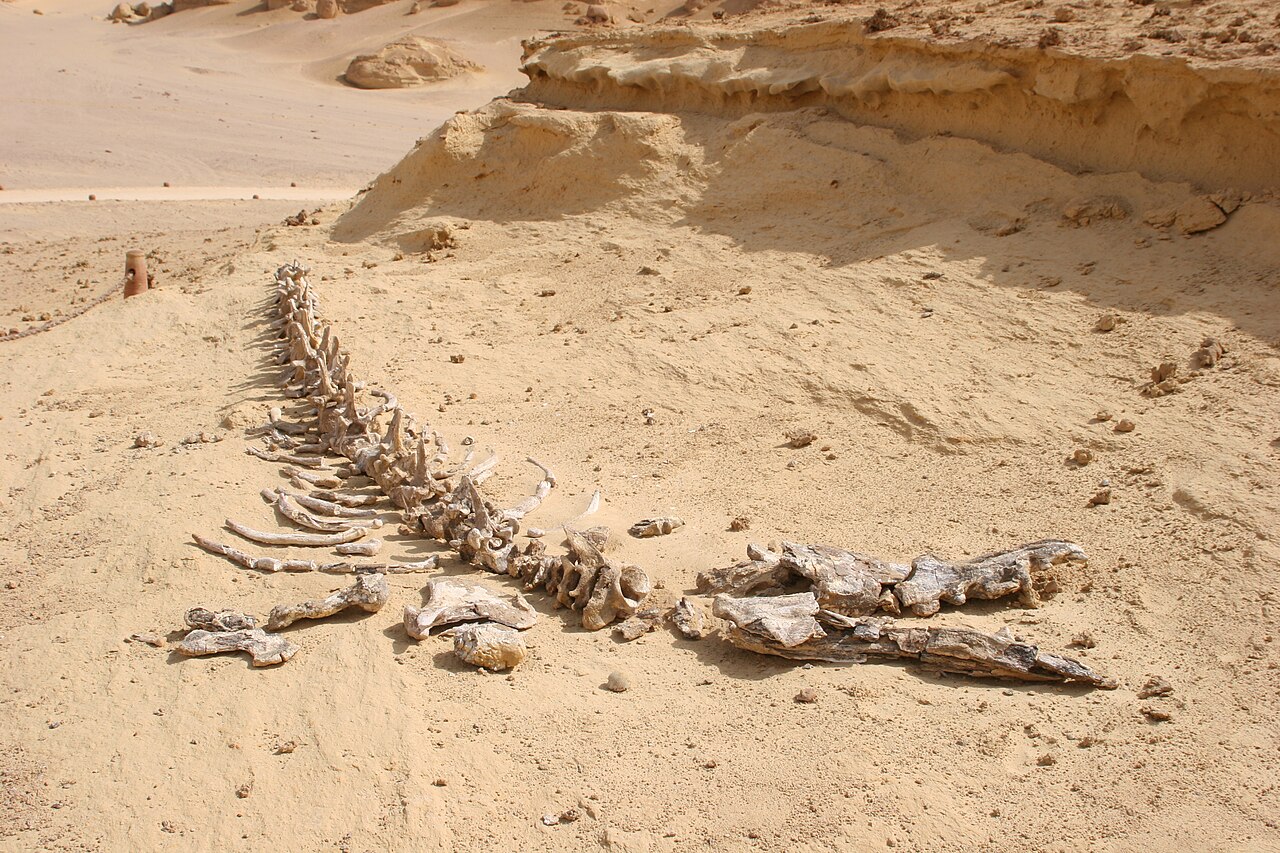 Africa
Egypt ↗
Wadi Al-Hitan
Whale Valley preserves late Eocene marine deposits now exposed in Egypt’s Western Desert. Successive Gehannam and Birket Qarun environments record aquatic whales, their prey and changing conditions of burial.
37.5 Ma → 37 MaAntarctica
 Antarctica
 ↗
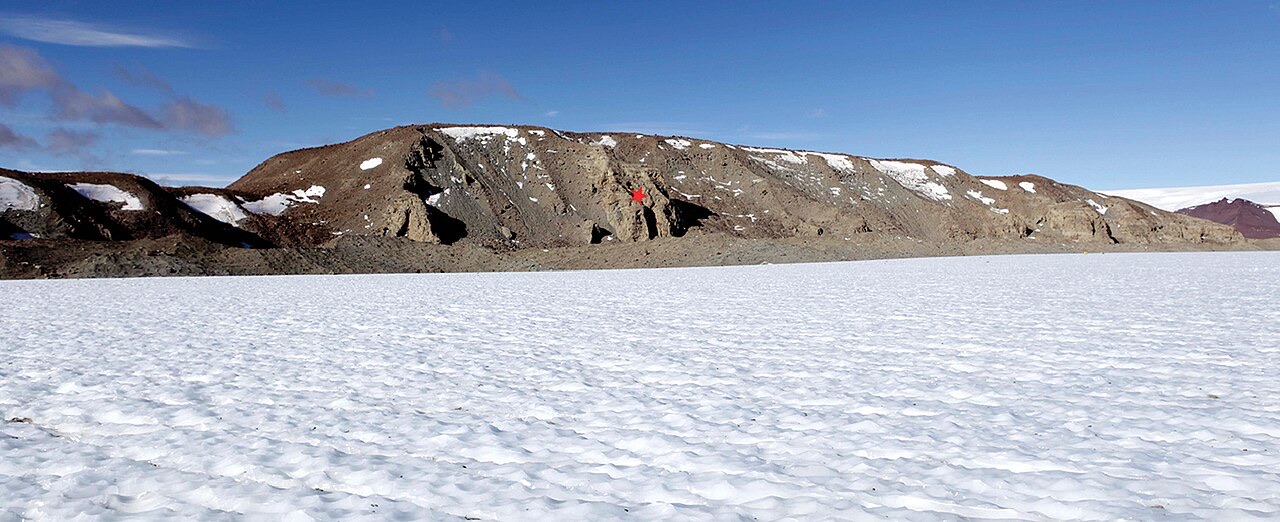
Beardmore Glacier region
Buckley Formation forests and lower Fremouw vertebrates record terrestrial worlds preserved beside today’s Antarctic glaciers.
255 Ma → 250 Ma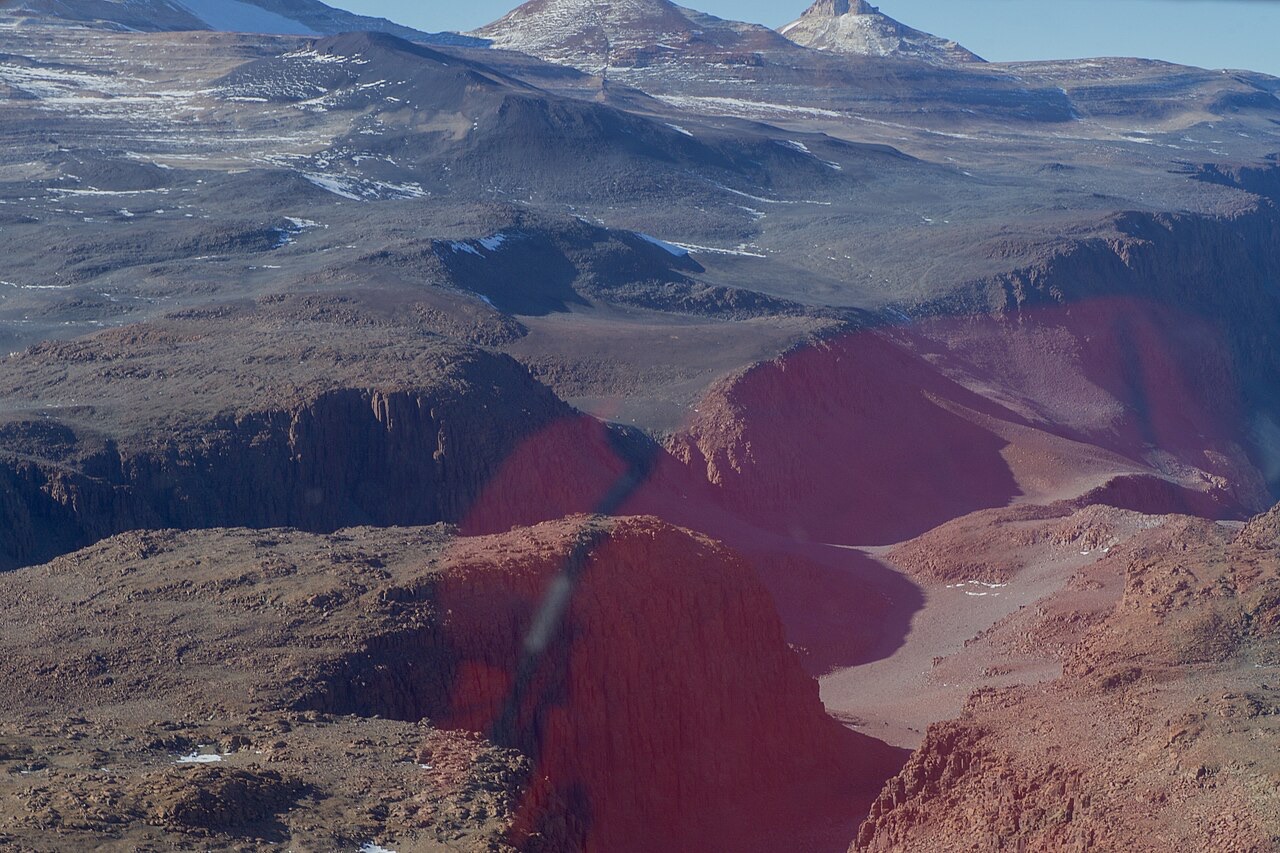 Antarctica
 ↗
McMurdo Dry Valleys
Miocene lake fossils and much younger raised deltas show two very different roles for liquid water in Antarctica.
14.07 Ma → 0.02 Ma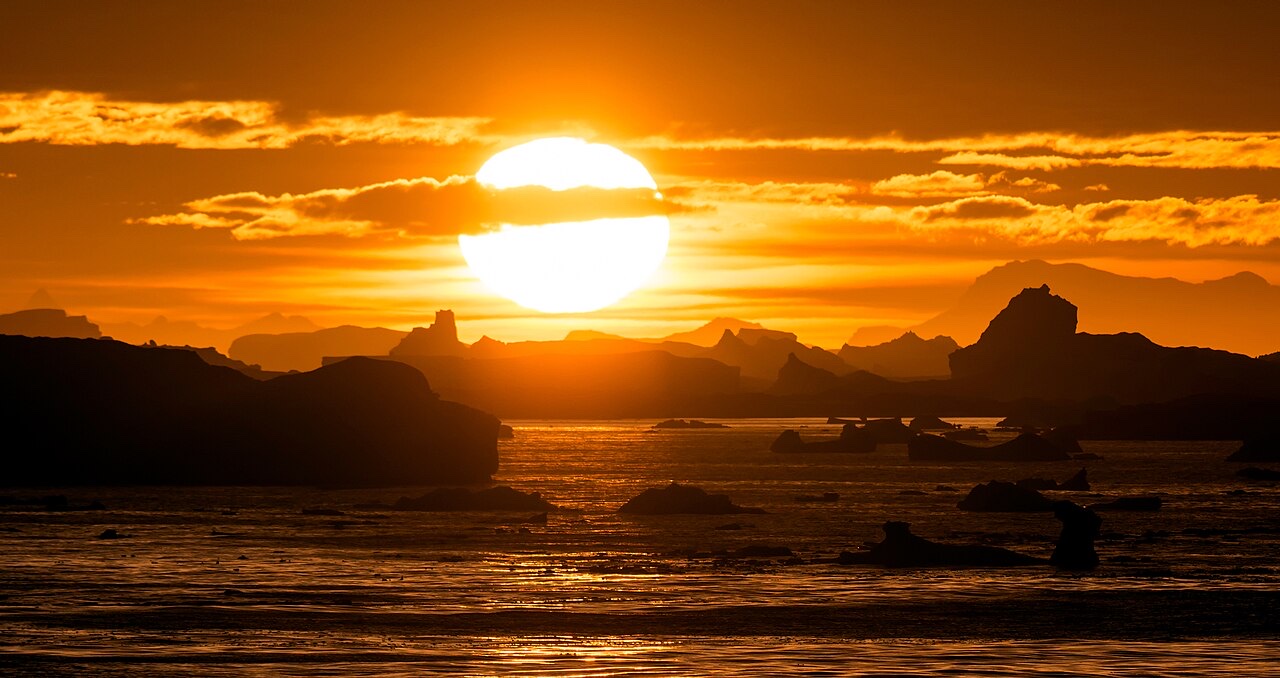 Antarctica
 ↗
The Antarctic Peninsula
Cretaceous plant fossils and Eocene marine deposits reveal high-latitude environments very different from the familiar ice-covered image of Antarctica.
103 Ma → 40 MaAsia
 Asia
China ↗
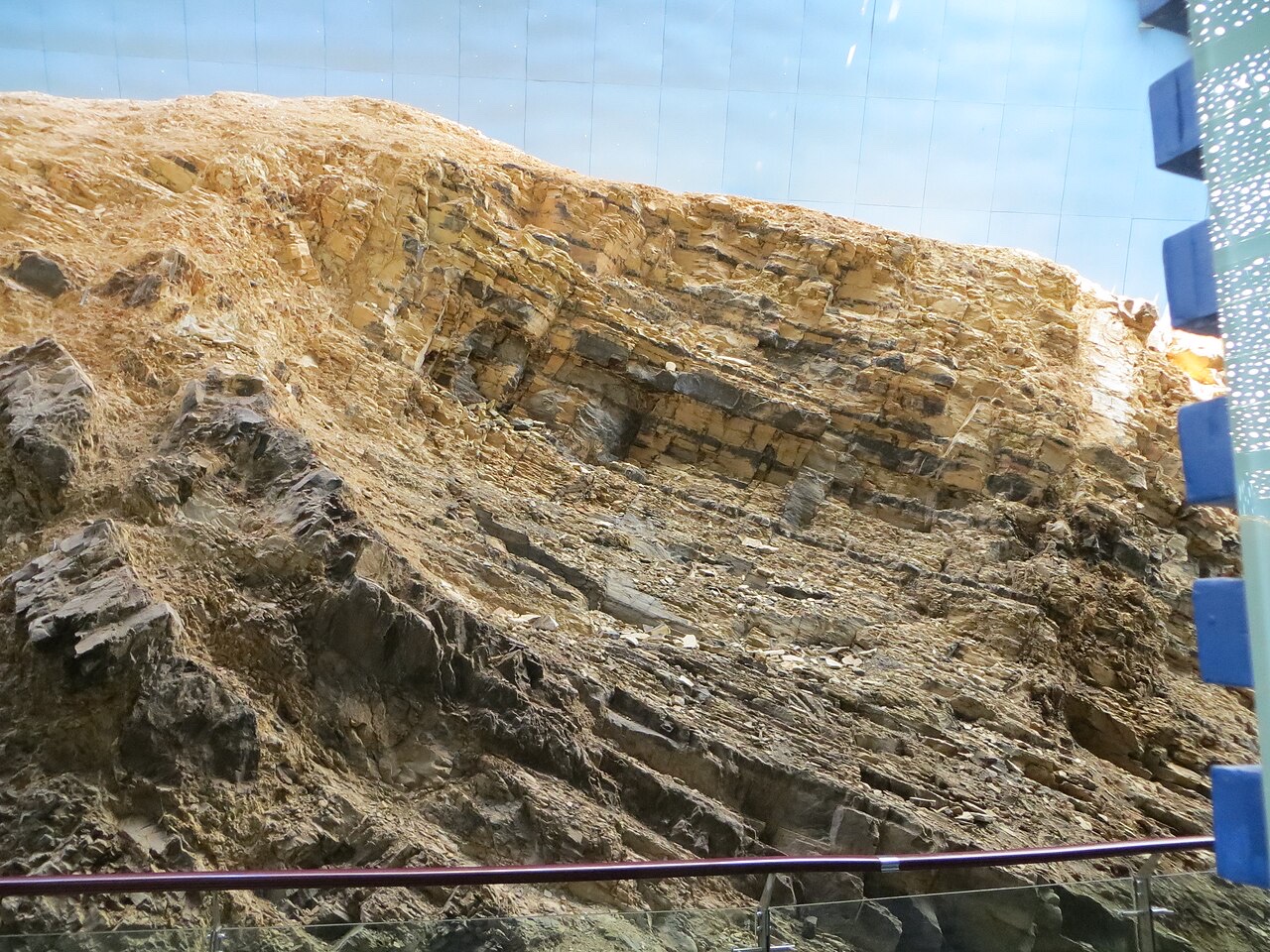
Chengjiang
Cambrian mudstones in Yunnan preserve soft anatomy, revealing an ecosystem and an unusually selective route into the fossil record.
518 Ma → Today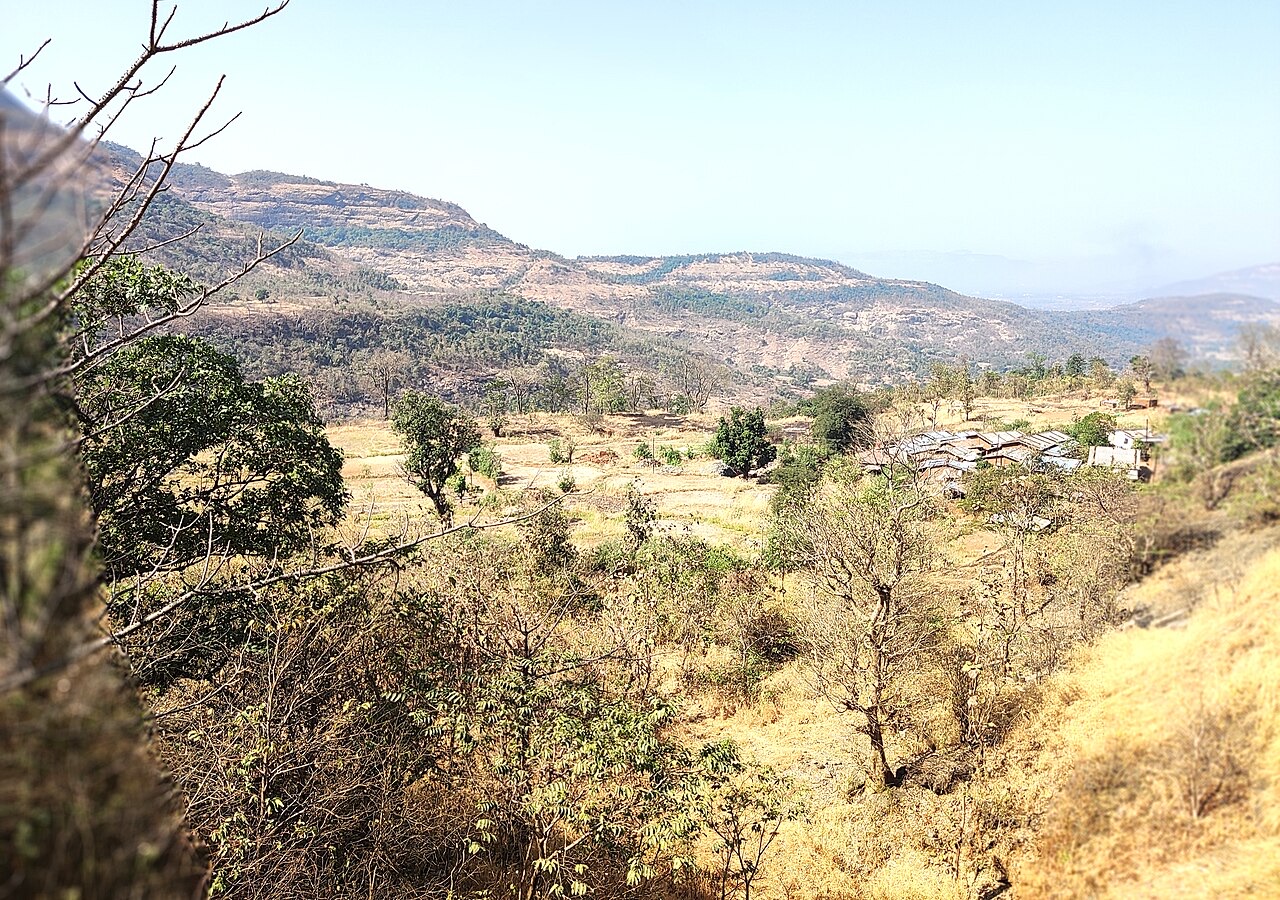 Asia
India ↗
Deccan Traps
Flood basalts and sedimentary intervals between flows record a prolonged volcanic episode spanning the end-Cretaceous extinction.
66.2 Ma → 65.7 Ma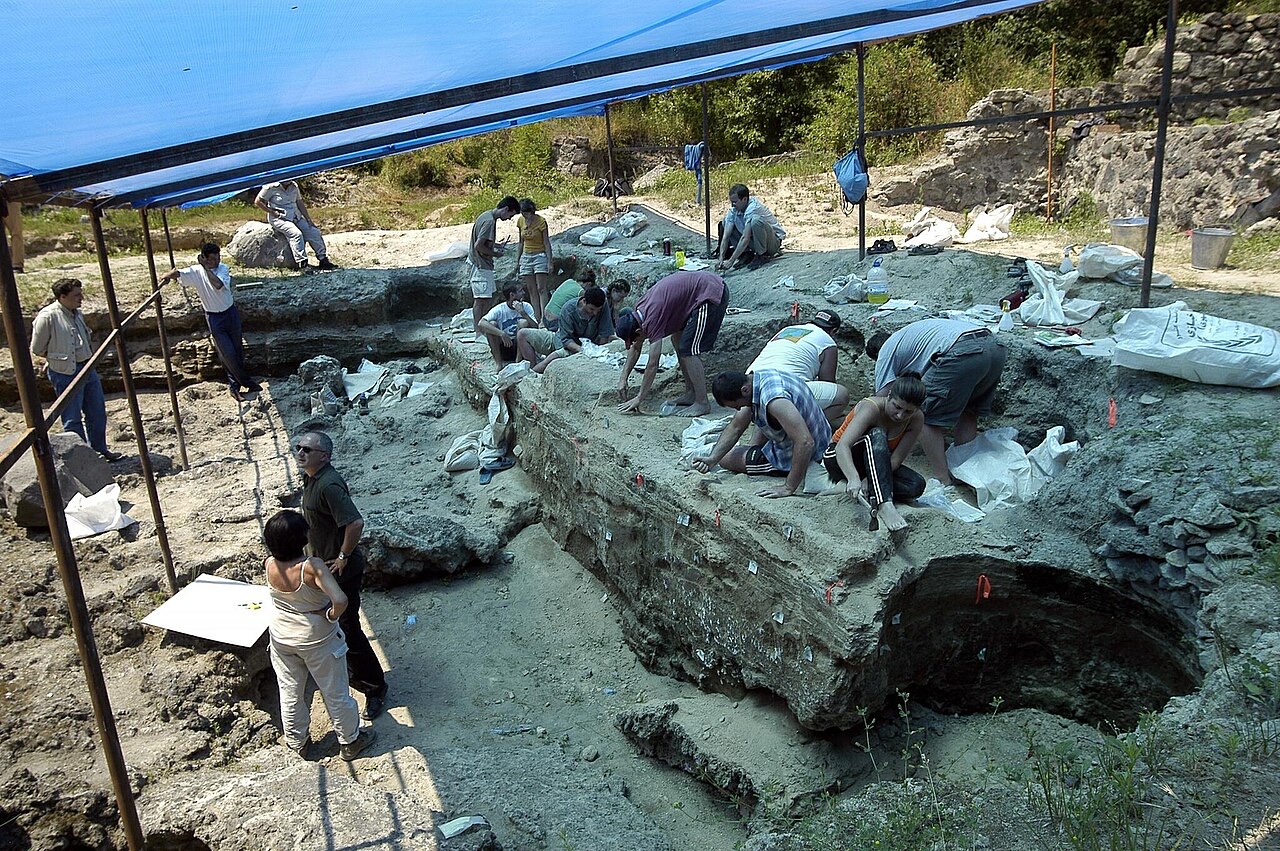 Asia
Georgia ↗
Dmanisi
An Early Pleistocene basalt and the younger fossil-bearing deposits above it connect volcanic construction with early hominin occupation.
1.85 Ma → 1.79 Ma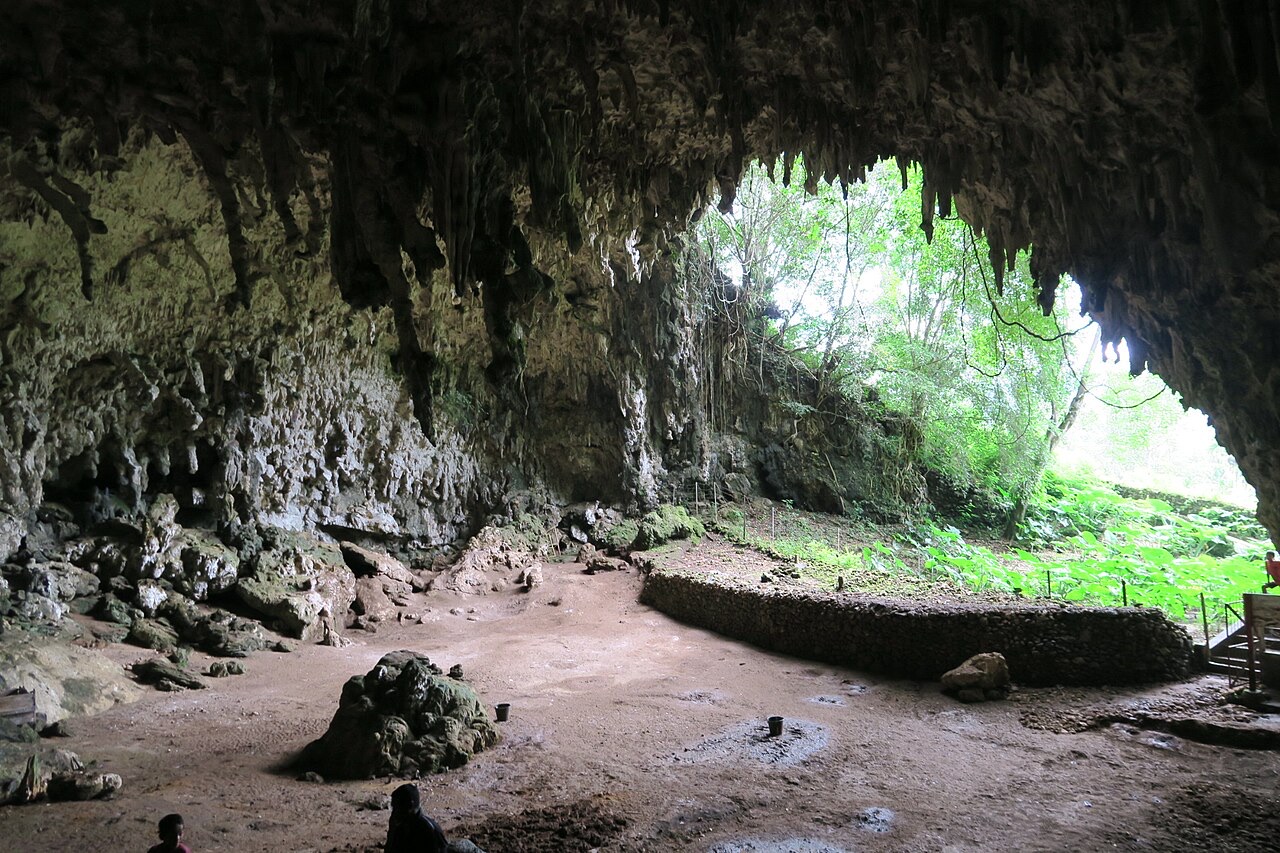 Asia
Indonesia ↗
Flores: Mata Menge & Liang Bua
Middle Pleistocene stream deposits and much younger cave sediments preserve different chapters in the history of small-bodied hominins on Flores.
0.7 Ma → 0.08 Ma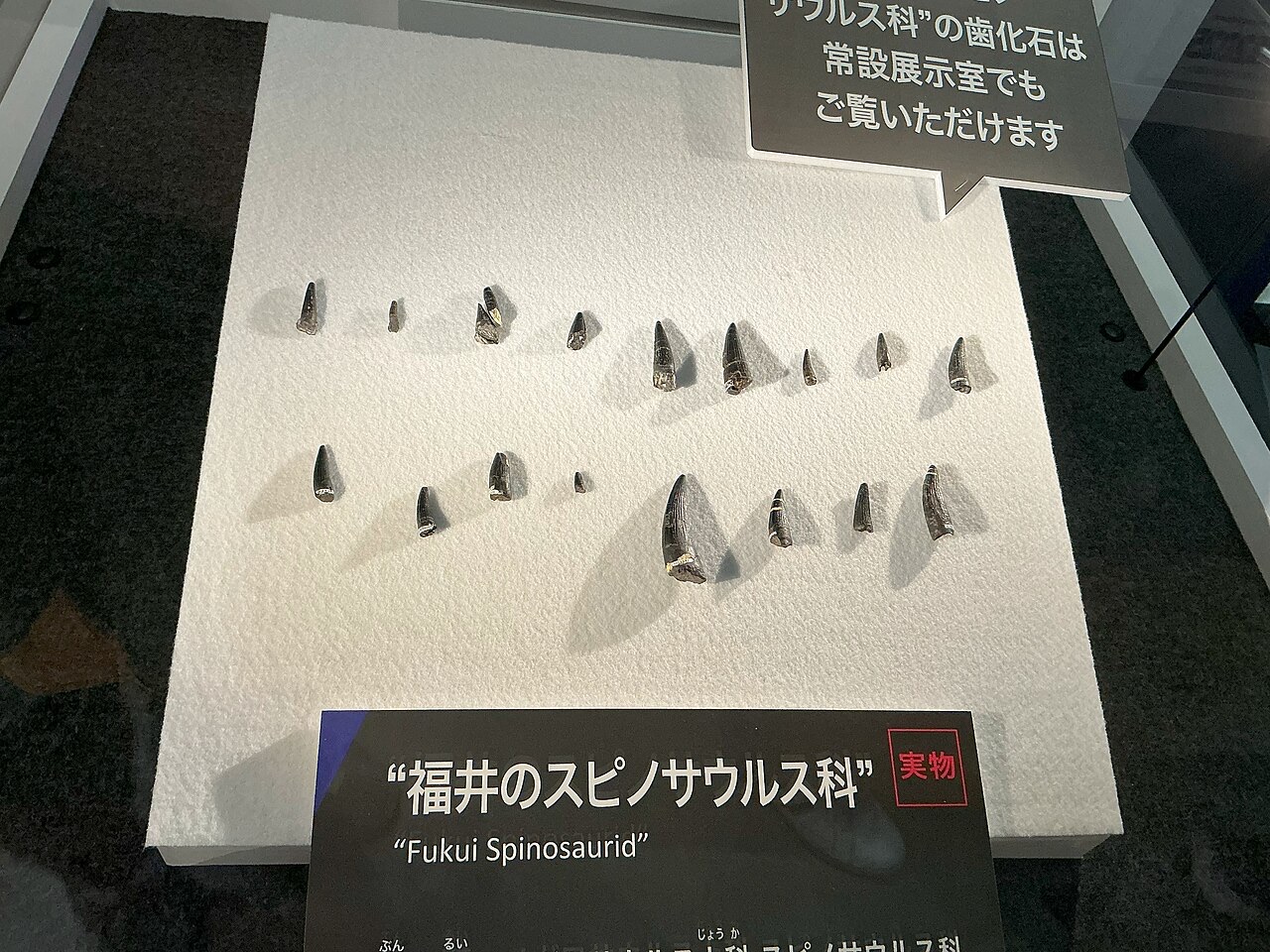 Asia
Japan ↗
Fukui & Hakusan
The Kuwajima and Kitadani formations reveal successive Early Cretaceous landscapes through mammals, dinosaurs and a three-dimensionally preserved bird.
129 Ma → 120 Ma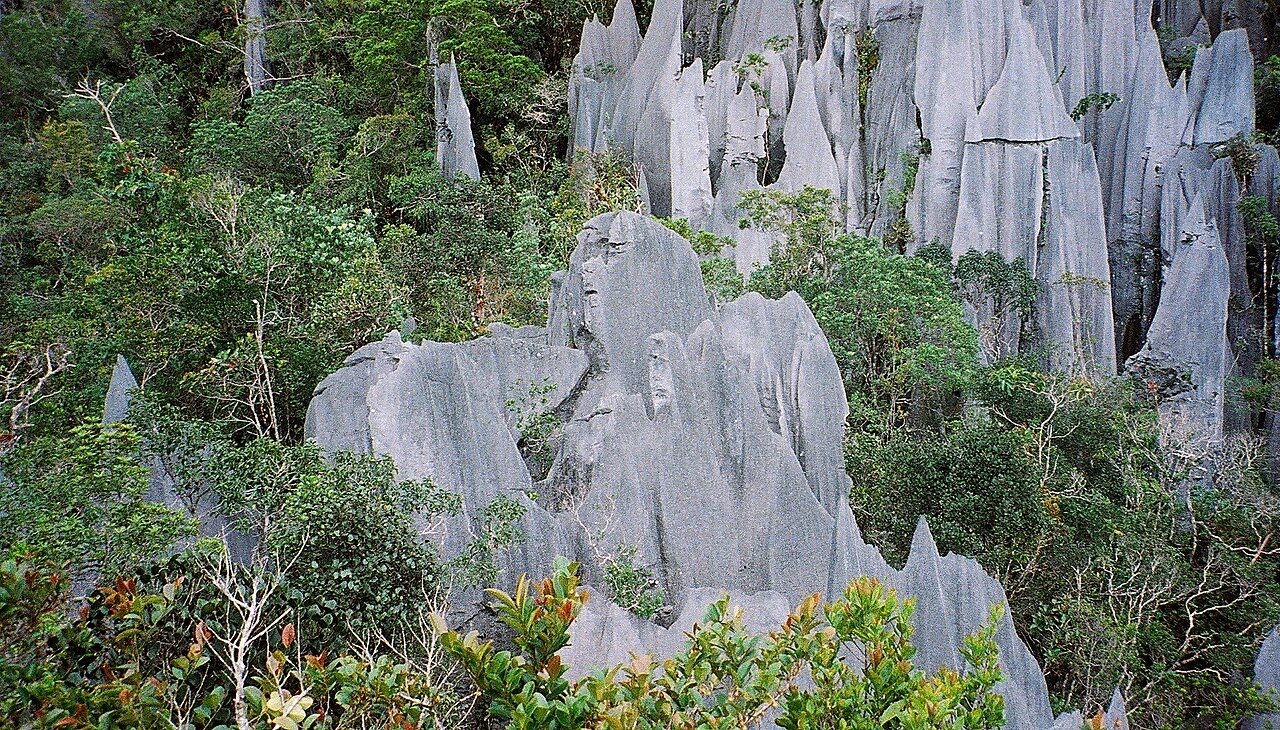 Asia
Malaysia ↗
Gunung Mulu
Melinau marine limestone forms the walls of caves whose younger mineral deposits record tropical environmental change.
28 Ma → 0.015 Ma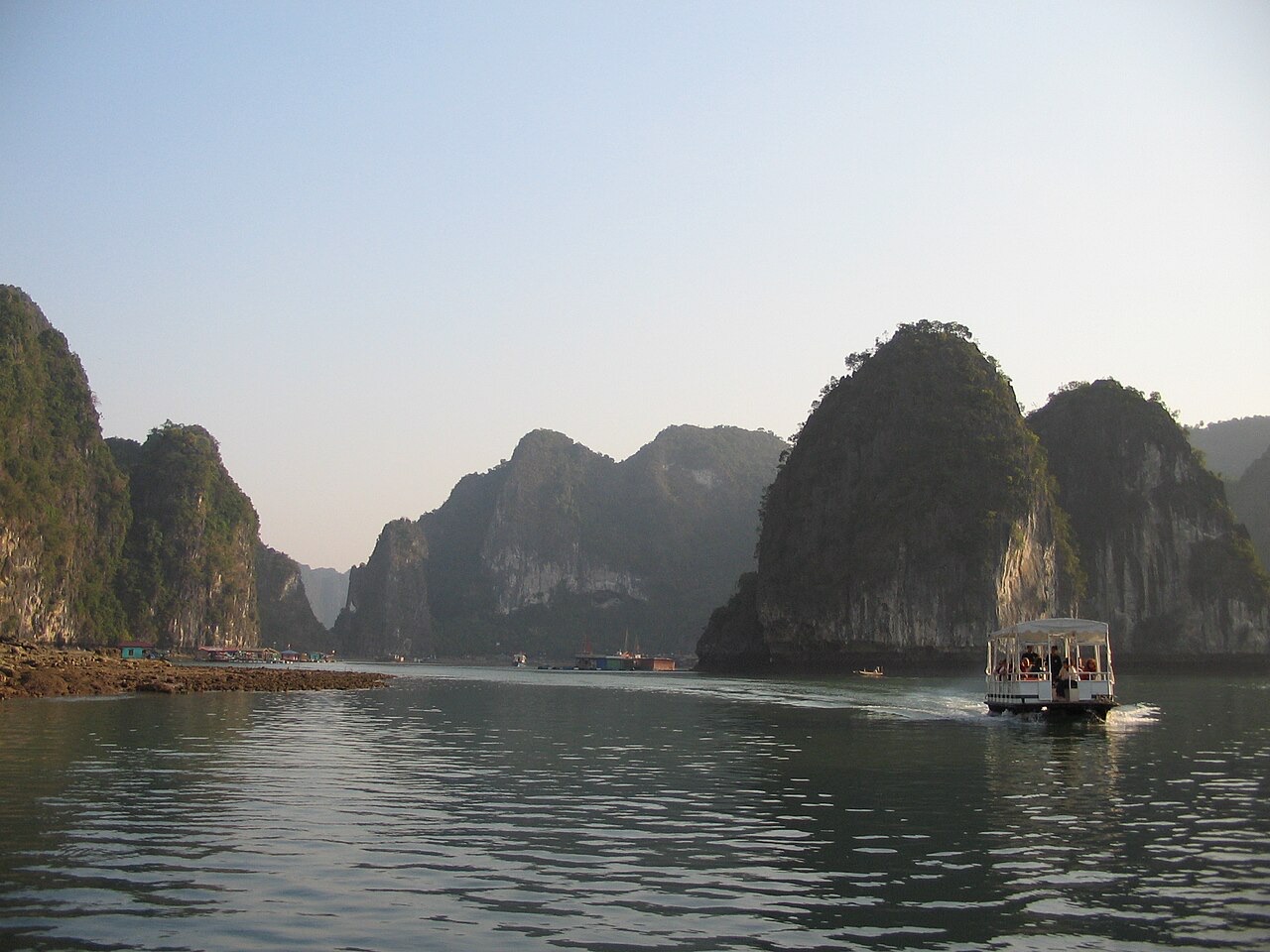 Asia
Vietnam ↗
Ha Long Bay & Cat Ba
Palaeozoic marine carbonates became a terrestrial karst landscape before Holocene seas flooded its lower ground.
330 Ma → 0.005 Ma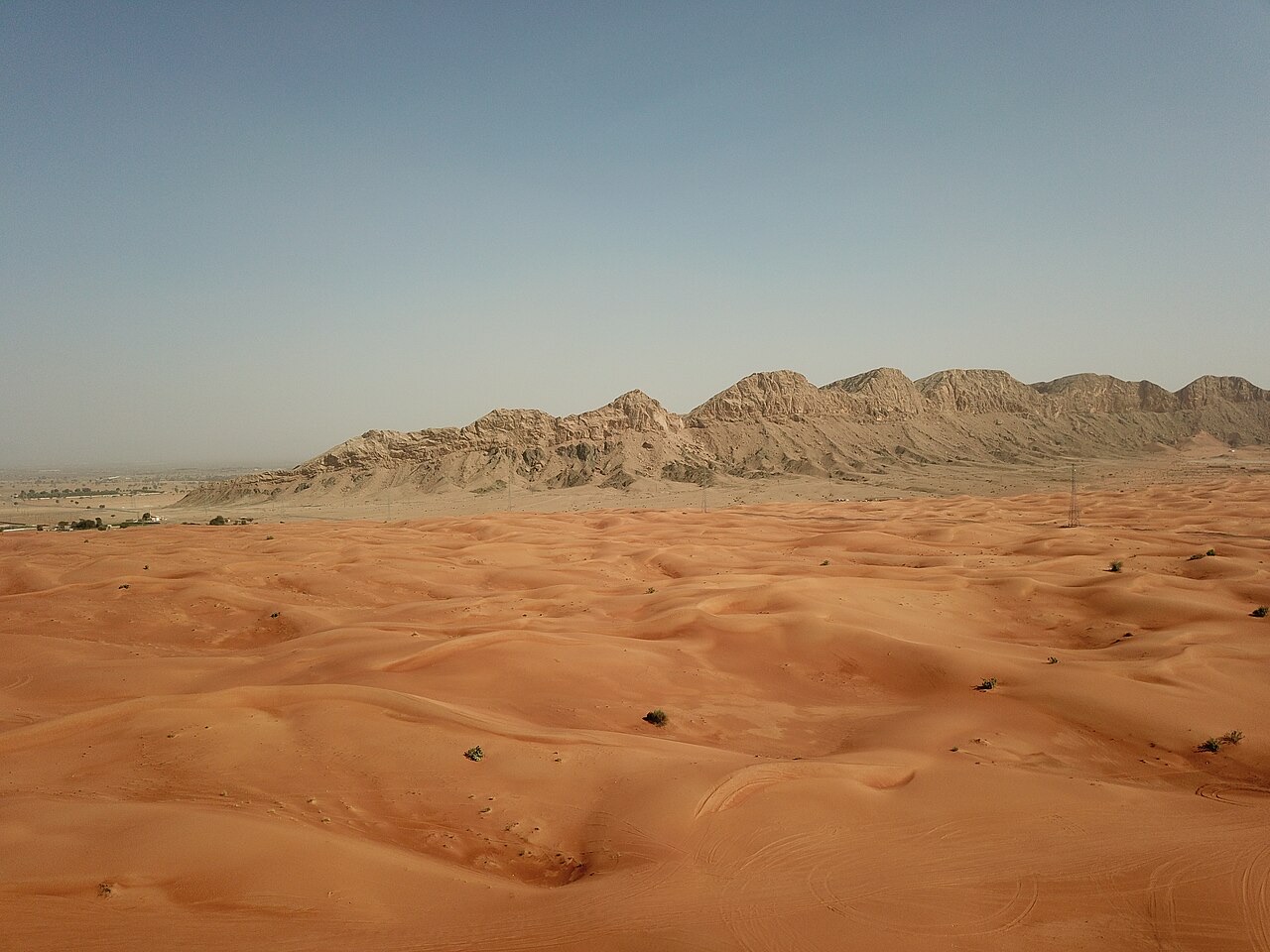 Asia
United Arab Emirates ↗
Jebel Faya
Stratified tools at the Faya rockshelter document several Pleistocene occupations and test simple climate-gated accounts of human dispersal.
0.21 Ma → 0.125 Ma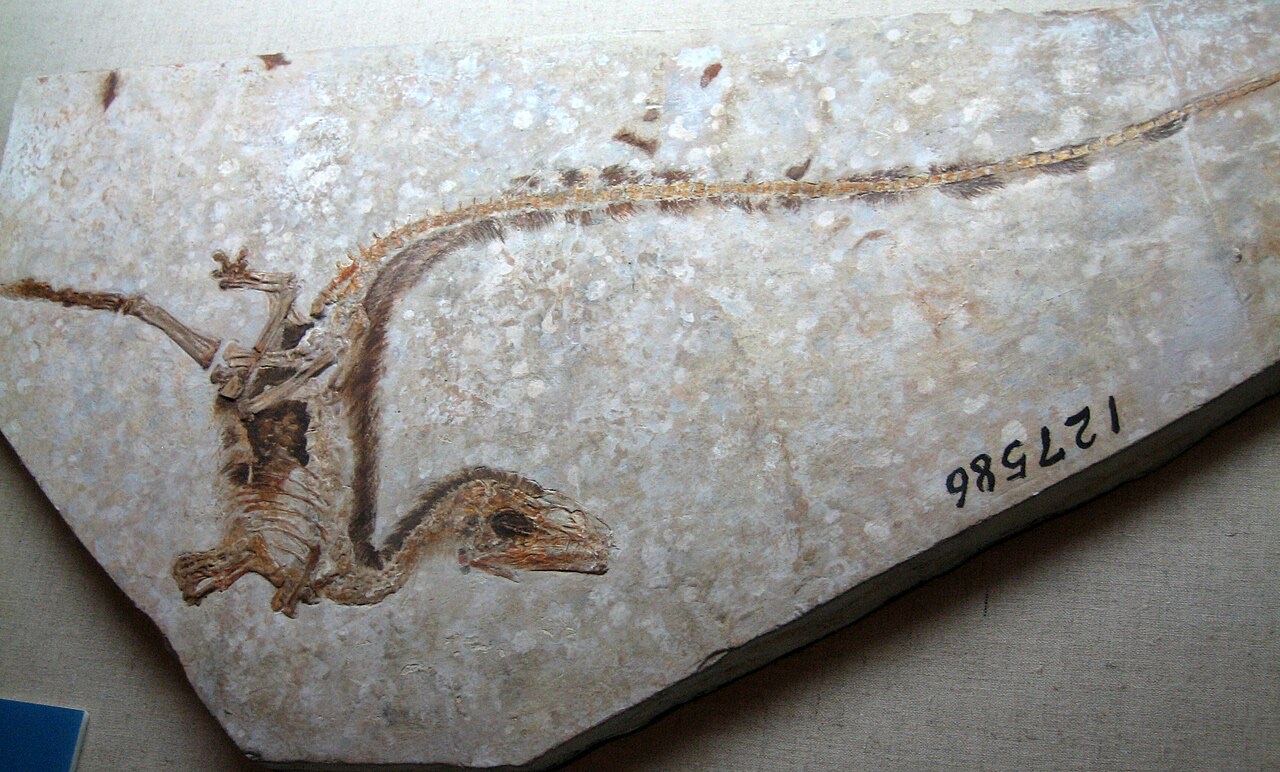 Asia
China ↗
Jehol lake country
The Yixian and Jiufotang formations preserve different Early Cretaceous windows into northeastern China’s lake and terrestrial ecosystems.
125 Ma → 120 Ma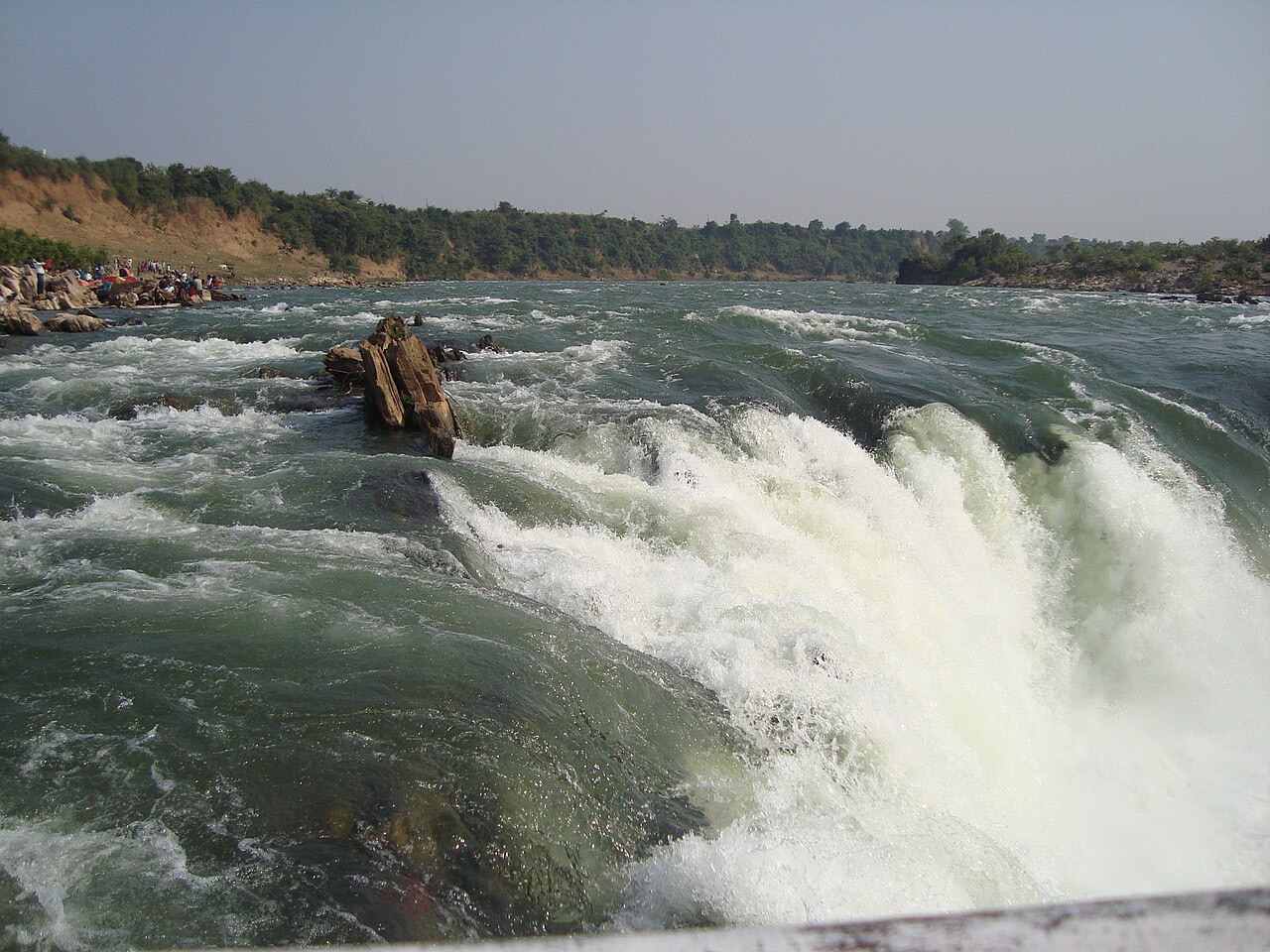 Asia
India ↗
Lower Narmada Valley
Bagh marine deposits and much younger Lameta nesting sites record separate Late Cretaceous environments in central India.
92 Ma → 67 Ma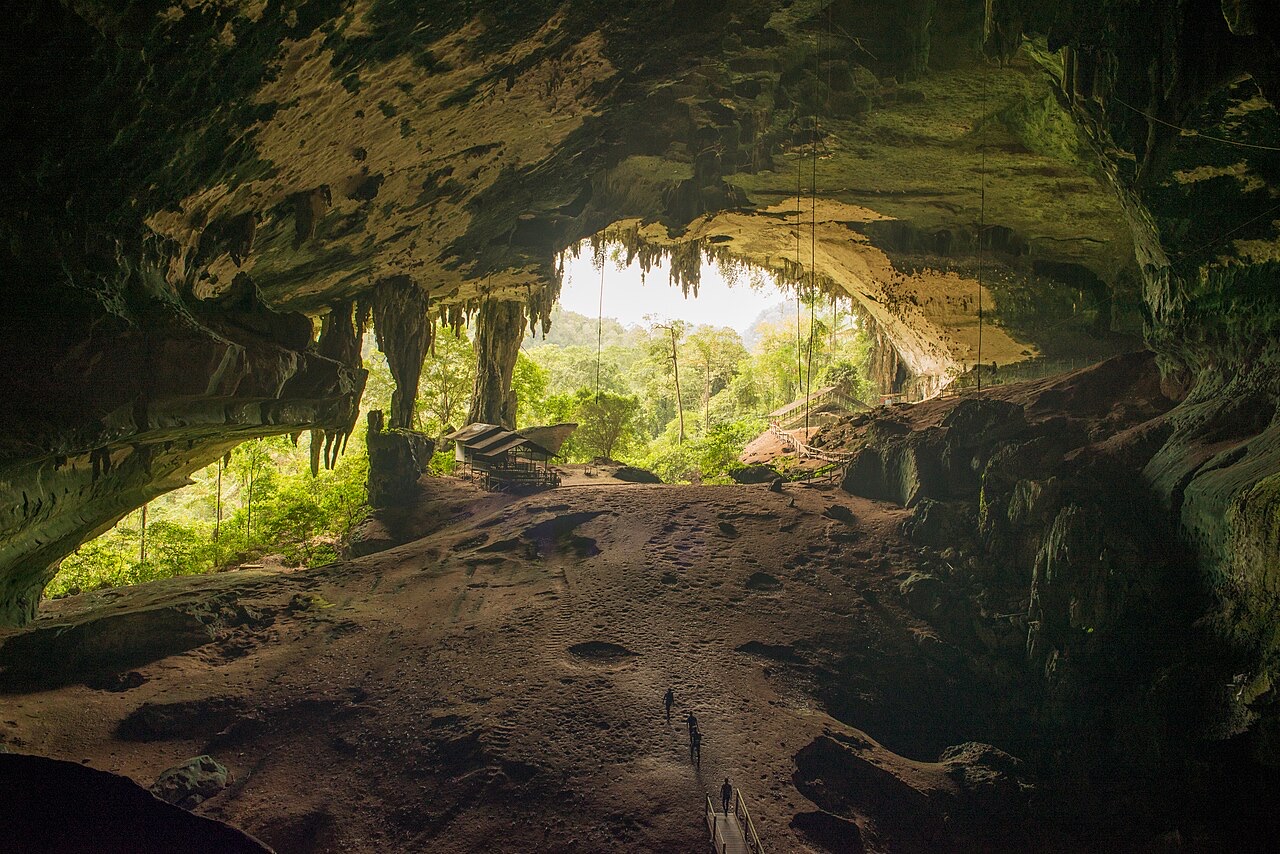 Asia
Malaysia ↗
Niah Caves
Borneo’s Niah complex preserves human remains, plant traces and hunted animals through late-glacial and early Holocene environmental changes.
0.042 Ma → 0.01 Ma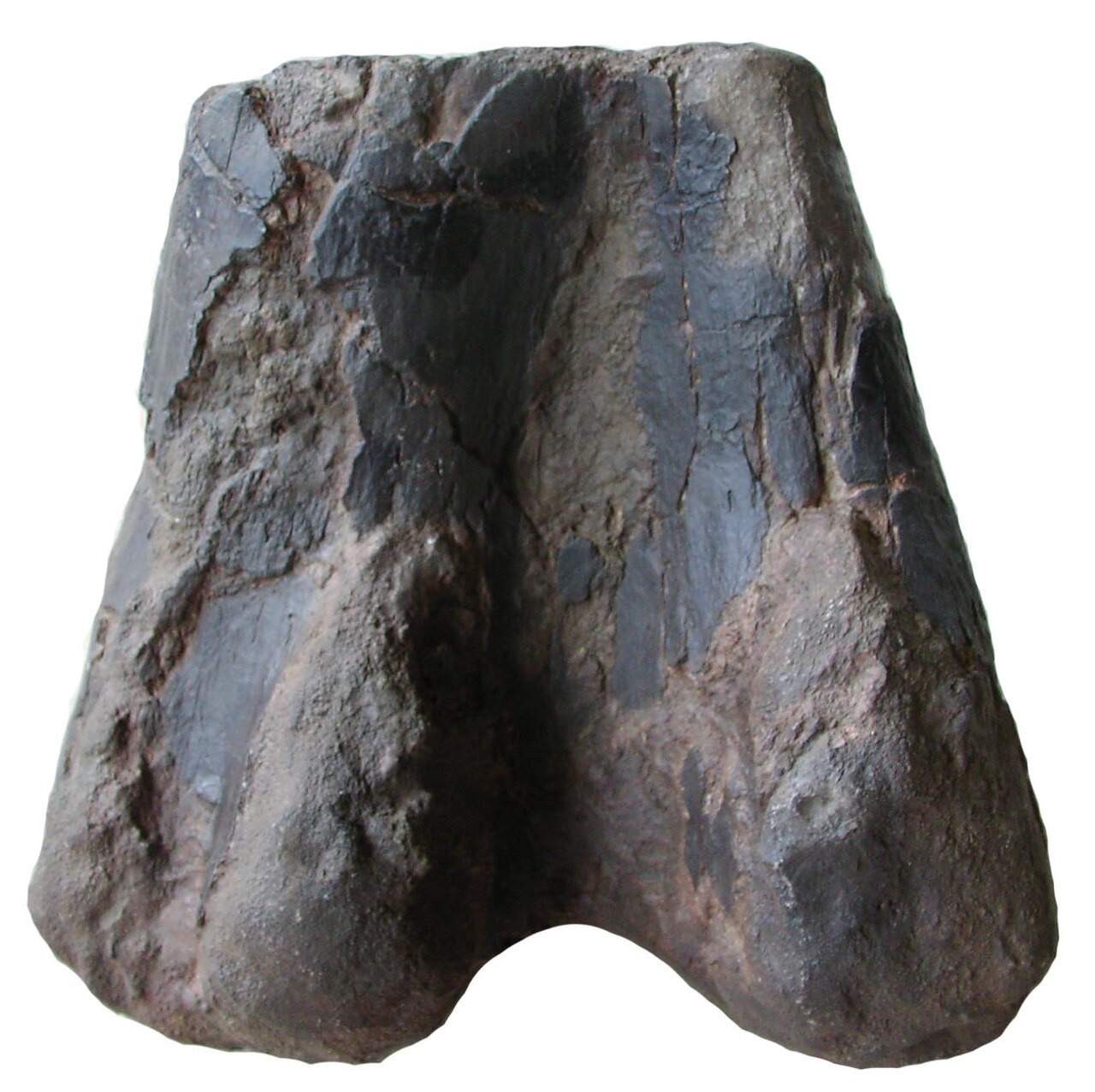 Asia
Thailand ↗
Phu Wiang
Older Phra Wihan track-bearing sandstone and younger Sao Khua floodplain deposits record dinosaurs in northeastern Thailand.
140 Ma → 133 Ma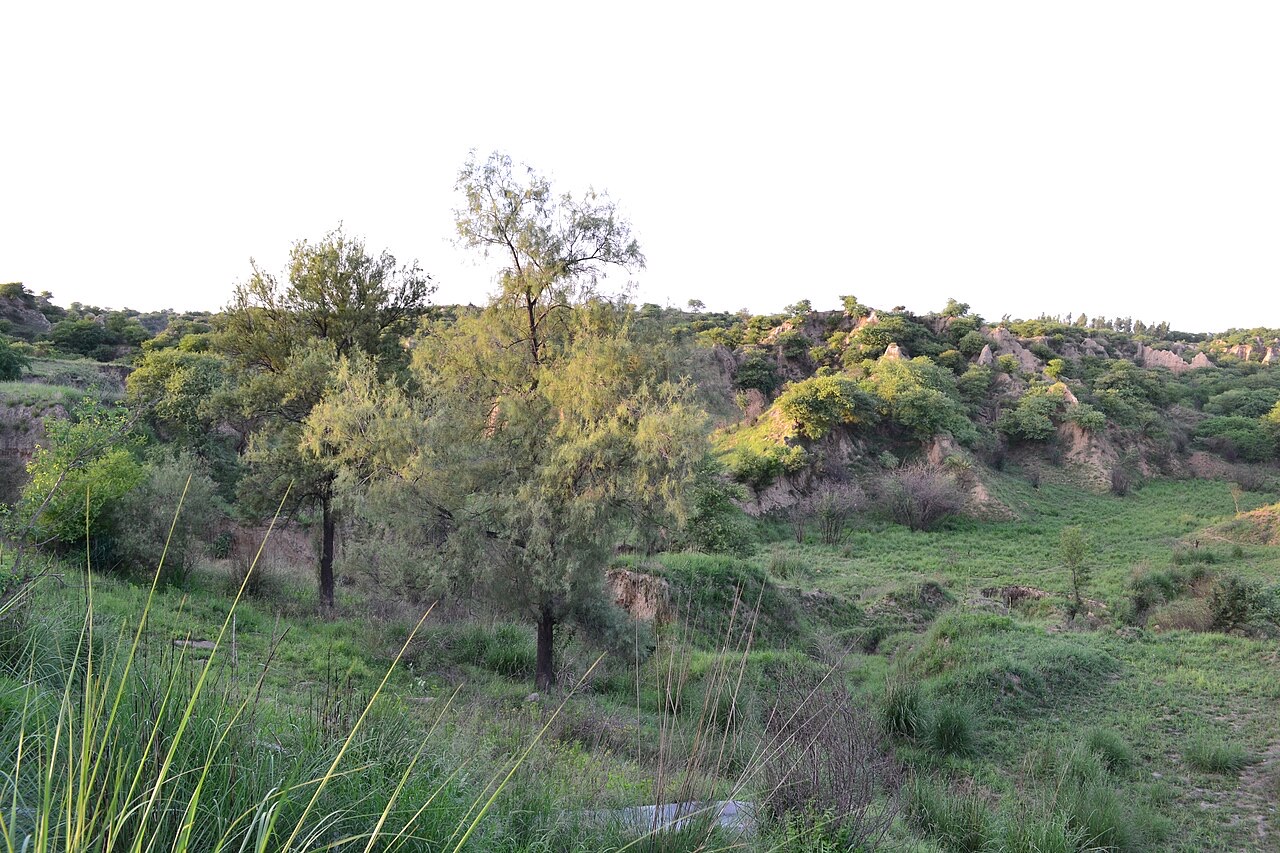 Asia
Pakistan ↗
Potwar Siwaliks
Miocene floodplains on the Potwar Plateau preserve fossil mammals and complementary carbon-isotope records of changing vegetation.
12 Ma → 6.8 Ma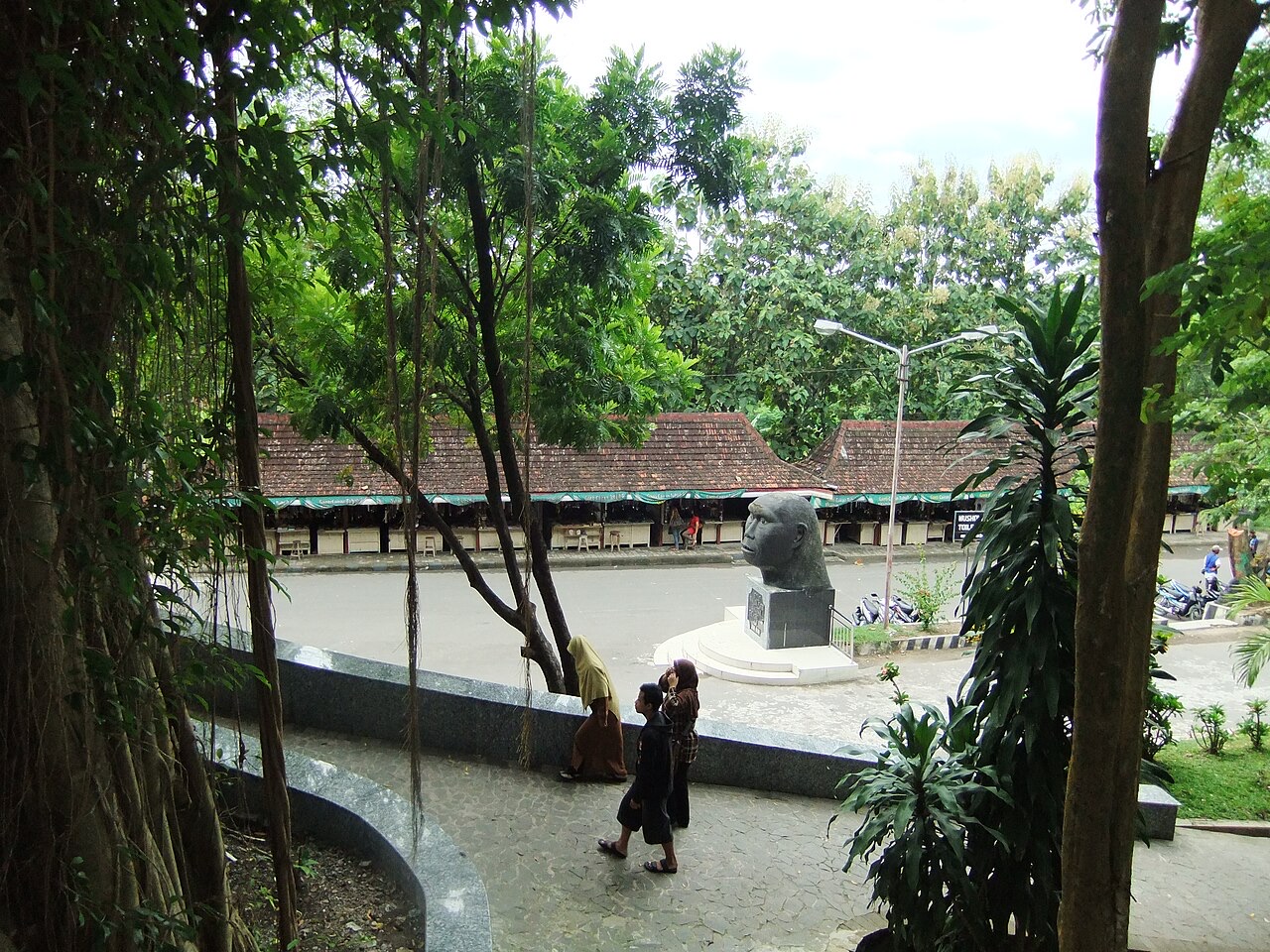 Asia
Indonesia ↗
Sangiran
Swampy deposits, river sediments and Homo erectus fossils record the growth of a terrestrial landscape amid Java’s volcanoes.
1.6 Ma → 1.1 Ma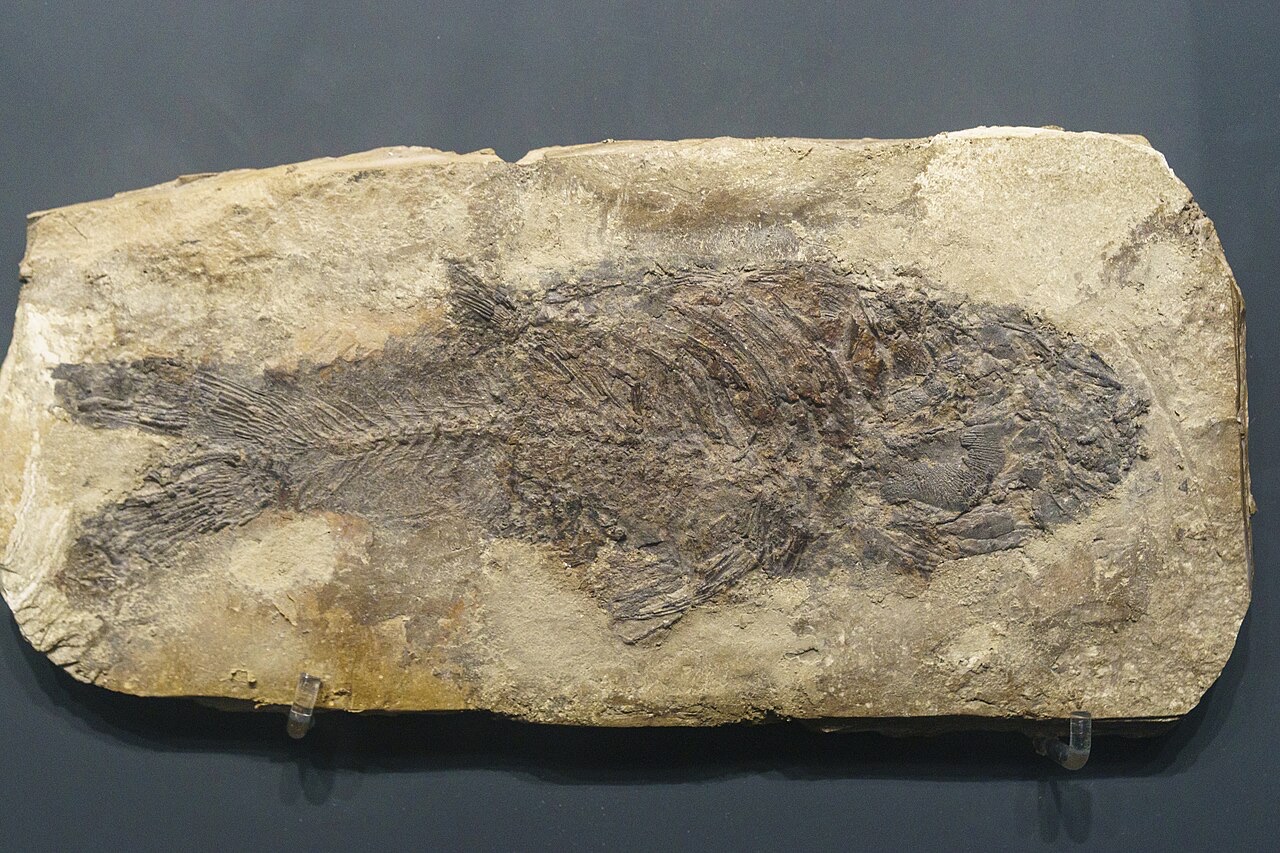 Asia
China ↗
Shanwang
Basalts bracket a fossil-rich lake succession whose diatoms, leaves, insects and vertebrates reveal both preservation and environment.
21 Ma → 17 Ma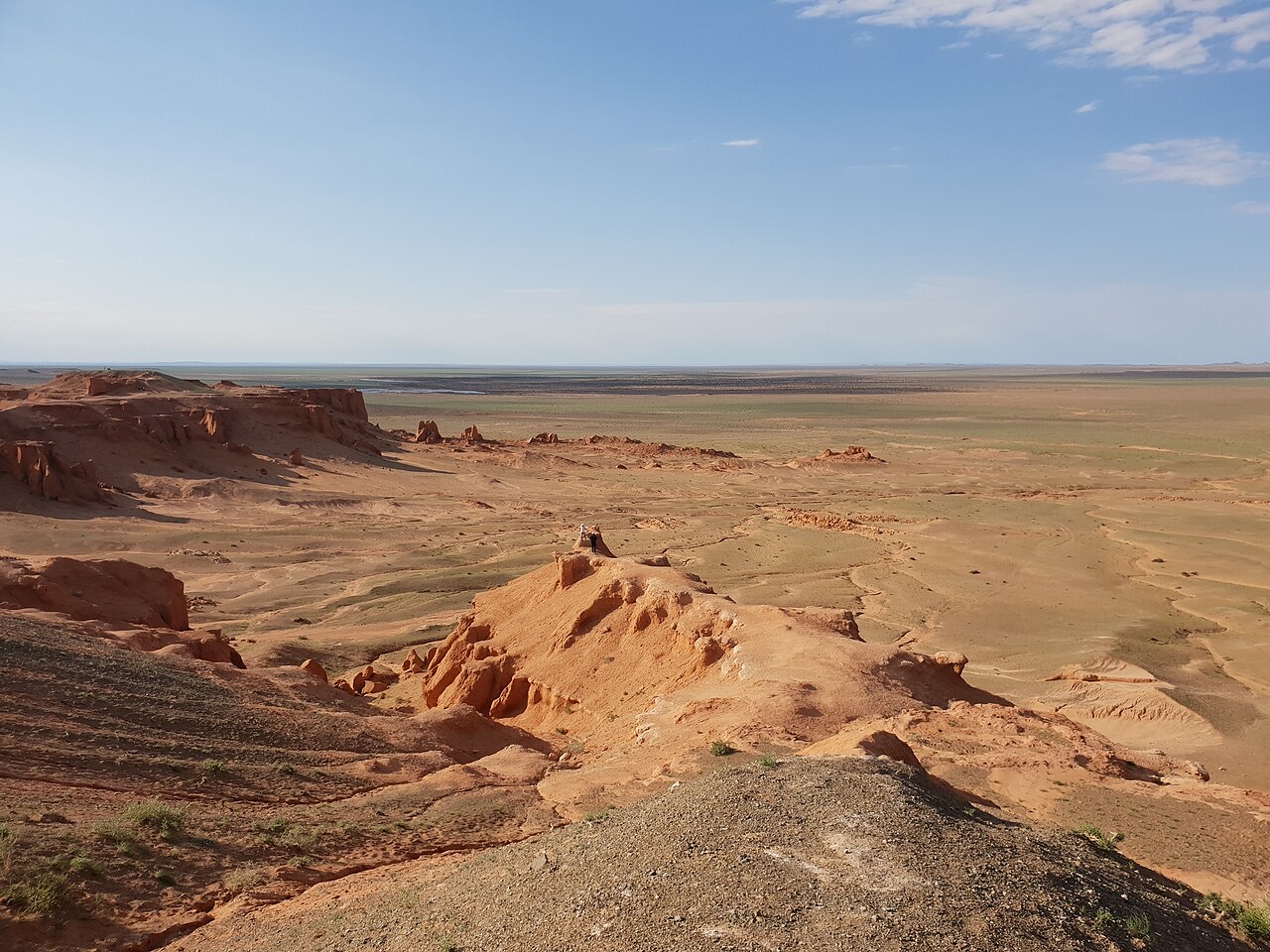 Asia
Mongolia ↗
The Mongolian Gobi
Late Cretaceous Gobi formations preserve contrasting environments and unusually direct clues to dinosaur behaviour.
75 Ma → 70 Ma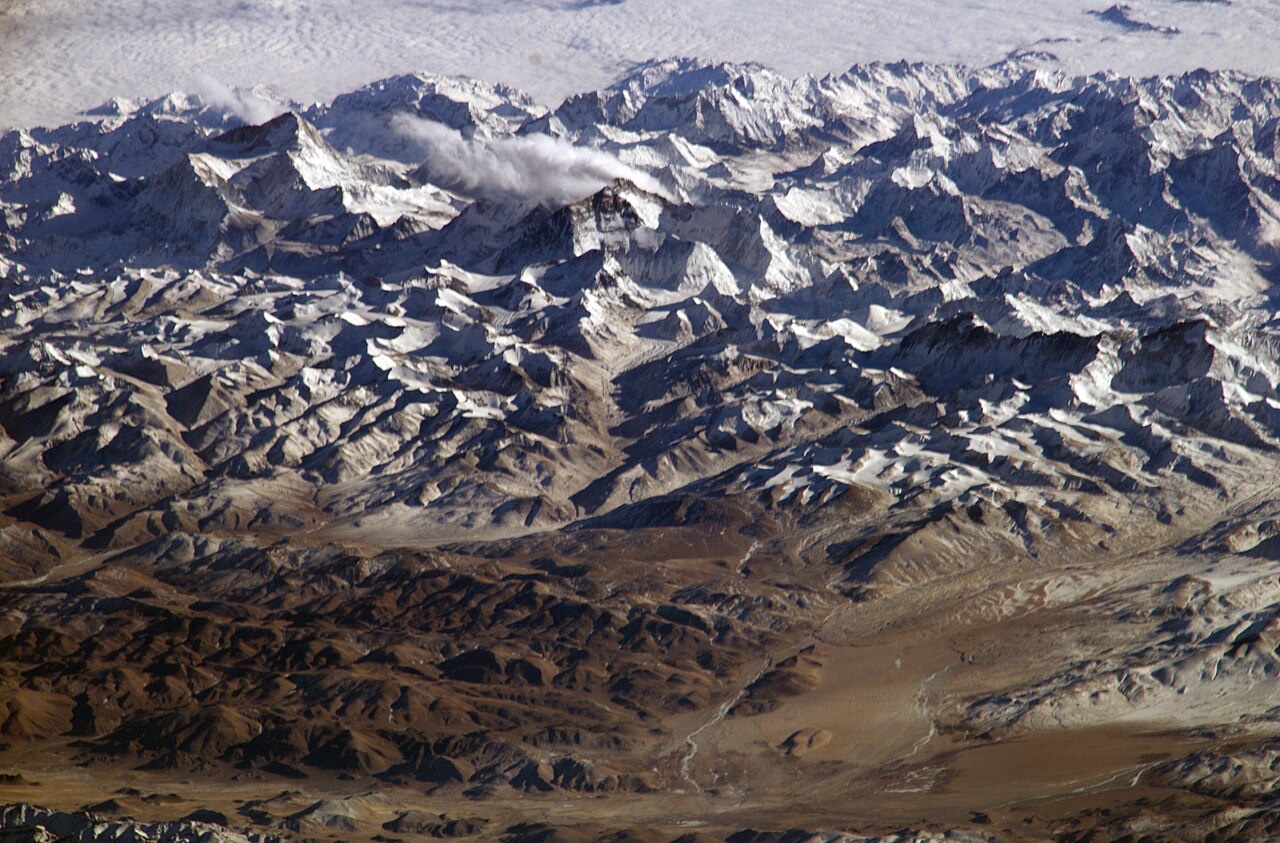 Asia
Nepal / China / India ↗
The Tethyan Himalaya
Marine fossils north of Everest belong to a sedimentary history later transformed by India–Asia convergence, deformation and uplift.
52 Ma → TodayEurope
 Europe
Spain ↗
Atapuerca
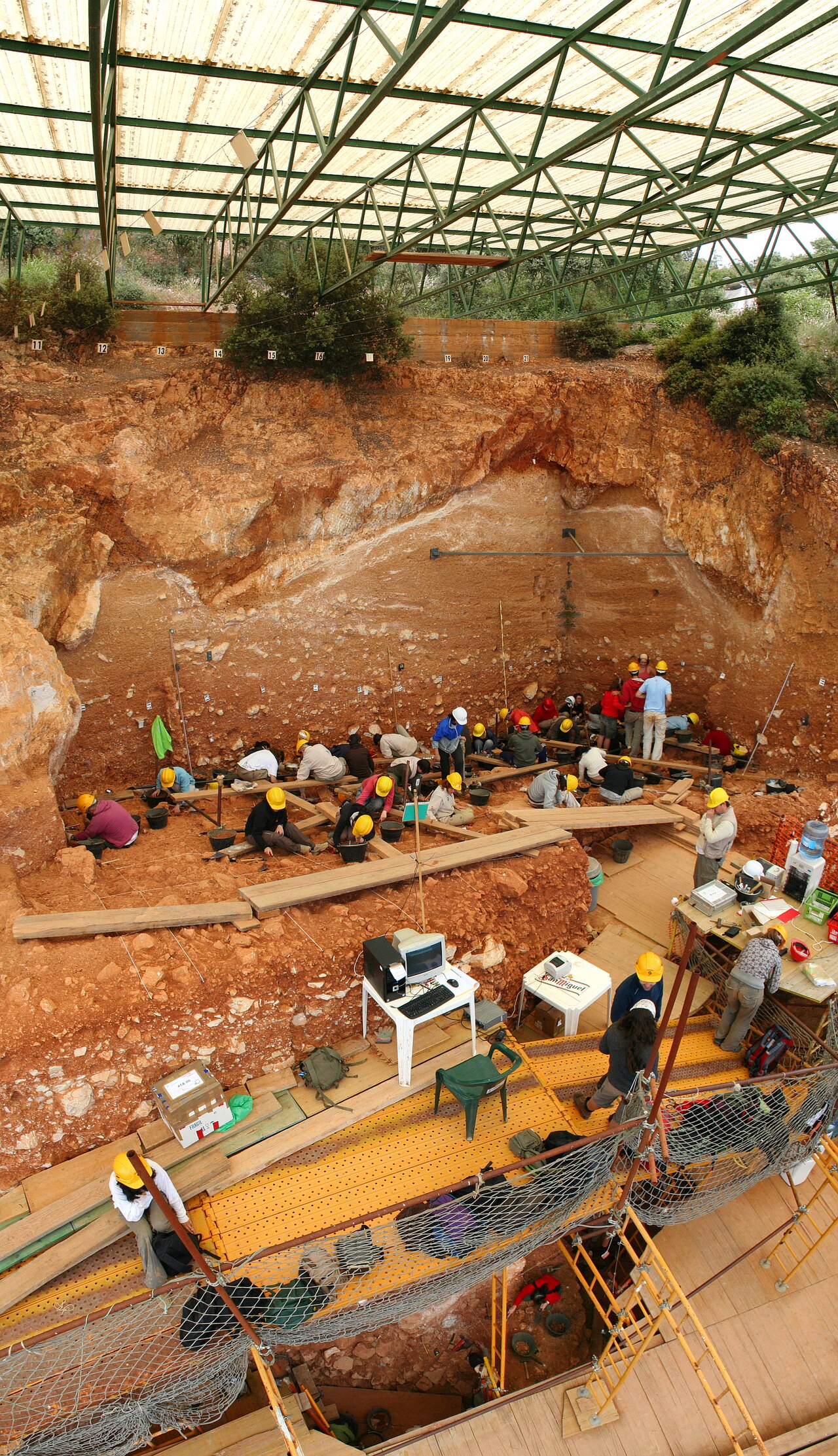
Sima del Elefante and Gran Dolina preserve distinct Early Pleistocene human records. Their fossils, sedimentary context and age estimates reveal a sequence rather than a single population frozen in time.
1.25 Ma → 0.85 Ma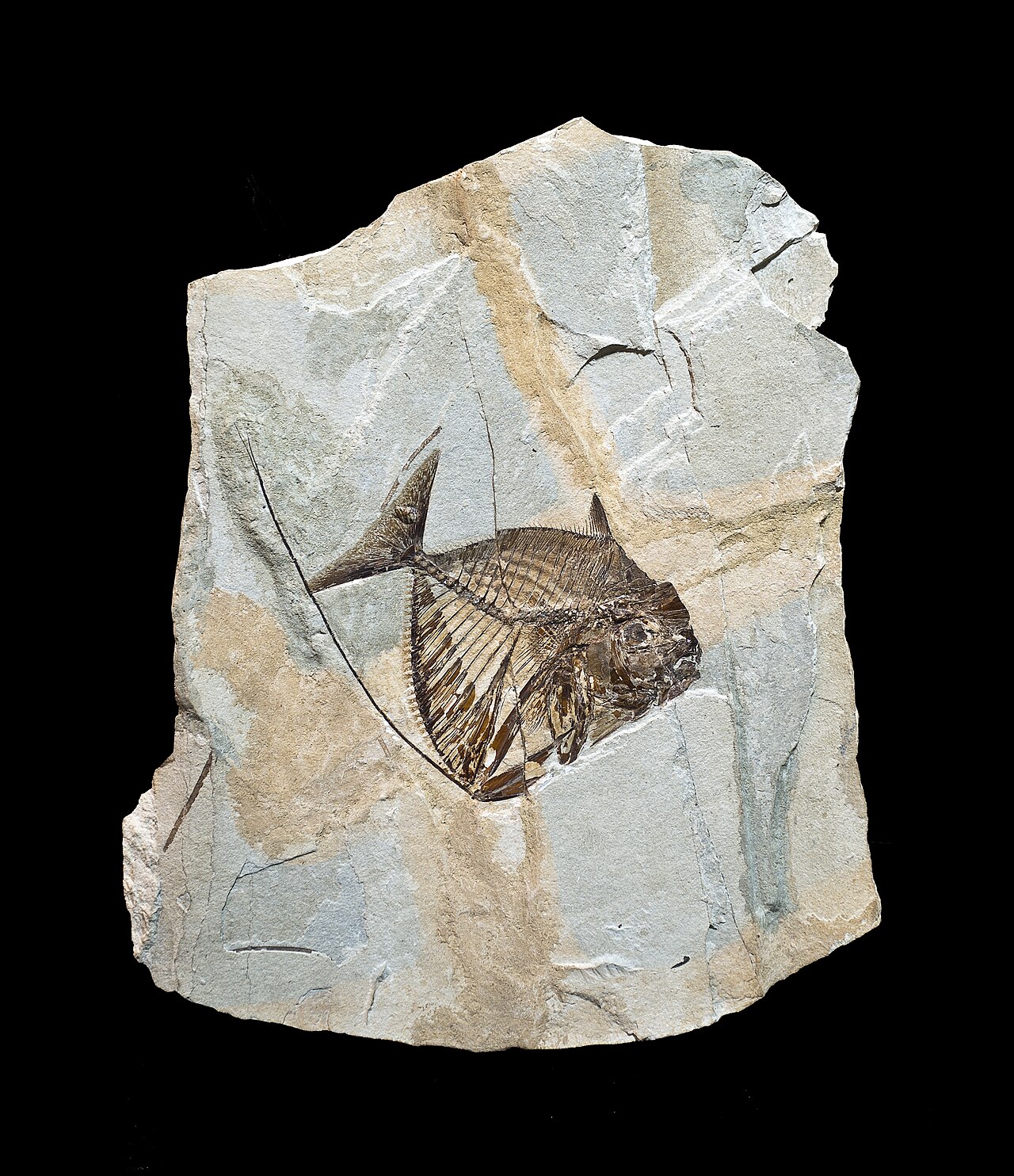 Europe
Italy ↗
Bolca
Monte Postale and Pesciara contain exceptional Eocene fish assemblages. Their age sequence and different preservation patterns reveal the importance of local habitat and burial conditions.
49.7 Ma → 48.7 Ma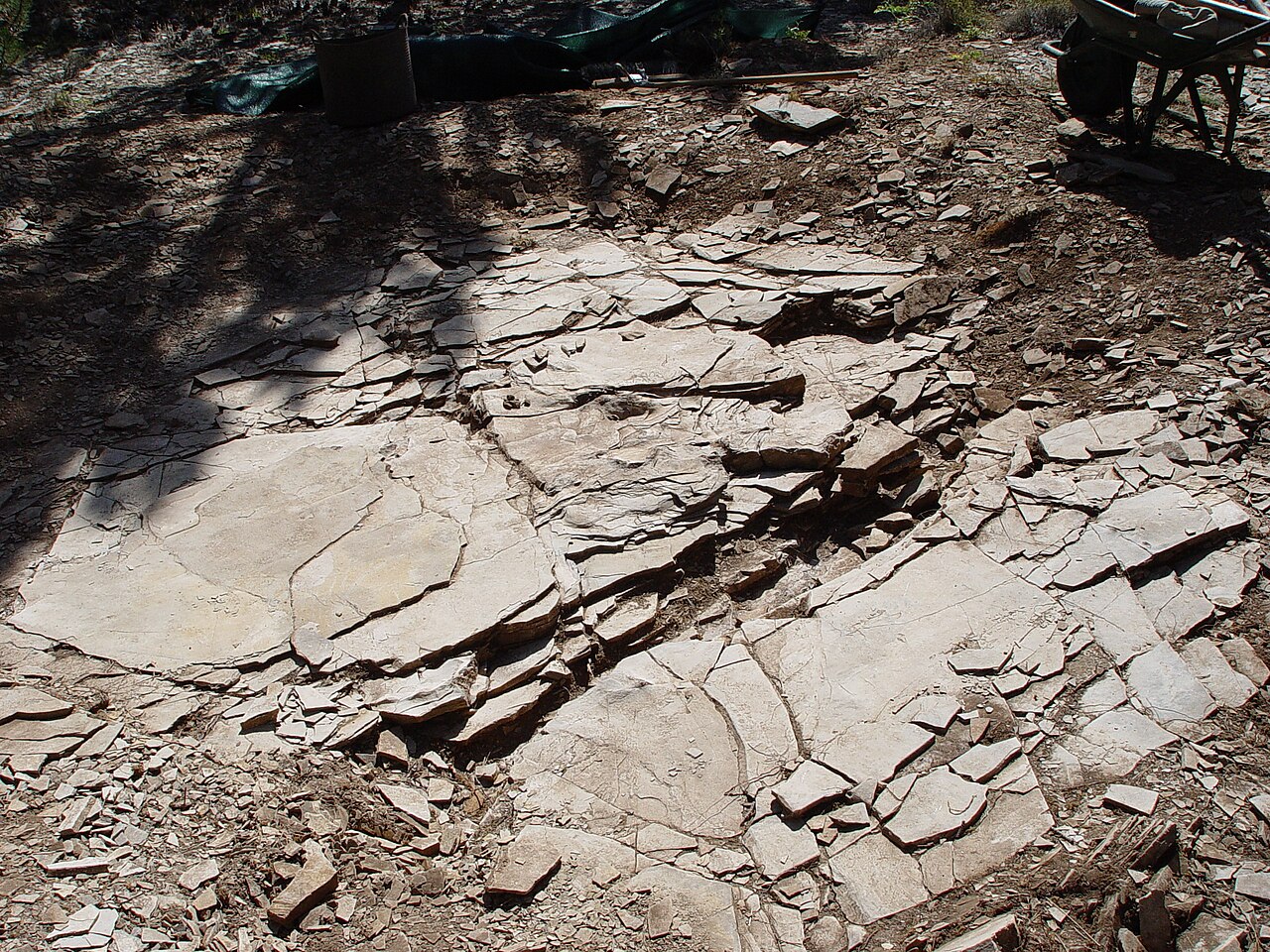 Europe
Spain ↗
Cuenca
Las Hoyas and Lo Hueco preserve different terrestrial ecosystems separated by roughly fifty million years. Exceptional wetland preservation and a later dinosaur-bearing accumulation answer different questions about Cretaceous life.
125 Ma → 72 Ma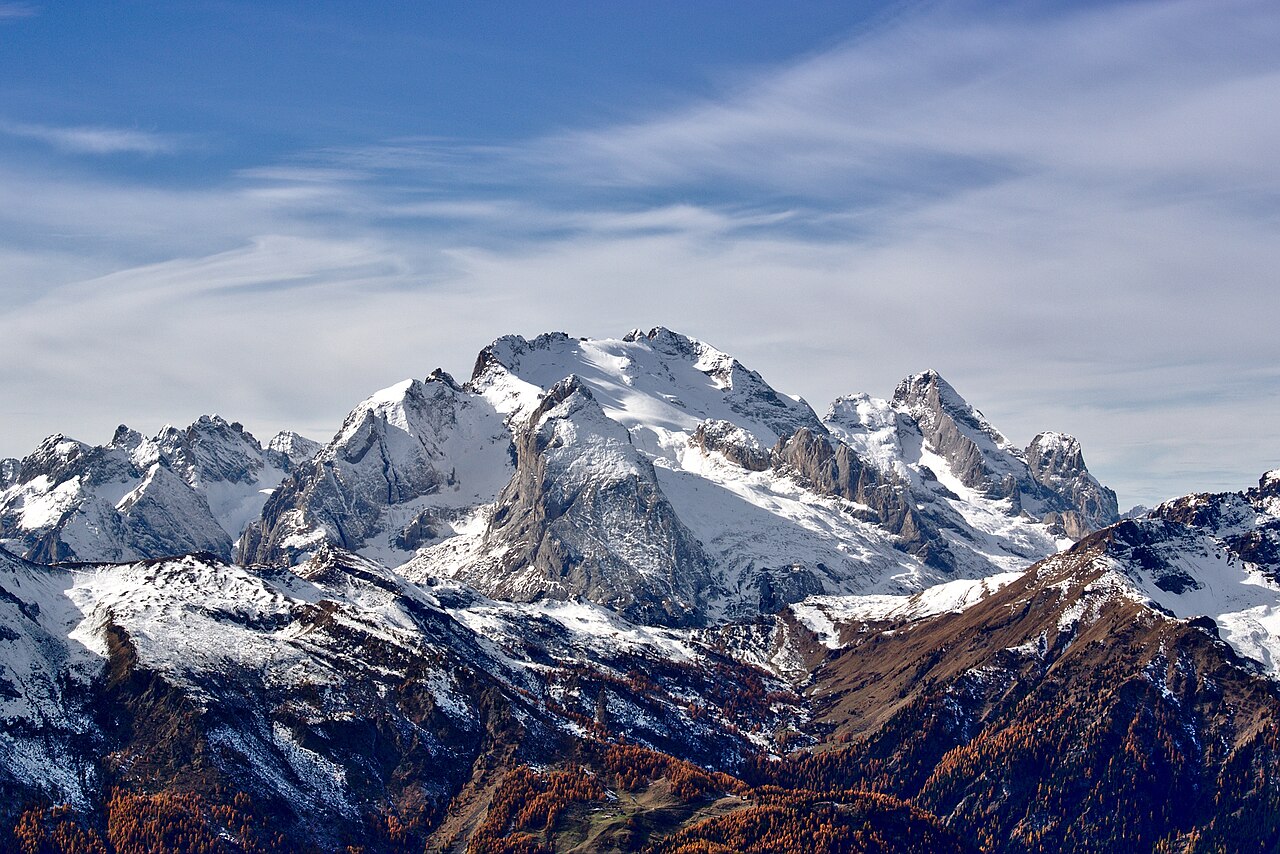 Europe
Italy ↗
Dolomites
Triassic carbonate platforms and later extensive tidal flats are exposed in the Dolomites. Fossils and sedimentary geometries distinguish ancient marine construction from the much younger mountain landscape.
237 Ma → 220 Ma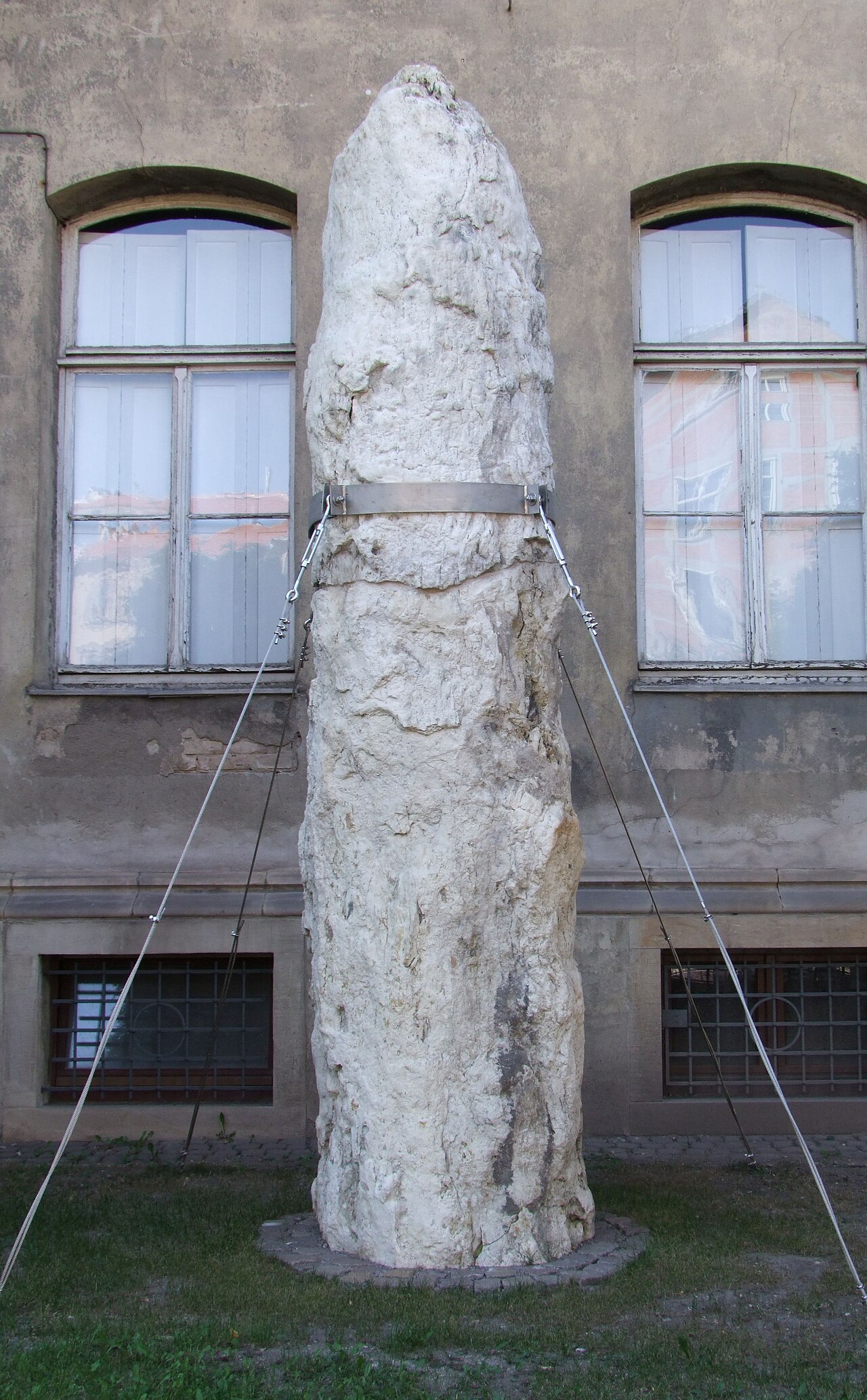 Europe
Germany ↗
Geiseltal
Eocene lignite deposits preserved a subtropical wetland ecosystem. Mining exposed its fossils; a modern lake now covers the original localities, making curated specimens and excavation records essential.
45 Ma → Today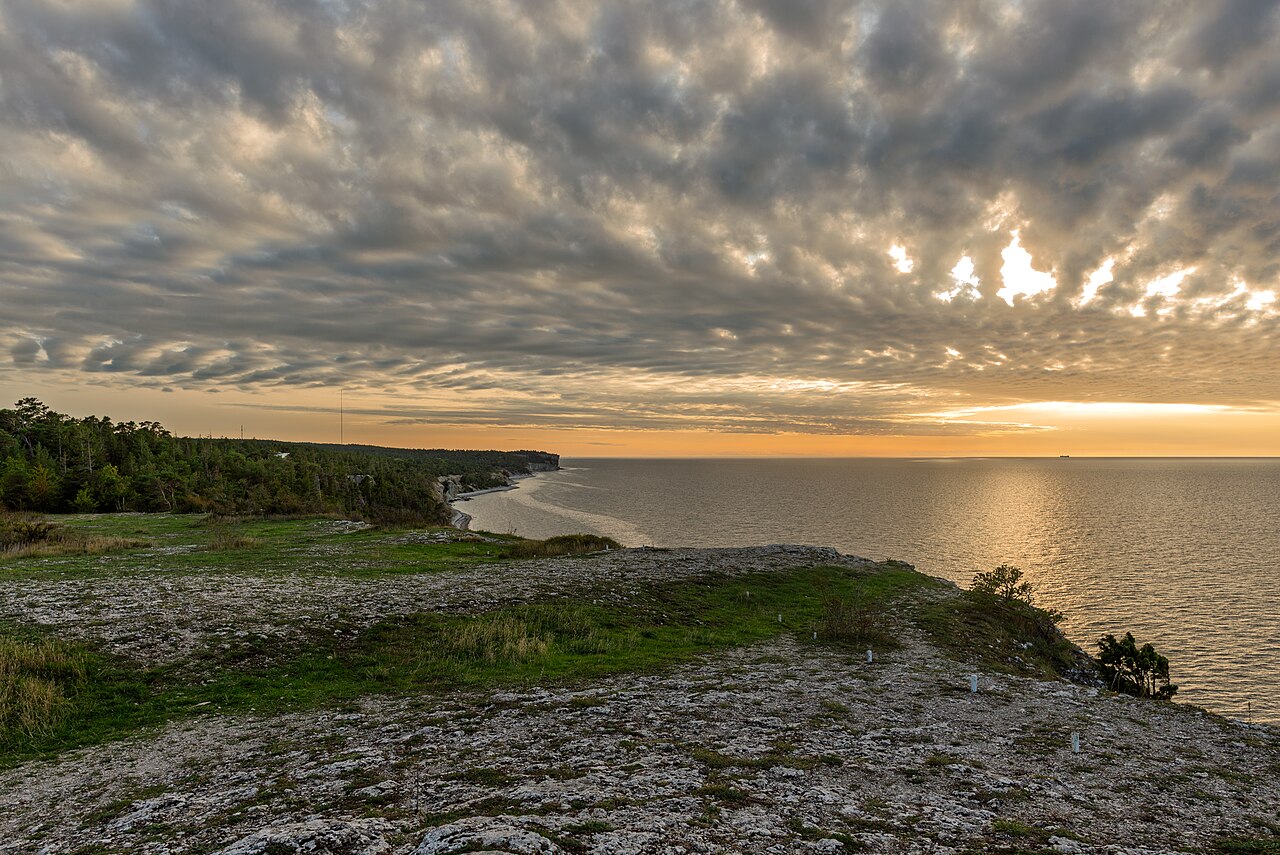 Europe
Sweden ↗
Gotland
Silurian limestones preserve repeated reef development on a marine platform. Högklint and the younger Sundre succession show that reef frameworks were assembled by changing partnerships of corals, sponges, bryozoans and microbial communities.
432 Ma → 423 Ma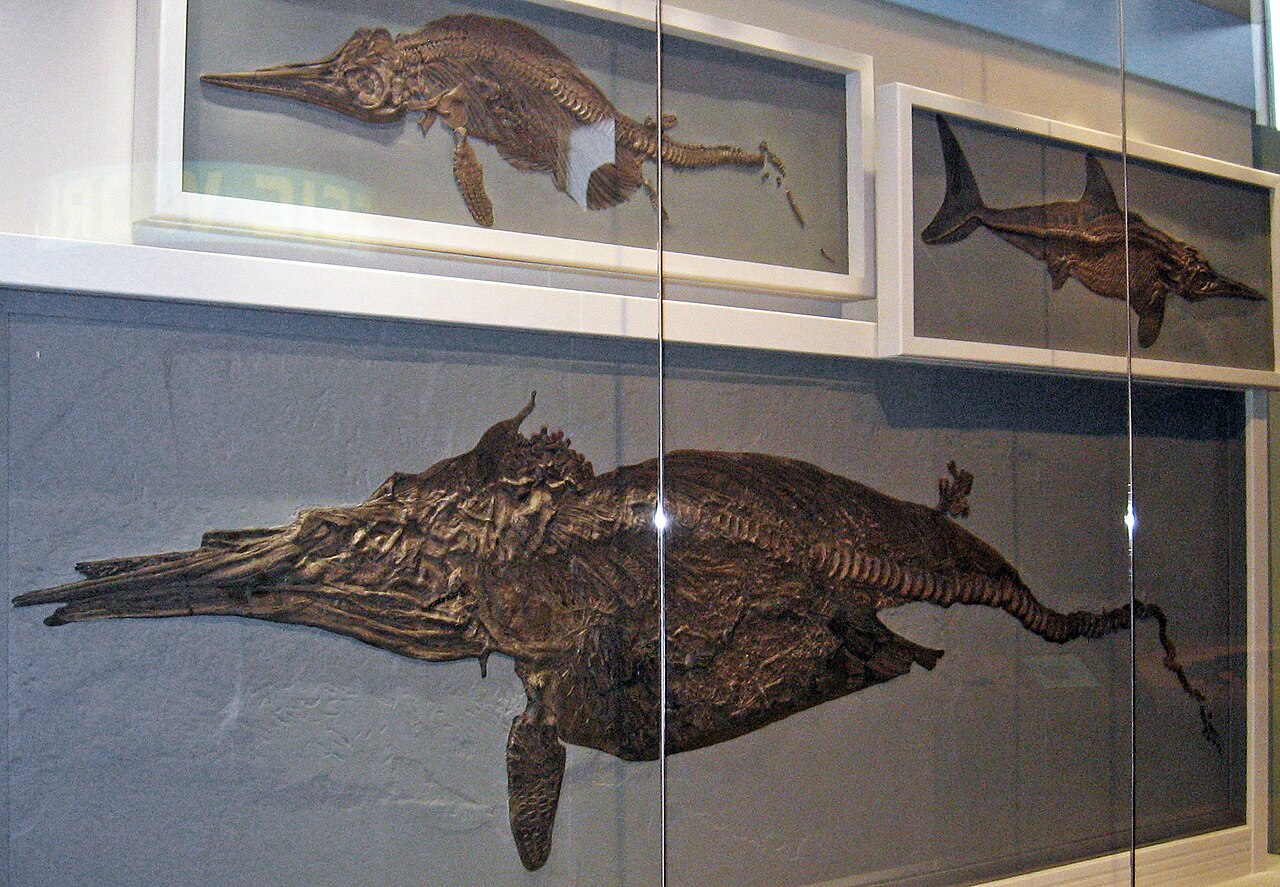 Europe
Germany ↗
Holzmaden
Older Amaltheenton mudstones and younger Posidonia Shale record successive Early Jurassic seas. Their contrast reveals how depositional conditions influence what survives of an ecosystem.
187 Ma → 182 Ma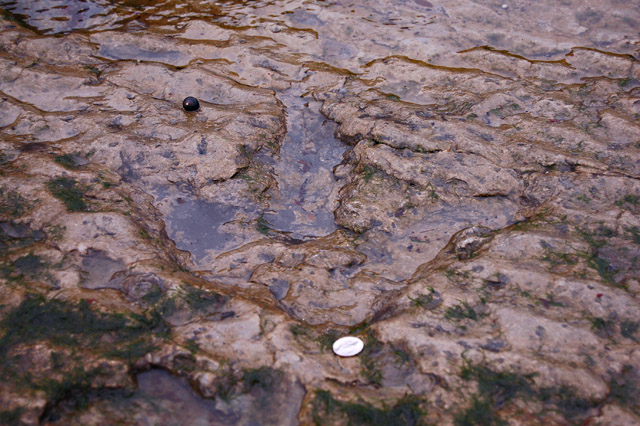 Europe
United Kingdom ↗
Isle of Skye
Middle Jurassic coastal rocks preserve repeated dinosaur track surfaces. Comparing older Brothers’ Point beds with younger formations reveals behaviour, shifting environments and the limits of identifying trackmakers.
170 Ma → 167 Ma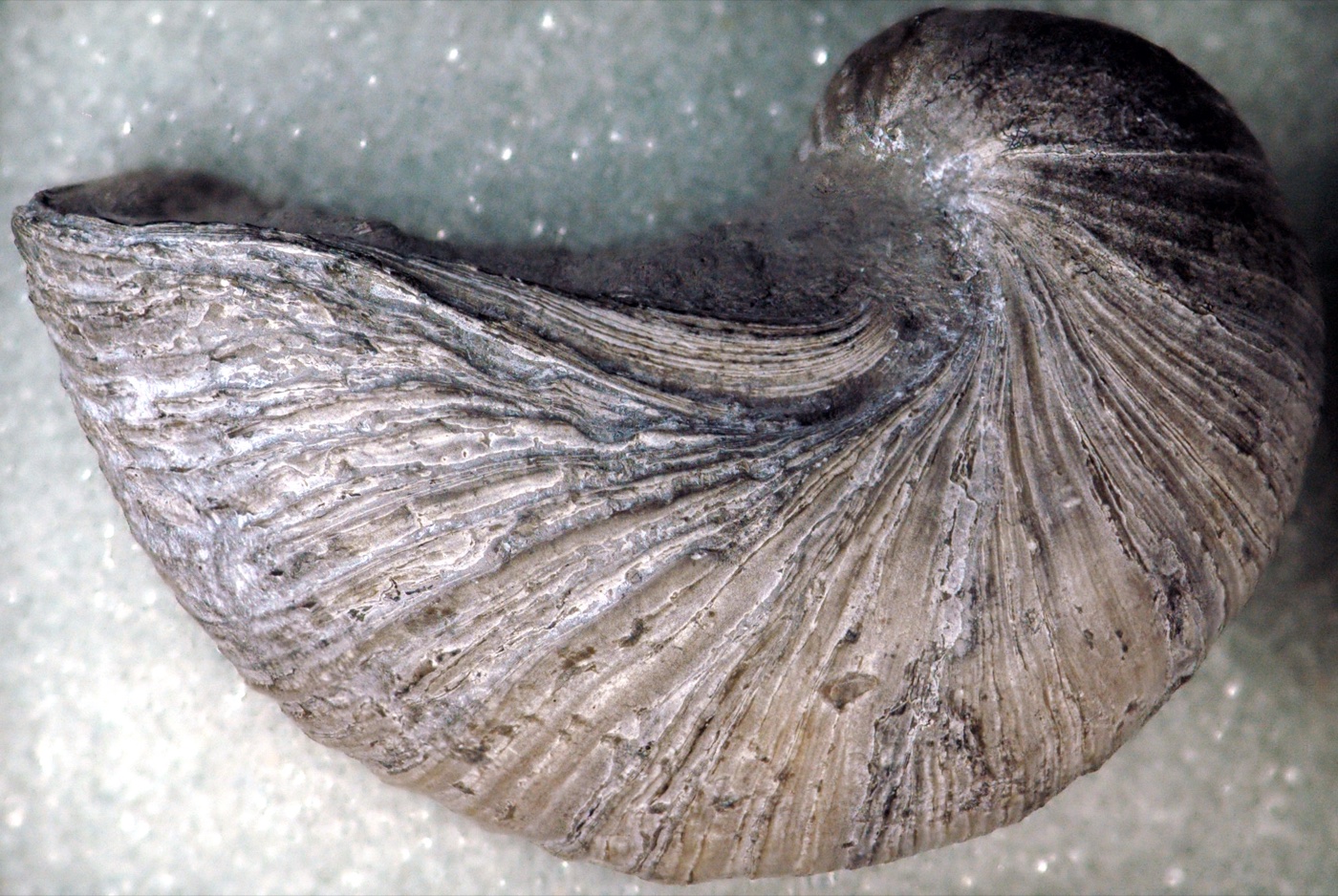 Europe
United Kingdom ↗
Lyme Regis & Pinhay Bay
The coastal succession near Lyme Regis connects latest Triassic marginal seas with Early Jurassic marine life. Rock layers, ammonites and fish help separate environmental change from the definition of a time boundary.
202 Ma → 199 Ma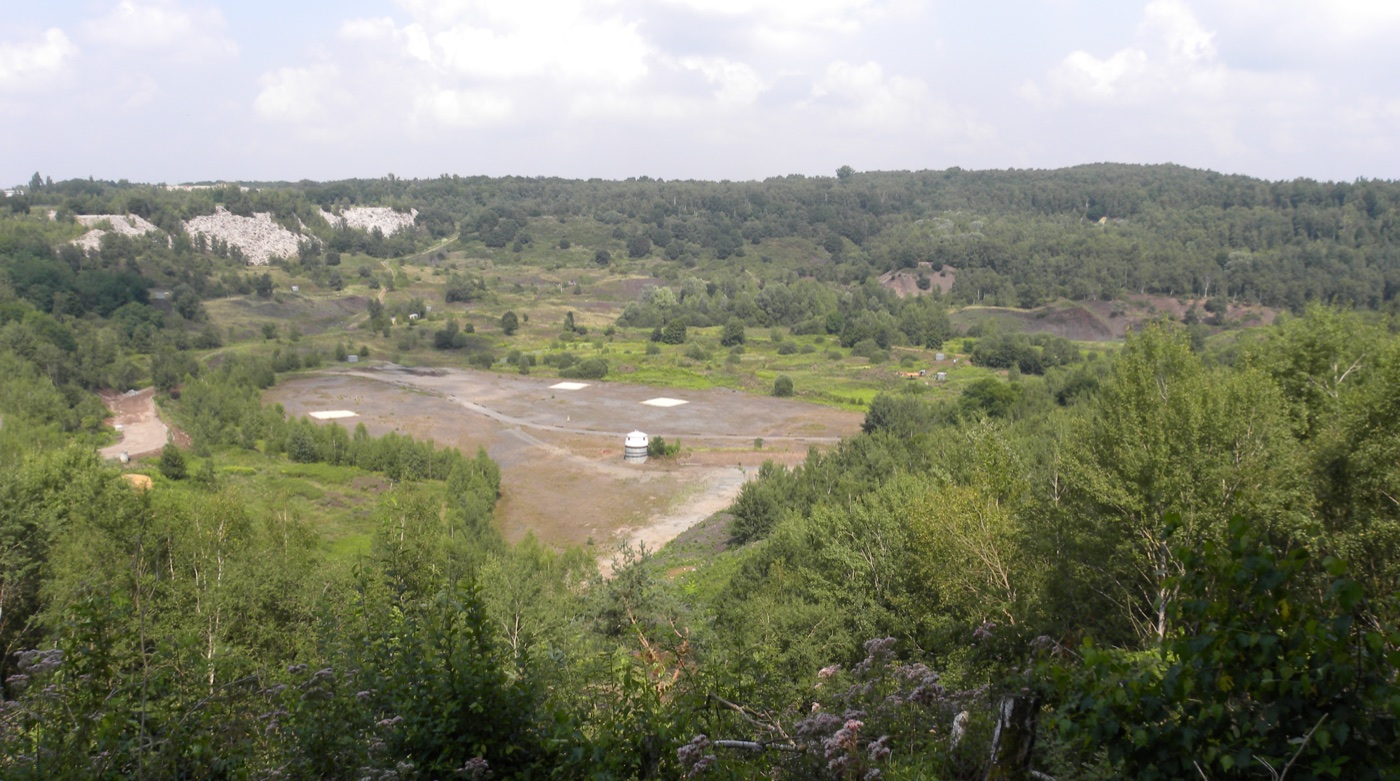 Europe
Germany ↗
Messel
Eocene lake mud captured remains from water, air and surrounding forest. Exceptional preservation makes Messel rich in detail, while the lake’s selective archive keeps the whole ecosystem partly out of reach.
48 Ma → Today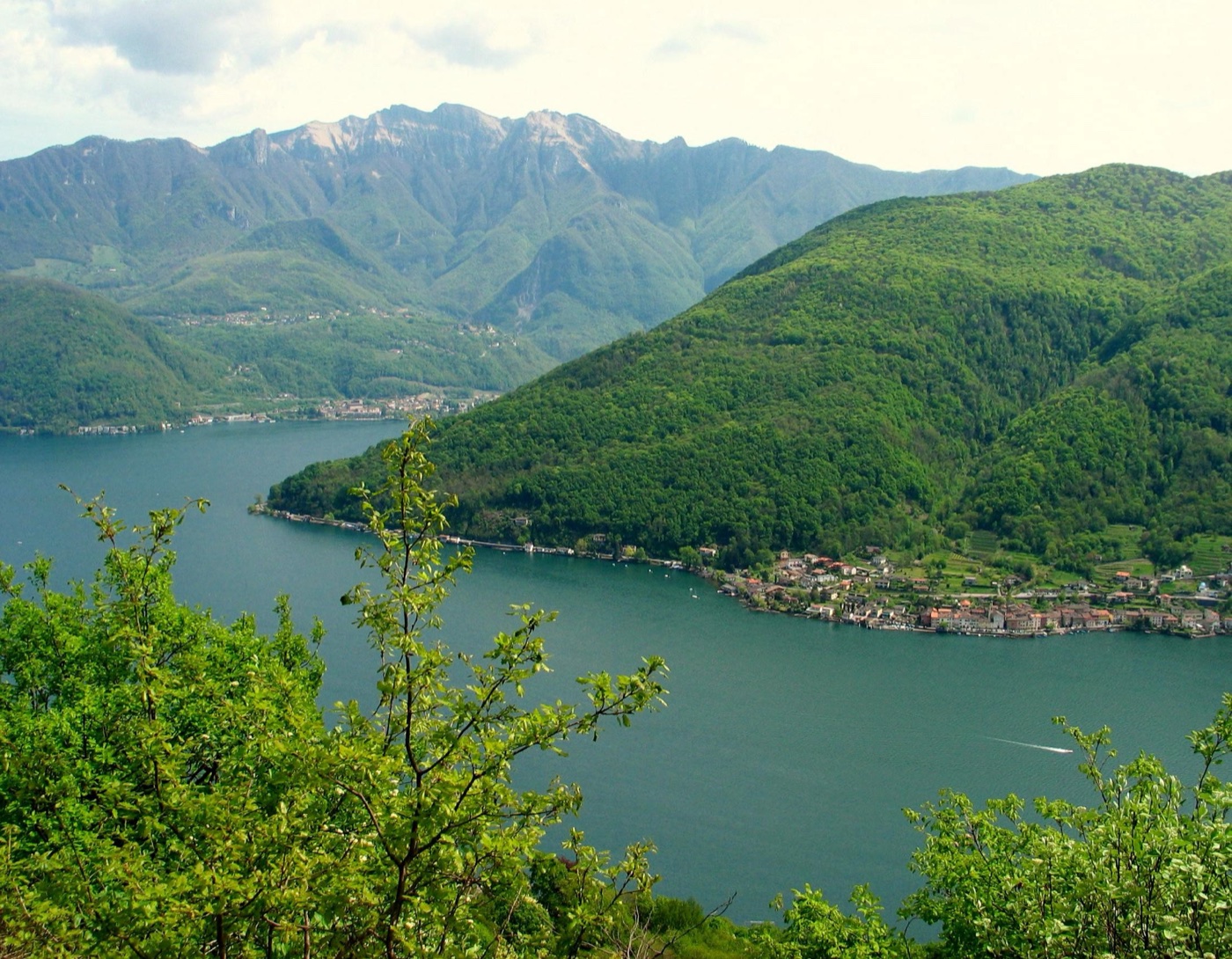 Europe
Switzerland / Italy ↗
Monte San Giorgio, Southern Alps
Middle Triassic marine sediments now form part of the Southern Alpine landscape. Fossils reveal a restricted basin, while the rocks’ present position records a much later geological history.
241 Ma → Today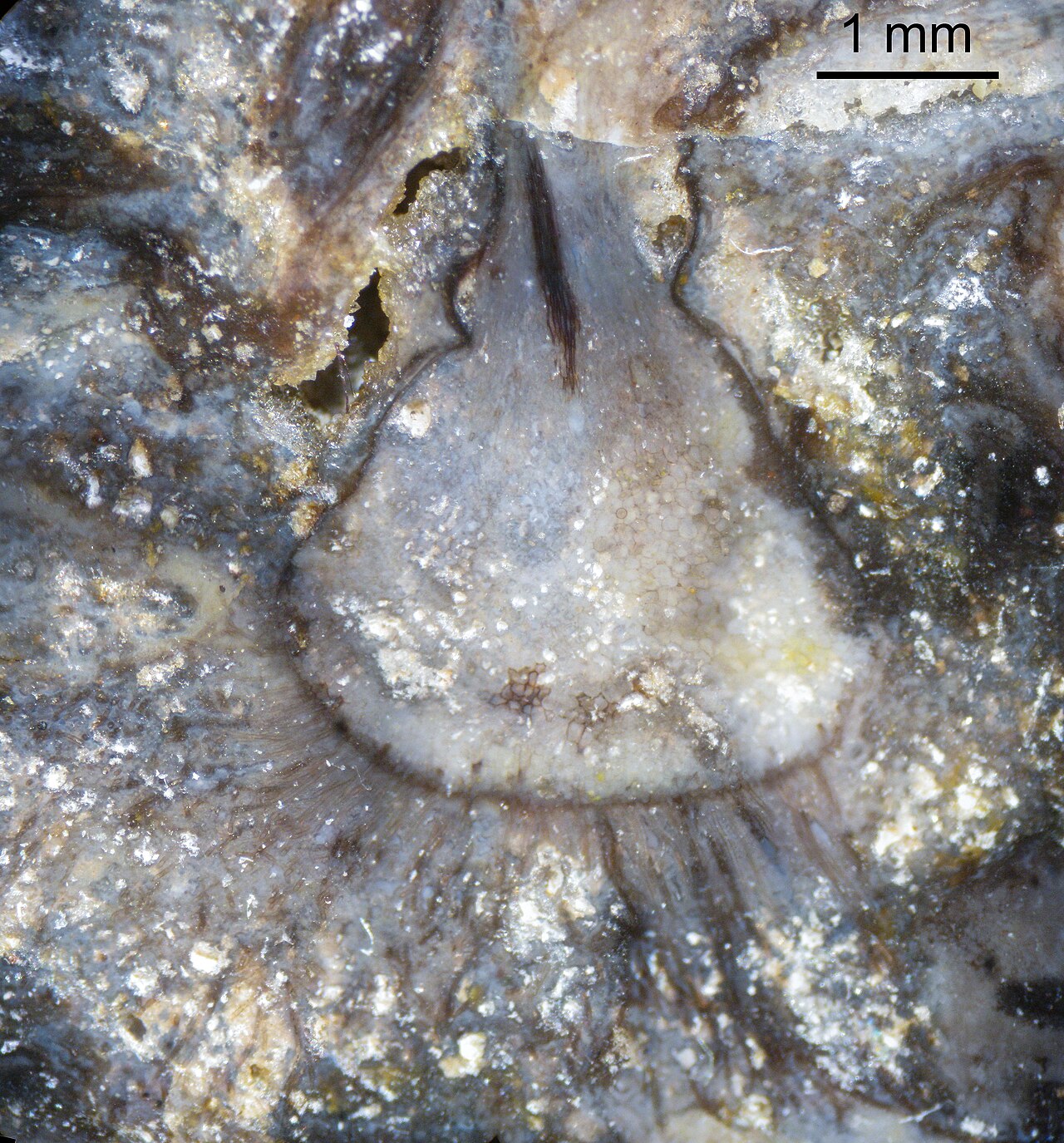 Europe
United Kingdom ↗
Rhynie Chert
Silica deposited in an Early Devonian hot-spring system preserved plants and other organisms in extraordinary detail. Modern sections through the chert reveal tissues, connections and preservation biases.
410 Ma → Today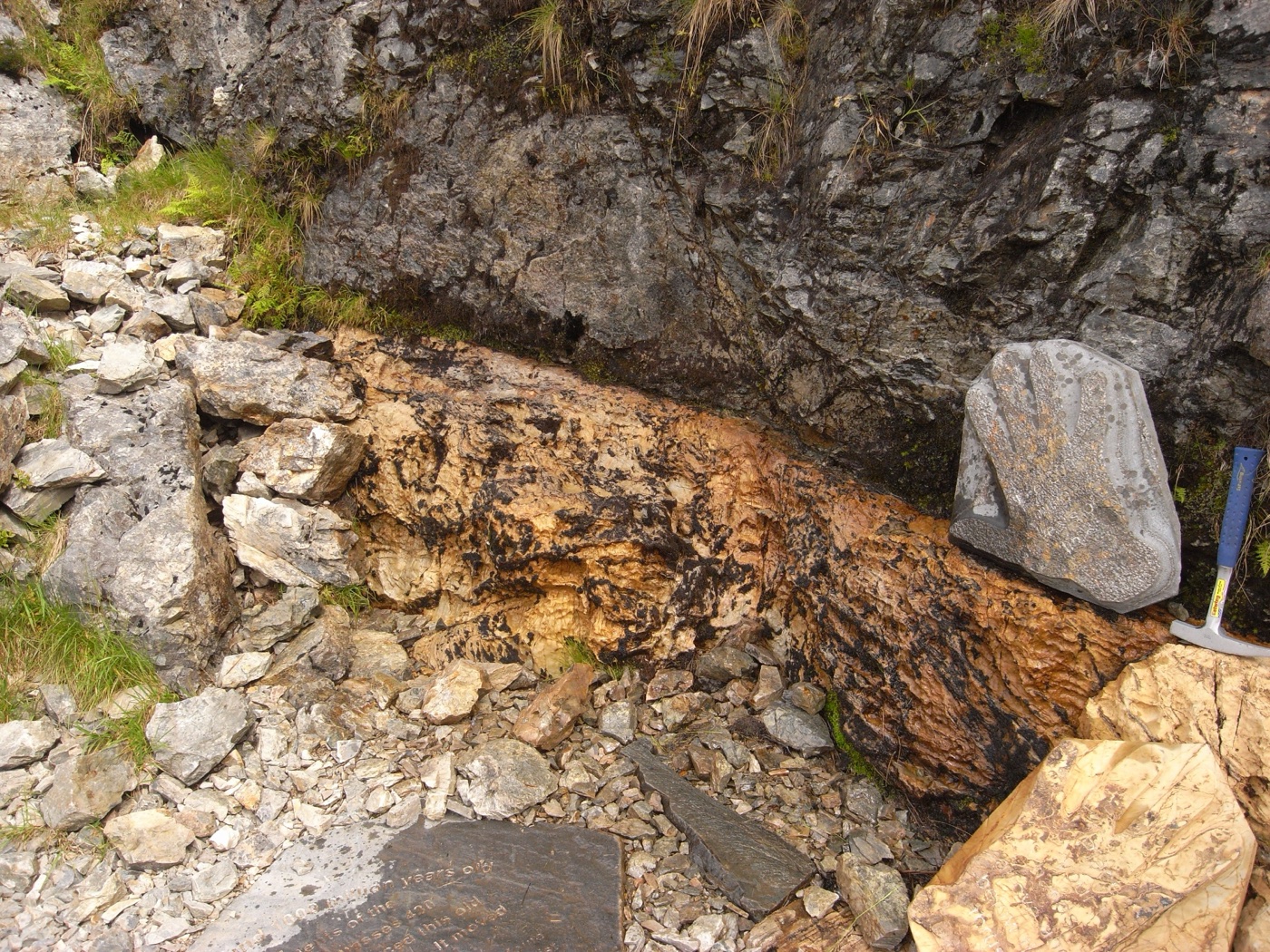 Europe
United Kingdom ↗
Scottish Highlands & Orcadian Basin
Caledonian structures record continental collision. Younger Devonian basins preserve the sediment and ecosystems of a landscape developing after that mountain-building episode.
430 Ma → 390 Ma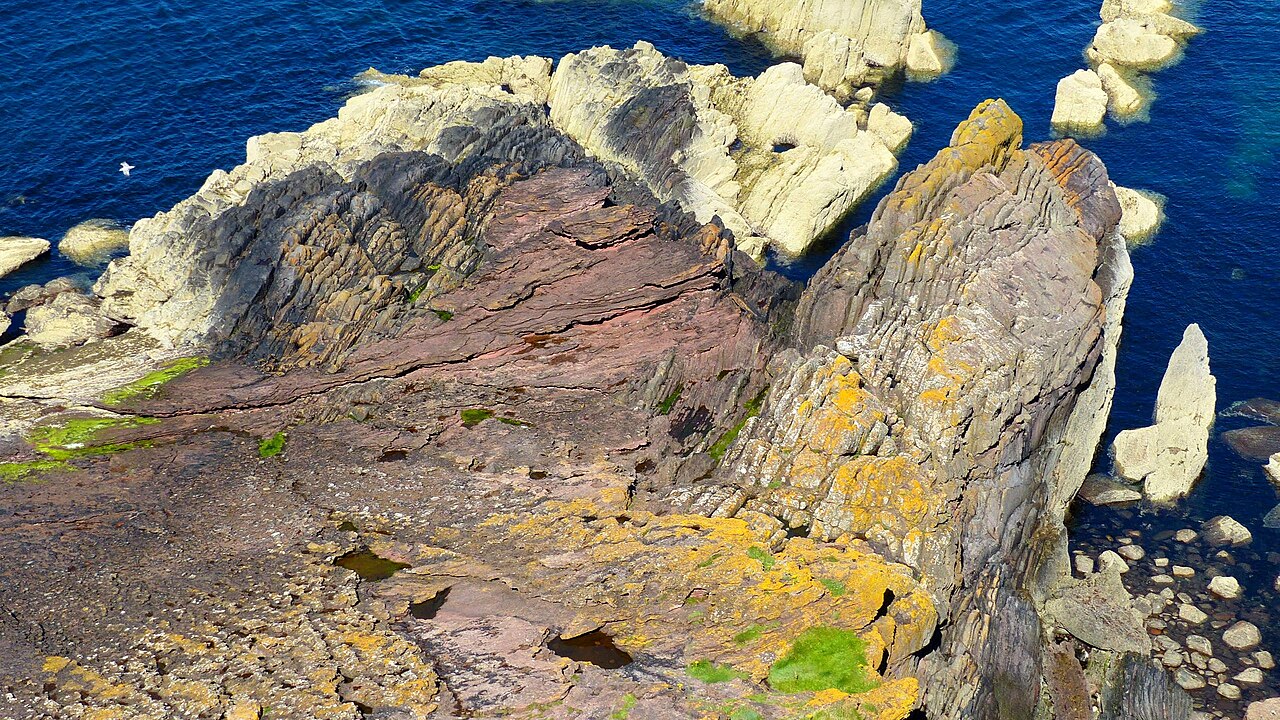 Europe
United Kingdom ↗
Siccar Point
An angular unconformity joins early Silurian marine strata to much younger Devonian red beds. Their geometry reveals a sequence of deposition, deformation, erosion and renewed burial.
435 Ma → 365 Ma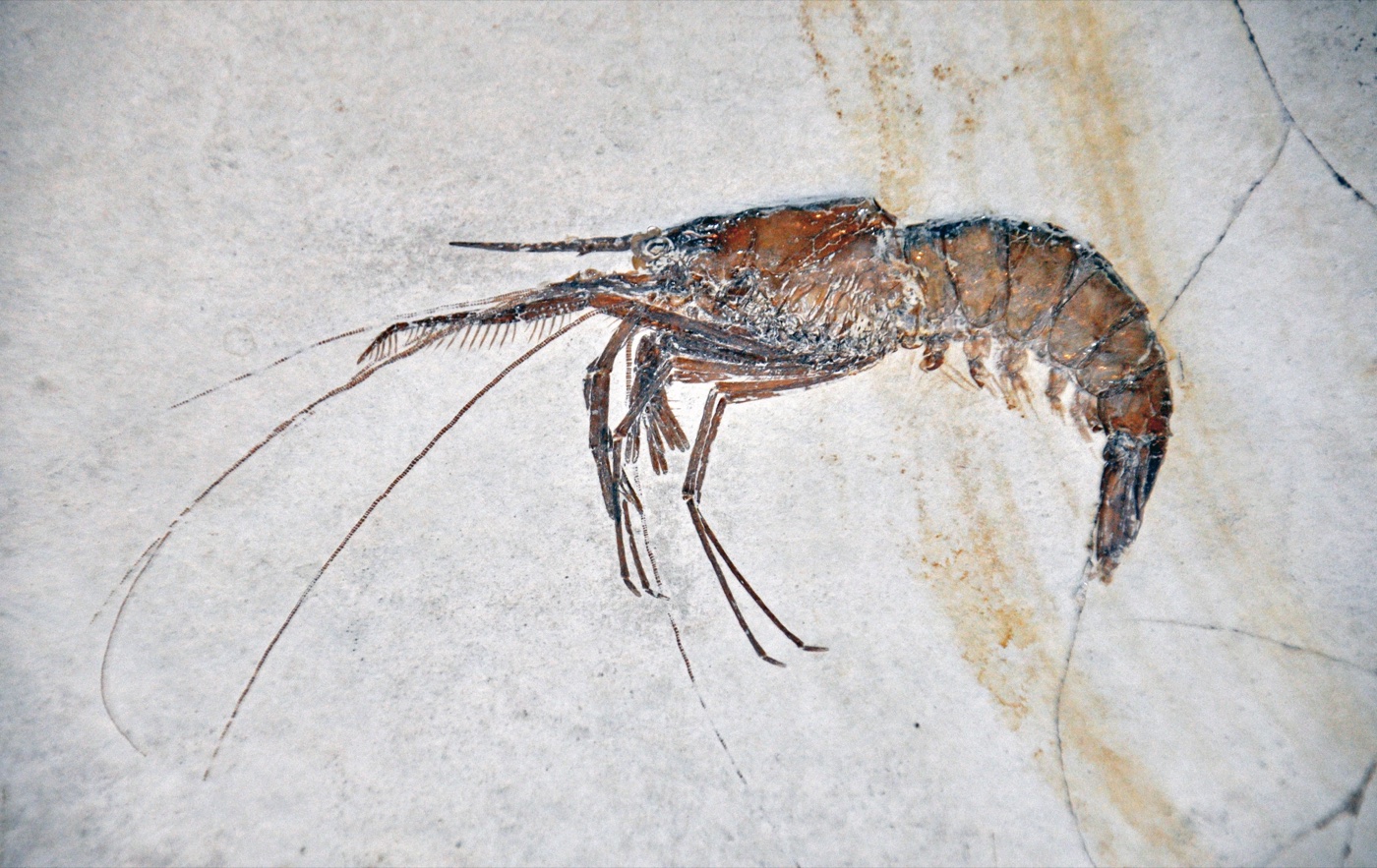 Europe
Germany ↗
Solnhofen–Eichstätt
Fine Jurassic limestone preserves feathered dinosaurs, marine animals and traces of movement. Their shared burial place need not mean a shared habitat or a single cause of death.
150 Ma → Today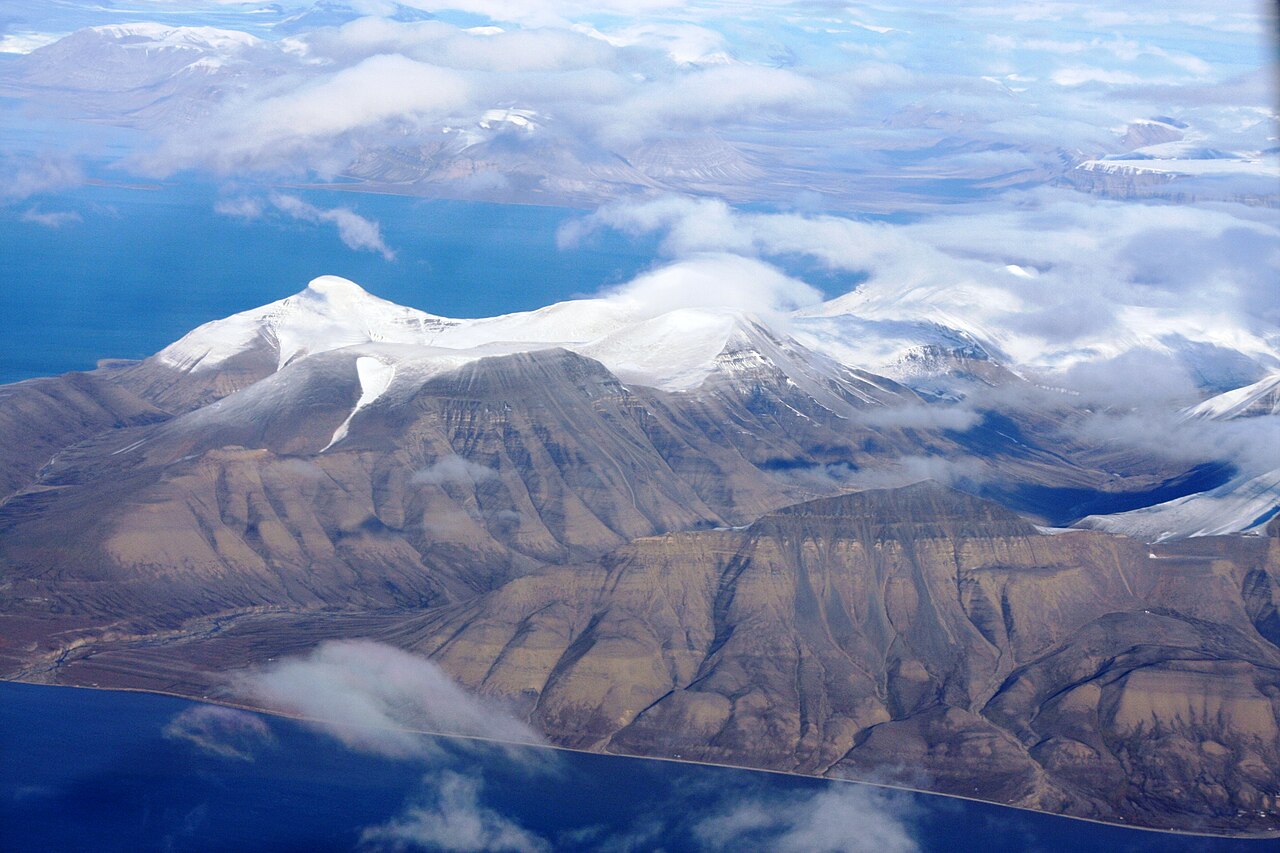 Europe
Norway ↗
Svalbard
Early Triassic ichthyopterygian remains and much younger Jurassic marine reptile assemblages reveal separate chapters of ocean life. Their modern high-latitude exposures are not evidence of identical ancient climates.
250 Ma → 147 MaNorth America
 North America
United States ↗
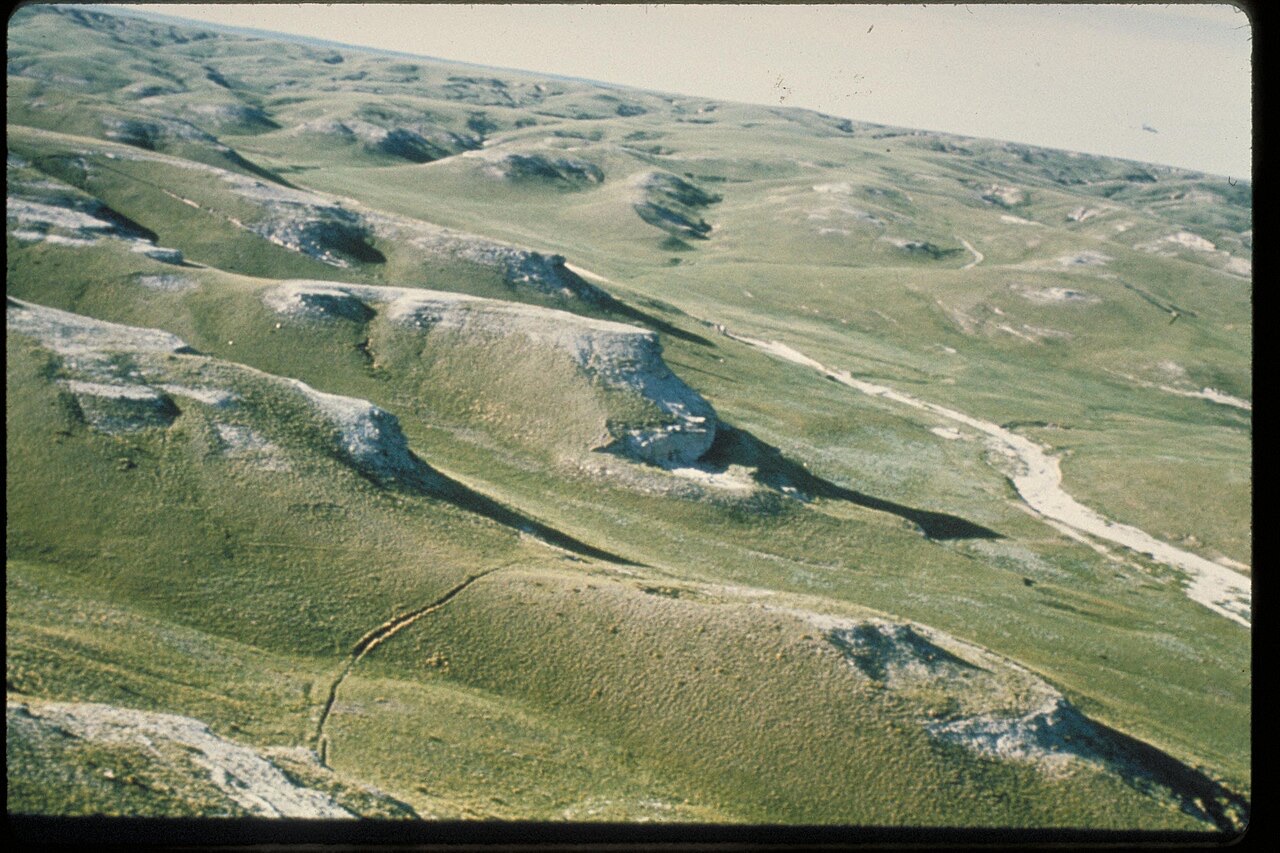
Agate Fossil Beds
Early Miocene burrows and younger waterhole bonebeds reveal different aspects of life on the Great Plains.
22.5 Ma → 19.2 Ma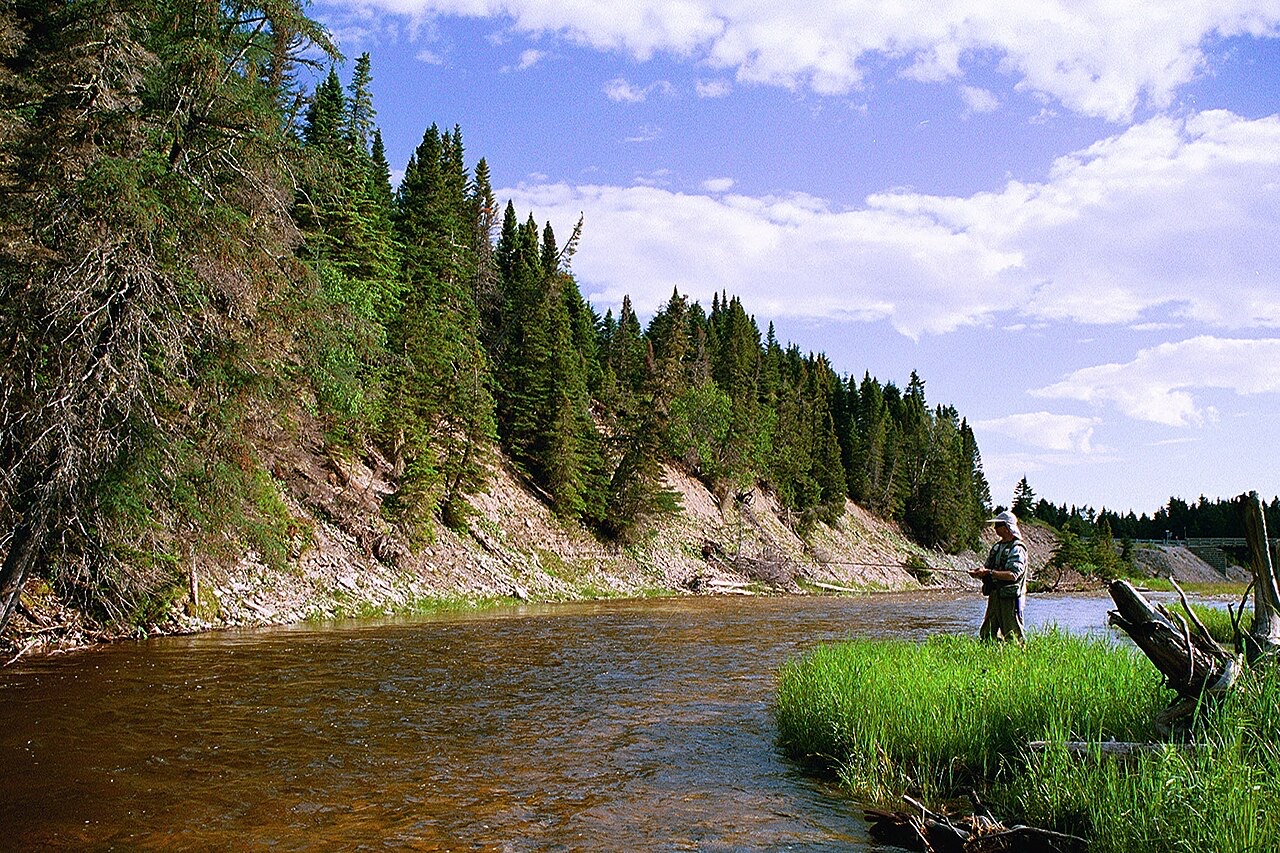 North America
Canada ↗
Anticosti
Anticosti preserves an unusually extensive marine record across the end-Ordovician crisis. Shell communities, carbonate beds and isotope measurements reveal environmental disturbance and a changing Silurian recovery.
444.5 Ma → 442 Ma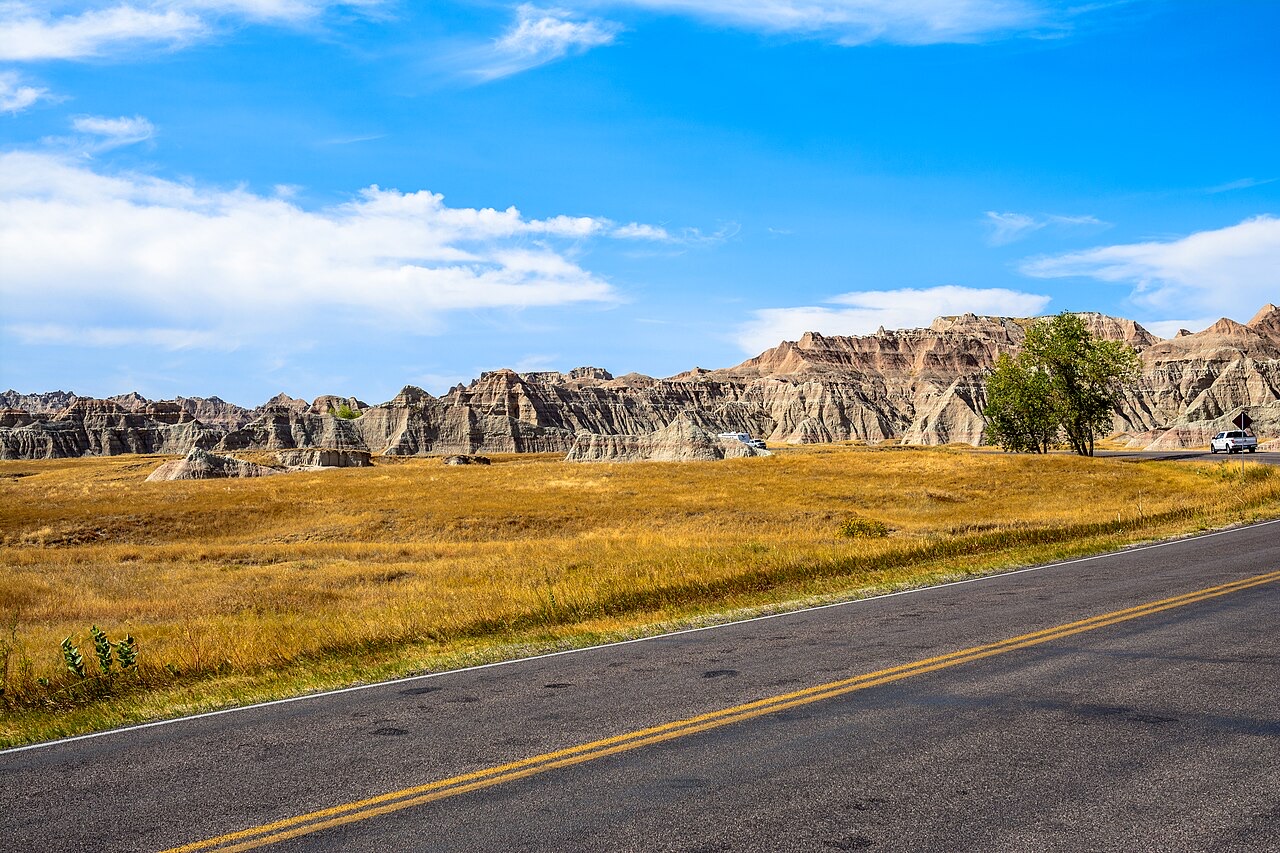 North America
United States ↗
Badlands, South Dakota
Marine shale and younger mammal-bearing floodplain deposits record different worlds beneath the sharp ridges of today.
72 Ma → 32 Ma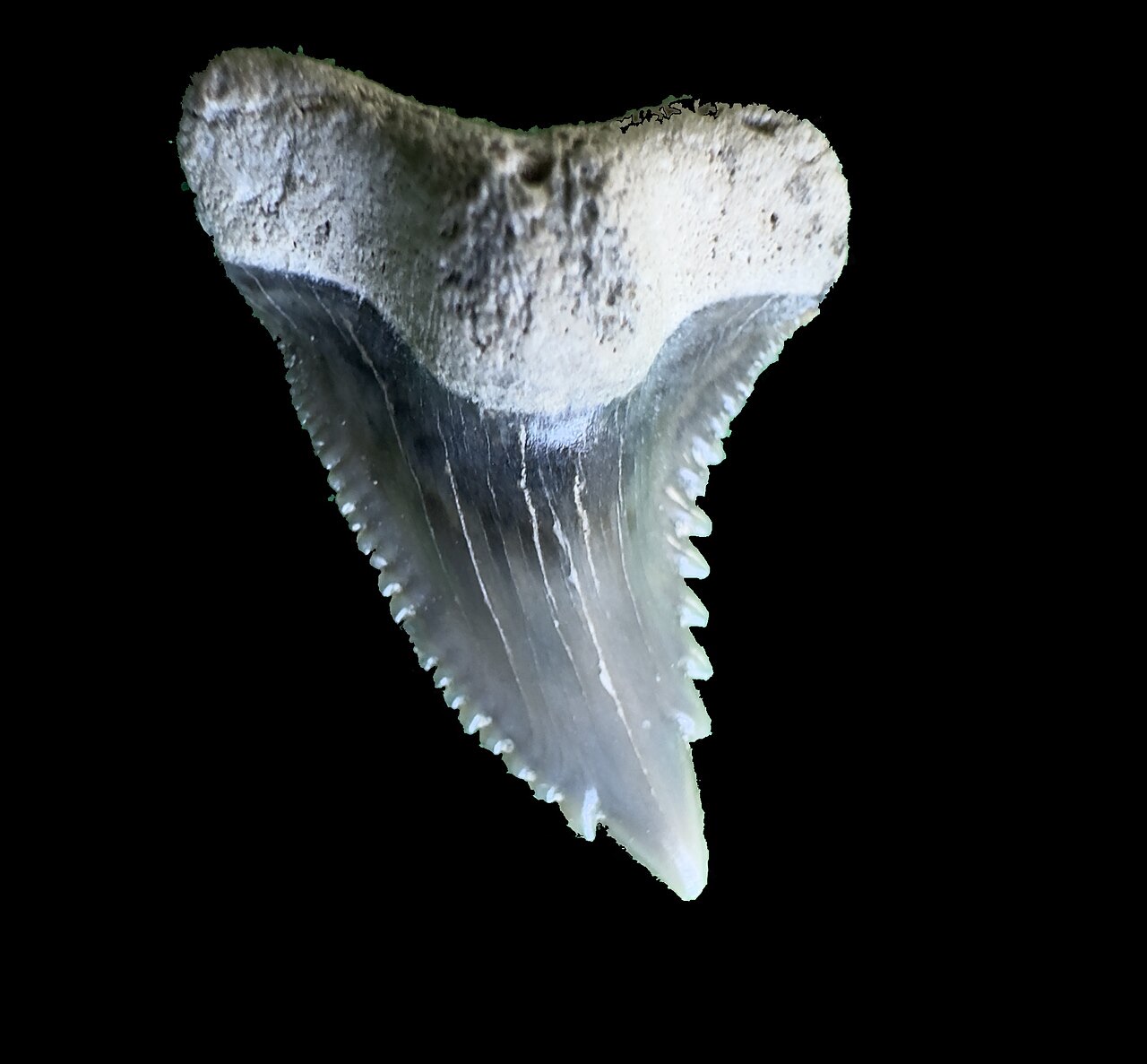 North America
United States ↗
Bone Valley and the Peace River
Florida’s phosphate district and Peace River preserve rich vertebrate records whose value depends on recognizing transport and reworking.
4.75 Ma → 0.015 Ma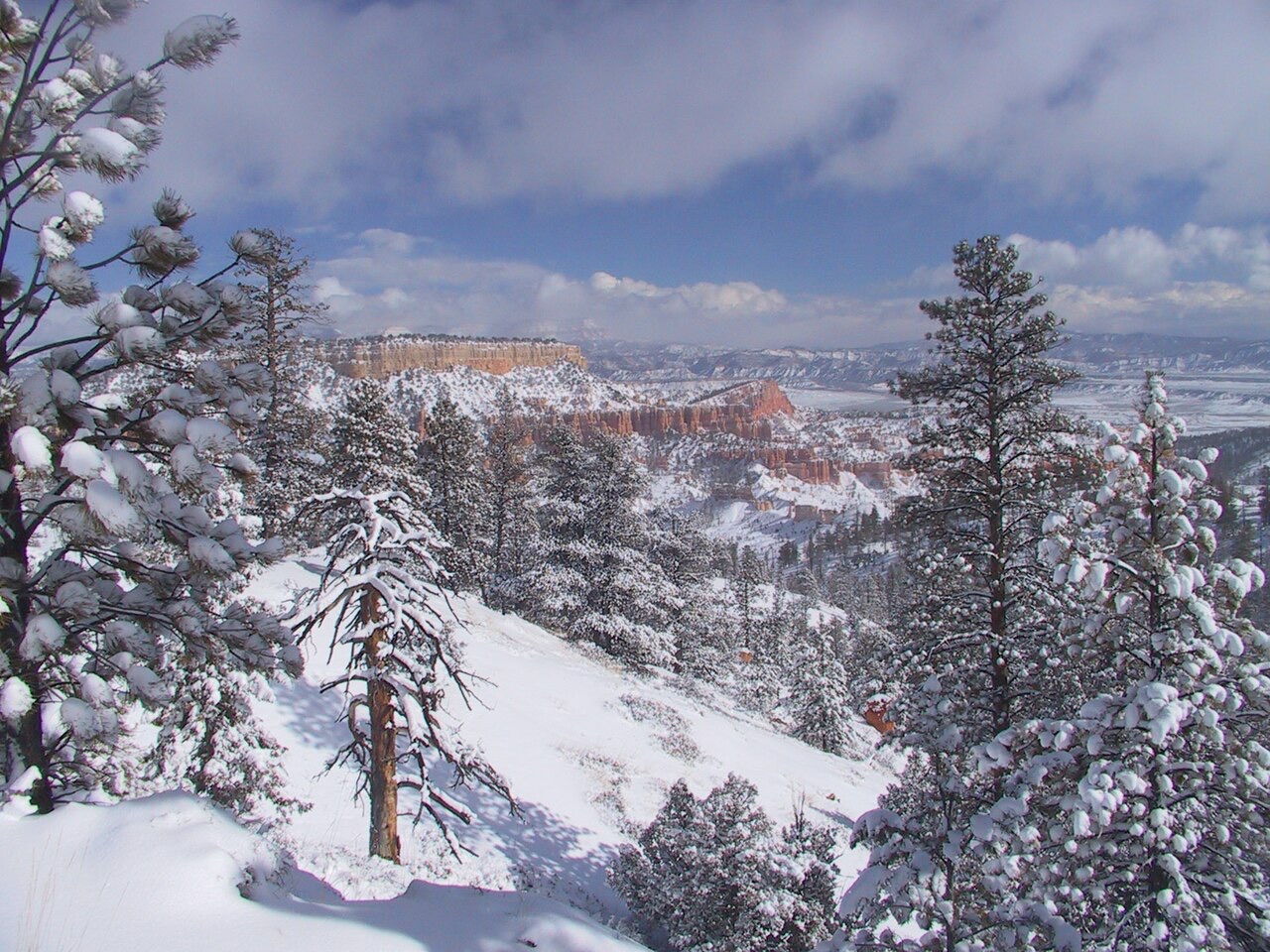 North America
United States ↗
Bryce Canyon
Bryce’s wider rock record connects a Cretaceous sea with younger lakes and floodplains, long before erosion produced its hoodoos.
90 Ma → 50 Ma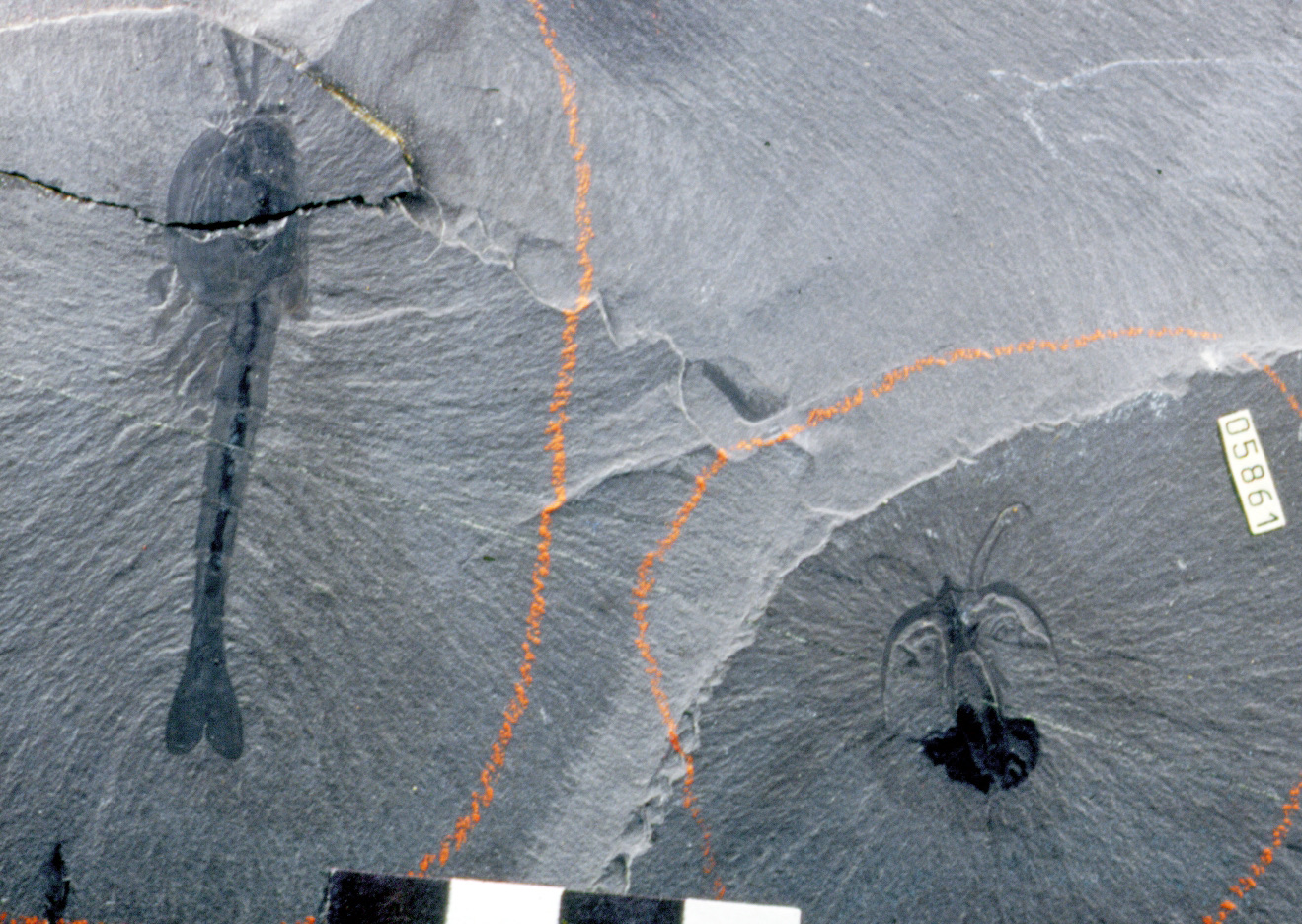 North America
Canada ↗
Burgess Shale
Cambrian mud preserved animals that most fossil sites lose. Today those thin traces are exposed high in the Canadian Rockies, connecting the history of life with the later history of a mountain belt.
508 Ma → Today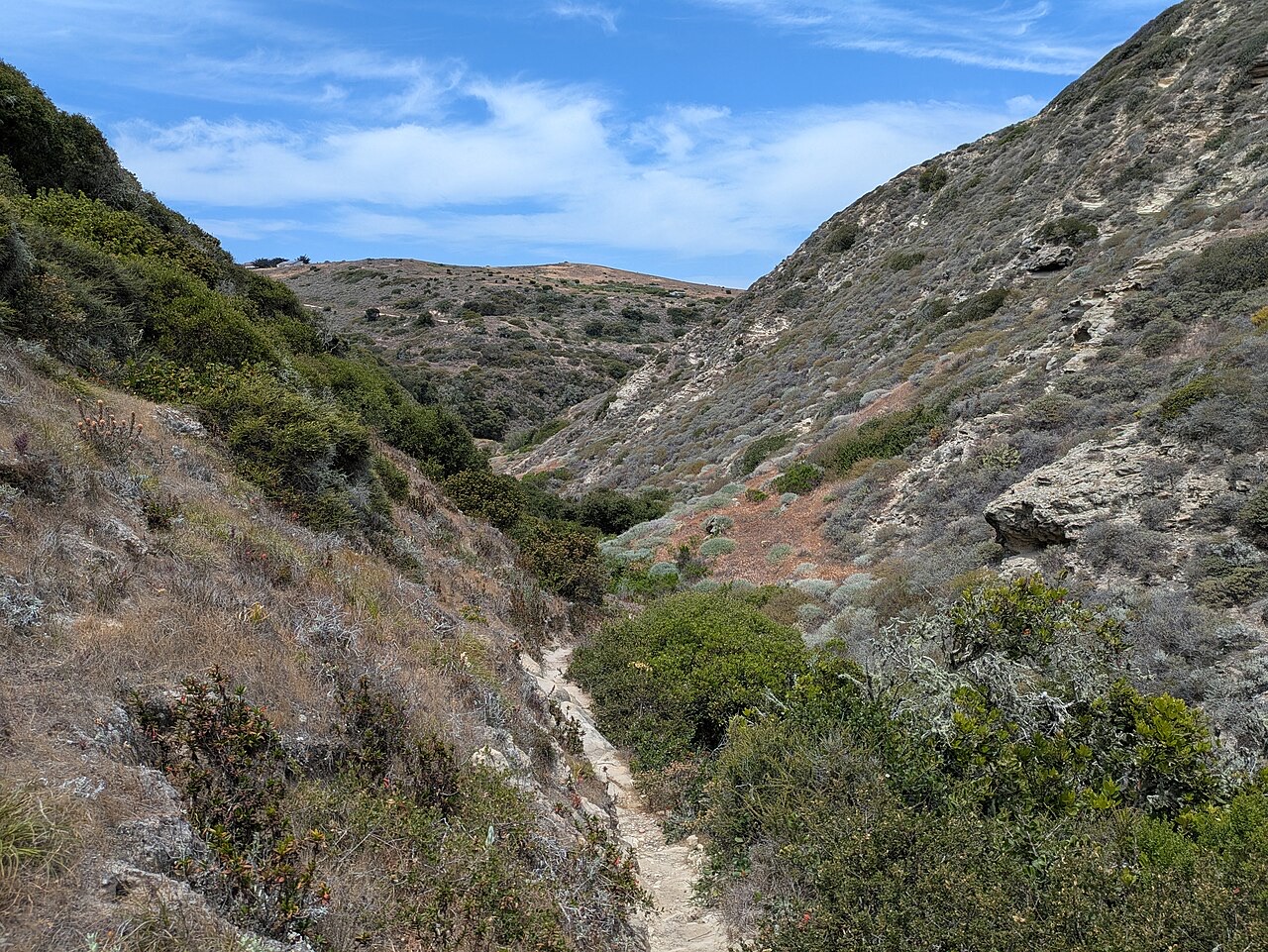 North America
United States ↗
California Channel Islands
Santa Rosa’s marine fossil record and the later island of Santarosae connect tectonic movement with changing sea level and isolation.
22.5 Ma → 0.02 Ma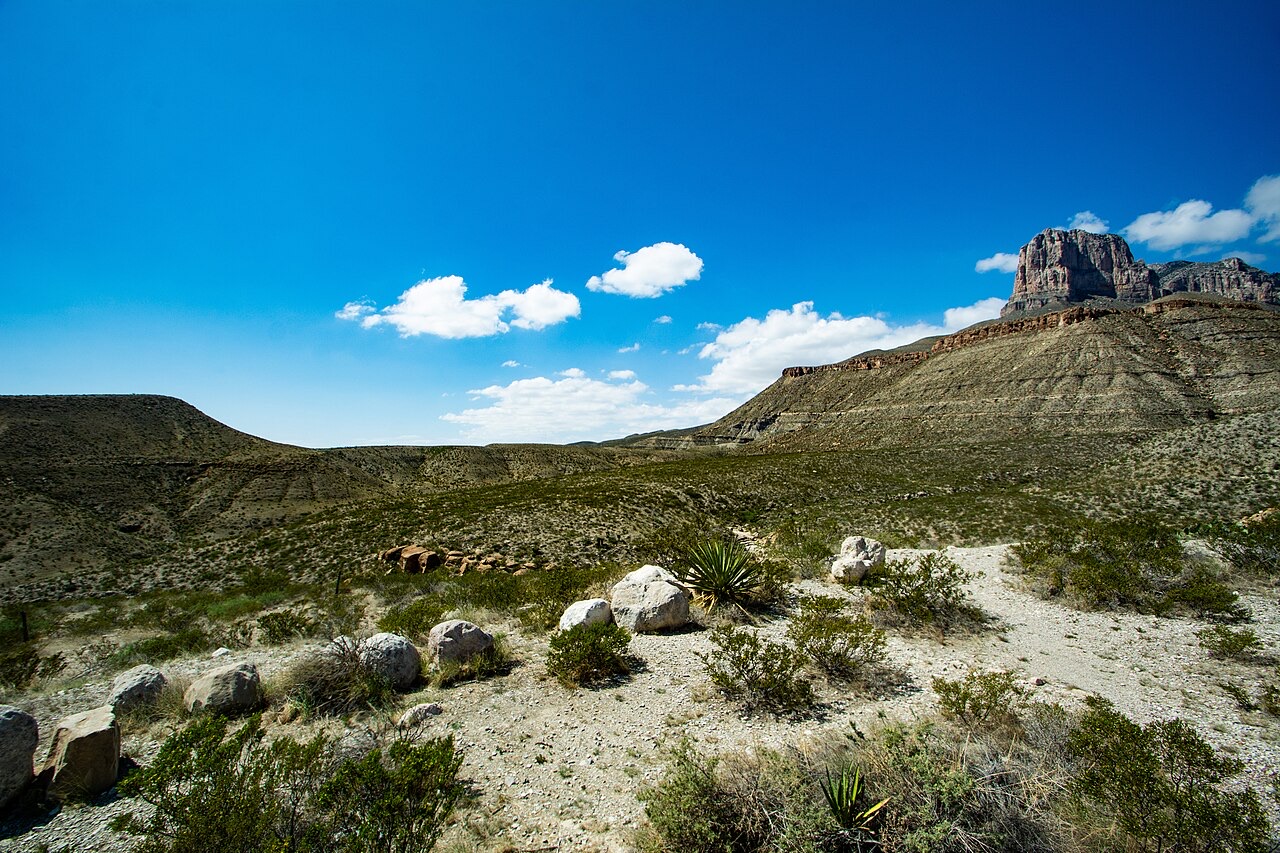 North America
United States ↗
Capitan Reef and Carlsbad
The Guadalupe Mountains expose an ancient reef complex; much younger sulfuric-acid dissolution enlarged caves within its limestone.
262 Ma → 5 Ma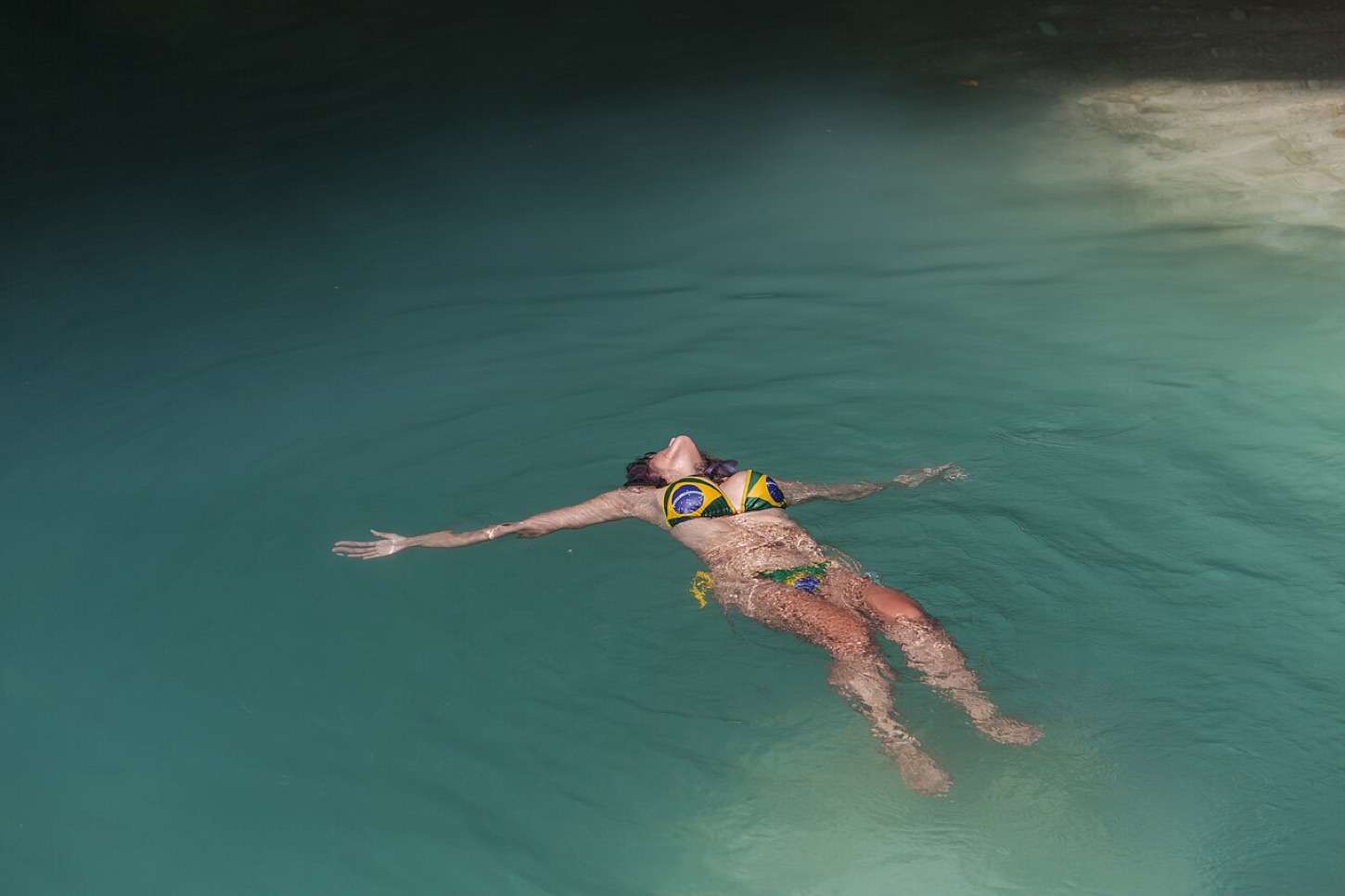 North America
Mexico ↗
Chicxulub and northern Yucatán
Drill cores from Chicxulub preserve the impact’s first day and the far slower return of marine communities.
66 Ma → 65.97 Ma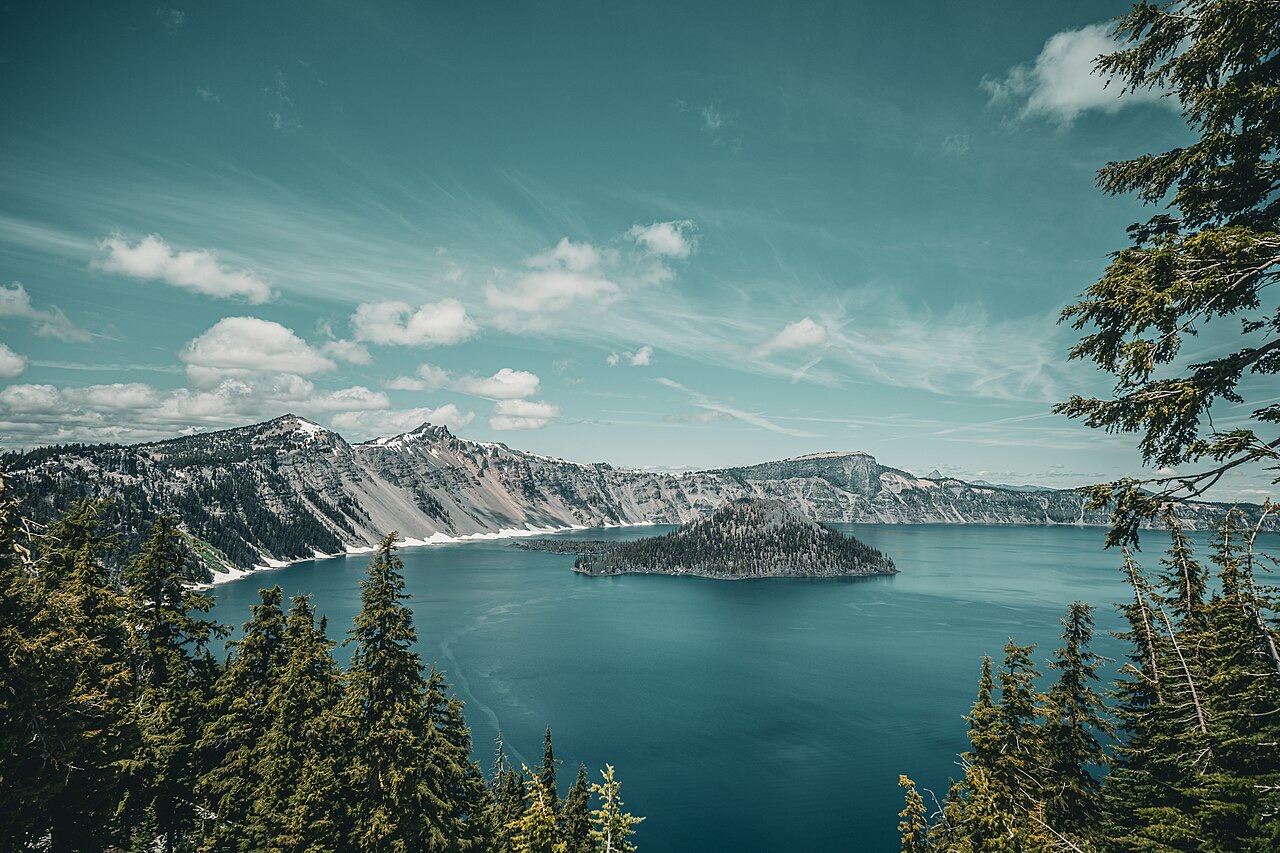 North America
United States ↗
Crater Lake
Mount Mazama’s eruption and collapse about 7,700 years ago formed a basin that filled with water while younger volcanoes grew inside it.
0.0077 Ma → 0.007 Ma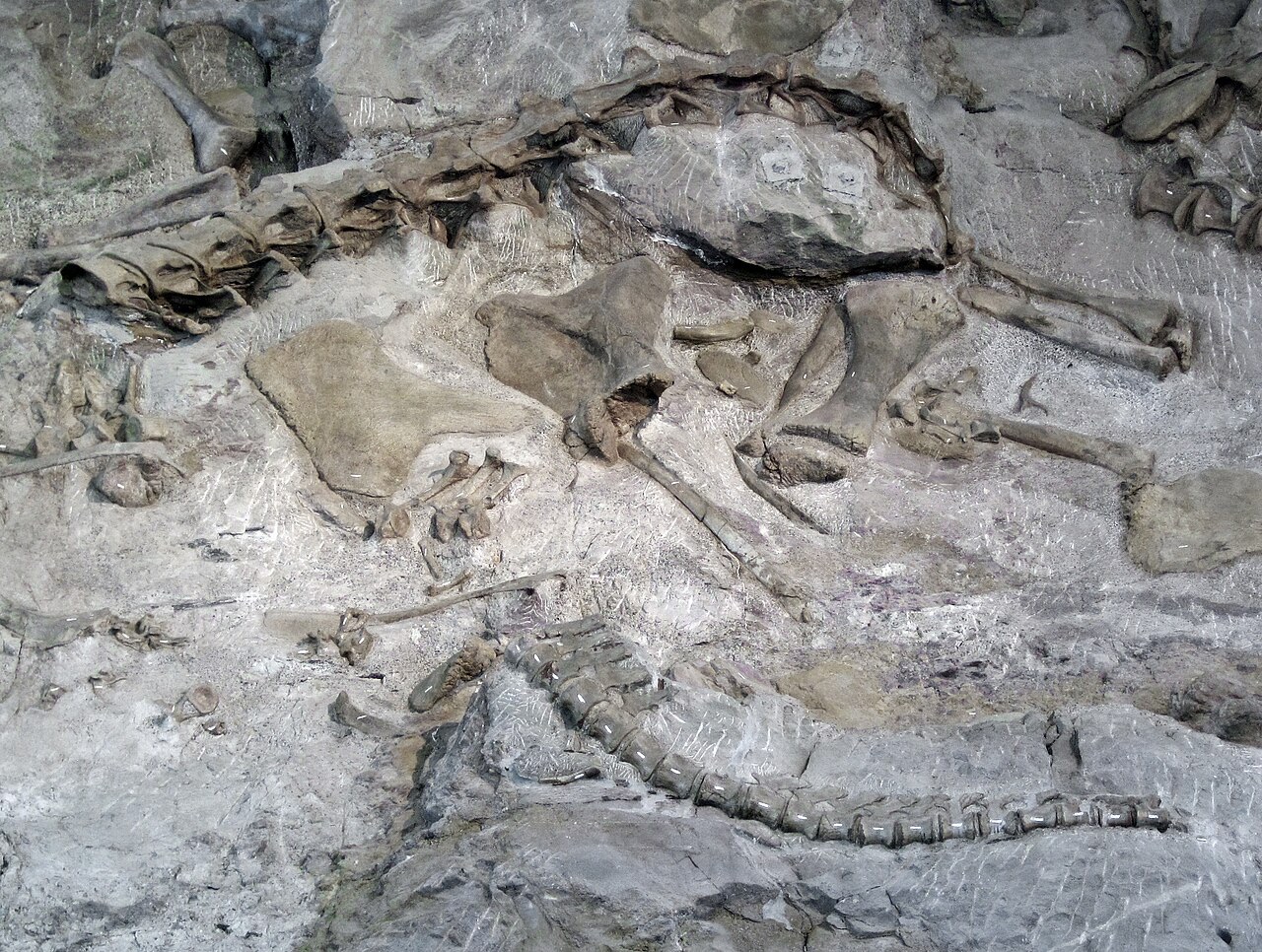 North America
United States ↗
Dinosaur National Monument
The monument preserves more than the Morrison dinosaur quarry. Older Nugget Sandstone records animals crossing desert dunes; younger river deposits preserve bones, wood and evidence of a different ecosystem.
200 Ma → 151 Ma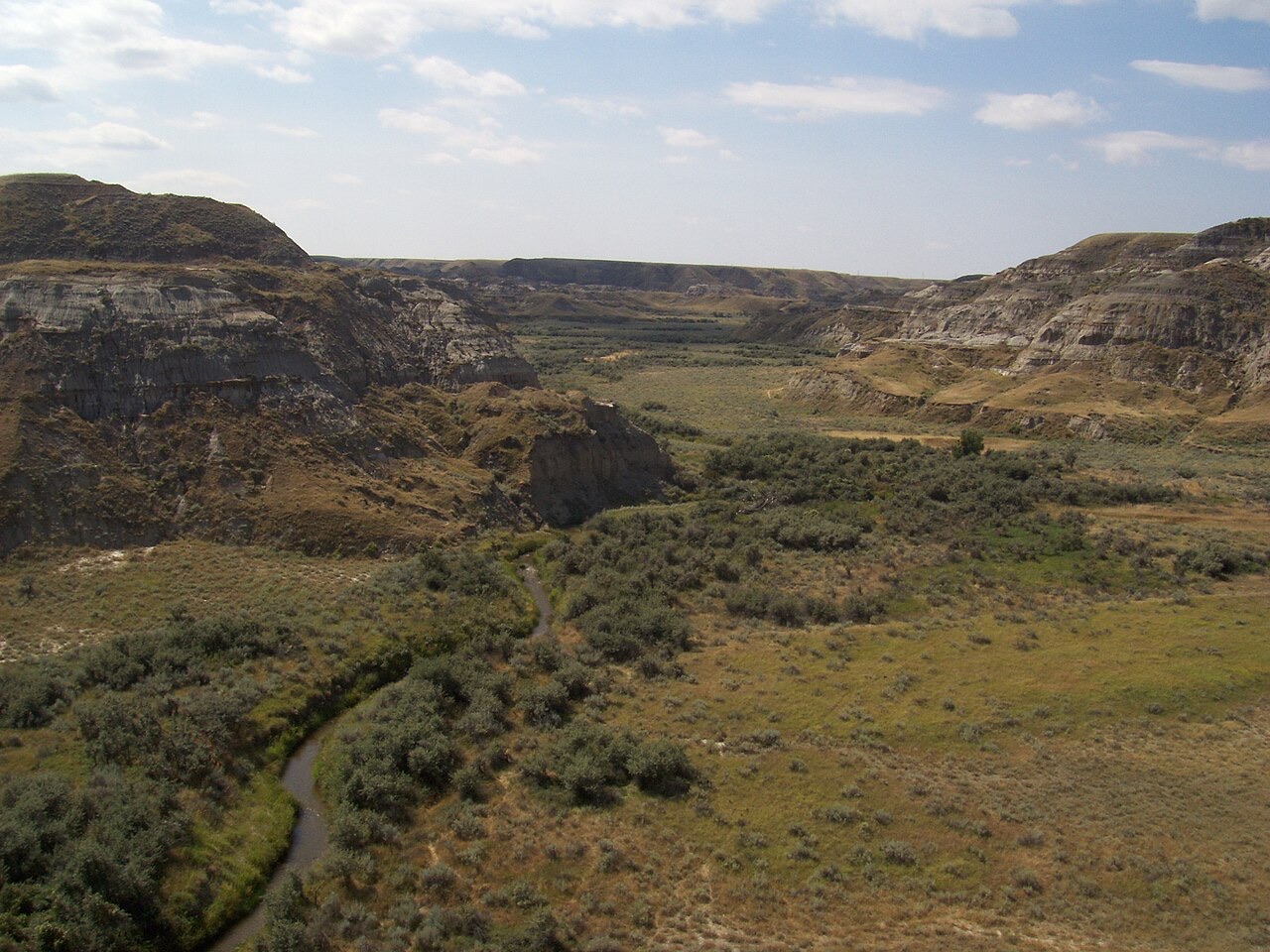 North America
Canada ↗
Dinosaur Provincial Park
Cretaceous river deposits preserved dinosaurs; much younger meltwater erosion opened the valley in which those rocks are studied.
75 Ma → 0.014 Ma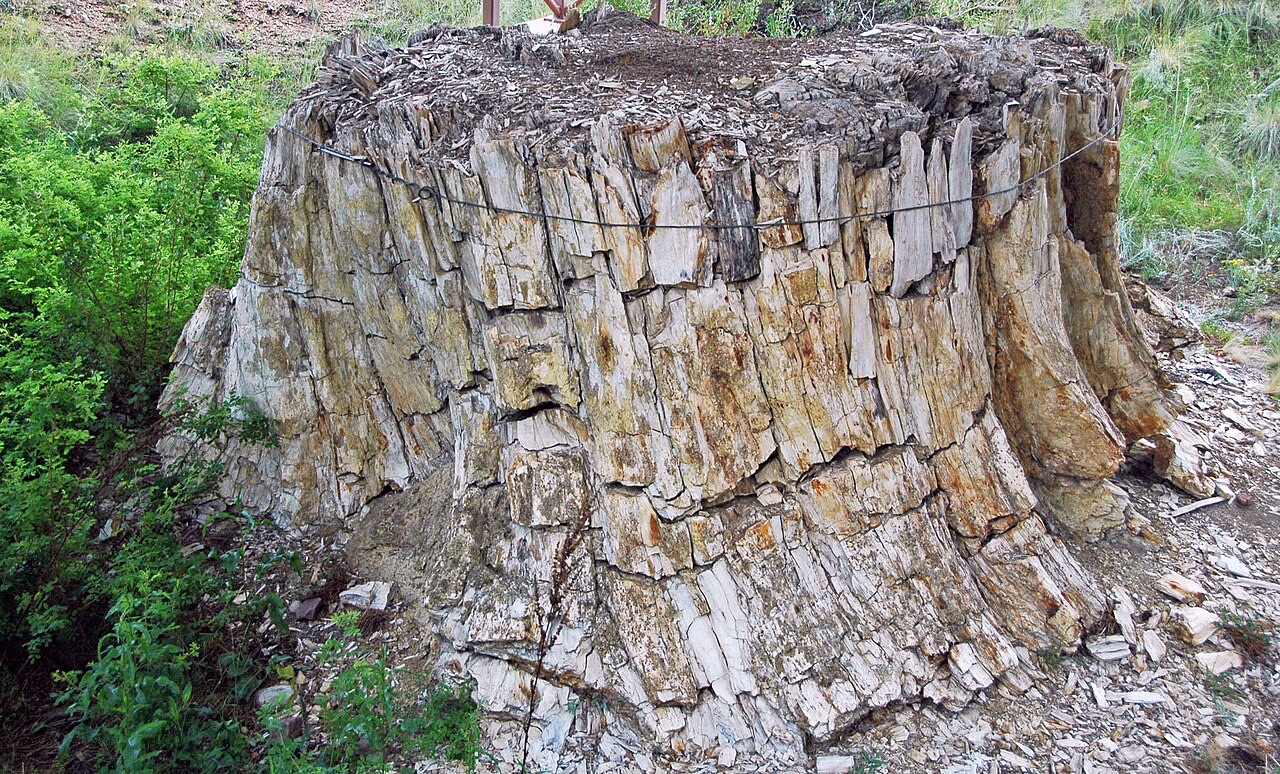 North America
United States ↗
Florissant
Florissant juxtaposes an Eocene lake and buried redwoods with much younger gravel containing mammoth remains.
34.5 Ma → 0.04993 Ma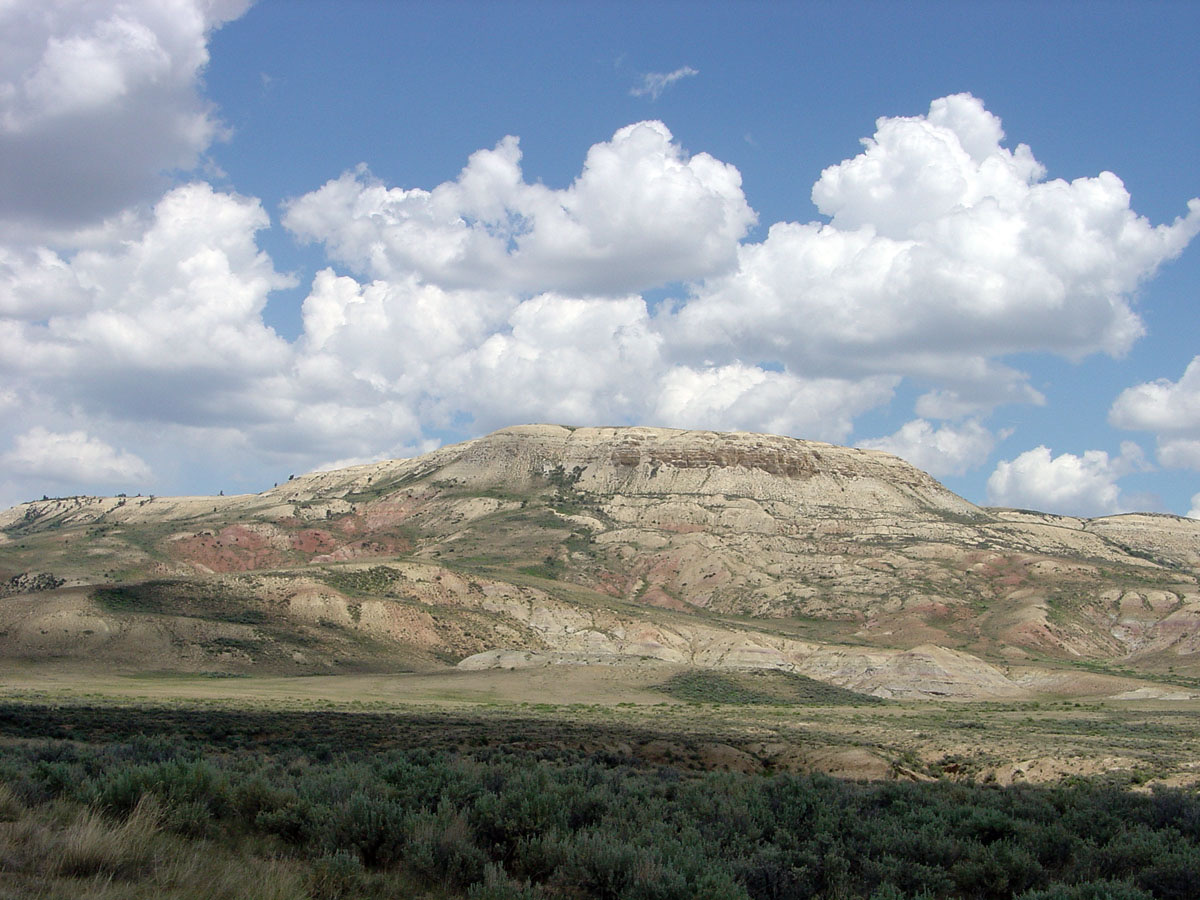 North America
United States ↗
Fossil Lake, Wyoming
The Green River Formation records several Eocene lakes. At Fossil Lake, an expanding lake and its later shrinking, saltier stage left different sediments and different opportunities for preservation.
52 Ma → 51 Ma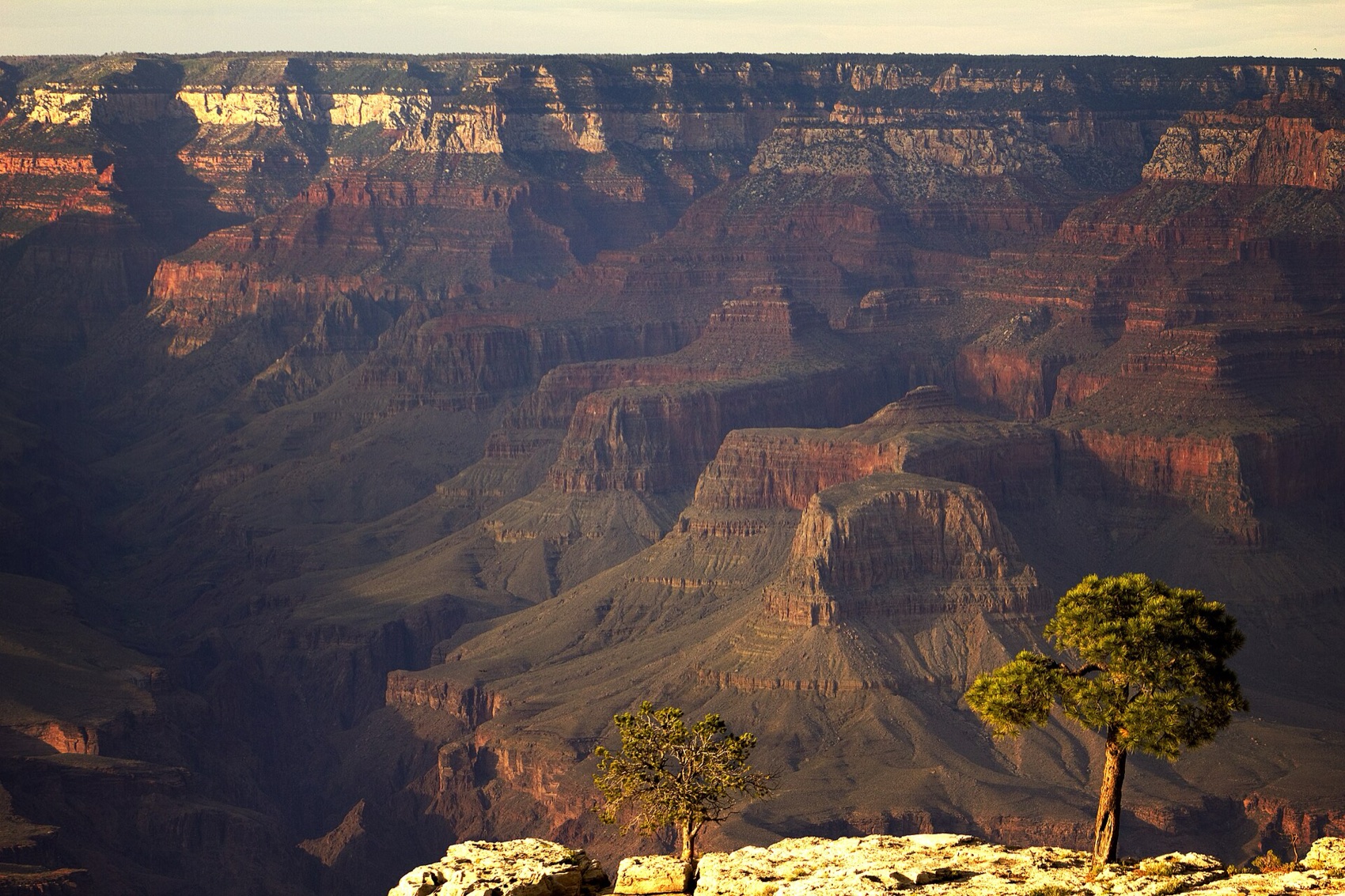 North America
United States ↗
Grand Canyon
The canyon exposes older environments stacked in rock. Cambrian marine deposits and Permian dune sand record different chapters; the much younger canyon is the window through which we read them.
508 Ma → 275 Ma North America
United States ↗
Hell Creek & the Williston Basin
Floodplain fossils on either side of the end-Cretaceous boundary reveal major biological turnover. Pollen and leaves help place the change in time, alongside the more conspicuous dinosaur bones.
67 Ma → 65.5 Ma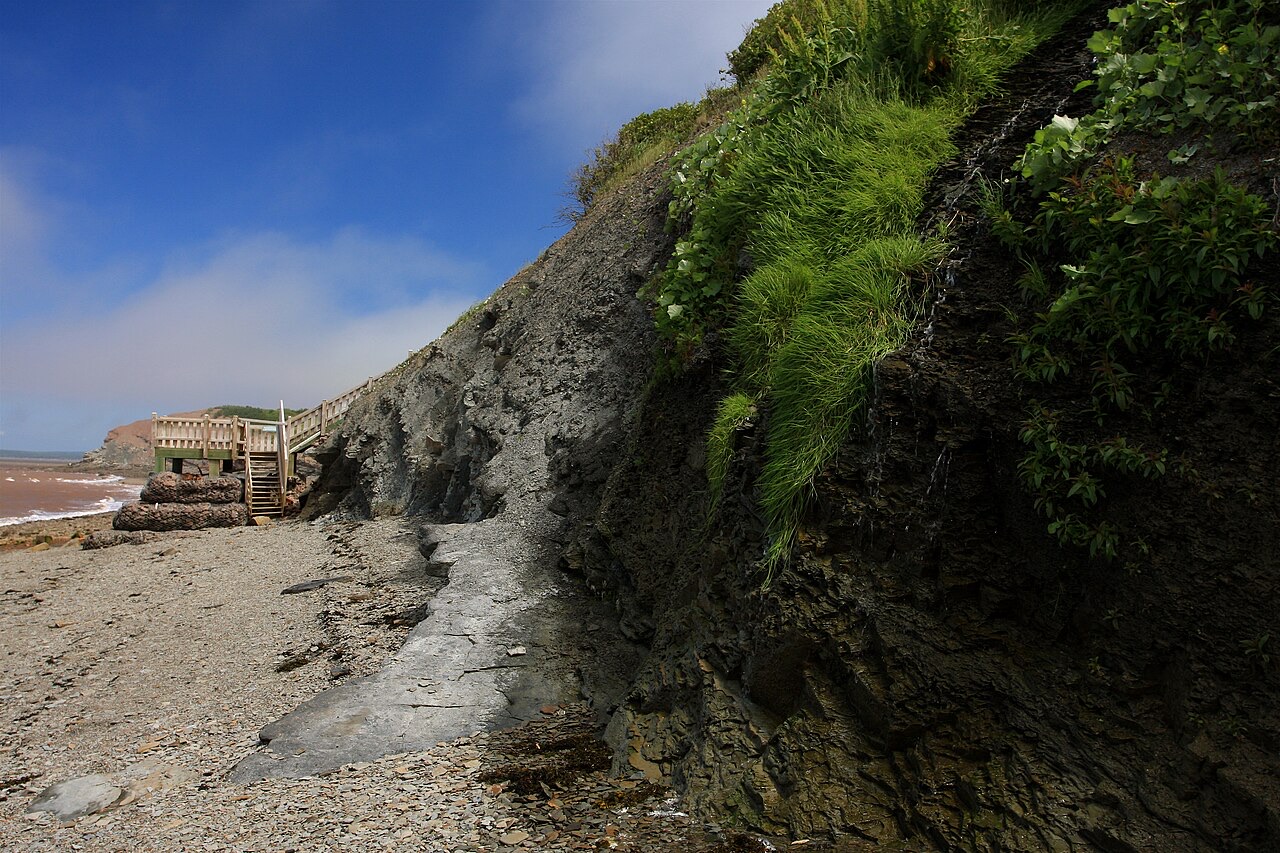 North America
Canada ↗
Joggins Fossil Cliffs
Carboniferous coastal forests, rivers and wetland communities survive in the rocks of a modern tidal cliff. Upright trees preserve the spatial context of an ecosystem as well as its organisms.
315 Ma → Today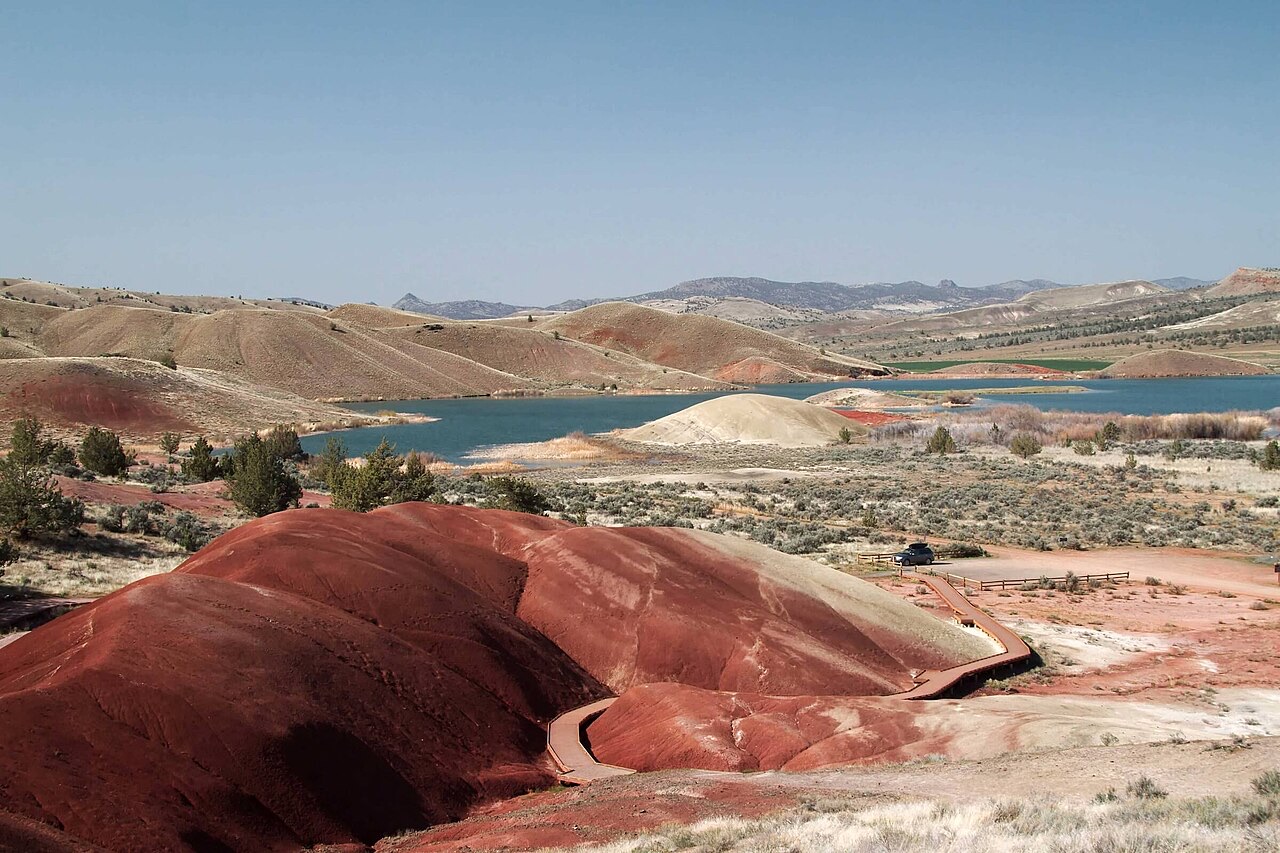 North America
United States ↗
John Day Basin
Separate formations and localities in Oregon preserve Eocene forests, river accumulations and younger Oligocene mammal communities.
44 Ma → 29 Ma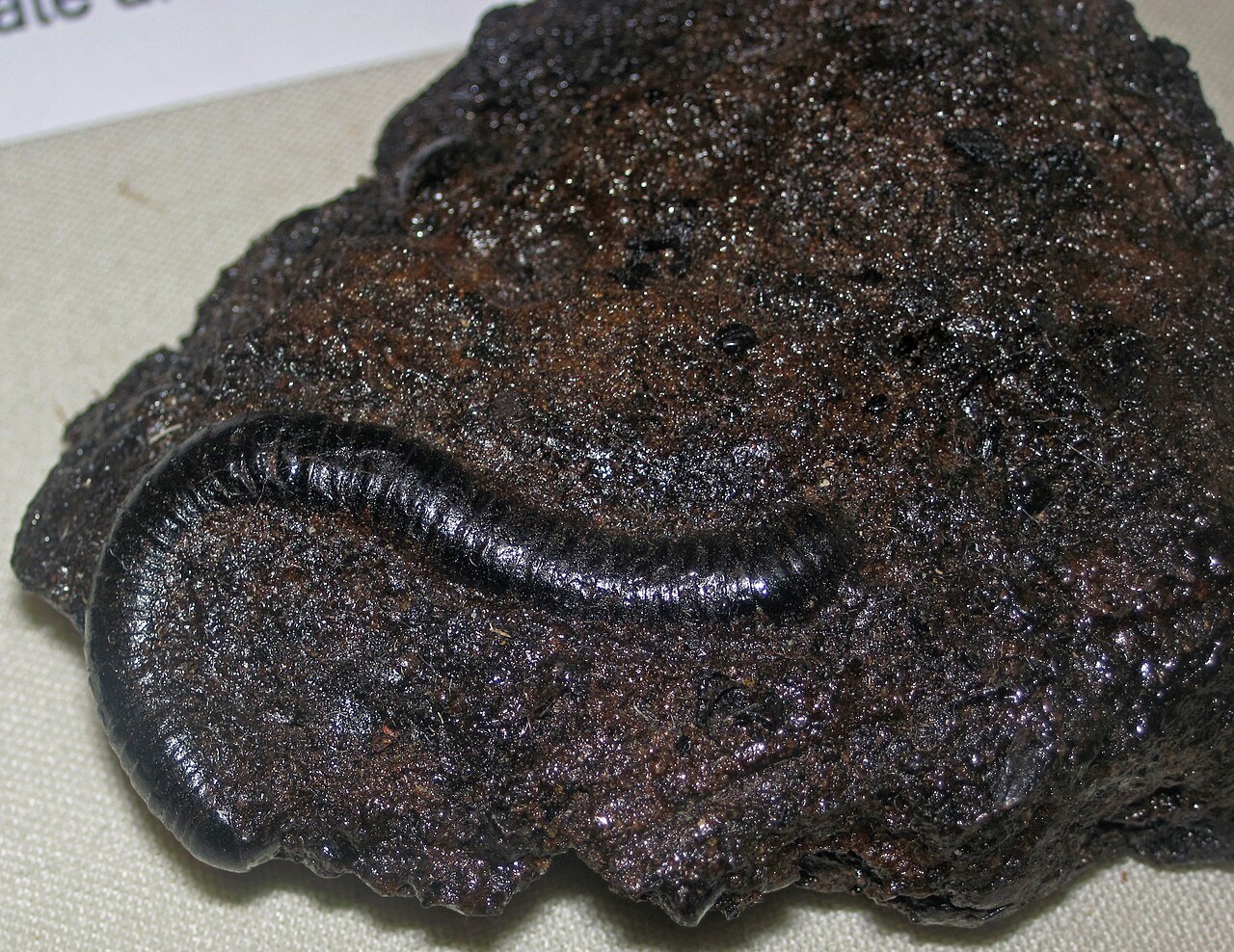 North America
United States ↗
La Brea
Natural asphalt seeps in the Los Angeles Basin trapped and preserved organisms through the late Pleistocene. Pit 91 reveals small organisms alongside large mammals, while directly dated bones help test the timing of regional megafaunal disappearance.
0.025 Ma → 0.0132 Ma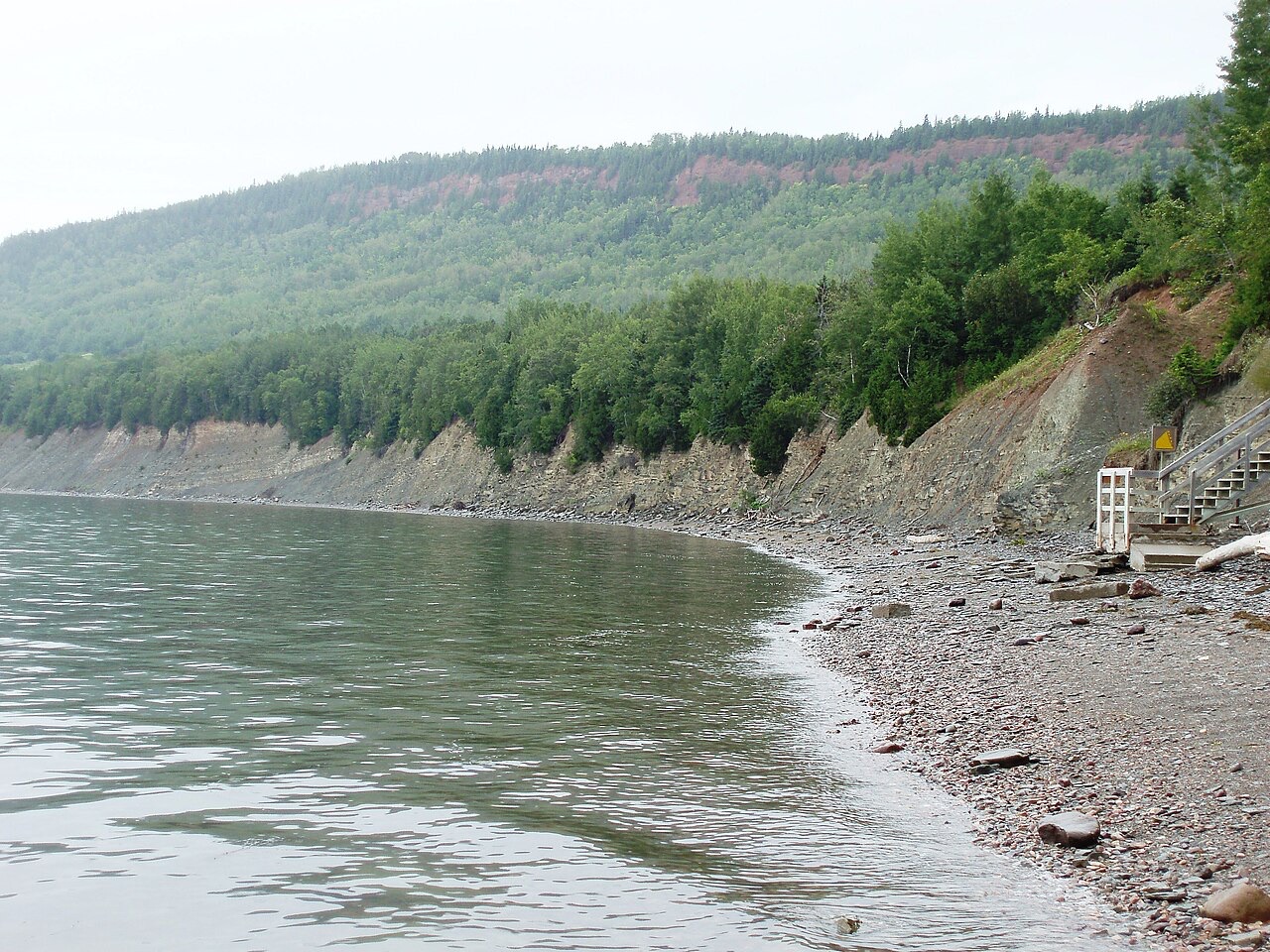 North America
Canada ↗
Miguasha
Devonian fish fossils at Miguasha preserve anatomy relevant to the origin of tetrapod limbs. The modern Restigouche estuary exposes their ancient sedimentary home without recreating its geography or ecosystem.
380 Ma → Today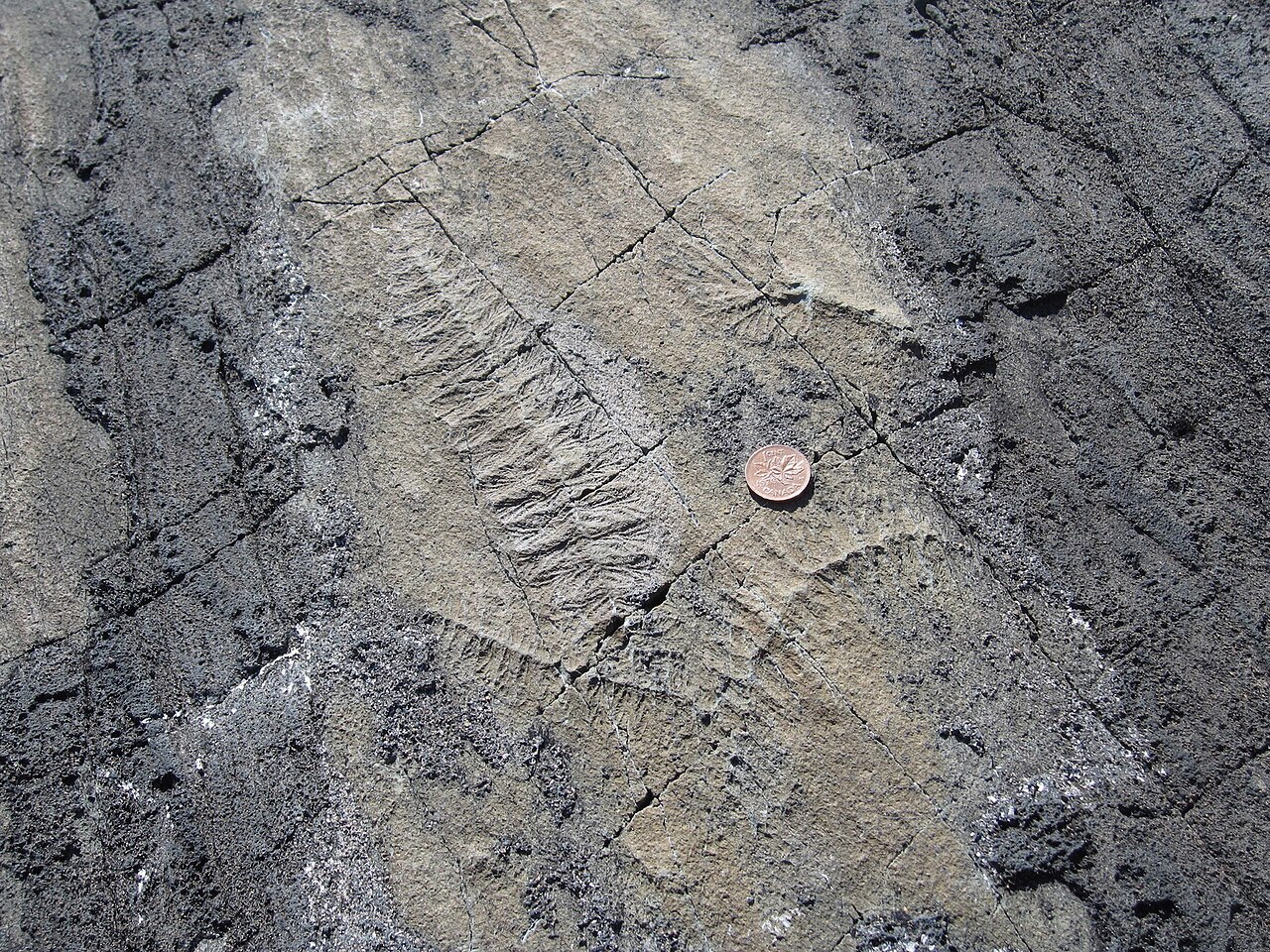 North America
Canada ↗
Mistaken Point
Ediacaran bedding surfaces on Newfoundland’s Avalon Peninsula record complex soft-bodied communities. Two dated intervals, around 574 and 565 million years ago, reveal early branching organisms and later densely populated seafloors.
574 Ma → 565 Ma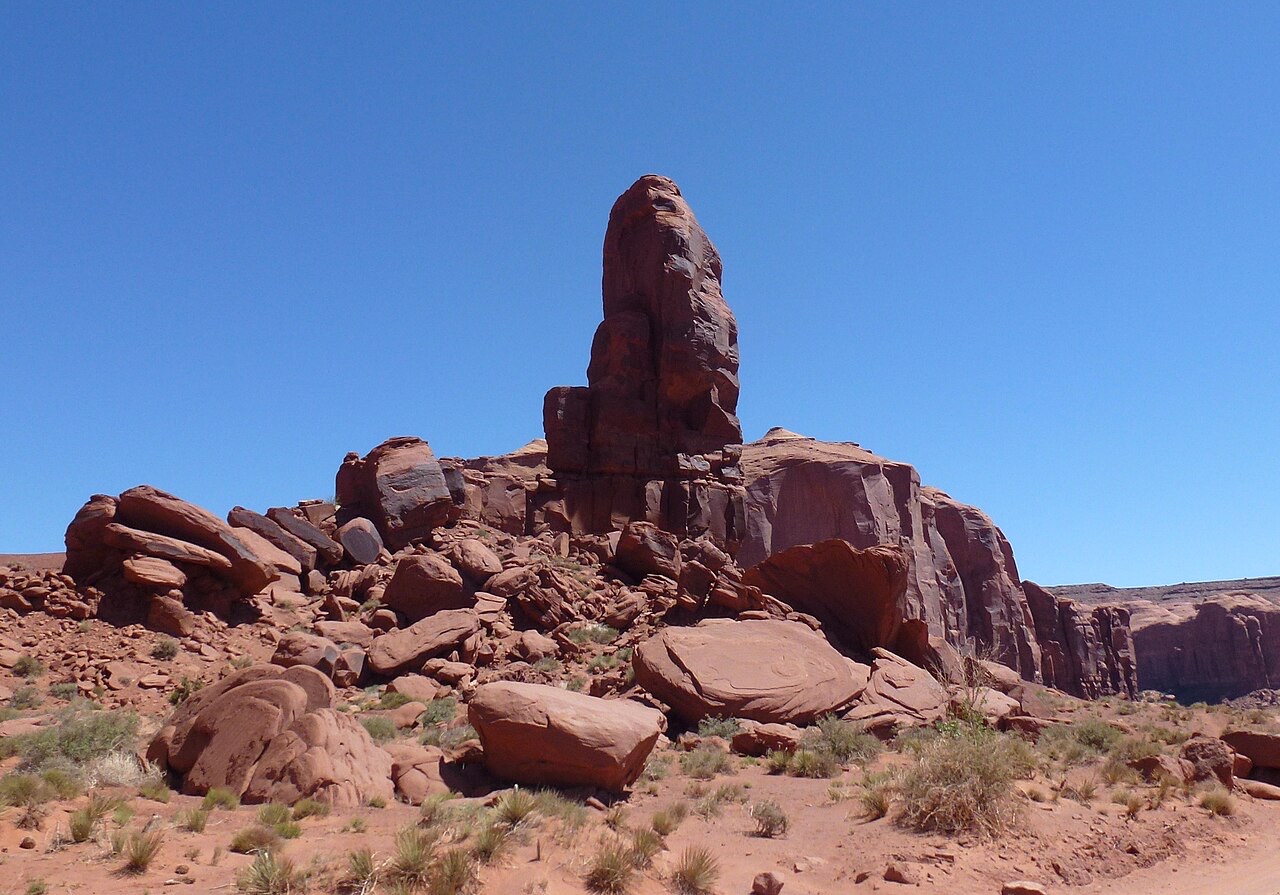 North America
United States ↗
Monument Valley
Permian dune sandstone and Triassic river deposits survive as resistant layers in this Navajo Nation landscape.
280 Ma → 225 Ma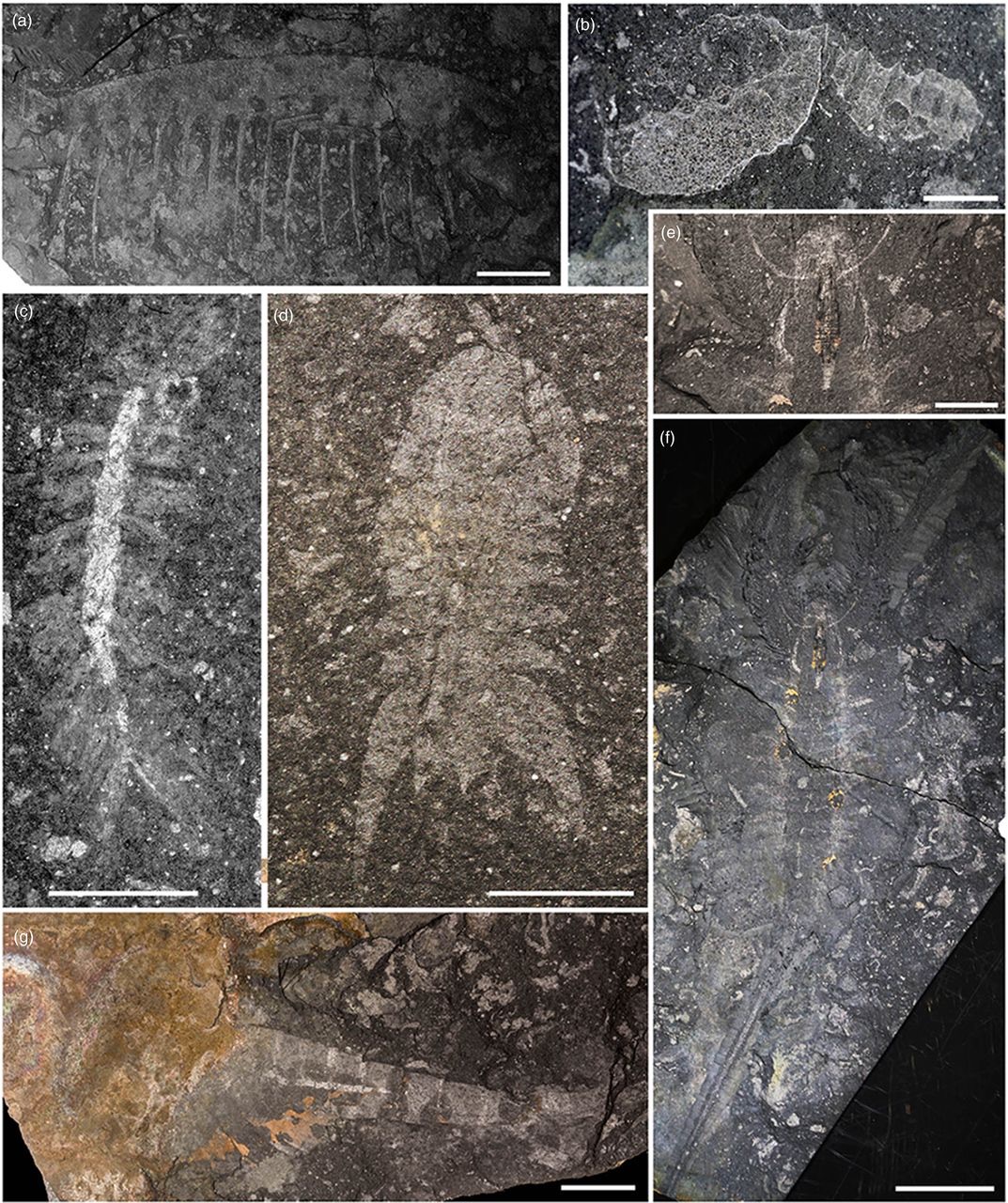 North America
Greenland (Kingdom of Denmark) ↗
Peary Land & Sirius Passet
Ediacaran microscopic fossils and Cambrian soft-bodied animals reveal two marine worlds in northern Greenland.
570 Ma → 518 Ma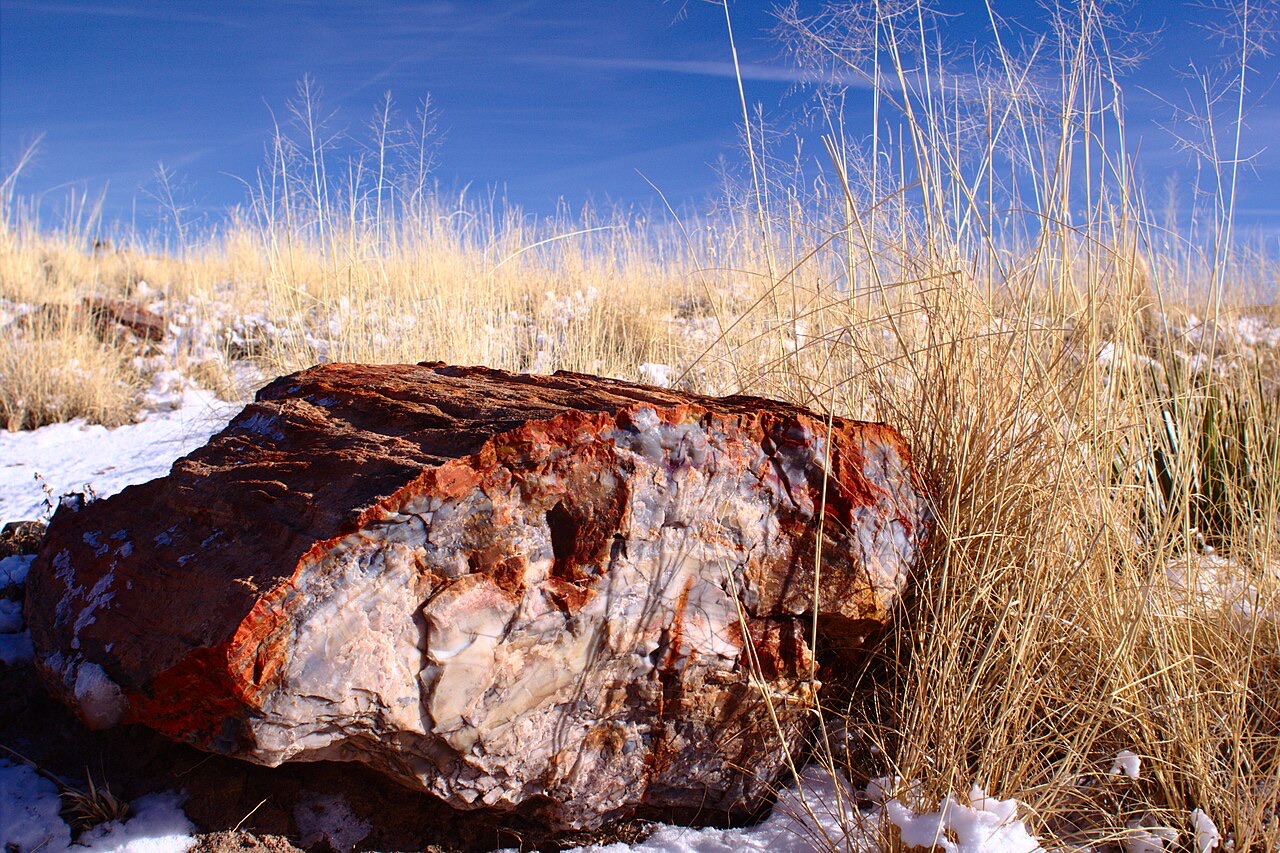 North America
United States ↗
Petrified Forest
Arizona’s colorful badlands expose a changing Triassic river basin. Pond-margin vertebrates, mineralized wood and dated zircon grains reveal different parts of that history, including a tree that survived injury interpreted as fire.
220 Ma → 210 Ma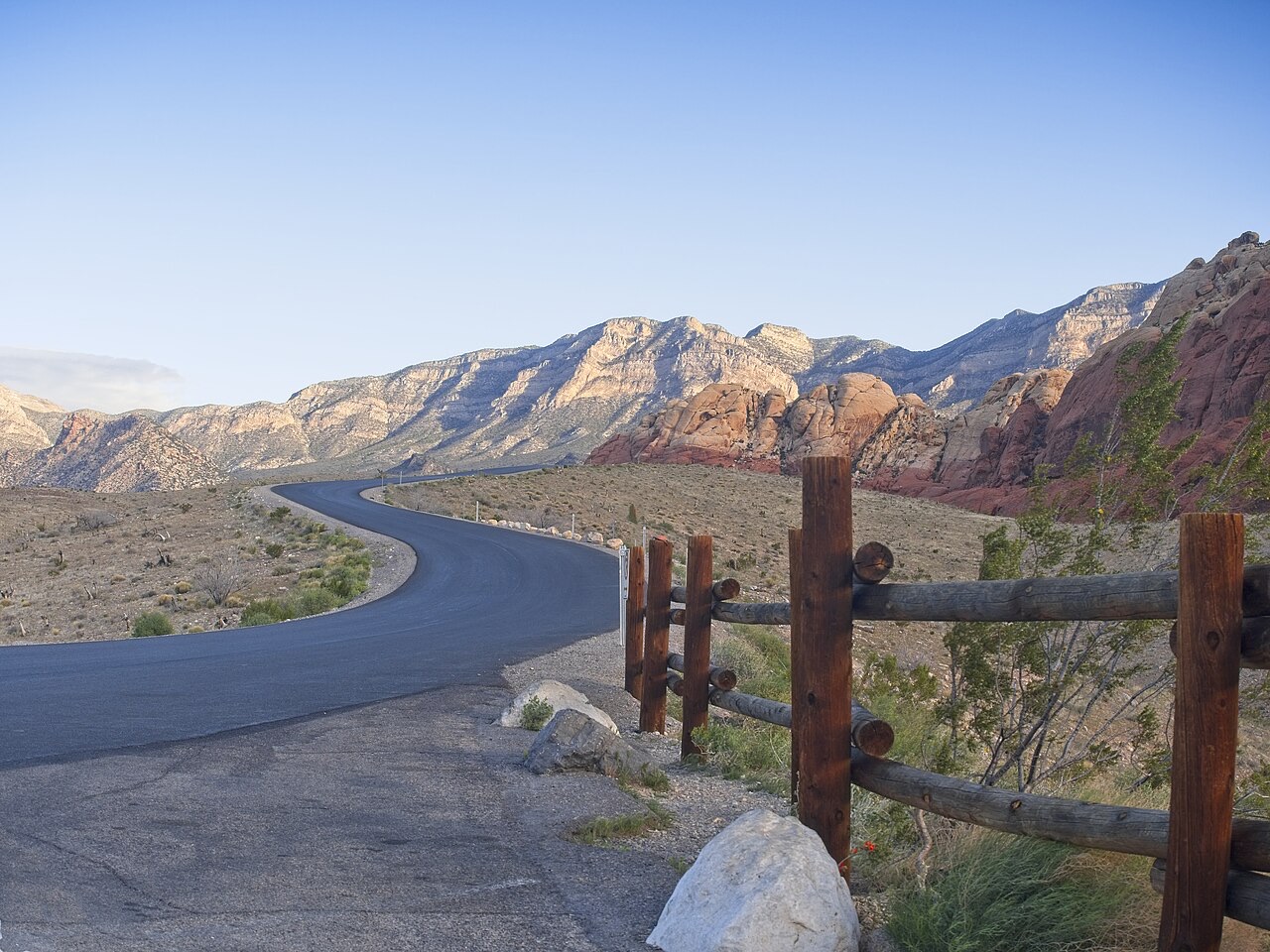 North America
United States ↗
Red Rock Canyon, Nevada
Cambrian carbonates, Jurassic dunes and later thrust faulting make Red Rock a readable record of deposition and tectonic rearrangement.
510 Ma → 185 Ma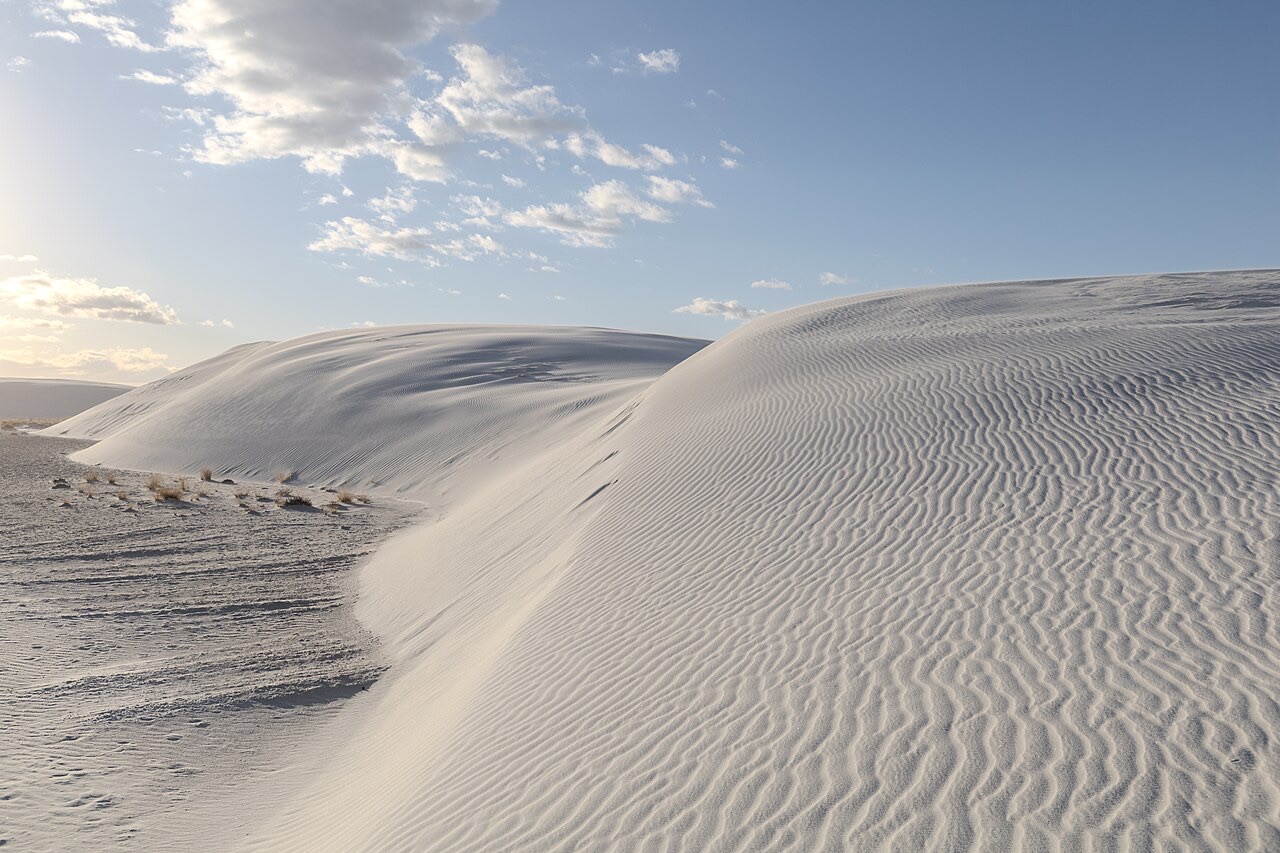 North America
United States ↗
White Sands
Lake Otero’s sediments preserve traces and environmental change; later gypsum recycling supplied the modern white dune field.
0.0234 Ma → Today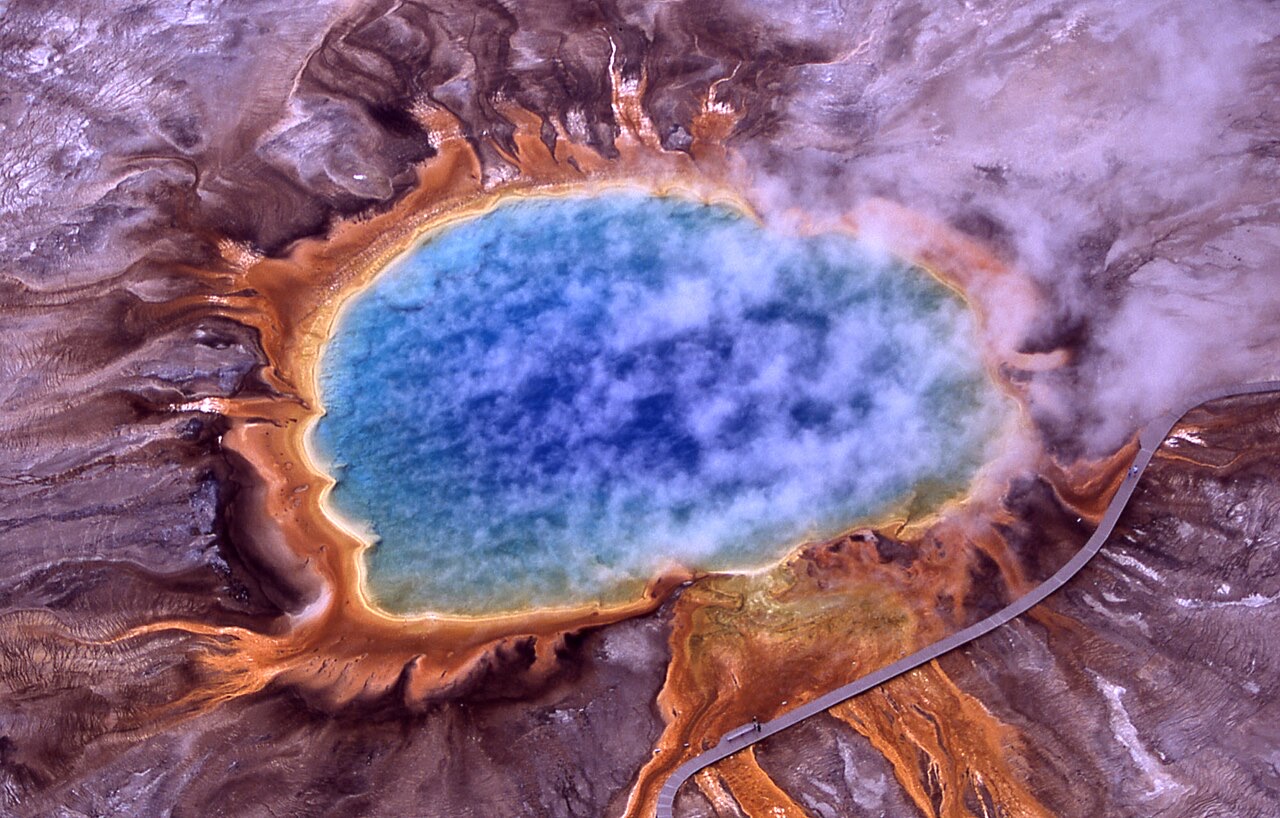 North America
United States ↗
Yellowstone
Yellowstone’s Eocene fossil forests predate the famous Quaternary caldera eruptions by tens of millions of years.
50 Ma → 0.631 Ma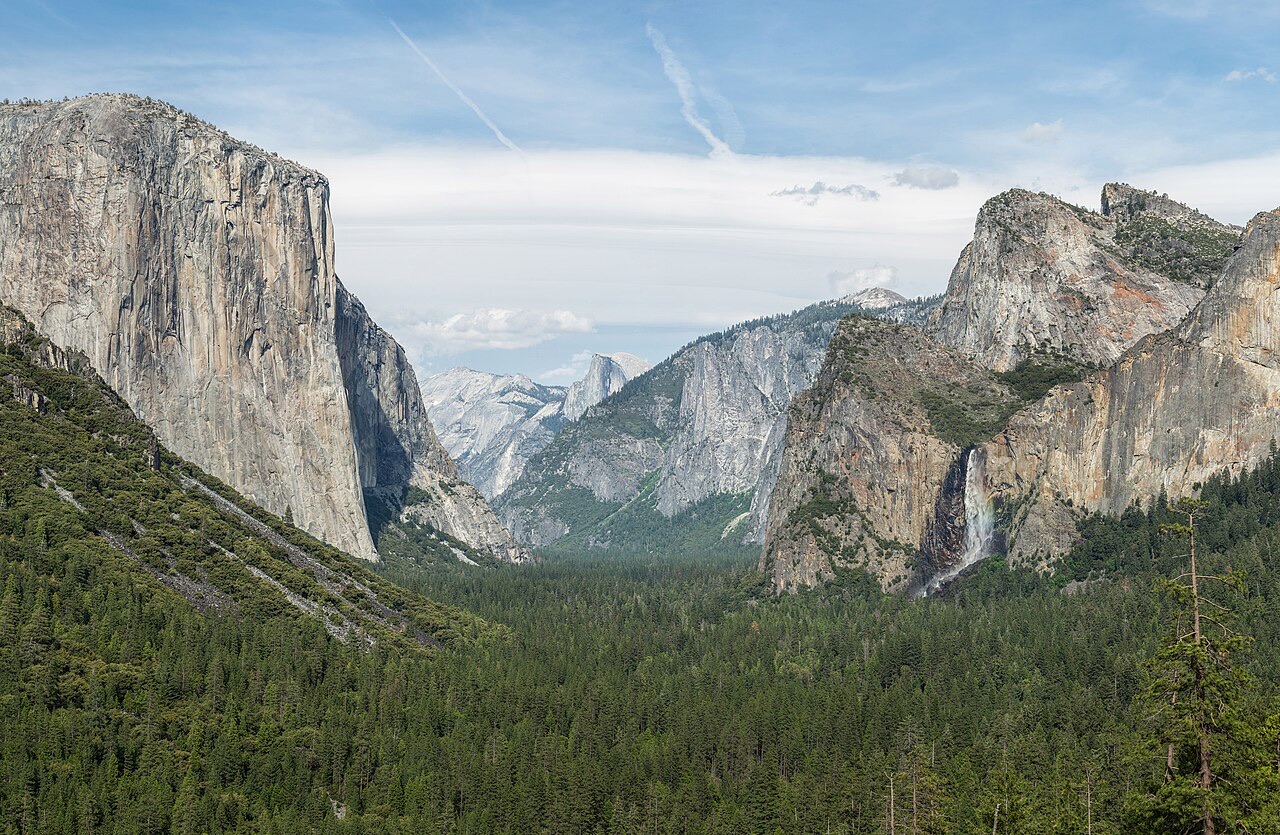 North America
United States ↗
Yosemite and the Sierra Nevada
Cretaceous plutons supplied Yosemite’s strong bedrock; later uplift, rivers and glaciers created its exposed relief.
95 Ma → 0.02 MaOceania
 Oceania
Australia ↗
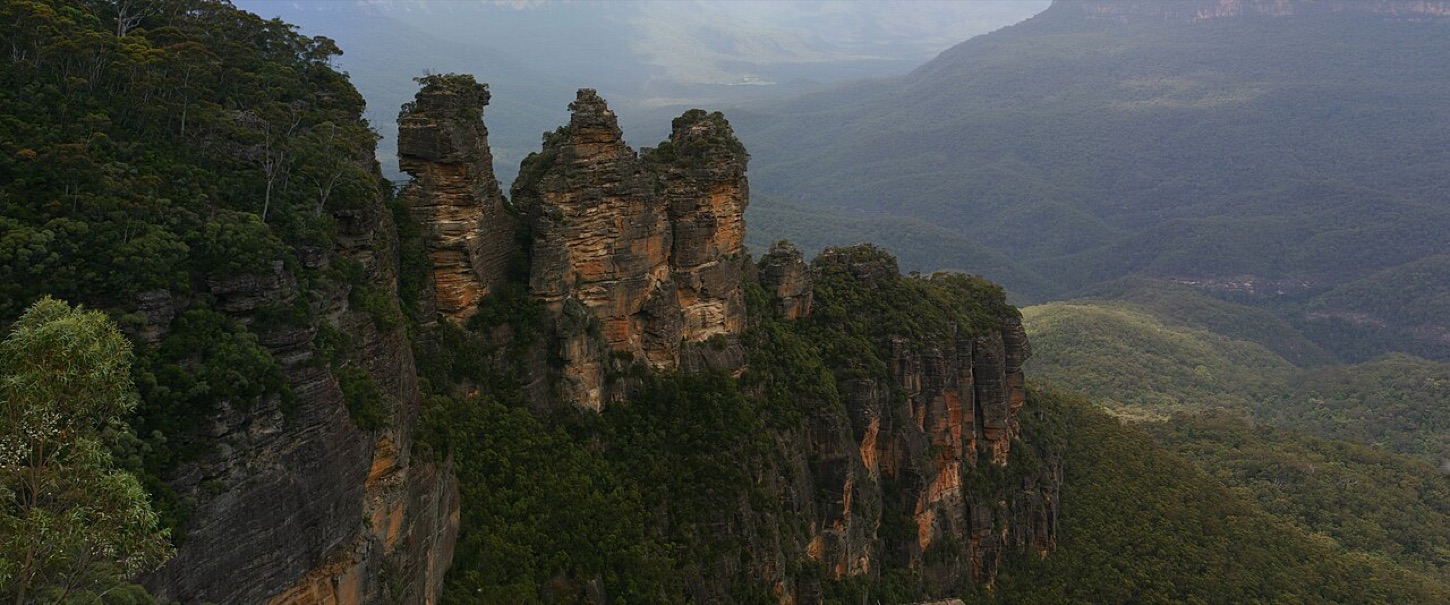
Blue Mountains sandstone plateau
The western Sydney Basin preserves strong Triassic sandstone and younger Miocene basalt remnants. Erosion exposes them together in the present landscape.
249 Ma → 16.5 Ma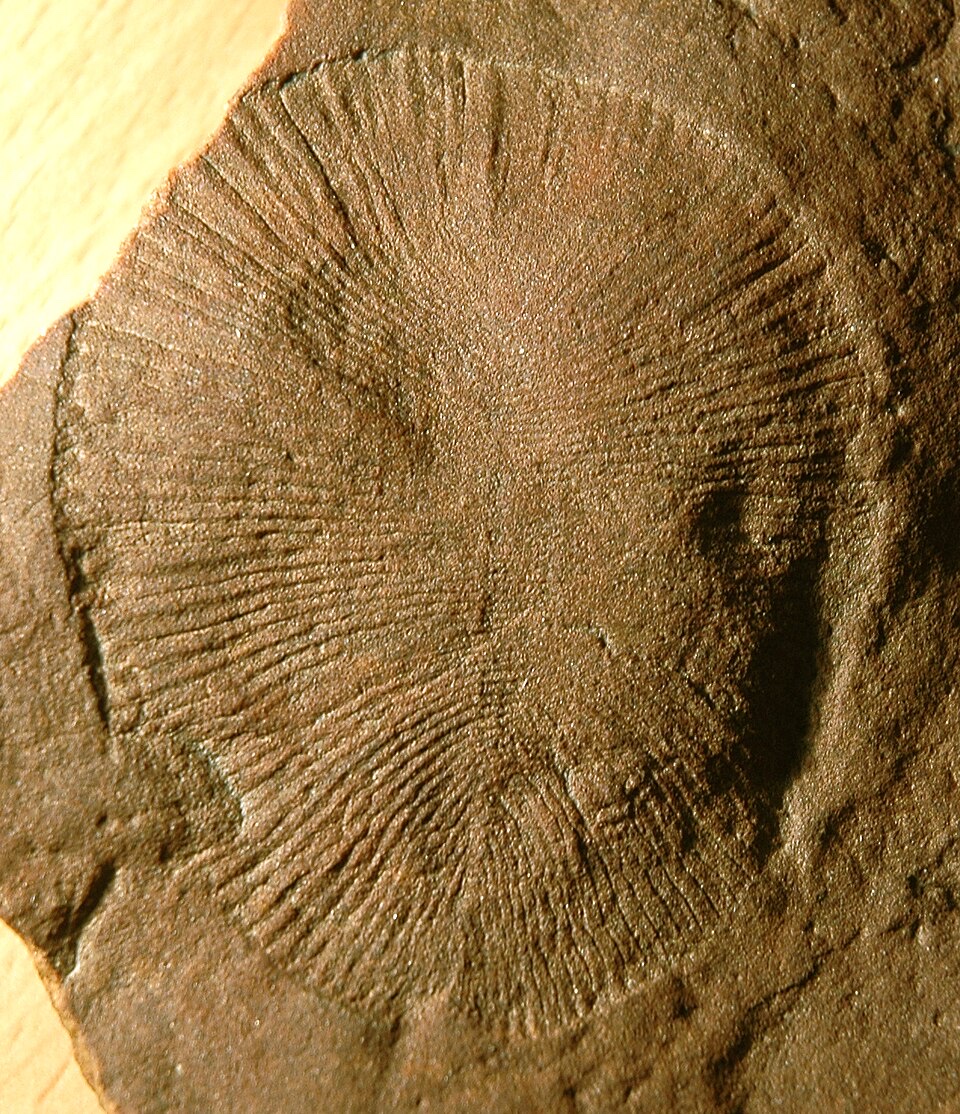 Oceania
Australia ↗
Ediacara & Nilpena
South Australian bedding surfaces record soft-bodied Ediacaran organisms and the patchiness of life on an ancient marine floor.
555 Ma → Today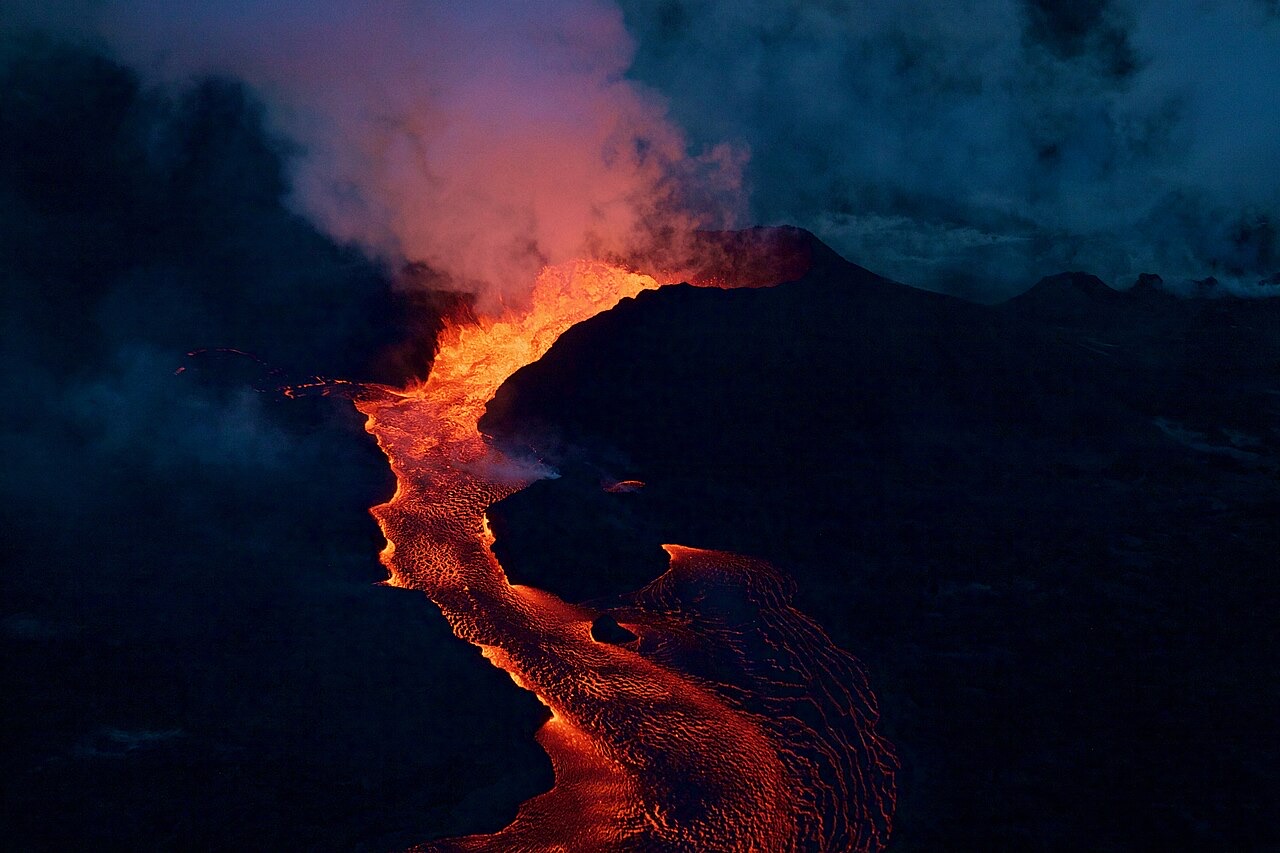 Oceania
United States ↗
Hawaiian Islands
Older volcanic rocks on Kauaʻi contrast with monitored eruptions at Kīlauea, illustrating island-chain development and ongoing crustal construction.
5 Ma → Today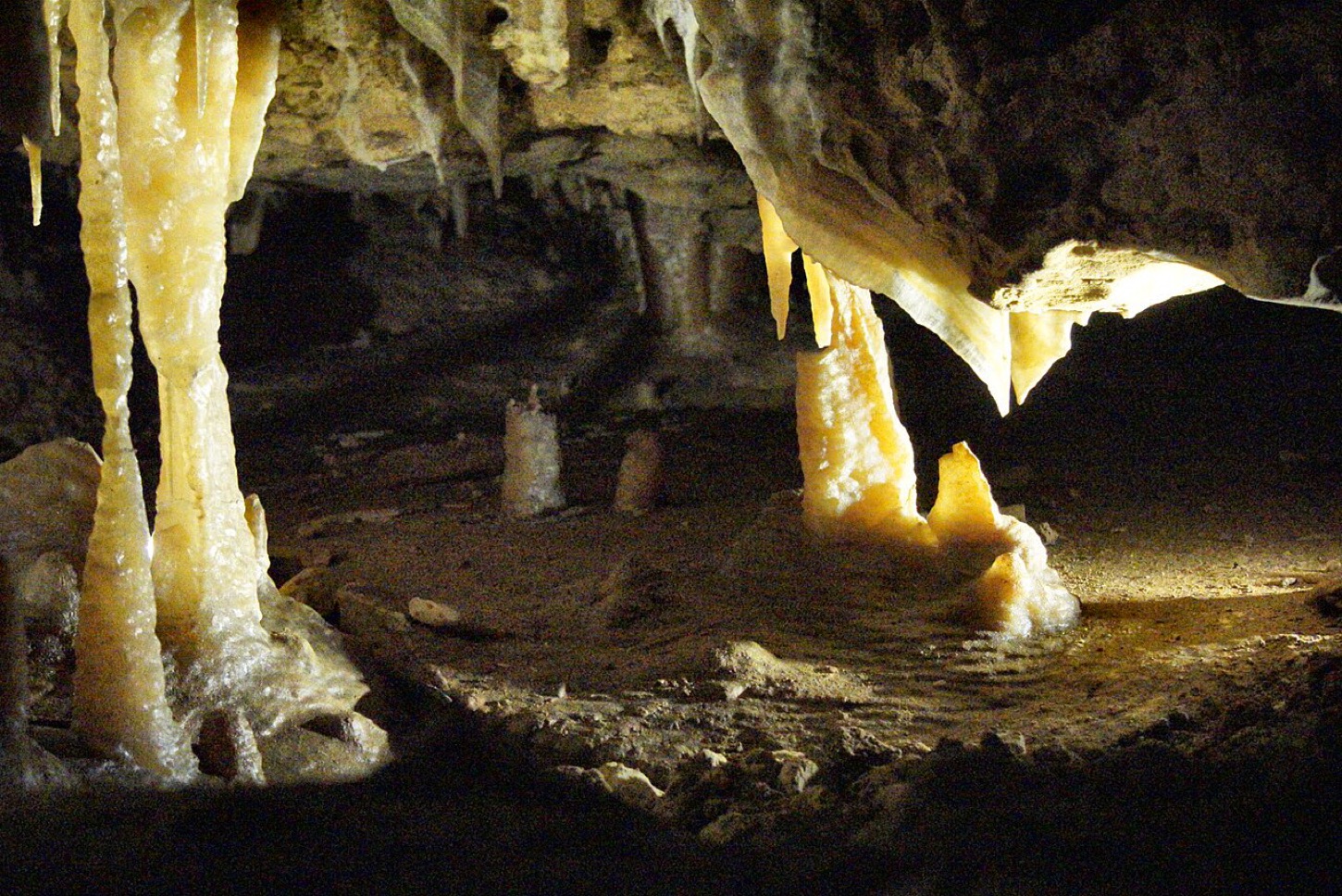 Oceania
Australia ↗
Naracoorte Caves
Dated cave minerals record early passages. Later openings let pollen, charcoal, sediment and animals enter.
1.34 Ma → 0.5 Ma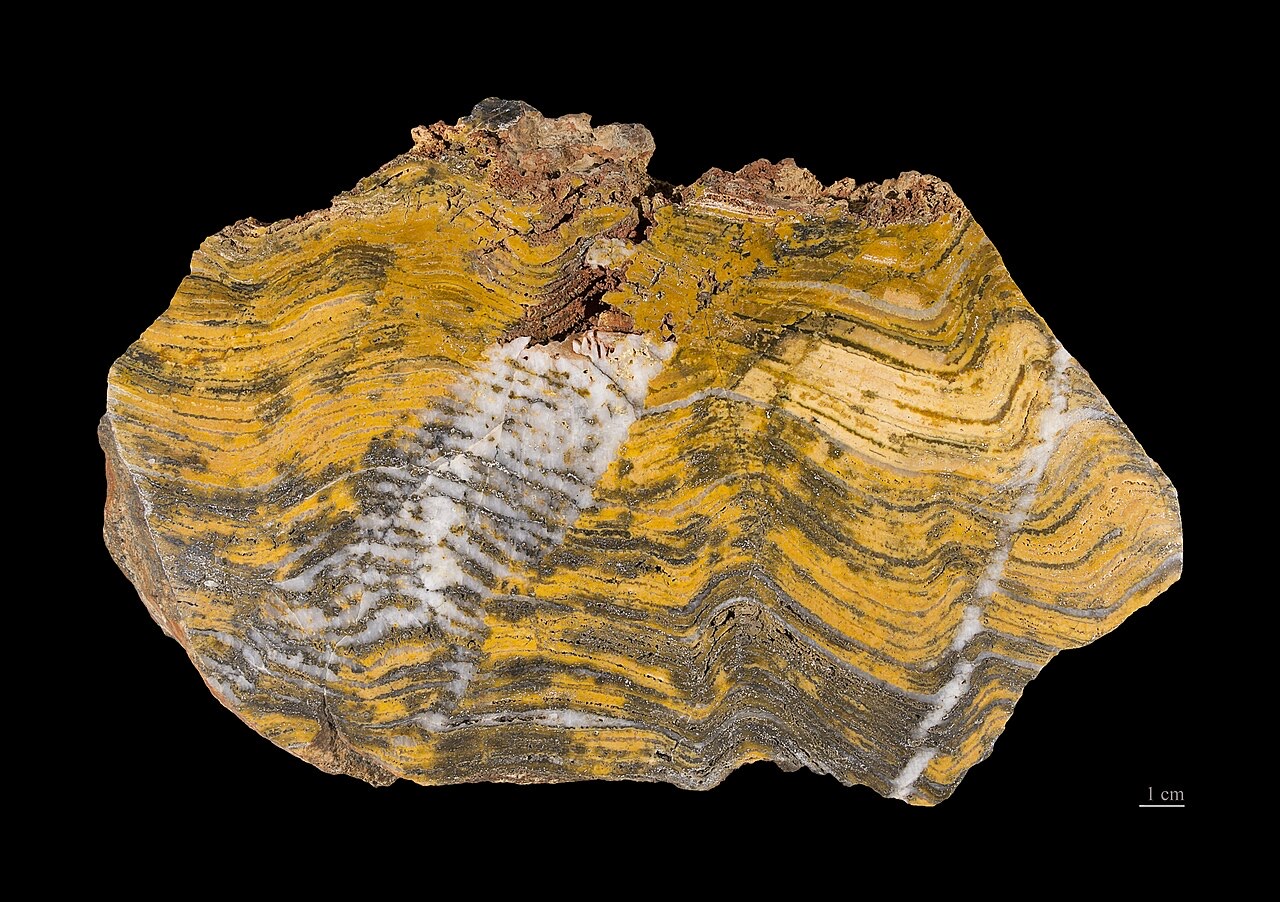 Oceania
Australia ↗
Pilbara
Dresser hot-spring deposits and younger Strelley Pool structures preserve different tests of life in the Paleoarchean, more than three billion years ago.
3,480 Ma → 3,430 Ma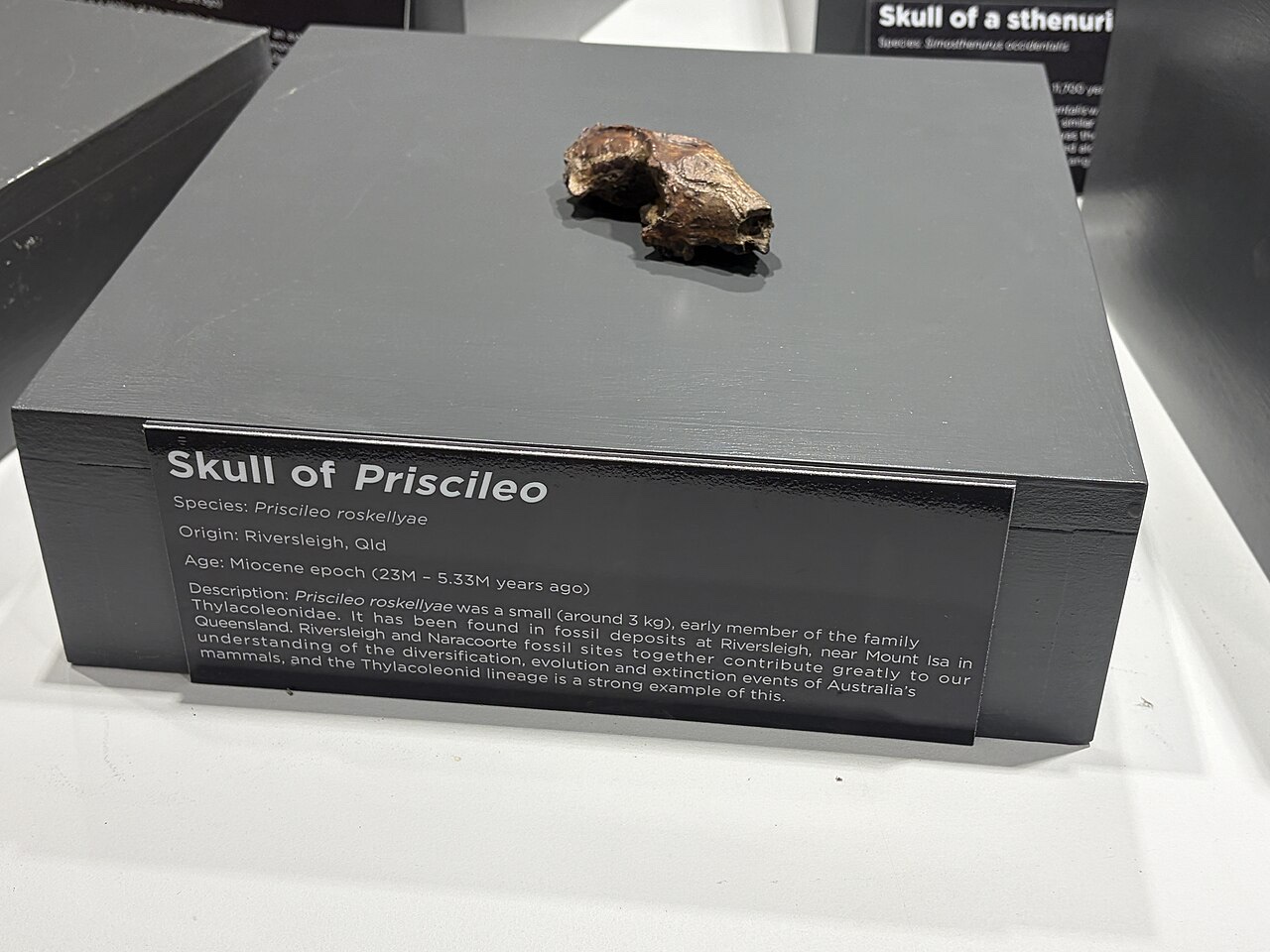 Oceania
Australia ↗
Riversleigh
Riversleigh’s fossil deposits connect wetter Oligocene–Miocene habitats with later faunas, revealing Australian mammals, birds, reptiles and bats.
23 Ma → 2.1 Ma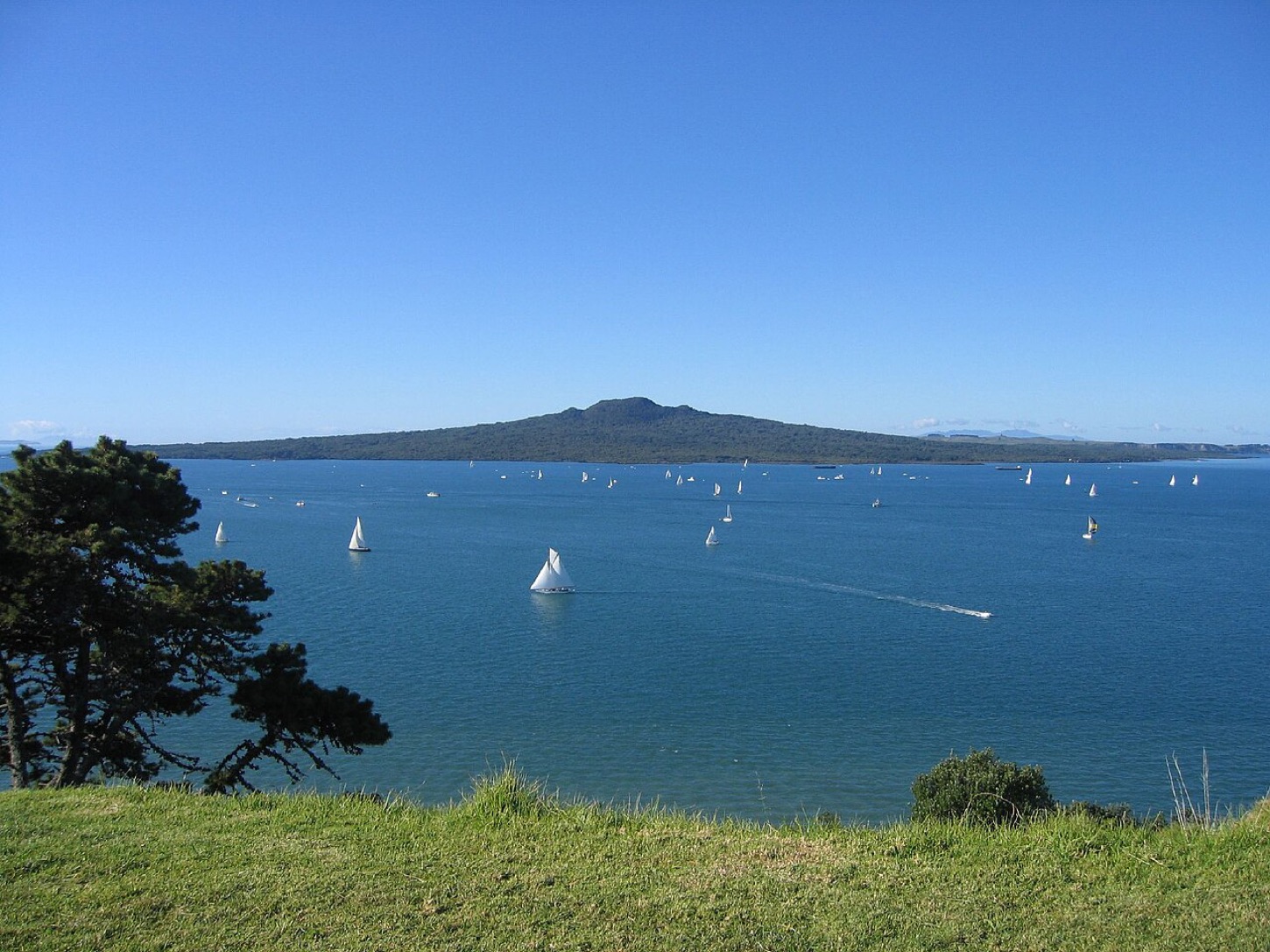 Oceania
New Zealand ↗
Tāmaki Makaurau Auckland volcanic field
Maungawhau and Rangitoto are distinct centres in Auckland’s volcanic field. Dates and rock sequences distinguish episodes thousands of years apart.
0.028 Ma → 0.00055 Ma Oceania
New Zealand ↗
Waitomo limestone and caves
Oligocene marine limestone underlies Waitomo. Pleistocene cave deposits record much later water flow and movement of rock.
26 Ma → 0.038 Ma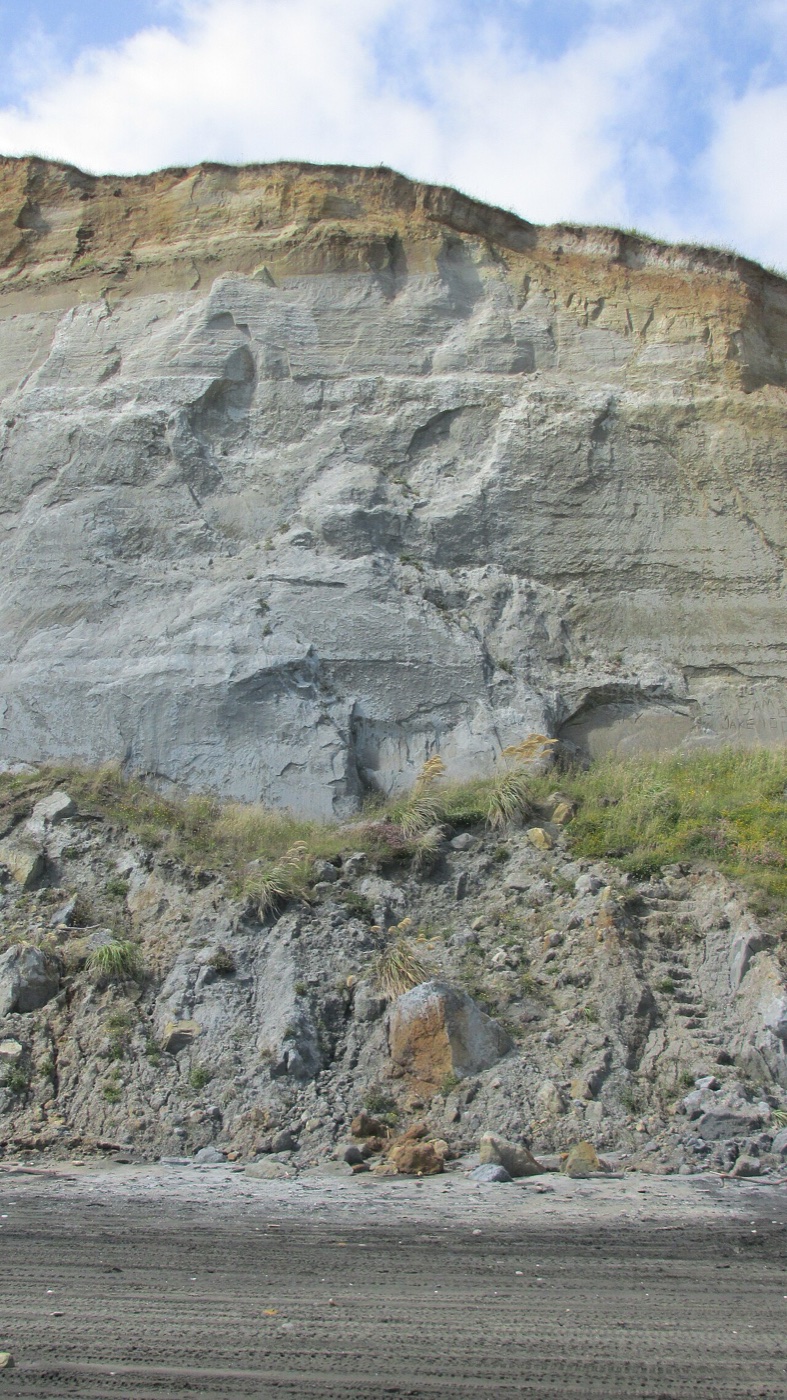 Oceania
New Zealand ↗
Whanganui Basin
Pliocene shelf sediments and younger Pleistocene shellbeds record recurring changes in water depth, sediment supply and tectonic accommodation in New Zealand.
3 Ma → 0.9 MaSouth America
 South America
Chile ↗
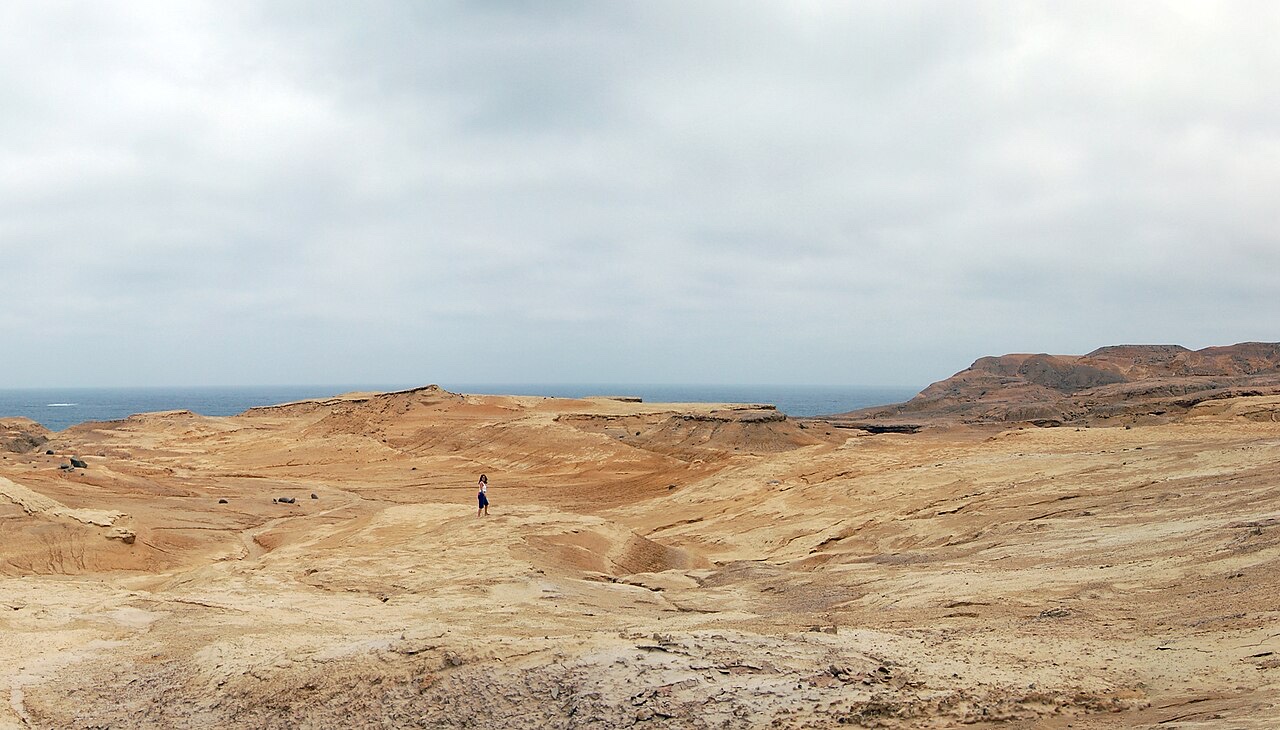
Atacama’s fossil coast
Cerro Ballena preserves several fossil-rich layers, allowing observed marine mammal remains to be separated from proposed explanations of their deaths.
6.1 Ma → Today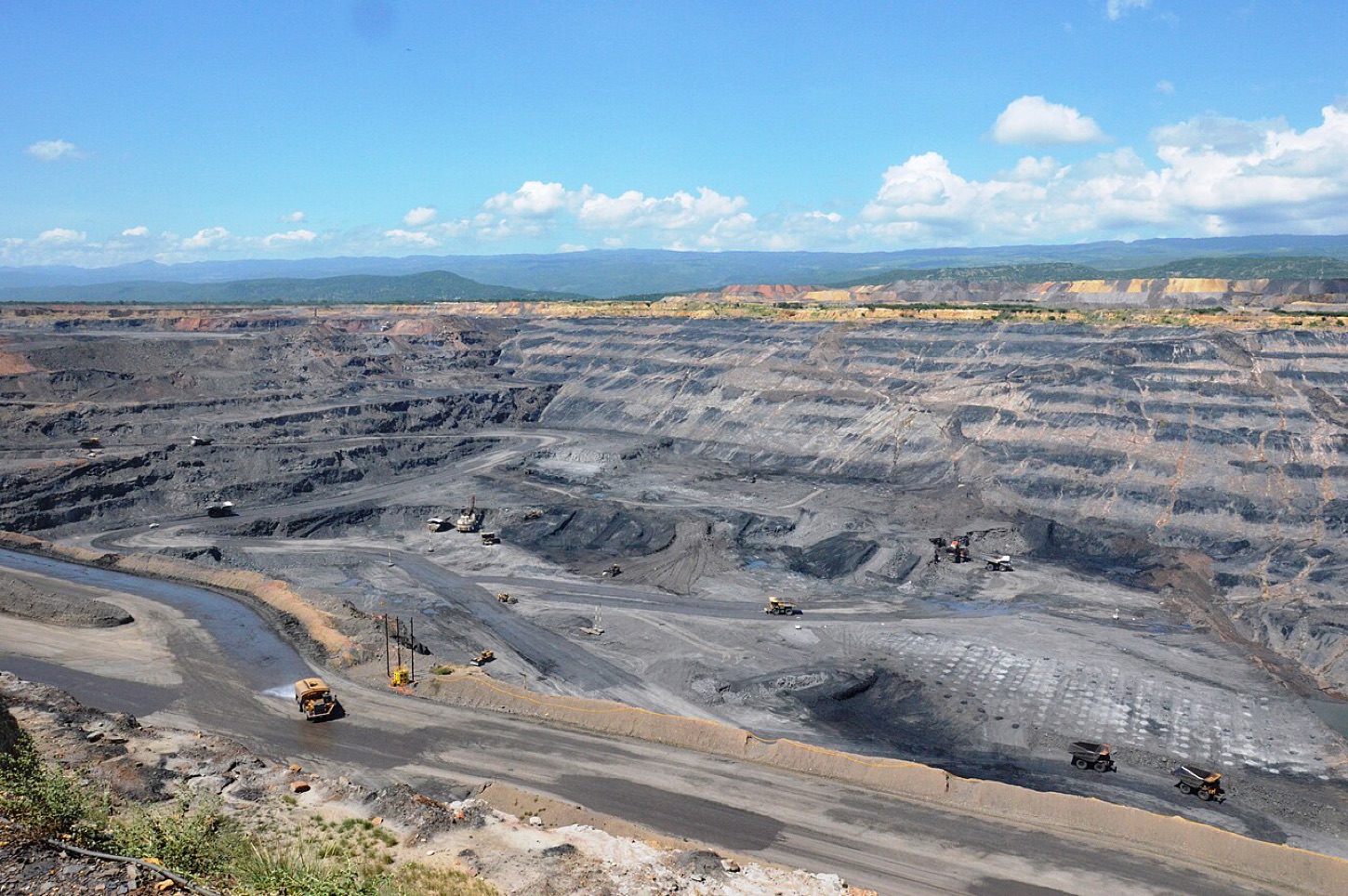 South America
Colombia ↗
Cerrejón coal basin
Fossil plants and Titanoboa document tropical habitats near the equator about 58 million years ago, exposed by modern mining.
58 Ma → Today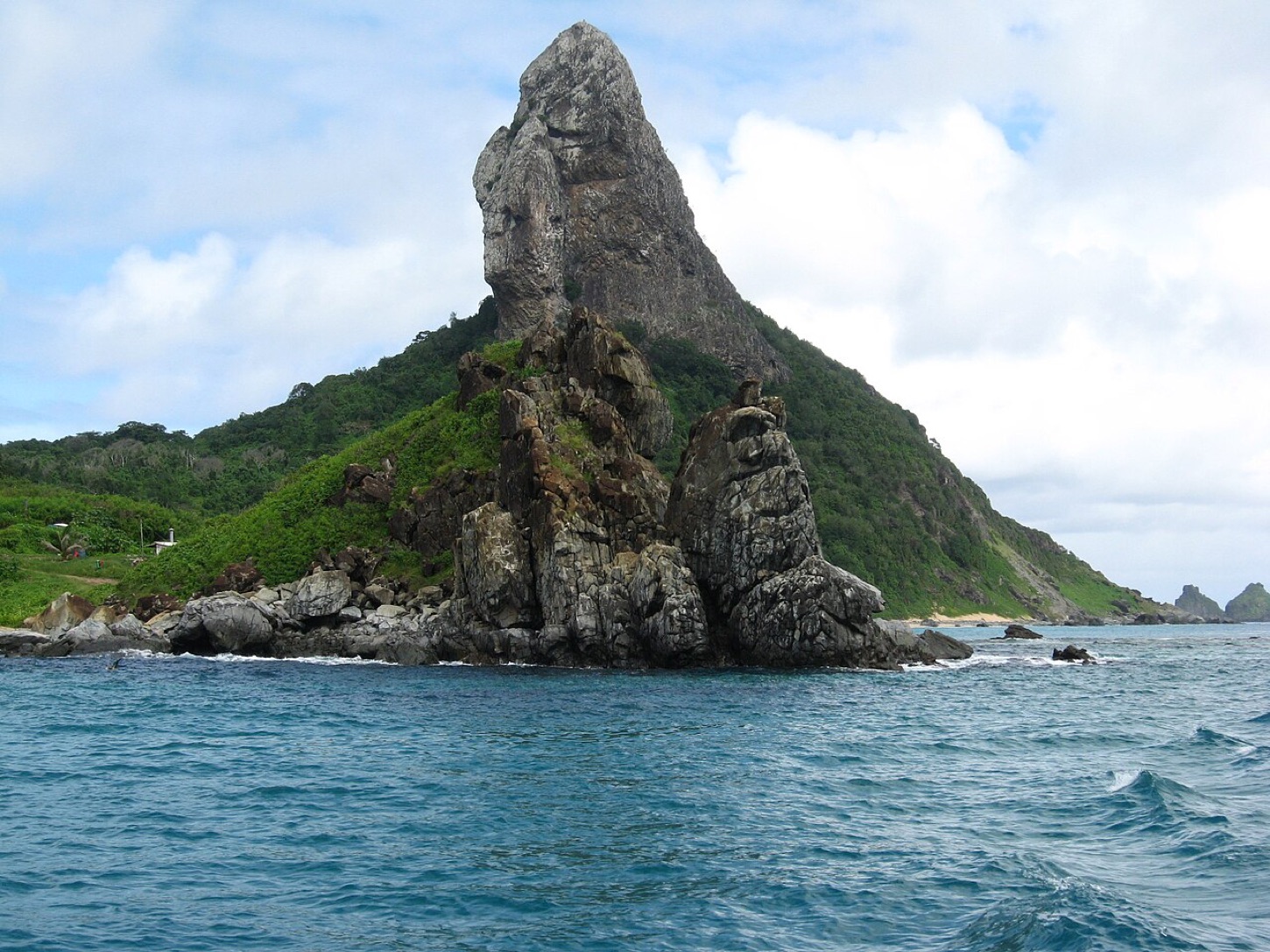 South America
Brazil ↗
Fernando de Noronha
Dated intrusive and eruptive rocks distinguish an older phase of volcanism from younger activity on this South Atlantic island group.
10 Ma → 3 Ma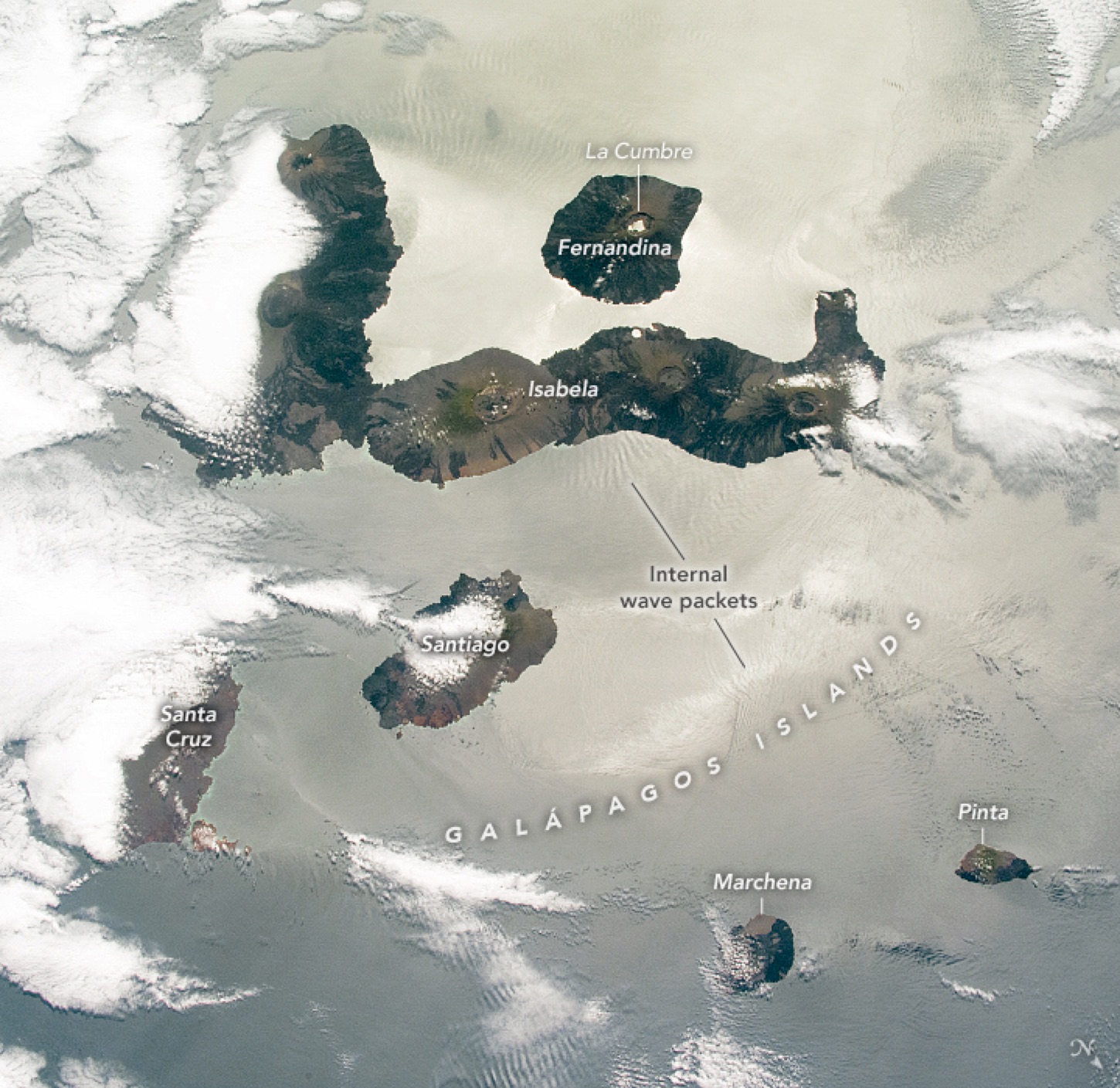 South America
Ecuador ↗
Galápagos volcanic islands
Radiometric ages and exposure dating help compare the histories of Española and Fernandina within one volcanic chain.
2.61 Ma → 0.032 Ma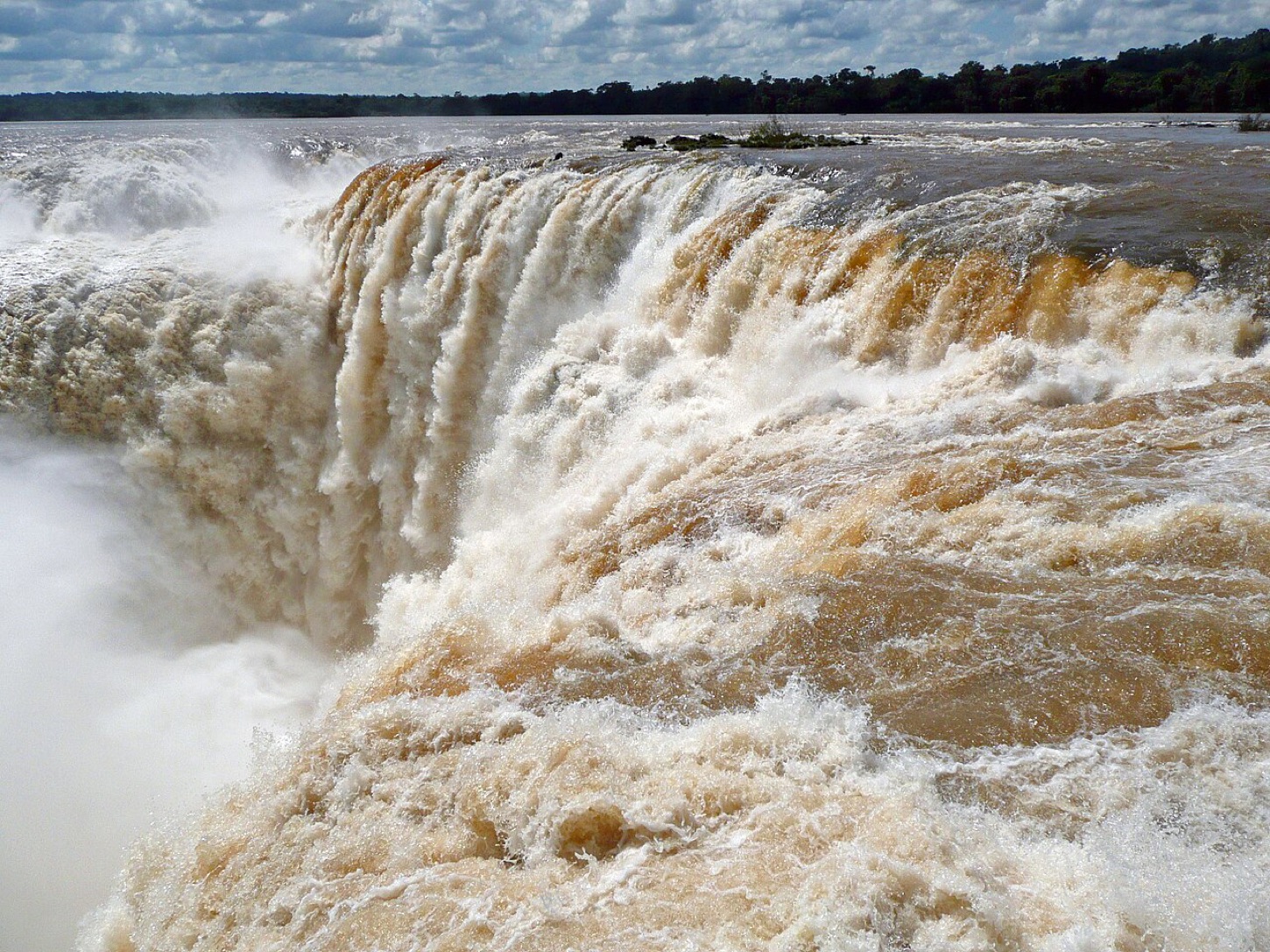 South America
Argentina / Brazil ↗
Iguazú–Iguaçu Falls
The falls expose part of the Cretaceous Serra Geral volcanic succession. Modern flow and erosion have shaped steps, cliffs and a gorge.
134.4 Ma → Today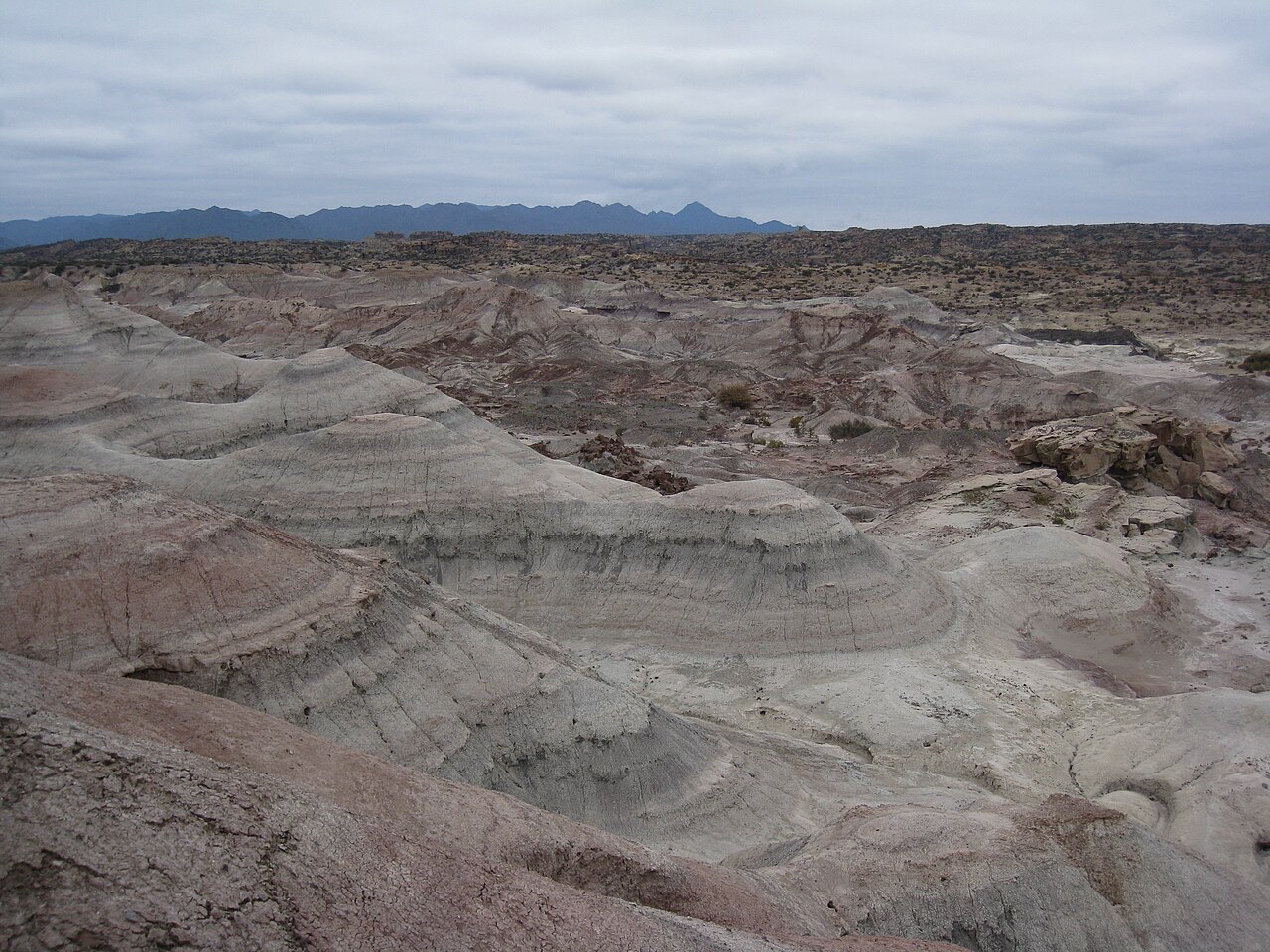 South America
Argentina ↗
Ischigualasto Basin
Older Los Rastros lake deposits and younger Ischigualasto floodplains reveal a changing Late Triassic basin shared by early dinosaurs and many other vertebrates.
234.5 Ma → 229 Ma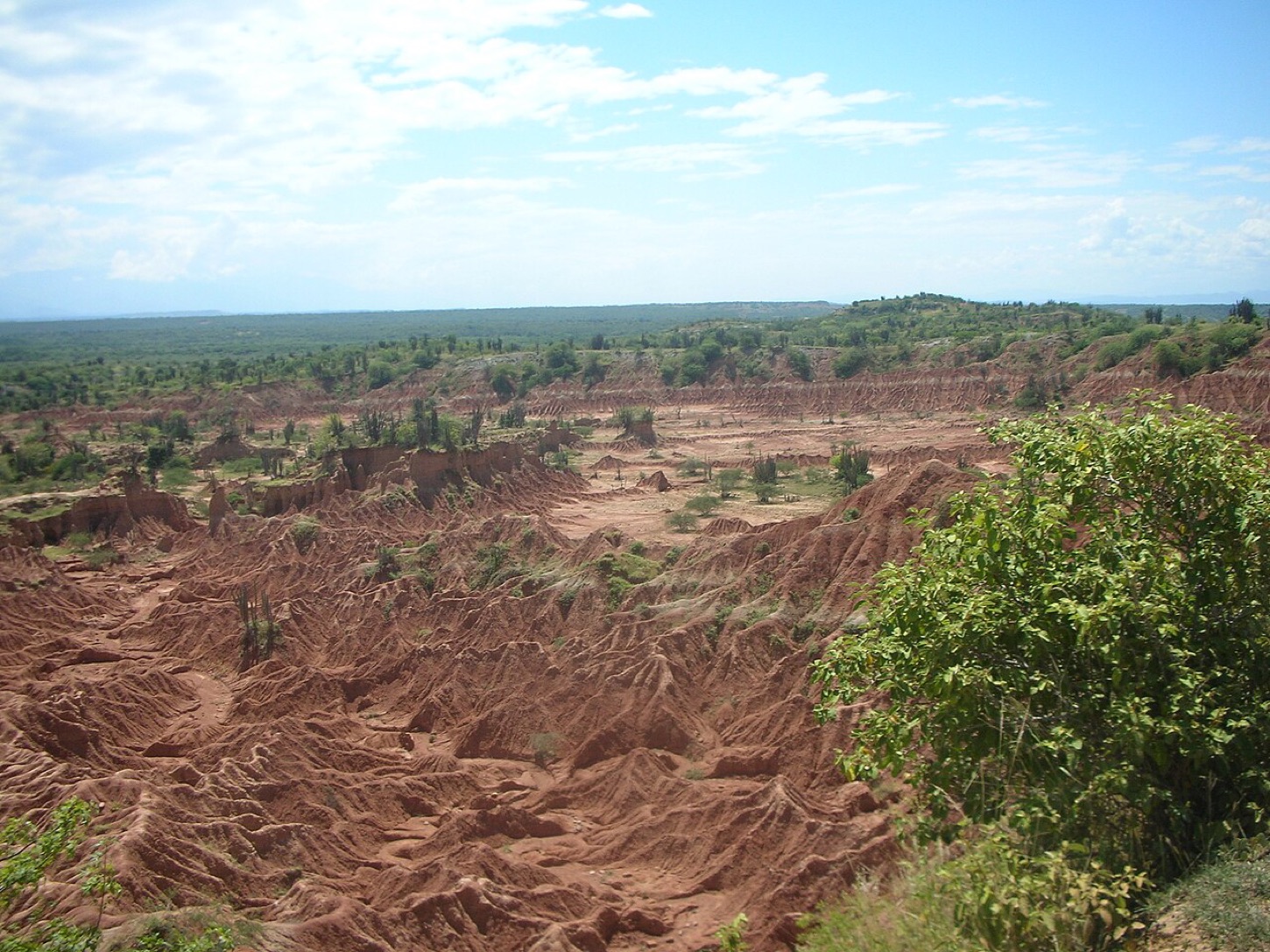 South America
Colombia ↗
La Venta and the Tatacoa
The La Victoria and Villavieja formations preserve a succession of wet-channel and floodplain deposits with an exceptional vertebrate record.
13.2 Ma → 12.2 Ma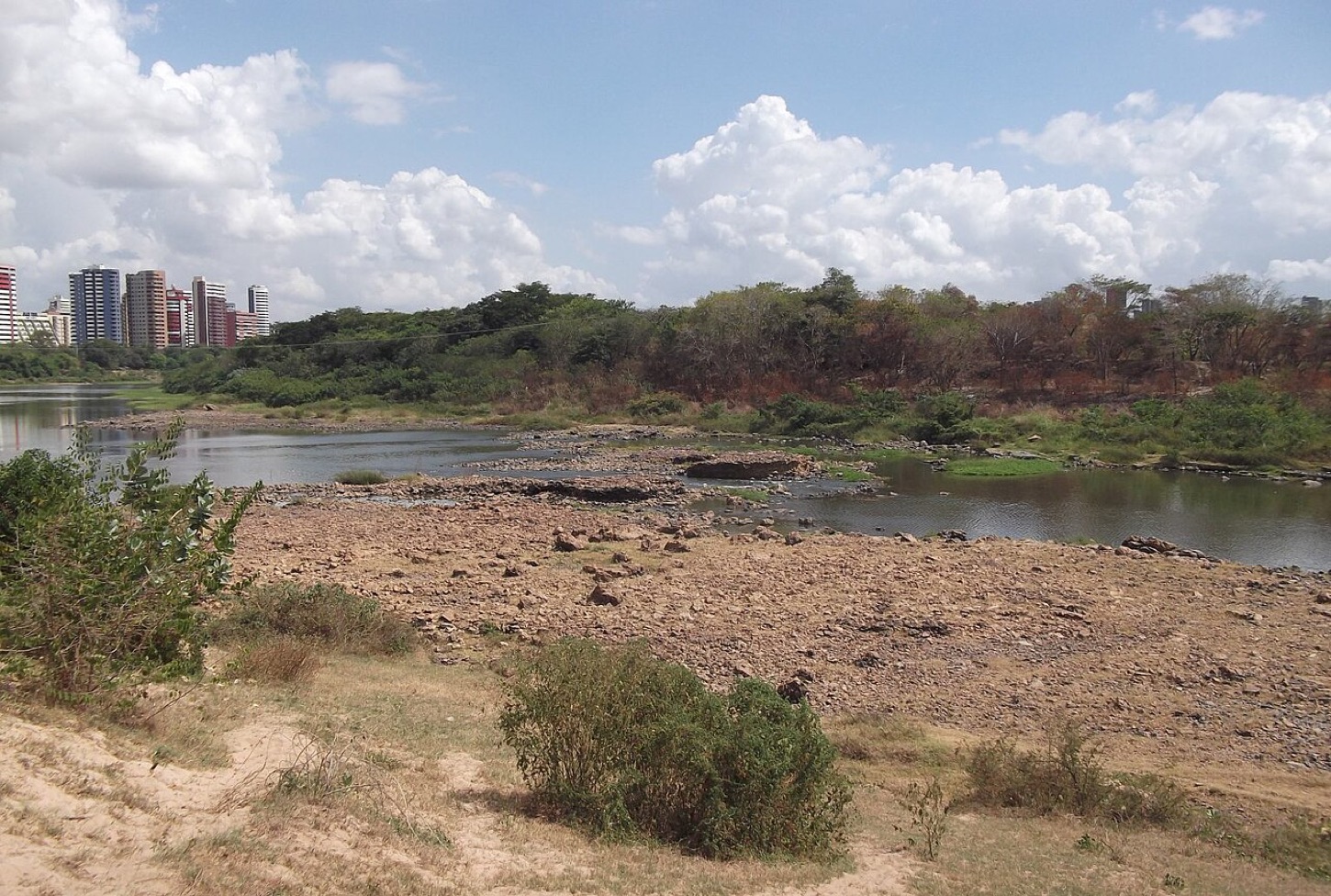 South America
Brazil ↗
Pedra de Fogo and the Poti fossil forest
Silicified trunks at Teresina sit within a formation that also preserves ancient shoreline and lake deposits elsewhere in the Parnaíba Basin.
285 Ma → Today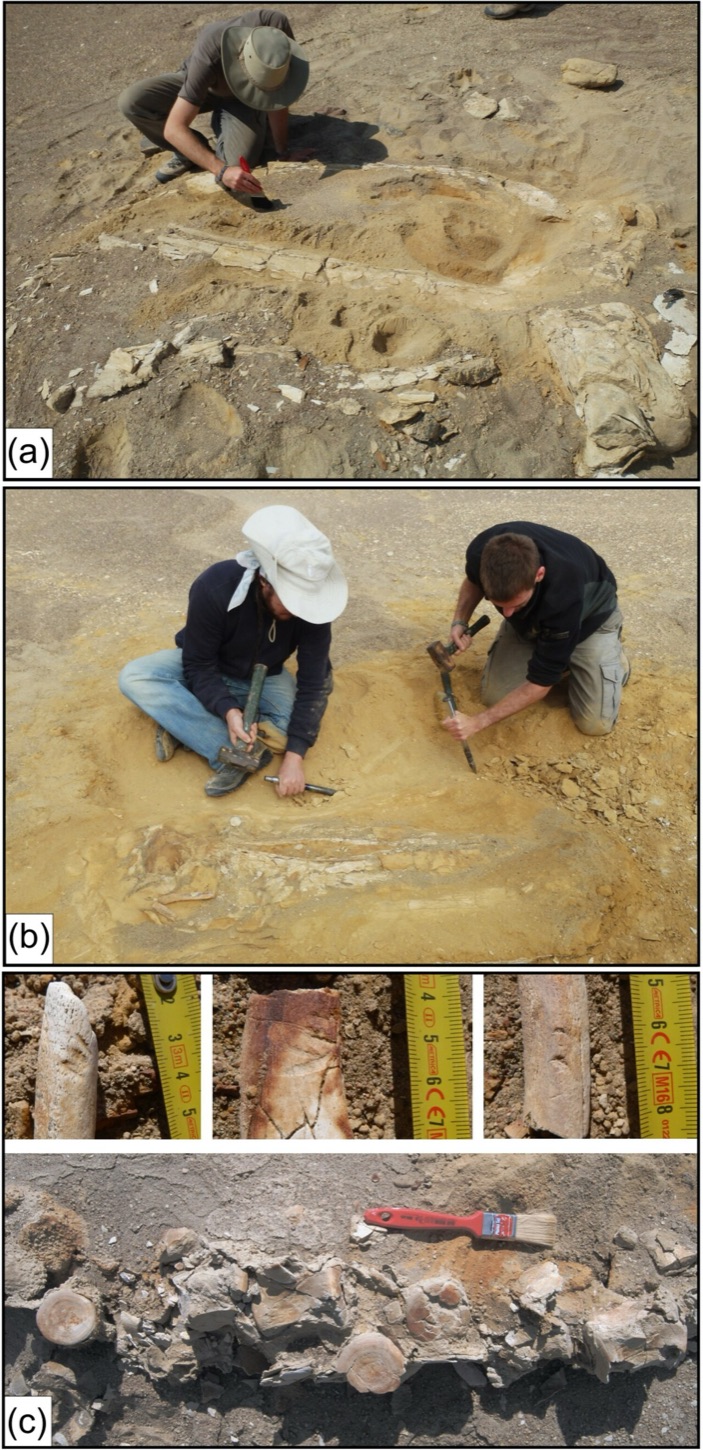 South America
Peru ↗
Pisco Basin near Ocucaje
Miocene marine deposits of the Pisco Formation preserve different communities at Cerro Colorado and Cerro Los Quesos.
9.2 Ma → 7.7 Ma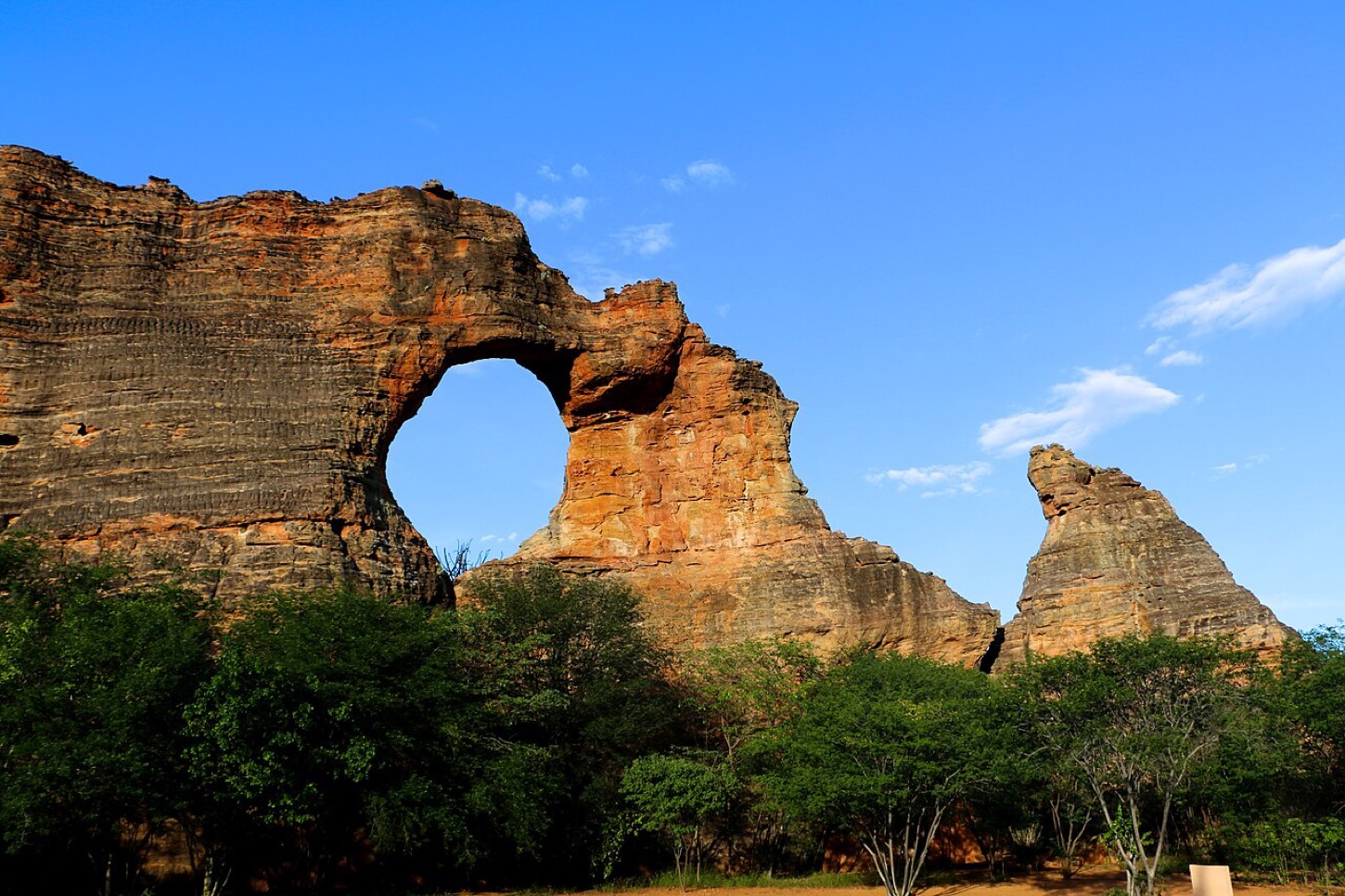 South America
Brazil ↗
Serra da Capivara rock shelters
Layered shelter deposits preserve evidence for debated early activity. Protected painted shelters document a separate, complex archaeological record.
0.022 Ma → Today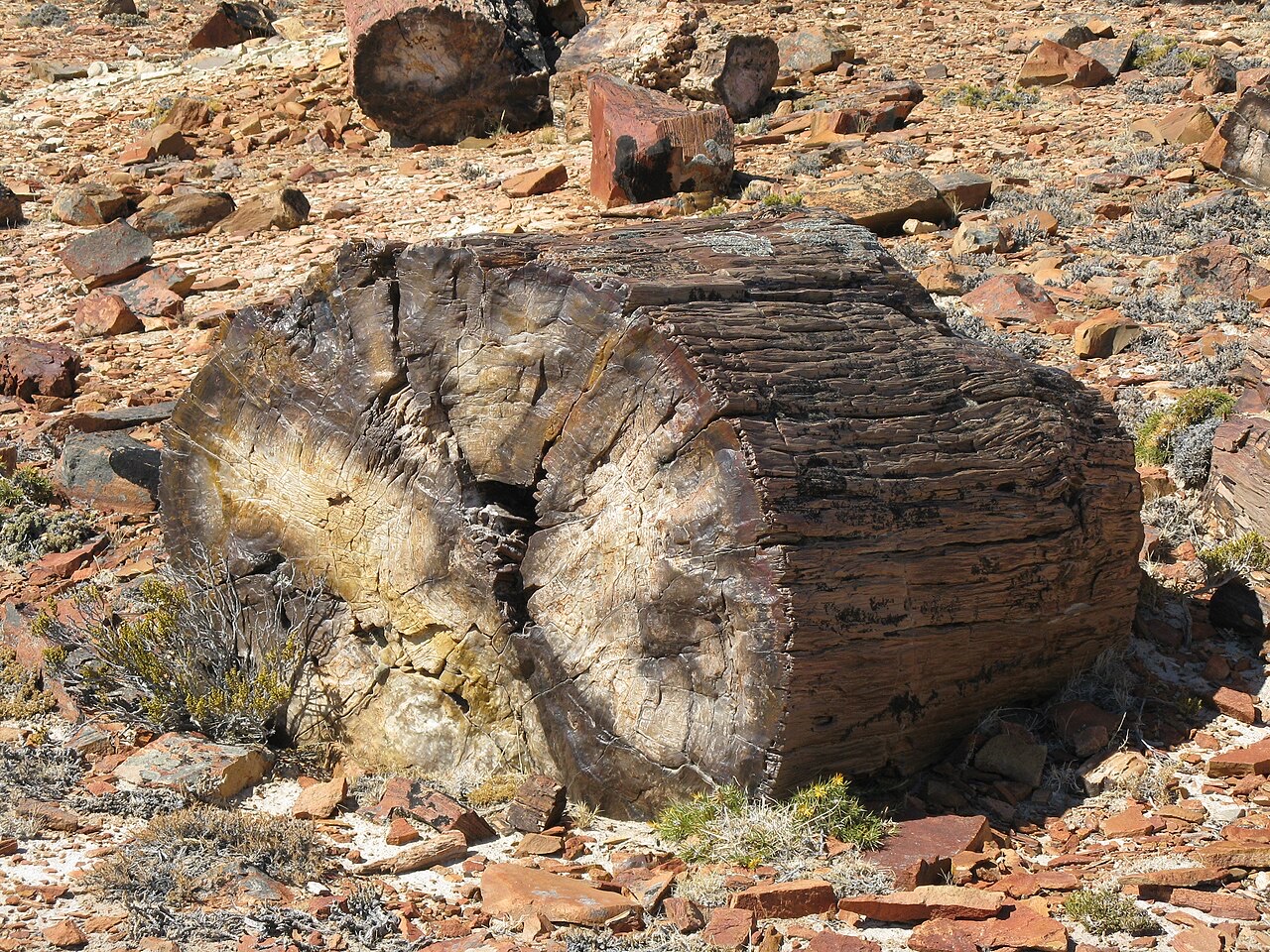 South America
Argentina ↗
Southern Patagonia
Jurassic petrified conifers and Miocene mammals reveal two distinct southern Patagonian ecosystems without treating “forest” as an unchanging habitat.
160 Ma → 17 Ma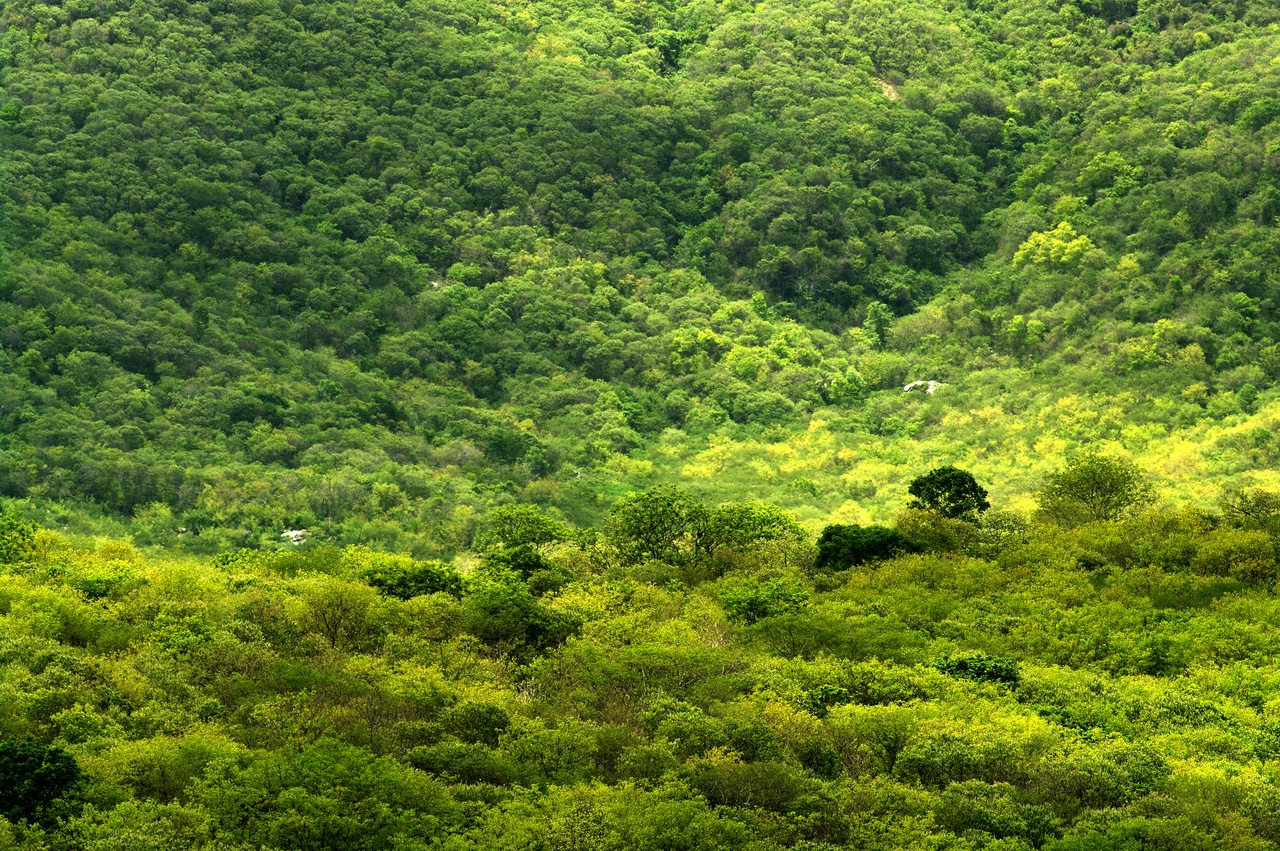 South America
Brazil ↗
The Araripe Basin
The Crato and Romualdo formations preserve contrasting Early Cretaceous depositional settings during the reorganization of northeastern Brazil.
118 Ma → 113 Ma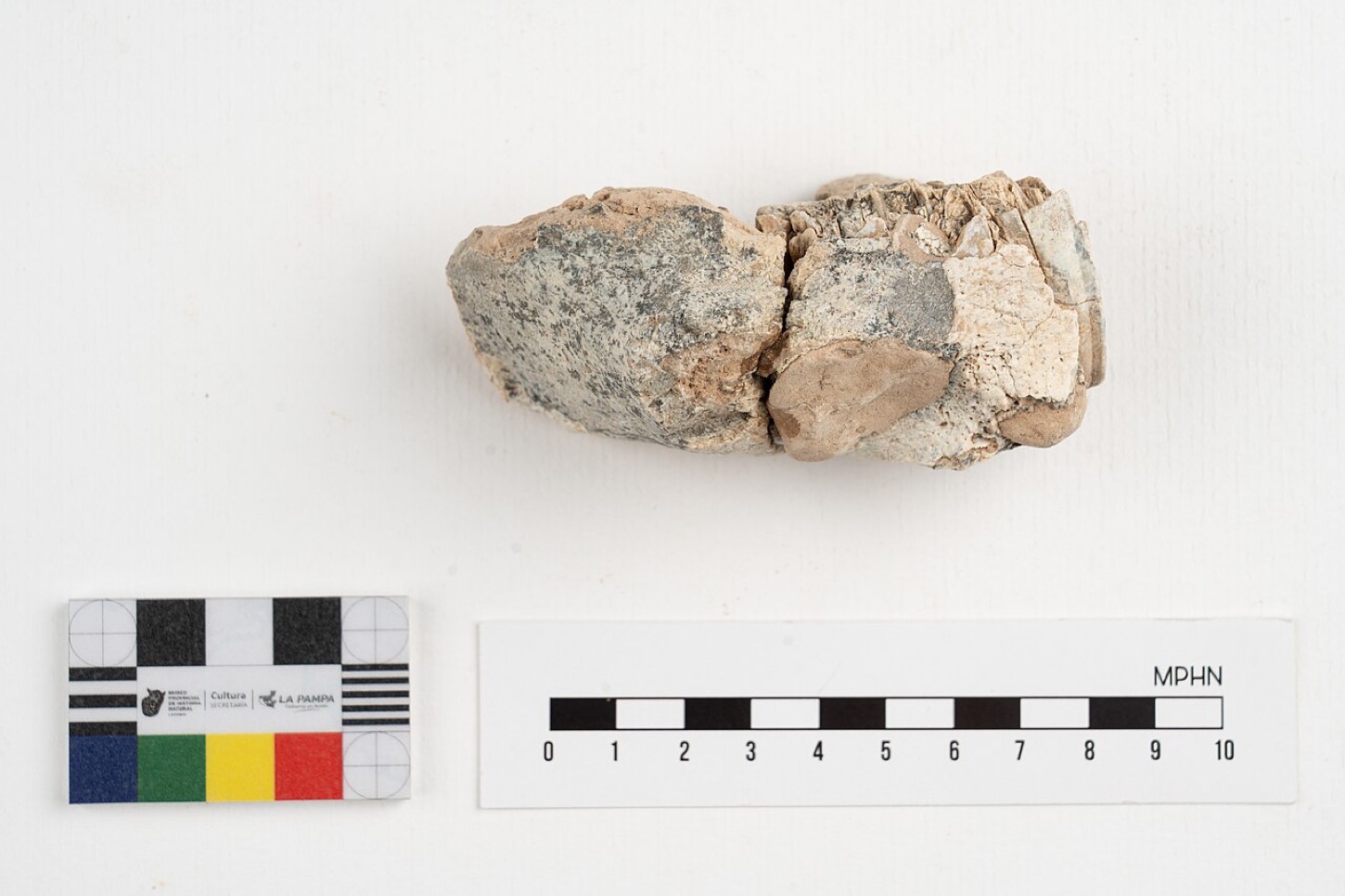 South America
Argentina ↗
The Pampas at Arroyo Seco 2
Dated bones and tools at Arroyo Seco 2 document late Pleistocene activity. Later burials cut down into some older layers.
0.014 Ma → 0.0086 Ma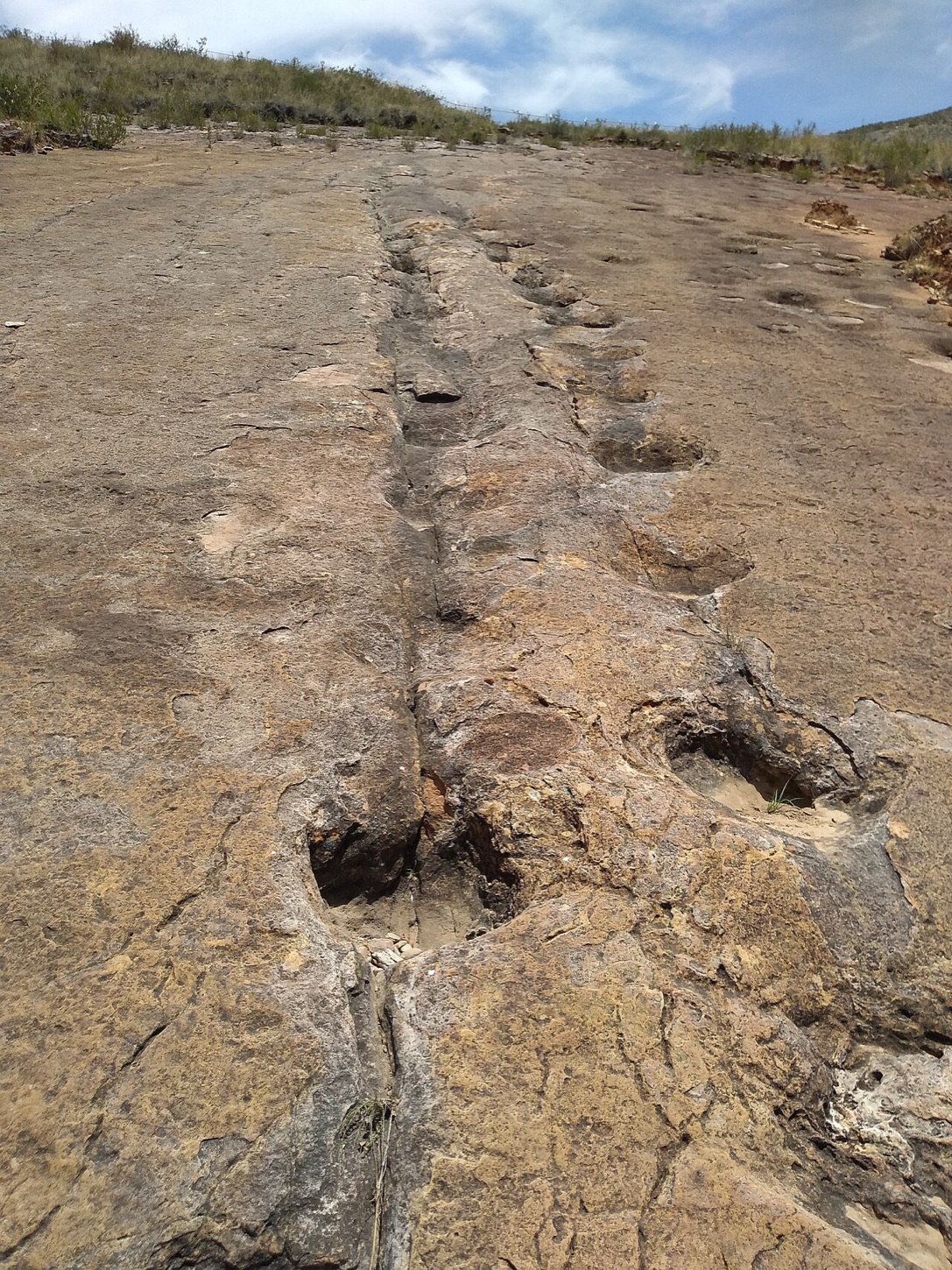 South America
Bolivia ↗
Torotoro dinosaur track country
The El Molino Formation preserves dinosaur travel across ancient wet sediment. The footprints are visible today where erosion exposes their bedding surfaces.
69 Ma → Today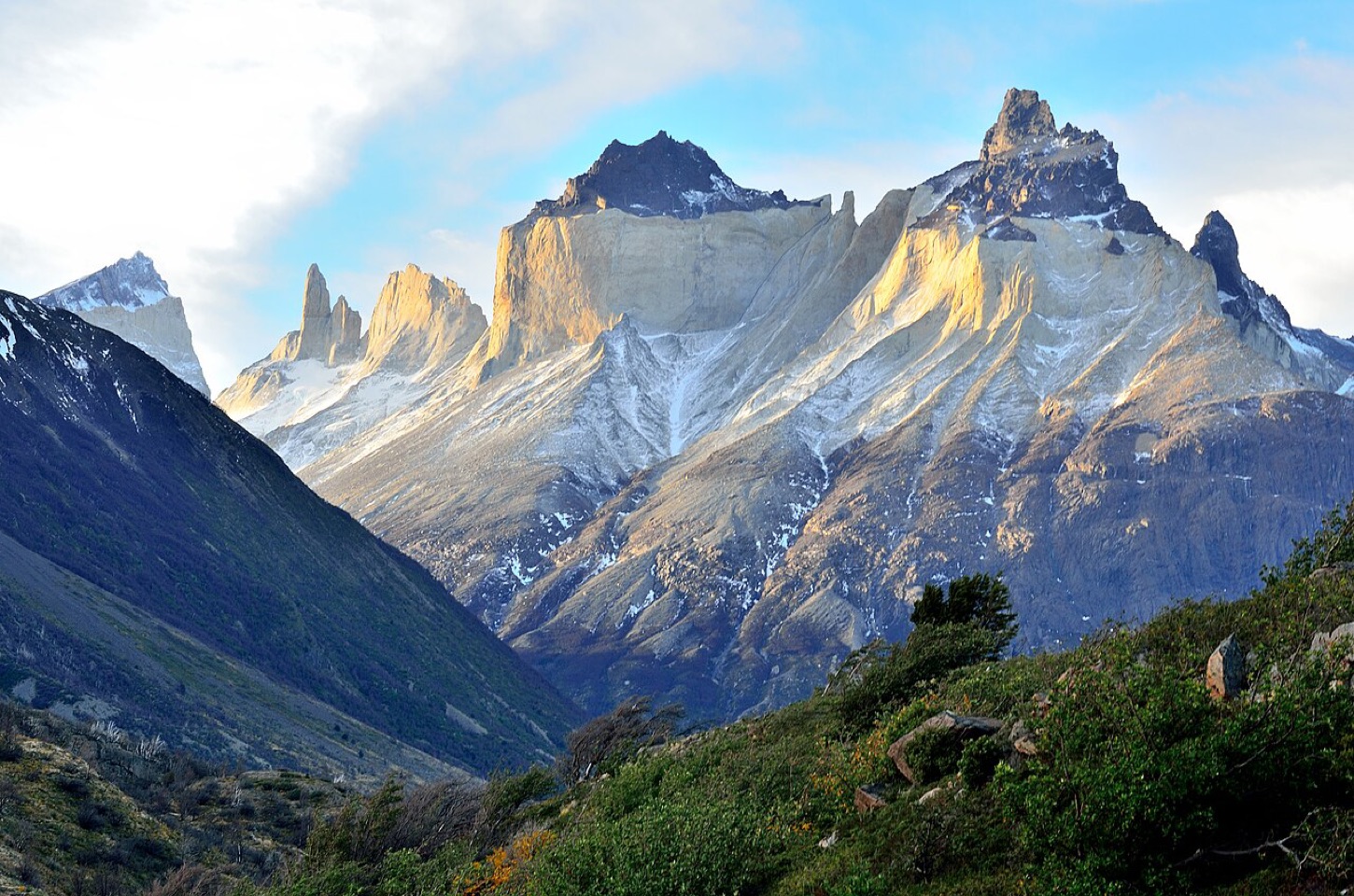 South America
Chile ↗
Torres del Paine massif
Pale granite intruded darker sedimentary rocks in the Miocene. Pleistocene glaciers later cut and reshaped the surrounding landscape.
12.5 Ma → 0.0135 MaNo matching places. Try a country, continent, or part of a place name.