
How can a lake tell us about animals that lived in trees?
Messel is a former lake deposit whose fossils extend well beyond aquatic life. Fish, insects, birds and mammals entered fine sediment in a small basin surrounded by forest. Some remains retain soft-tissue outlines or contents that disappear at most sites. These details help answer ecological questions, but the place that preserved an animal need not be the place where it spent its life. A horse skeleton in lake mud is evidence of transport or entry into water, not a swimming adaptation.
The basin originated as a volcanic maar. Drilling through the lake sequence encountered underlying volcanic material, allowing that origin to be tested against the rocks below the fossil-bearing shale. The lake subsequently accumulated a long sedimentary record under changing conditions. Oxygen-poor bottom waters helped reduce disruption of carcasses. This is a preservation explanation, not a claim that the entire water body was always lifeless or that one volcanic gas event killed every organism in the collection.
One especially informative specimen is a pregnant Eurohippus messelensis mare with fetal remains. It records a biological association much more specific than a reconstructed scene of horses in a forest. Imaging and detailed study distinguish the small fetal bones from the mother’s skeleton and surrounding material. Even this remarkable find has limits: one pregnancy cannot reveal the complete social life, population structure or everyday behaviour of the species.
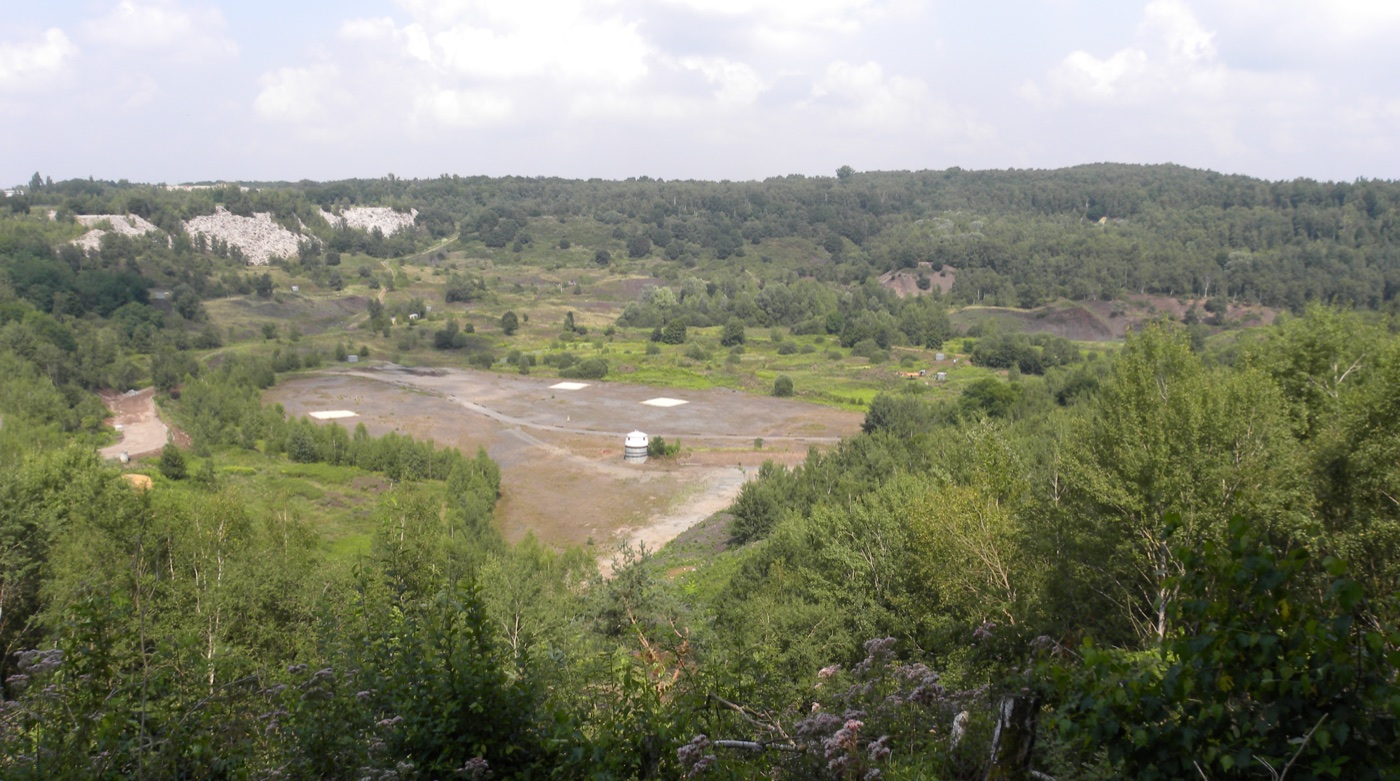
The younger state is the present protected excavation site. Industrial extraction removed large volumes of oil shale but also exposed fossils that might otherwise have remained unknown. The transition from lake bed to quarry is therefore both a geological history and a history of how evidence became available. Modern protection and scientific work preserve what remains. Comparing the two states reminds us that discovery date, excavation date and geological age are three separate pieces of information.
[1] [2] [3] [4]Time windows and evidence
Older ages are on the left. Bars span the dated intervals. A dot marks a single age.
- An Eocene lake beneath forest 47–48.5 Ma
- A protected window into the lake bed Today
- A pregnant Eurohippus mare, SMF-ME-11034 47–48.5 Ma
- Fossil-bearing Messel oil shale 47–48.5 Ma
- Volcanic material beneath the Messel lake succession 47.9–48.5 Ma
Researched windowsEvidence records
48 Ma · interval 47–48.5 Ma
An Eocene lake beneath forest
The Messel basin accumulated fine organic-rich lake sediment during the Eocene. The selected scene combines the documented aquatic setting with a schematic surrounding forest. Terrestrial remains entered the lake from outside its living aquatic community. Oxygen-poor bottom conditions favoured preservation, but the drawing is not a measured oxygen profile or a reconstruction of a single death event. The broad age range acknowledges published numerical calibration differences and the duration of deposition.
[4] [2] [1]Locate this time in the atlas ↗Observed
Fine lake shale preserves articulated animals and plant remains; drilling documents volcanic material beneath the lake succession.
Reconstructed
A volcanic crater lake receiving material from a warm forested catchment.
Uncertain
Details of lake chemistry and the causes of death vary among beds and organisms.
Evidence windows overlapping this state: 3. Overlap does not establish exact coexistence.
body fossil · Messel ↗
A pregnant Eurohippus mare, SMF-ME-11034
The Messel specimen catalogued as SMF-ME-11034 includes a Eurohippus messelensis mare and fetal remains. Detailed imaging helped identify bones that are difficult to distinguish on the exposed surface. This is unusually direct evidence of pregnancy in an extinct early equoid. It still requires careful interpretation of compression, displaced bones and preserved tissue outlines. The find gives a biological moment within the broader lake archive without turning that archive into a complete account of the animal’s life.
sediment · Messel ↗
Fossil-bearing Messel oil shale
Messel’s fine organic-rich sediment is the physical archive holding its celebrated fossils. Layering and unusual preservation allow scientists to connect biological remains with lake conditions. The shale should not be treated as a neutral container: bottom-water chemistry and disturbance helped select which remains survived and in what condition. Reading the sediment alongside the fossils is therefore essential to deciding whether a feature reflects the living ecosystem or the pathway into the rock record.
radiometric · Messel ↗
Volcanic material beneath the Messel lake succession
A drill core at Messel reached volcanic material beneath the lake sediments. Argon dating of a basaltic clast supplied an age near 48.2 Ma, with the exact estimate varying with calibration. The sediments above that material supply another clock: changes in their composition can be fitted to cycles in Earth’s orbit. The published model places the lower and sampled middle parts of the lake succession between about 48.1 and 47.2 Ma. That model estimates the ages of sampled sediment layers, while the volcanic date anchors the model near the base.
Today · interval Today
A protected window into the lake bed
The protected Messel Pit exposes oil shale left by the Eocene lake. The shale was once extracted industrially. The pit visitors see today records that excavation as well as the lake beneath it.
[1]Locate this time in the atlas ↗Observed
An excavated former mine exposes fossil-bearing Eocene shale within a protected site.
Reconstructed
Modern access to the fossil record reflects geological exposure and industrial excavation.
Uncertain
The present surface has been substantially modified; it cannot be treated as the natural shape of the Eocene basin.
Evidence windows overlapping this state: 0. Overlap does not establish exact coexistence.
No curated evidence record overlaps this window. The full notebook for this region appears below.
What this story cannot resolve
The 48 Ma snapshot represents part of the Eocene lake history. Fossils excavated from different levels of the oil shale represent different times and stages of the lake.
Keep these ideas handy
Exceptional preservation
Preservation that retains normally lost features such as soft tissues. Geologists call a deposit rich in such fossils a Konservat-Lagerstätte. Explore the idea ↗
Radiometric dating
Estimating the time of a geological event from radioactive decay and the isotopic composition of a suitable material. Explore the idea ↗
Sampling bias
Differences between the history of life and the subset preserved, exposed, collected, identified and published. Explore the idea ↗
The evidence notebook
body fossil · Messel ↗
A pregnant Eurohippus mare, SMF-ME-11034
The Messel specimen catalogued as SMF-ME-11034 includes a Eurohippus messelensis mare and fetal remains. Detailed imaging helped identify bones that are difficult to distinguish on the exposed surface. This is unusually direct evidence of pregnancy in an extinct early equoid. It still requires careful interpretation of compression, displaced bones and preserved tissue outlines. The find gives a biological moment within the broader lake archive without turning that archive into a complete account of the animal’s life.
sediment · Messel ↗
Fossil-bearing Messel oil shale
Messel’s fine organic-rich sediment is the physical archive holding its celebrated fossils. Layering and unusual preservation allow scientists to connect biological remains with lake conditions. The shale should not be treated as a neutral container: bottom-water chemistry and disturbance helped select which remains survived and in what condition. Reading the sediment alongside the fossils is therefore essential to deciding whether a feature reflects the living ecosystem or the pathway into the rock record.
radiometric · Messel ↗
Volcanic material beneath the Messel lake succession
A drill core at Messel reached volcanic material beneath the lake sediments. Argon dating of a basaltic clast supplied an age near 48.2 Ma, with the exact estimate varying with calibration. The sediments above that material supply another clock: changes in their composition can be fitted to cycles in Earth’s orbit. The published model places the lower and sampled middle parts of the lake succession between about 48.1 and 47.2 Ma. That model estimates the ages of sampled sediment layers, while the volcanic date anchors the model near the base.
Follow the evidence
Sources & credits
- Messel Pit Fossil Site ↗
UNESCO World Heritage Centre · Not stated
Use, credit & modifications
Reference only. No source text, photographs, figures or datasets reproduced. Original factual synthesis; no reuse licence asserted.
Credit: UNESCO World Heritage Centre — Messel Pit Fossil Site. Facts paraphrased into original educational text; ages rounded to declared teaching intervals. No asset reuse requested; territorial permissions not applicable.
- Messel Pit — permanent exhibition ↗
Senckenberg Society for Nature Research · Not stated
Use, credit & modifications
Reference only. No source text, photographs, figures or datasets reproduced. Original factual synthesis; no reuse licence asserted.
Credit: Senckenberg Society for Nature Research — Messel Pit — permanent exhibition. Facts paraphrased into original educational text; ages rounded to declared teaching intervals. No asset reuse requested; territorial permissions not applicable.
- Description of a Well Preserved Fetus of the European Eocene Equoid Eurohippus messelensis ↗
Franzen and colleagues / PLOS ONE · 2015
Use, credit & modifications
Reference only. No source text, photographs, figures or datasets reproduced. Original factual synthesis; no reuse licence asserted.
Credit: Franzen and colleagues / PLOS ONE — Description of a Well Preserved Fetus of the European Eocene Equoid Eurohippus messelensis. Facts paraphrased into original educational text; ages rounded to declared teaching intervals. No asset reuse requested; territorial permissions not applicable.
- Improved chronostratigraphy for the Messel Formation (Hesse, Germany) provides insight into early to middle Eocene climate variability ↗
Newsletters on Stratigraphy / Utrecht University repository · 2024
Use, credit & modifications
Reference only. No source text, photographs, figures or datasets reproduced. Original factual synthesis; no reuse licence asserted.
Credit: Newsletters on Stratigraphy / Utrecht University repository — Improved chronostratigraphy for the Messel Formation (Hesse, Germany) provides insight into early to middle Eocene climate variability. Facts paraphrased into original educational text; ages rounded to declared teaching intervals. No asset reuse requested; territorial permissions not applicable.
Follow the connections
 North America
United States ↗
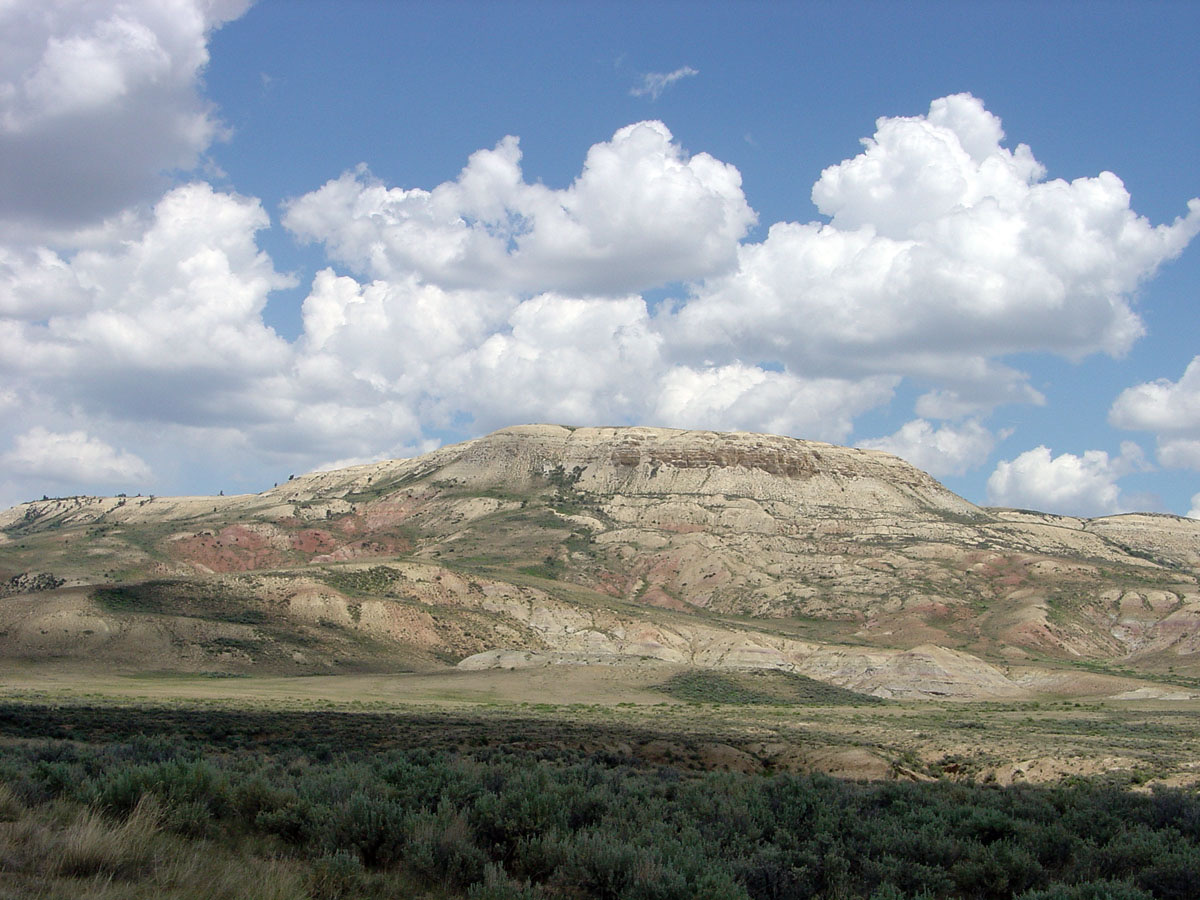
Fossil Lake, Wyoming
The Green River Formation records several Eocene lakes. At Fossil Lake, an expanding lake and its later shrinking, saltier stage left different sediments and different opportunities for preservation.
52 Ma → 51 Ma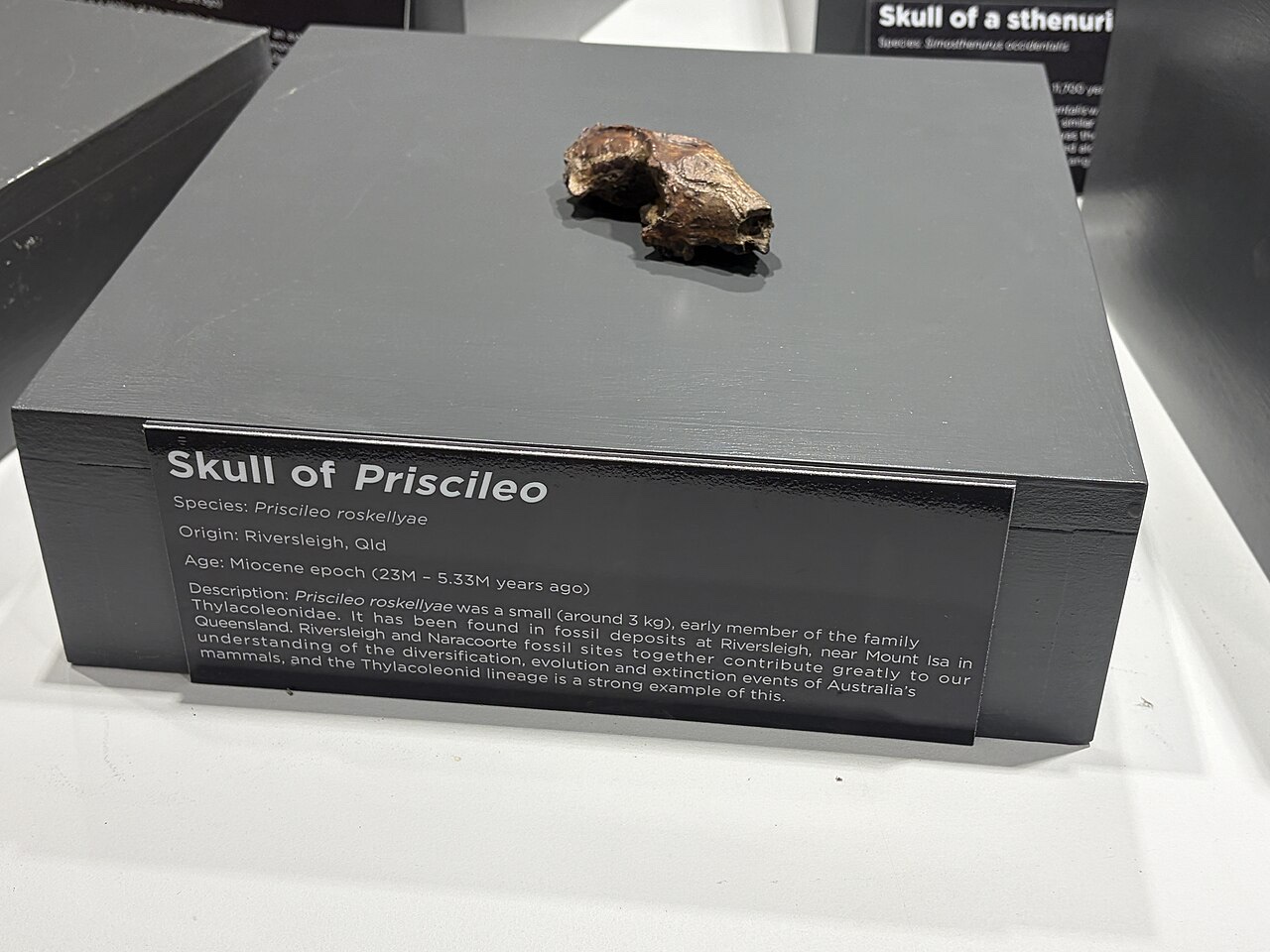 Oceania
Australia ↗
Riversleigh
Riversleigh’s fossil deposits connect wetter Oligocene–Miocene habitats with later faunas, revealing Australian mammals, birds, reptiles and bats.
23 Ma → 2.1 Ma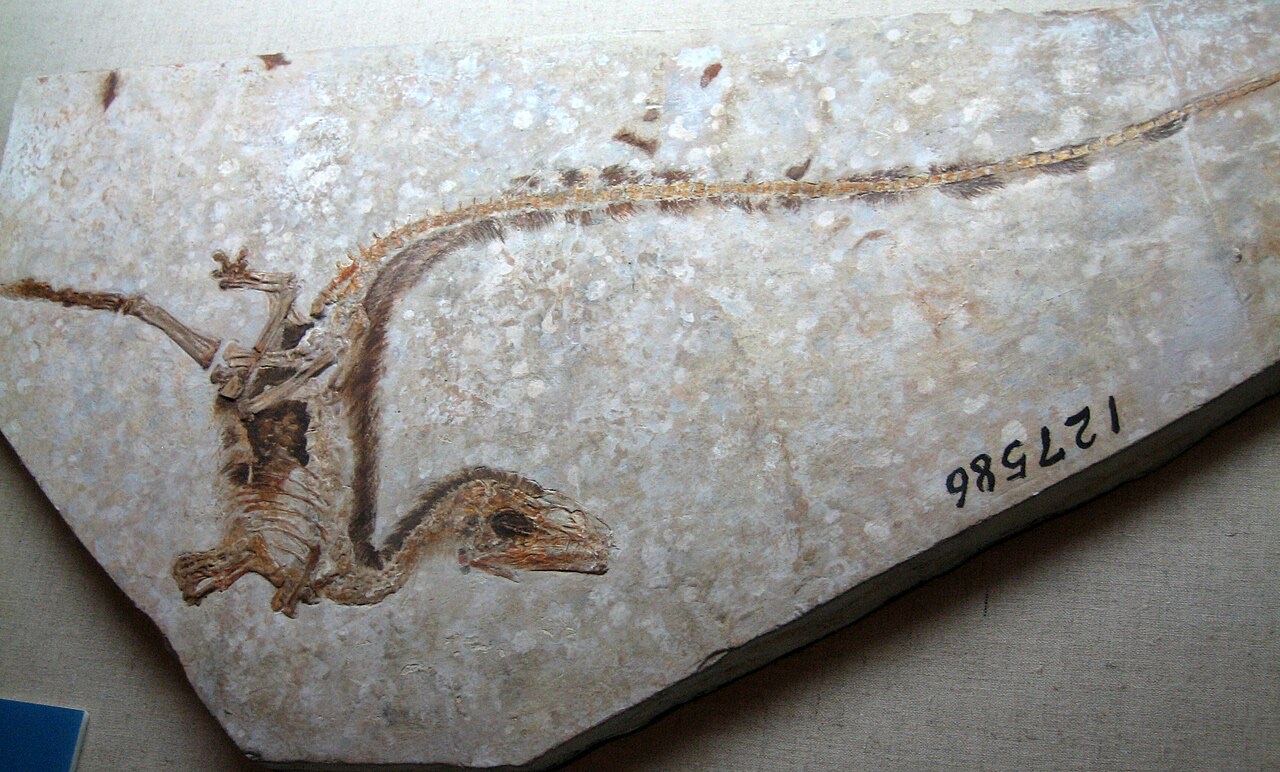 Asia
China ↗
Jehol lake country
The Yixian and Jiufotang formations preserve different Early Cretaceous windows into northeastern China’s lake and terrestrial ecosystems.
125 Ma → 120 Ma