
How do separate lake deposits become a history rather than one crowded scene?
The name Jehol Biota can make a broad fossil record sound like one moment. In fact, it embraces different formations, localities and intervals of the Early Cretaceous. Lakes received remains of organisms living in water and on surrounding land. Fine sediment and unusual burial conditions sometimes preserved feathers and other delicate structures. Those fossils changed what could be demonstrated about dinosaur coverings, but the terrestrial animals did not all live in the water where their bodies came to rest.
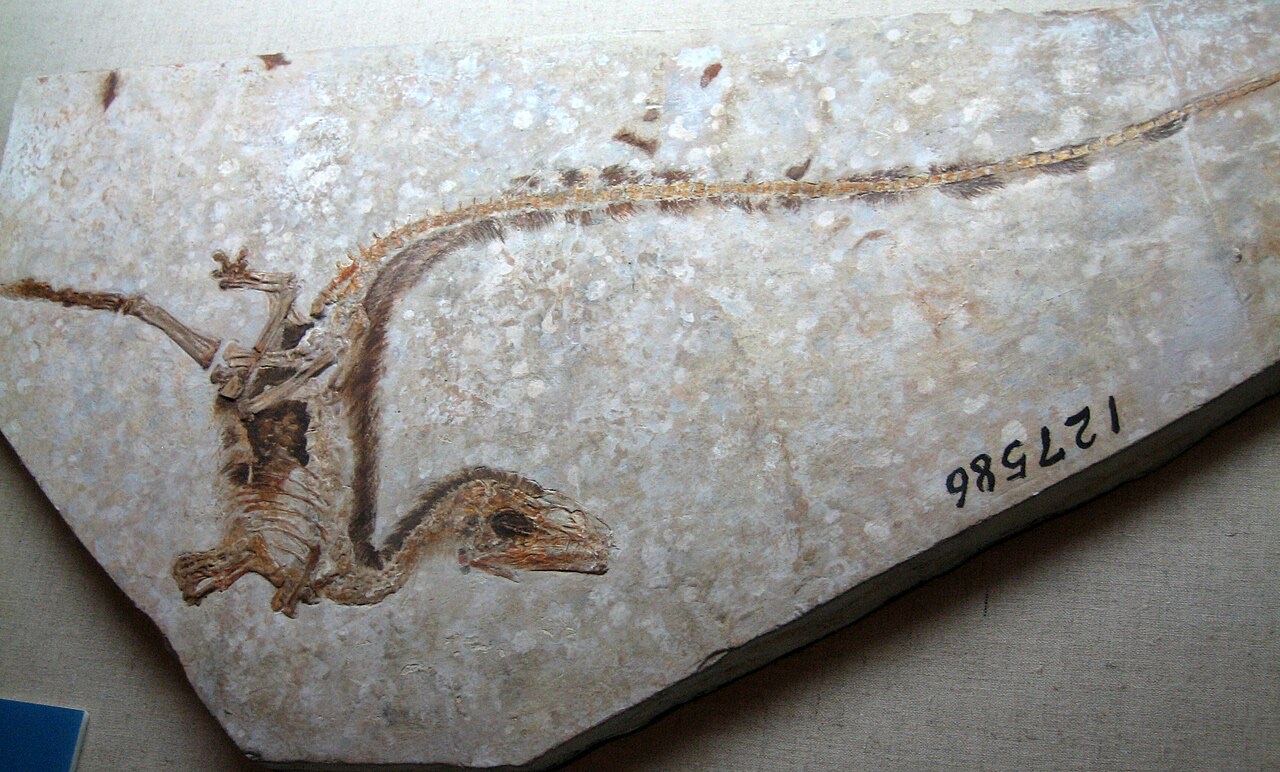
The Yixian Formation provides the older window here. High-precision zircon dating in the Jin–Yang basin brackets the studied formation between approximately 125.76 and 124.12 million years ago. These dates should not be stretched to every place ever called Yixian. Fossils such as Sinosauropteryx document filamentous coverings on a non-avian theropod. An observation about a covering does not automatically establish its colour, use or the animal’s ability to fly; those questions require further evidence.
The younger Jiufotang window includes feathered Microraptor specimens around 120 million years old. Their feather arrangements support functional questions about movement that cannot be answered merely by drawing wings. Comparing the two formations reveals changes in the available fossil sample through time while preserving their shared setting of terrestrial ecosystems recorded in lake-related deposits. The atlas deliberately keeps the two cards separate. A reconstruction that mixes their best-known animals into one undated menagerie would conceal the evidence that makes the comparison meaningful.
[1] [2] [3] [4]Time windows and evidence
Older ages are on the left. Bars span the dated intervals. A dot marks a single age.
- The Yixian lake-and-land record 124.1–125.8 Ma
- The Jiufotang feathered-dinosaur window 119–121 Ma
- Zircon ages from the Jin–Yang Yixian succession 124.1–125.8 Ma
- Sinosauropteryx in the Yixian Formation 124.1–125.8 Ma
- Microraptor specimen IVPP V13352 119–121 Ma
Researched windowsEvidence records
125 Ma · interval 124.1–125.8 Ma
The Yixian lake-and-land record
The older window represents Yixian deposits in northeastern China, especially the dated Jin–Yang basin succession. Lake sediments, volcanic material and terrestrial remains contribute different parts of the record. A lake-edge illustration links these components without claiming that every fossil was buried by the same eruption. The age interval is a rounded summary of a published regional chronology; formations can vary in age and completeness between basins.
[1] [2]Locate this time in the atlas ↗Observed
Zircon dates and fossil-bearing sedimentary units constrain the Yixian succession.
Reconstructed
Lakes collected remains from aquatic habitats and surrounding terrestrial communities.
Uncertain
Different burial pathways occur; one catastrophic mechanism should not be assigned to all Jehol fossils.
Evidence windows overlapping this state: 2. Overlap does not establish exact coexistence.
radiometric · Jehol lake country ↗
Zircon ages from the Jin–Yang Yixian succession
Zircon crystals in volcanic material provide an independent clock for fossil-bearing sedimentary sequences. Published high-precision uranium–lead ages bracket the studied Yixian succession at roughly 125.76 to 124.12 million years. The rounded interval used here retains the formation-scale order without pretending that all fossil beds have an identical date. Radiometric measurements constrain a depositional history; their meaning still depends on where the dated material lies.
body fossil · Jehol lake country ↗
Sinosauropteryx in the Yixian Formation
Sinosauropteryx specimens preserve a small theropod skeleton with associated filamentous structures. The specimen-based description made these coverings part of the anatomical evidence for non-avian dinosaurs, rather than an artistic choice. The useful question is what the specimen actually preserves and how alternative explanations can be tested. Wings, flight performance and the colours of all species cannot be supplied by this observation alone.
120 Ma · interval 119–121 Ma
The Jiufotang feathered-dinosaur window
The Jiufotang Formation near Chaoyang preserves feathered theropods, including Microraptor from Dapingfang. Volcanic ash in the formation at Shangheshou yielded an age of about 120.3 Ma. That dated layer helps place the younger record in time. Each fossil locality still requires its own stratigraphic context.
[3] [4]Locate this time in the atlas ↗Observed
Microraptor remains and other fossils occur in Jiufotang deposits near Chaoyang.
Reconstructed
Lake basins continued to preserve animals from surrounding terrestrial ecosystems.
Uncertain
A fossil’s burial setting is not automatically its preferred living habitat.
Evidence windows overlapping this state: 1. Overlap does not establish exact coexistence.
What this story cannot resolve
The Yixian formation dates here describe the Jin–Yang basin. The Jiufotang snapshot draws on a different set of sites and a dated tuff at Shangheshou.
Keep these ideas handy
Exceptional preservation
Preservation that retains normally lost features such as soft tissues. Geologists call a deposit rich in such fossils a Konservat-Lagerstätte. Explore the idea ↗
Radiometric dating
Estimating the time of a geological event from radioactive decay and the isotopic composition of a suitable material. Explore the idea ↗
Evolutionary tree
A branching hypothesis of relationships among organisms, inferred from shared evidence rather than arranged as a ladder of progress. Explore the idea ↗
The evidence notebook
radiometric · Jehol lake country ↗
Zircon ages from the Jin–Yang Yixian succession
Zircon crystals in volcanic material provide an independent clock for fossil-bearing sedimentary sequences. Published high-precision uranium–lead ages bracket the studied Yixian succession at roughly 125.76 to 124.12 million years. The rounded interval used here retains the formation-scale order without pretending that all fossil beds have an identical date. Radiometric measurements constrain a depositional history; their meaning still depends on where the dated material lies.
body fossil · Jehol lake country ↗
Sinosauropteryx in the Yixian Formation
Sinosauropteryx specimens preserve a small theropod skeleton with associated filamentous structures. The specimen-based description made these coverings part of the anatomical evidence for non-avian dinosaurs, rather than an artistic choice. The useful question is what the specimen actually preserves and how alternative explanations can be tested. Wings, flight performance and the colours of all species cannot be supplied by this observation alone.
body fossil · Jehol lake country ↗
Microraptor specimen IVPP V13352
This Jiufotang specimen preserves feathers, including flight feathers of different exposed lengths. One team interpreted gaps and length differences as stages in a sequence of feather replacement. A comparison of several fossils found no other examples of this pattern and documented displaced feathers elsewhere on the same slab. The specimen comes from near Dapingfang in Chaoyang County.
Follow the evidence
Sources & credits
- High-precision geochronological constraints on the duration of Dinosaur Pompeii and the Yixian Formation ↗
Zhong et al.; National Science Review · 2021
Use, credit & modifications
Reference only. No third-party prose, figures, photographs or datasets reproduced; factual interpretation written originally for this atlas.
Credit: Zhong et al.; National Science Review — High-precision geochronological constraints on the duration of Dinosaur Pompeii and the Yixian Formation. Original educational synthesis; geological ages rounded into explicitly labelled teaching intervals. No licensed media incorporated; no territorial reuse permission asserted.
- An exceptionally well-preserved theropod dinosaur from the Yixian Formation of China ↗
Chen, Dong and Zhen; Nature · 1998
Use, credit & modifications
Reference only. No third-party prose, figures, photographs or datasets reproduced; factual interpretation written originally for this atlas.
Credit: Chen, Dong and Zhen; Nature — An exceptionally well-preserved theropod dinosaur from the Yixian Formation of China. Original educational synthesis; geological ages rounded into explicitly labelled teaching intervals. No licensed media incorporated; no territorial reuse permission asserted.
- Sequential molt in a feathered dinosaur and implications for early paravian ecology and locomotion ↗
Kiat et al.; Current Biology / Institute of Vertebrate Paleontology and Paleoanthropology · 2020
Use, credit & modifications
Reference only. No third-party prose, figures, photographs or datasets reproduced; factual interpretation written originally for this atlas.
Credit: Kiat et al.; Current Biology / Institute of Vertebrate Paleontology and Paleoanthropology — Sequential molt in a feathered dinosaur and implications for early paravian ecology and locomotion. Original educational synthesis; geological ages rounded into explicitly labelled teaching intervals. No licensed media incorporated; no territorial reuse permission asserted.
- A new microraptorine theropod from the Jehol Biota and growth in early dromaeosaurids ↗
Poust et al.; The Anatomical Record · 2020
Use, credit & modifications
Reference only. No third-party prose, figures, photographs or datasets reproduced; factual interpretation written originally for this atlas.
Credit: Poust et al.; The Anatomical Record — A new microraptorine theropod from the Jehol Biota and growth in early dromaeosaurids. Original educational synthesis; geological ages rounded into explicitly labelled teaching intervals. No licensed media incorporated; no territorial reuse permission asserted.
Follow the connections
 Europe
Germany ↗
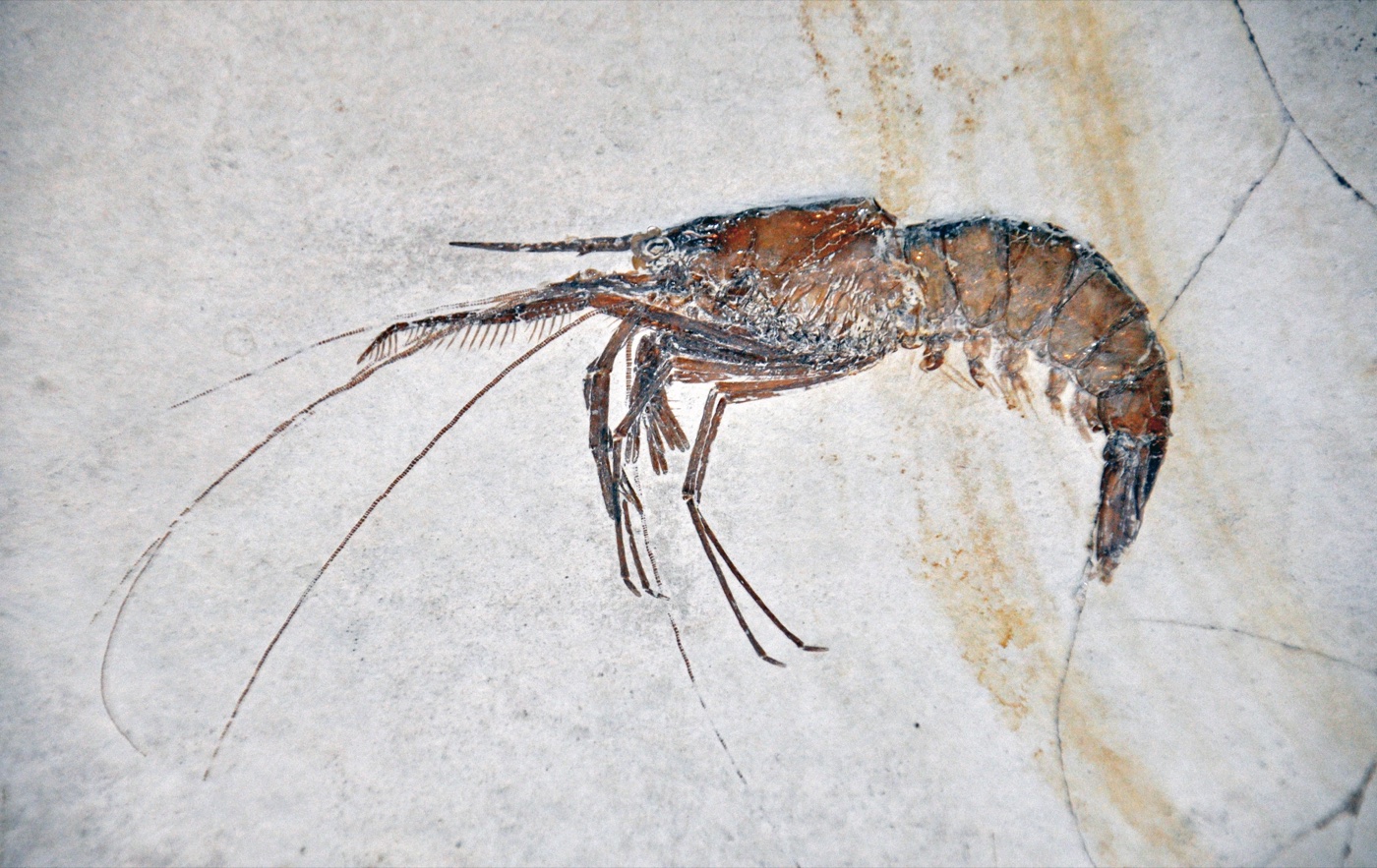
Solnhofen–Eichstätt
Fine Jurassic limestone preserves feathered dinosaurs, marine animals and traces of movement. Their shared burial place need not mean a shared habitat or a single cause of death.
150 Ma → Today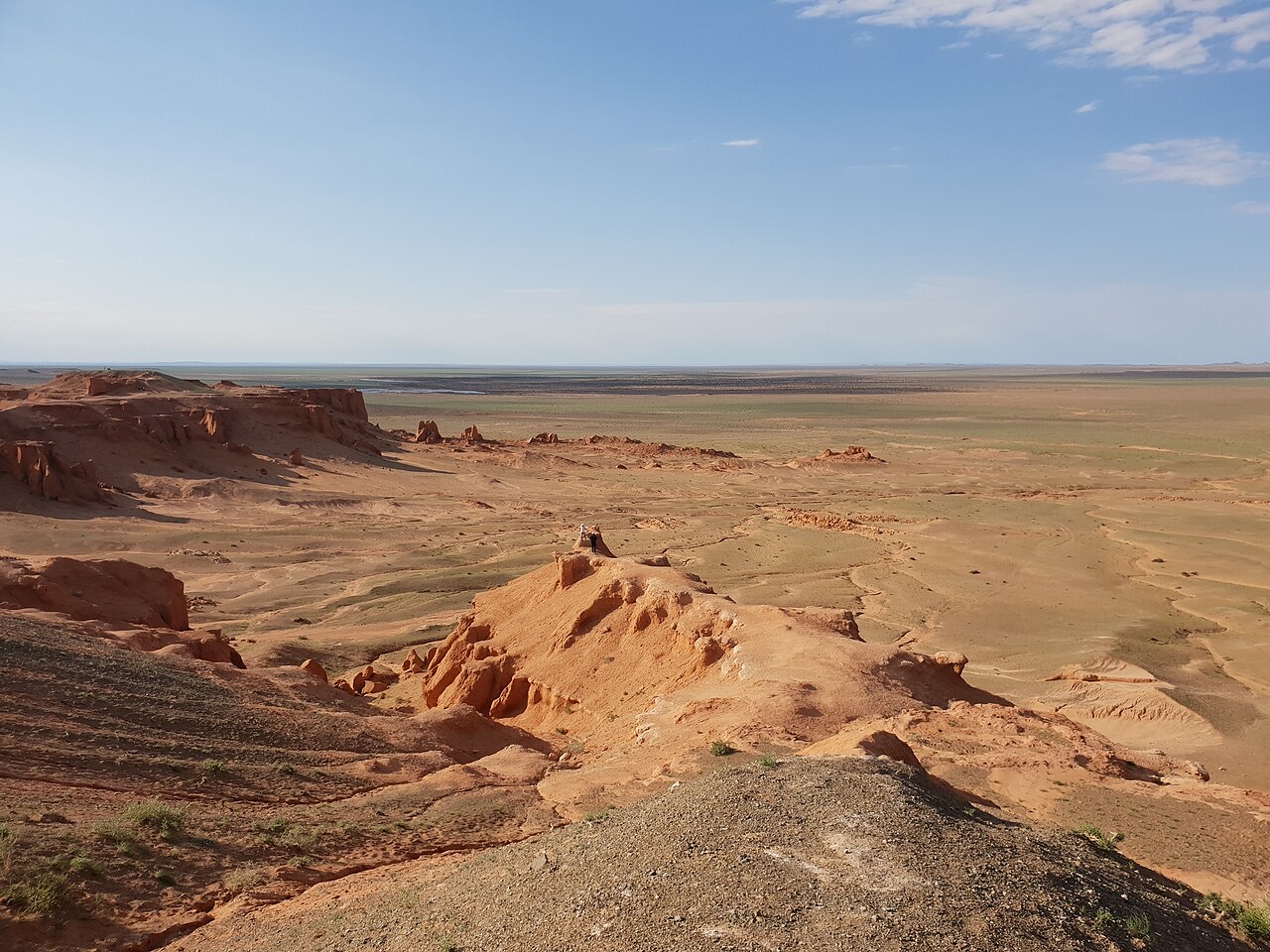 Asia
Mongolia ↗
The Mongolian Gobi
Late Cretaceous Gobi formations preserve contrasting environments and unusually direct clues to dinosaur behaviour.
75 Ma → 70 Ma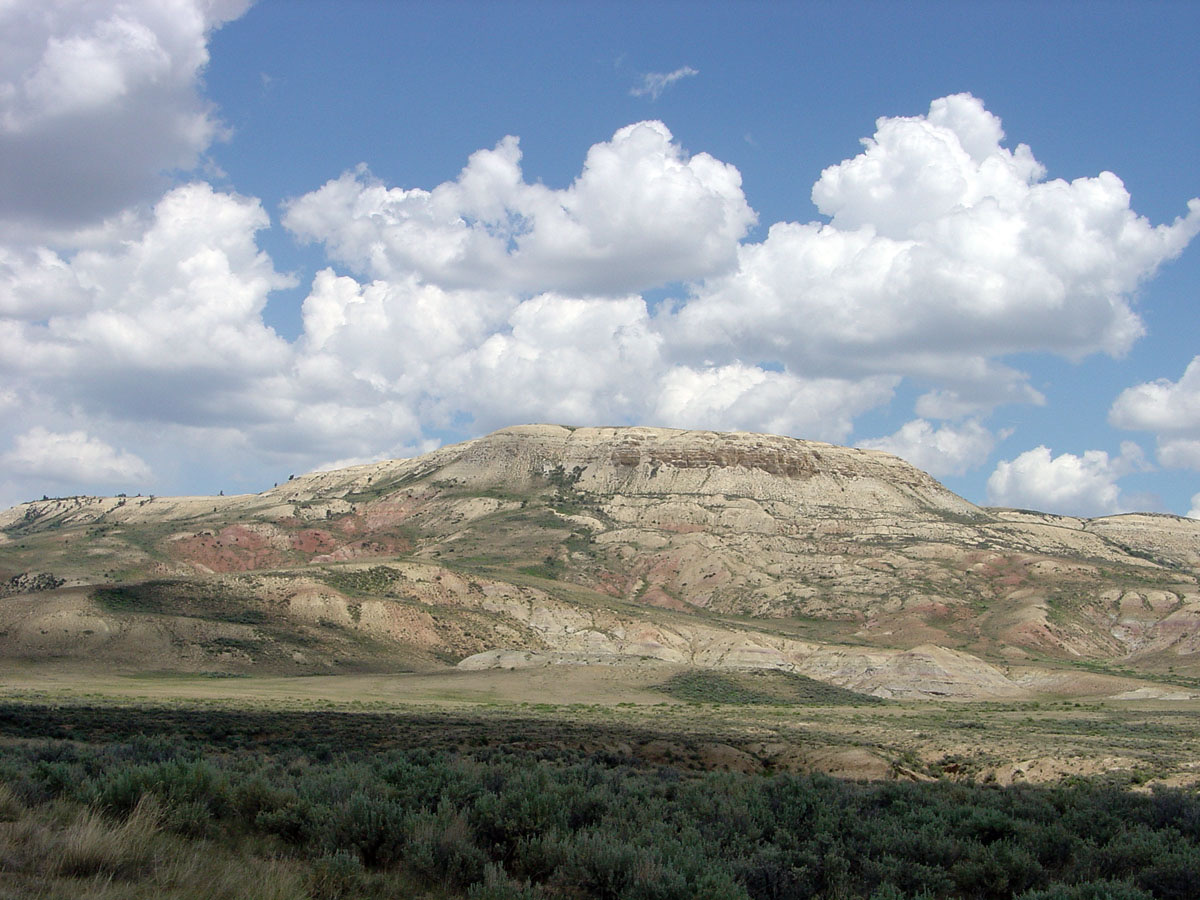 North America
United States ↗
Fossil Lake, Wyoming
The Green River Formation records several Eocene lakes. At Fossil Lake, an expanding lake and its later shrinking, saltier stage left different sediments and different opportunities for preservation.
52 Ma → 51 Ma