
Why do a lake’s best fossils occur in only some of its layers?
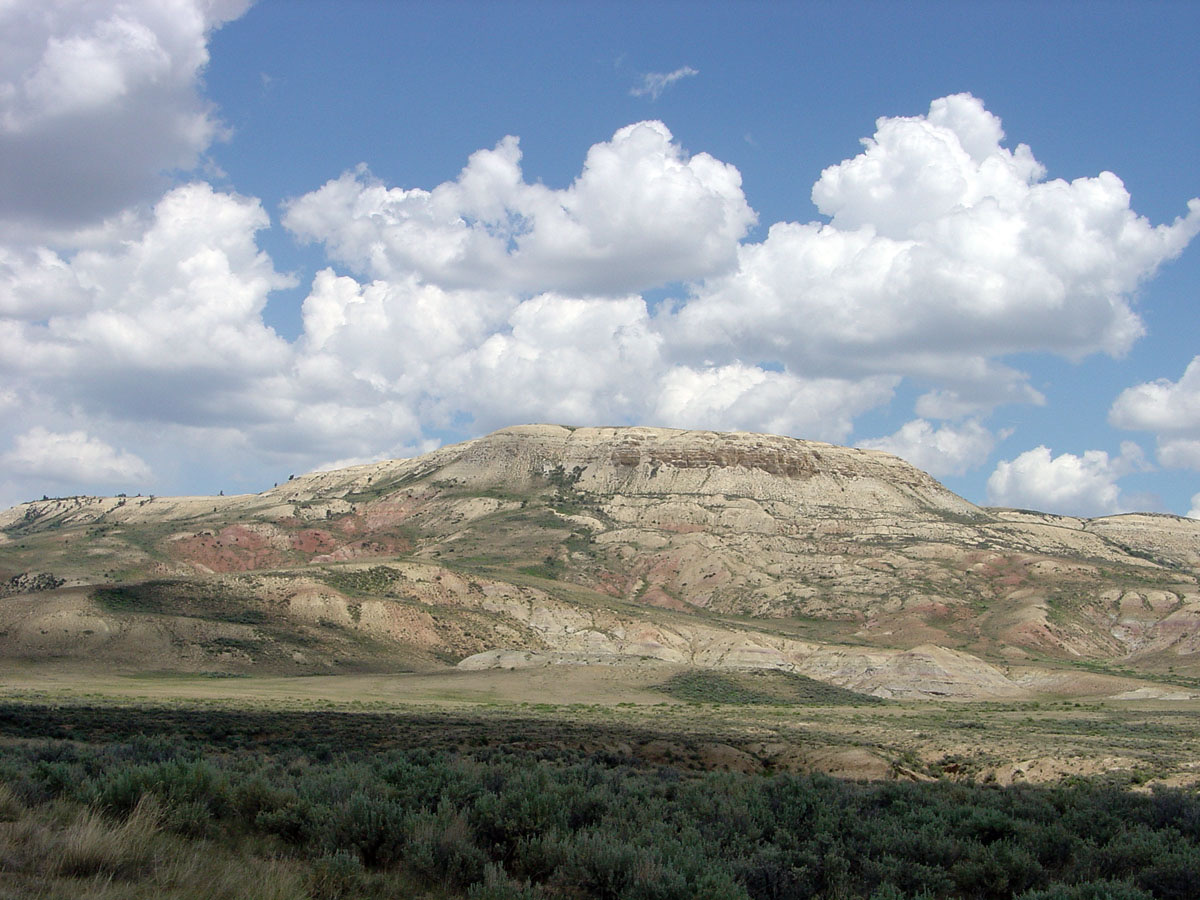
Green River is a formation name, not the name of one enormous lake that remained fixed throughout the Eocene. Fossil Lake, Lake Gosiute and Lake Uinta occupied separate basins in what is now the western United States. Here the focus is Fossil Lake in southwestern Wyoming. Holding that geographic scope steady helps avoid combining fish, dates and lake conditions from different basins into one invented ecosystem.
At Fossil Butte, the local succession includes the Road Hollow, Fossil Butte and Angelo members. These record an evolving lake rather than three copies of the same scene. The Fossil Butte Member represents its more expansive phase and contains many exceptionally preserved fossils. Later Angelo deposits record shallowing, contraction and increased salinity. Changes in mineral composition help diagnose that environmental shift without needing to infer it from fish alone.
The surrounding land contributed its own evidence. River and floodplain sediment of the Wasatch Formation preserves mammal teeth and bones, while some terrestrial organisms were transported into the lake. A bat or leaf in lake sediment therefore does not imply an aquatic lifestyle. Conversely, a fish skeleton still needs sedimentological context before it can be assigned to a particular kind of water body. The archive crosses habitat boundaries when wind, water and gravity move remains.
The older and younger atlas scenes show a relatively expansive lake and a later contracted one. Their ages are deliberately rounded and overlapping because the selected member-scale descriptions are more secure than a universal date for each shoreline position. The comparison is about a directional change in a documented local succession. It does not suggest that every lake in the Green River system became saltier simultaneously or that every exquisitely preserved fish died in the same event.
[1] [2] [3]Time windows and evidence
Older ages are on the left. Bars span the dated intervals. A dot marks a single age.
- An expansive Eocene lake 51.5–53 Ma
- The lake contracts and grows saltier 50–52 Ma
- Knightia eocaena in Fossil Lake 51.5–53 Ma
- Cantius in Wasatch Formation deposits 50–56 Ma
- Angelo Member salt-bearing sediment 50–52 Ma
Researched windowsEvidence records
52 Ma · interval 51.5–53 Ma
An expansive Eocene lake
The Fossil Butte Member represents a comparatively deep and expansive phase of Fossil Lake. Fine carbonate-rich sediment accumulated, preserving fish and other organisms with exceptional detail. The lake margin in this illustration is schematic; its area and depth varied, and the surviving rock outcrop is not identical to the former shoreline. The representative age follows the National Park Service’s approximately 52-million-year framing rather than giving each fossil bed an invented exact date.
[1] [2] [3]Locate this time in the atlas ↗Observed
Laminated carbonate-rich beds contain articulated fish and diverse other remains.
Reconstructed
A lake with conditions that sometimes suppressed scavenging and disruption at the bottom.
Uncertain
Seasonal processes and preservation differed between beds; there is no single mortality mechanism established for every fossil.
Evidence windows overlapping this state: 3. Overlap does not establish exact coexistence.
body fossil · Fossil Lake, Wyoming ↗
Knightia eocaena in Fossil Lake
At Fossil Butte, the National Park Service documents Knightia eocaena skeletons, sometimes clustered on a slab. The fish is identified from preserved anatomy, while the clusters document a concentration of bodies. A dense slab does not by itself tell whether many fish died together, whether remains collected in one spot, or how common the species normally was. The fine lake deposits preserve anatomical detail that isolated scales or fragments would lose.
body fossil · Fossil Lake, Wyoming ↗
Cantius in Wasatch Formation deposits
Cantius remains in the Wasatch Formation add a terrestrial component to the Fossil Lake story. The surrounding red, tan and grey deposits include sediment laid down by streams and on floodplains. Mammal teeth and bone fragments are less visually spectacular than complete fish, but they show that the lake sat within a wider inhabited basin. Some river and lake deposition overlapped, so these formations are not simply successive worlds with no interaction.
sediment · Fossil Lake, Wyoming ↗
Angelo Member salt-bearing sediment
The Angelo Member supplies a non-animal line of evidence for the lake’s later history. Its mineral assemblage includes materials associated with evaporation and increasing salinity. This makes it a useful counterweight to an ecosystem story built only from beautiful fish slabs. Minerals record water chemistry and sedimentary processes; they do not name the organisms that were alive. Their position above earlier lake deposits anchors the direction of environmental change.
51 Ma · interval 50–52 Ma
The lake contracts and grows saltier
The younger Angelo Member records a diminishing Fossil Lake. Mineral evidence indicates increasing salinity as evaporation outpaced replenishment. The scene illustrates this member-scale transition with a smaller water body, not a surveyed shoreline at exactly 51 Ma. It should be read as the next chapter in a local sedimentary sequence. The teaching age interval overlaps the older scene to acknowledge limited numerical resolution and the duration of deposition.
[1]Locate this time in the atlas ↗Observed
Angelo Member deposits contain minerals including dolomite, chert, halite and trona.
Reconstructed
A shallower, contracting and increasingly saline lake.
Uncertain
Exact ages and geometry of individual lake margins are not specified by this teaching reconstruction.
Evidence windows overlapping this state: 3. Overlap does not establish exact coexistence.
body fossil · Fossil Lake, Wyoming ↗
Knightia eocaena in Fossil Lake
At Fossil Butte, the National Park Service documents Knightia eocaena skeletons, sometimes clustered on a slab. The fish is identified from preserved anatomy, while the clusters document a concentration of bodies. A dense slab does not by itself tell whether many fish died together, whether remains collected in one spot, or how common the species normally was. The fine lake deposits preserve anatomical detail that isolated scales or fragments would lose.
body fossil · Fossil Lake, Wyoming ↗
Cantius in Wasatch Formation deposits
Cantius remains in the Wasatch Formation add a terrestrial component to the Fossil Lake story. The surrounding red, tan and grey deposits include sediment laid down by streams and on floodplains. Mammal teeth and bone fragments are less visually spectacular than complete fish, but they show that the lake sat within a wider inhabited basin. Some river and lake deposition overlapped, so these formations are not simply successive worlds with no interaction.
sediment · Fossil Lake, Wyoming ↗
Angelo Member salt-bearing sediment
The Angelo Member supplies a non-animal line of evidence for the lake’s later history. Its mineral assemblage includes materials associated with evaporation and increasing salinity. This makes it a useful counterweight to an ecosystem story built only from beautiful fish slabs. Minerals record water chemistry and sedimentary processes; they do not name the organisms that were alive. Their position above earlier lake deposits anchors the direction of environmental change.
What this story cannot resolve
Snapshot age ranges are teaching envelopes for a local succession, not published error bars. They overlap intentionally. The modern marker represents Fossil Butte, not all three Green River lake basins.
Keep these ideas handy
Sedimentary basin
An area in which sediment can accumulate and be preserved over time. Explore the idea ↗
Facies
The observable characteristics of a rock body that help describe and interpret its depositional setting. Explore the idea ↗
Taphonomy
Studying what happens between an organism’s life, death, burial, preservation and eventual discovery. Explore the idea ↗
The evidence notebook
body fossil · Fossil Lake, Wyoming ↗
Knightia eocaena in Fossil Lake
At Fossil Butte, the National Park Service documents Knightia eocaena skeletons, sometimes clustered on a slab. The fish is identified from preserved anatomy, while the clusters document a concentration of bodies. A dense slab does not by itself tell whether many fish died together, whether remains collected in one spot, or how common the species normally was. The fine lake deposits preserve anatomical detail that isolated scales or fragments would lose.
body fossil · Fossil Lake, Wyoming ↗
Cantius in Wasatch Formation deposits
Cantius remains in the Wasatch Formation add a terrestrial component to the Fossil Lake story. The surrounding red, tan and grey deposits include sediment laid down by streams and on floodplains. Mammal teeth and bone fragments are less visually spectacular than complete fish, but they show that the lake sat within a wider inhabited basin. Some river and lake deposition overlapped, so these formations are not simply successive worlds with no interaction.
sediment · Fossil Lake, Wyoming ↗
Angelo Member salt-bearing sediment
The Angelo Member supplies a non-animal line of evidence for the lake’s later history. Its mineral assemblage includes materials associated with evaporation and increasing salinity. This makes it a useful counterweight to an ecosystem story built only from beautiful fish slabs. Minerals record water chemistry and sedimentary processes; they do not name the organisms that were alive. Their position above earlier lake deposits anchors the direction of environmental change.
Follow the evidence
Sources & credits
- Geology — Fossil Butte National Monument ↗
US National Park Service · Not stated
Use, credit & modifications
Reference only. No source text, photographs, figures or datasets reproduced. Original factual synthesis; no reuse licence asserted.
Credit: US National Park Service — Geology — Fossil Butte National Monument. Facts paraphrased into original educational text; ages rounded to declared teaching intervals. No asset reuse requested; territorial permissions not applicable.
- Fossils — Fossil Butte National Monument ↗
US National Park Service · Not stated
Use, credit & modifications
Reference only. No source text, photographs, figures or datasets reproduced. Original factual synthesis; no reuse licence asserted.
Credit: US National Park Service — Fossils — Fossil Butte National Monument. Facts paraphrased into original educational text; ages rounded to declared teaching intervals. No asset reuse requested; territorial permissions not applicable.
- Fossils & Geology — Fossil Butte ↗
US National Park Service · 2024-12-18
Use, credit & modifications
Reference only. No source text, photographs, figures or datasets reproduced. Original factual synthesis; no reuse licence asserted.
Credit: US National Park Service — Fossils & Geology — Fossil Butte. Facts paraphrased into original educational text; ages rounded to declared teaching intervals. No asset reuse requested; territorial permissions not applicable.
Follow the connections
 Europe
Germany ↗
Messel
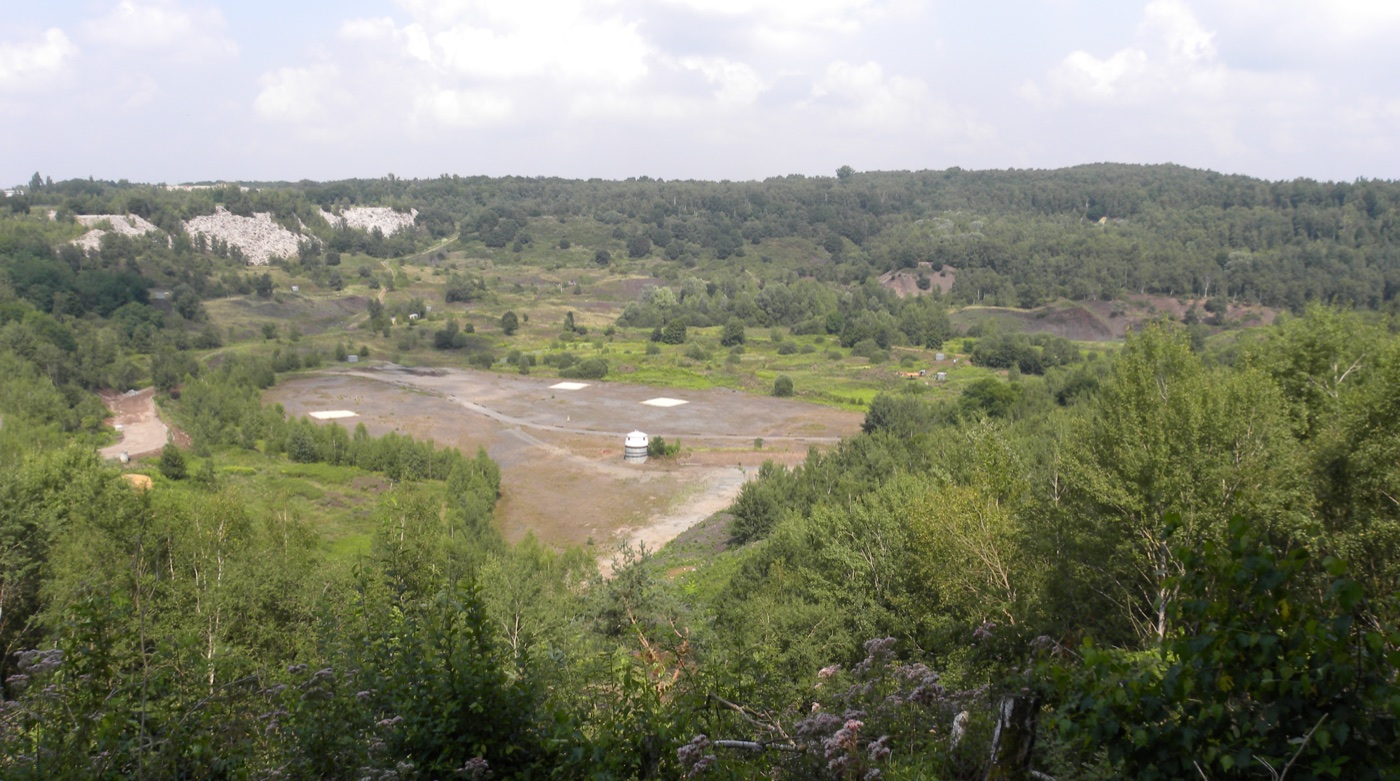
Eocene lake mud captured remains from water, air and surrounding forest. Exceptional preservation makes Messel rich in detail, while the lake’s selective archive keeps the whole ecosystem partly out of reach.
48 Ma → Today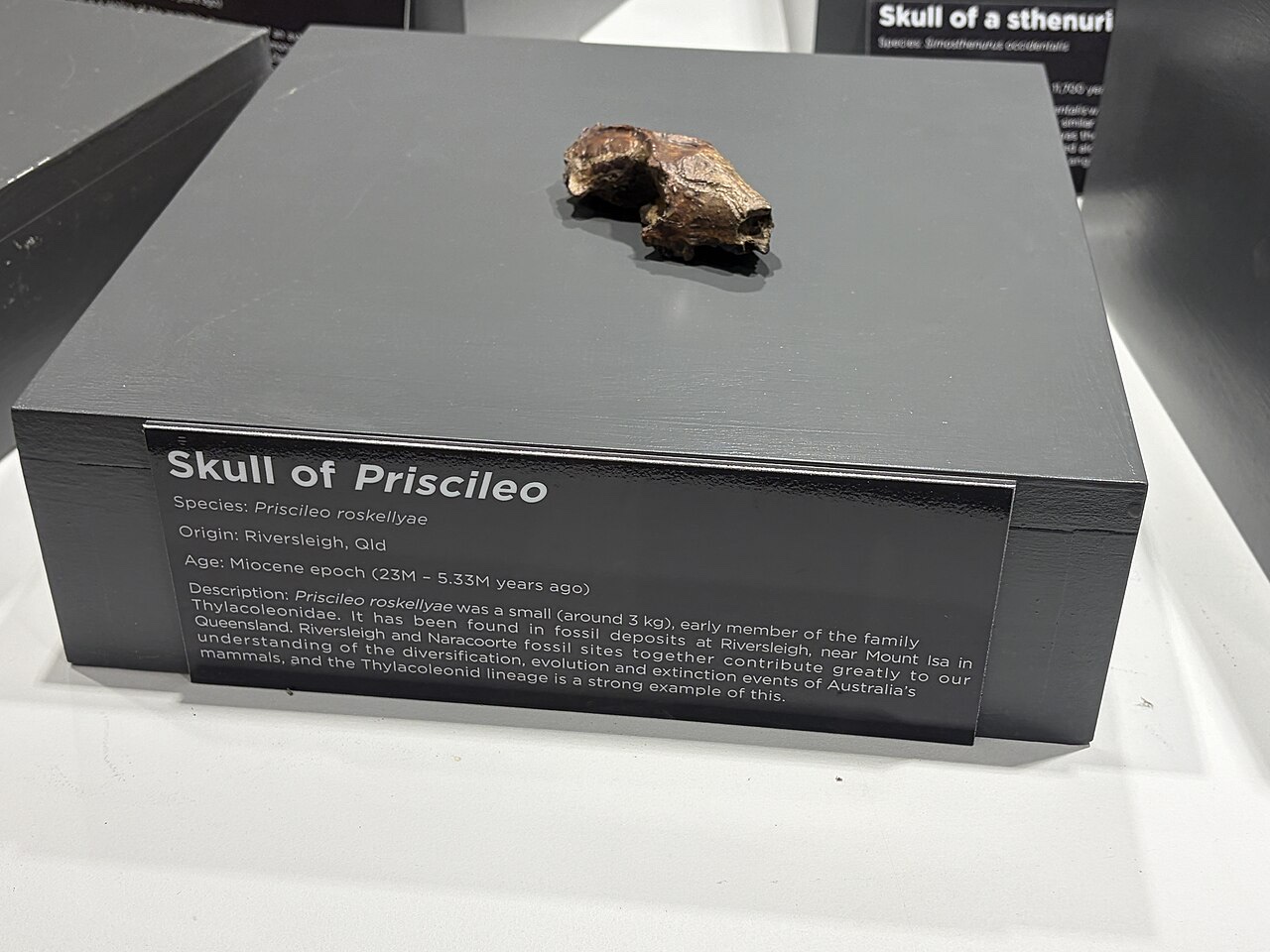 Oceania
Australia ↗
Riversleigh
Riversleigh’s fossil deposits connect wetter Oligocene–Miocene habitats with later faunas, revealing Australian mammals, birds, reptiles and bats.
23 Ma → 2.1 Ma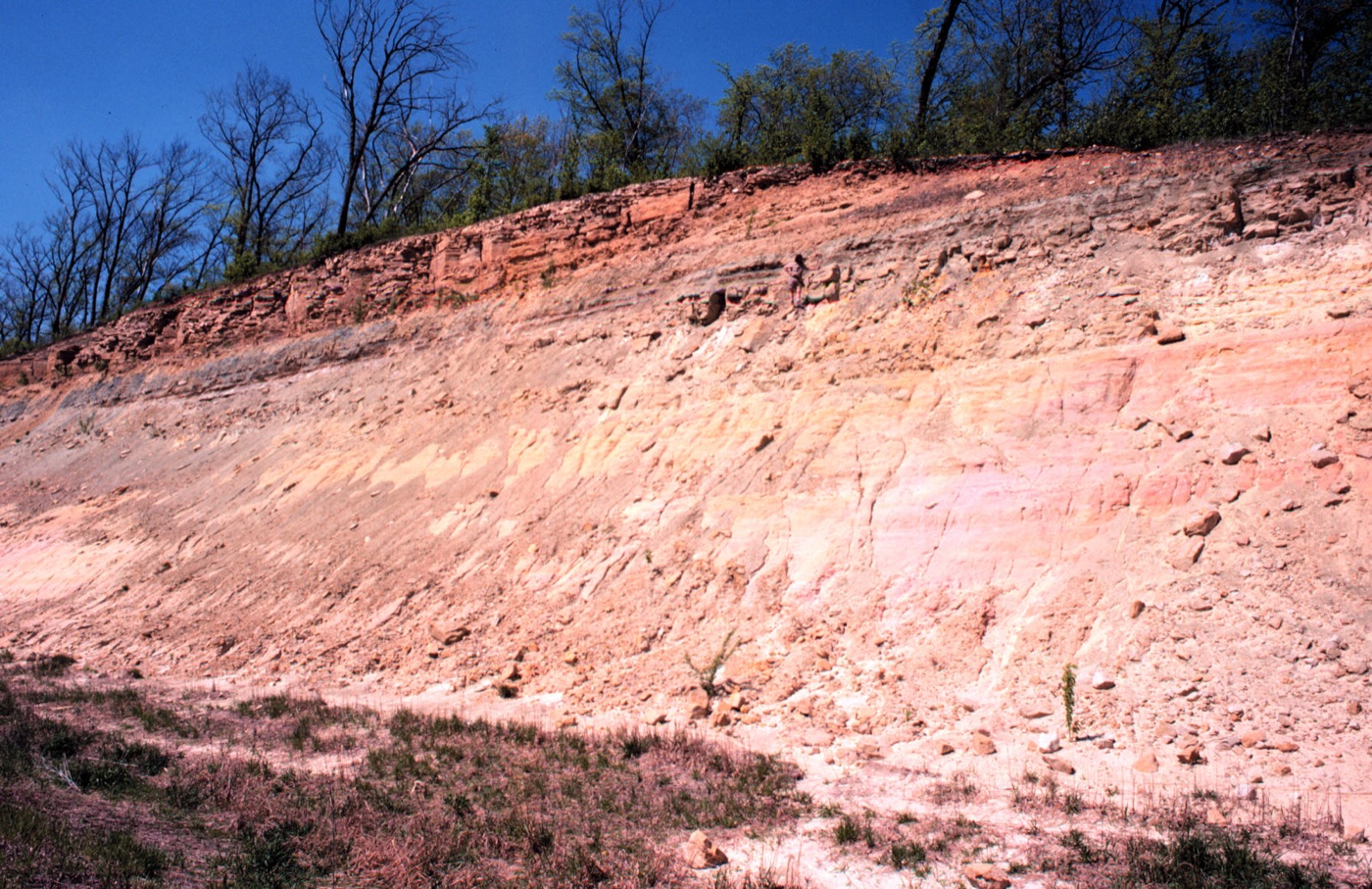 North America
United States ↗
Hell Creek & the Williston Basin
Floodplain fossils on either side of the end-Cretaceous boundary reveal major biological turnover. Pollen and leaves help place the change in time, alongside the more conspicuous dinosaur bones.
67 Ma → 65.5 Ma