
How do we separate an ecosystem’s disappearance from a gap in collecting?
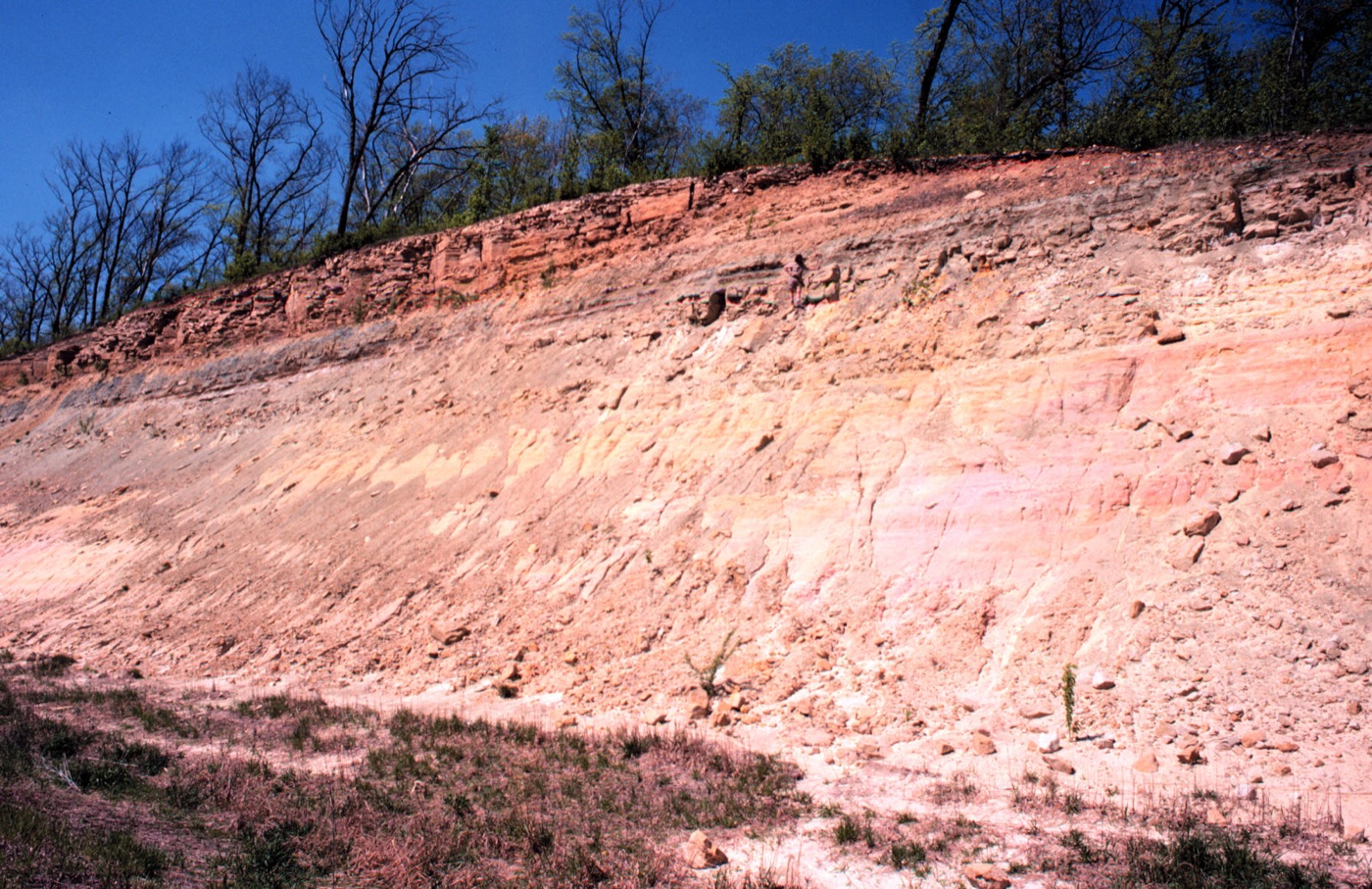
The Hell Creek record is often introduced through Triceratops and Tyrannosaurus, but a dinosaur-only picture misses the habitat and the transition. Leaves, pollen, fish, turtles and river deposits place the large animals in a lowland ecosystem. Broad-leaved vegetation and watercourses formed a changing patchwork. A fossil bone in a channel and a leaf in quiet floodplain mud sample different parts of that patchwork. They should not be added together as though they were a census taken on one afternoon.
The transition around 66 million years ago can be followed through measured sections in southwestern North Dakota. In those sections, changes in fossil pollen locate the biological boundary independently of where dinosaur bones are found. The change from Hell Creek to Fort Union rock can lie at a different level. Keeping the pollen horizon separate from the formation contact matters when deciding whether a fossil belongs before or after the extinction.
Plant assemblages change across the boundary as well. Fossil leaves provide relatively detailed information about plant form, while pollen can be sampled closely through a section. Neither is a perfect measure of species richness. A leaf may travel only a short distance; pollen can be carried farther. By comparing different kinds of remains and their sedimentary context, researchers distinguish a biological signal from a change in what the environment happened to preserve.
The atlas contrasts a latest Cretaceous floodplain with an early Paleocene recovering landscape. It does not animate an asteroid impact over Montana or treat one missing bone bed as proof of sudden death. The regional record documents turnover; connecting that pattern to global causes requires evidence from other places, including impact deposits and the Chicxulub crater. That separation between observation and explanation is the central lesson of this comparison.
[1] [2] [3] [4]Time windows and evidence
Older ages are on the left. Bars span the dated intervals. A dot marks a single age.
- A latest Cretaceous floodplain 66–68 Ma
- Life after the boundary 65–66 Ma
- Triceratops in the Hell Creek Formation 66–68 Ma
- Pollen-calibrated North Dakota boundary sections 65.9–66.1 Ma
- Williston Basin leaf turnover 65–67 Ma
Researched windowsEvidence records
67 Ma · interval 66–68 Ma
A latest Cretaceous floodplain
Rivers crossed a vegetated lowland that supported dinosaurs alongside many smaller organisms. This scene represents the broader Hell Creek depositional system rather than a single quarry or day. Channel sands, floodplain muds, leaves and bones provide complementary evidence. The diagram shows their environmental relationships schematically. It does not estimate herd size, regional forest coverage or the relative numbers of different dinosaurs from the number of fossils collected.
[2] [4]Locate this time in the atlas ↗Observed
Plant fossils and vertebrate remains occur within fluvial and floodplain sediments.
Reconstructed
A patchwork of rivers, wetlands and vegetated floodplains.
Uncertain
Local habitat and sampling differ among beds; the exact appearance of a particular forest is unresolved.
Evidence windows overlapping this state: 3. Overlap does not establish exact coexistence.
body fossil · Hell Creek & the Williston Basin ↗
Triceratops in the Hell Creek Formation
A University of Washington and Burke Museum excavation in Montana documented a Triceratops skull and additional bones in the Hell Creek Formation. The bones of the specimen, nicknamed the Flyby Trike, were scattered in hardened mud. Their position suggests movement after death; transport by water and disturbance by scavengers are both possible. The field context anchors the animal to a latest Cretaceous deposit, but one specimen cannot establish how common it was across the basin.
locality · Hell Creek & the Williston Basin ↗
Pollen-calibrated North Dakota boundary sections
Measured sections in southwestern North Dakota connect plant microfossils with the vertebrate record around the Cretaceous–Paleogene boundary. This is a locality-based evidence record, not a fabricated individual pollen occurrence. It shows why a boundary must be established independently before claiming that a fossil lies above or below it. In the studied sections, a change in rock-unit name does not always identify the same moment in time.
body fossil · Hell Creek & the Williston Basin ↗
Williston Basin leaf turnover
Fossil leaves from southwestern North Dakota document a substantial change in plant assemblages across the end of the Cretaceous. Leaf form permits comparisons that pollen alone cannot always provide, while pollen offers complementary sampling through closely spaced beds. The strength of the result comes from comparing many assemblages rather than finding one unusual leaf. The record is regional and preserves only the plants and habitats that entered the sedimentary archive.
65.5 Ma · interval 65–66 Ma
Life after the boundary
Early Paleocene deposits record a terrestrial ecosystem after the end-Cretaceous biological turnover. The landscape still included sediment-carrying rivers; the most consequential change was not simply a switch from water to land. Plant composition and vertebrate communities changed, with recovery unfolding over time. This teaching interval begins at the boundary and extends beyond the immediate aftermath, so it must not be mistaken for a depiction of the first days or years after impact.
[1] [3]Locate this time in the atlas ↗Observed
Pollen and leaf assemblages change across measured boundary sections; non-avian dinosaurs are absent from securely younger communities.
Reconstructed
Ecological reorganization and recovery within a continuing lowland depositional system.
Uncertain
Recovery was not identical everywhere, and a named formation boundary is not a globally synchronous time line.
Evidence windows overlapping this state: 2. Overlap does not establish exact coexistence.
locality · Hell Creek & the Williston Basin ↗
Pollen-calibrated North Dakota boundary sections
Measured sections in southwestern North Dakota connect plant microfossils with the vertebrate record around the Cretaceous–Paleogene boundary. This is a locality-based evidence record, not a fabricated individual pollen occurrence. It shows why a boundary must be established independently before claiming that a fossil lies above or below it. In the studied sections, a change in rock-unit name does not always identify the same moment in time.
body fossil · Hell Creek & the Williston Basin ↗
Williston Basin leaf turnover
Fossil leaves from southwestern North Dakota document a substantial change in plant assemblages across the end of the Cretaceous. Leaf form permits comparisons that pollen alone cannot always provide, while pollen offers complementary sampling through closely spaced beds. The strength of the result comes from comparing many assemblages rather than finding one unusual leaf. The record is regional and preserves only the plants and habitats that entered the sedimentary archive.
What this story cannot resolve
The region marker represents southwestern North Dakota within a much wider basin. Ages are rounded teaching intervals. Fossil absence in an individual sample is not by itself extinction evidence.
Keep these ideas handy
Mass extinction
A geologically concentrated increase in extinction affecting many groups and regions, recognizable in the fossil record. Explore the idea ↗
Ecological recovery
The re-establishment or reorganization of biological communities after disturbance, measured in more than one possible way. Explore the idea ↗
Index fossils
Fossils useful for correlating rock ages because of their identifiable features, distribution and restricted geological range. Explore the idea ↗
The evidence notebook
body fossil · Hell Creek & the Williston Basin ↗
Triceratops in the Hell Creek Formation
A University of Washington and Burke Museum excavation in Montana documented a Triceratops skull and additional bones in the Hell Creek Formation. The bones of the specimen, nicknamed the Flyby Trike, were scattered in hardened mud. Their position suggests movement after death; transport by water and disturbance by scavengers are both possible. The field context anchors the animal to a latest Cretaceous deposit, but one specimen cannot establish how common it was across the basin.
locality · Hell Creek & the Williston Basin ↗
Pollen-calibrated North Dakota boundary sections
Measured sections in southwestern North Dakota connect plant microfossils with the vertebrate record around the Cretaceous–Paleogene boundary. This is a locality-based evidence record, not a fabricated individual pollen occurrence. It shows why a boundary must be established independently before claiming that a fossil lies above or below it. In the studied sections, a change in rock-unit name does not always identify the same moment in time.
body fossil · Hell Creek & the Williston Basin ↗
Williston Basin leaf turnover
Fossil leaves from southwestern North Dakota document a substantial change in plant assemblages across the end of the Cretaceous. Leaf form permits comparisons that pollen alone cannot always provide, while pollen offers complementary sampling through closely spaced beds. The strength of the result comes from comparing many assemblages rather than finding one unusual leaf. The record is regional and preserves only the plants and habitats that entered the sedimentary archive.
Follow the evidence
Sources & credits
- Palynologically calibrated vertebrate record from North Dakota consistent with abrupt dinosaur extinction at the Cretaceous-Tertiary boundary ↗
Pearson, Schaefer, Johnson and Nichols / US Geological Survey · 2001
Use, credit & modifications
Reference only. No source text, photographs, figures or datasets reproduced. Original factual synthesis; no reuse licence asserted.
Credit: Pearson, Schaefer, Johnson and Nichols / US Geological Survey — Palynologically calibrated vertebrate record from North Dakota consistent with abrupt dinosaur extinction at the Cretaceous-Tertiary boundary. Facts paraphrased into original educational text; ages rounded to declared teaching intervals. No asset reuse requested; territorial permissions not applicable.
- Dig Deeper at Home: The Plants of Hell Creek ↗
Smithsonian National Museum of Natural History · Not stated
Use, credit & modifications
Reference only. No source text, photographs, figures or datasets reproduced. Original factual synthesis; no reuse licence asserted.
Credit: Smithsonian National Museum of Natural History — Dig Deeper at Home: The Plants of Hell Creek. Facts paraphrased into original educational text; ages rounded to declared teaching intervals. No asset reuse requested; territorial permissions not applicable.
- Land plant extinction at the end of the Cretaceous: a quantitative analysis of the North Dakota megafloral record ↗
Wilf and Johnson / Paleobiology · 2004
Use, credit & modifications
Reference only. No source text, photographs, figures or datasets reproduced. Original factual synthesis; no reuse licence asserted.
Credit: Wilf and Johnson / Paleobiology — Land plant extinction at the end of the Cretaceous: a quantitative analysis of the North Dakota megafloral record. Facts paraphrased into original educational text; ages rounded to declared teaching intervals. No asset reuse requested; territorial permissions not applicable.
- UW, Burke researchers discover four dinosaurs in Montana ↗
University of Washington / Burke Museum · 2021-09-21
Use, credit & modifications
Reference only. No source text, photographs, figures or datasets reproduced. Original factual synthesis; no reuse licence asserted.
Credit: University of Washington / Burke Museum — UW, Burke researchers discover four dinosaurs in Montana. Facts paraphrased into original educational text; ages rounded to declared teaching intervals. No asset reuse requested; territorial permissions not applicable.
Follow the connections
 Africa
South Africa ↗
Karoo Basin
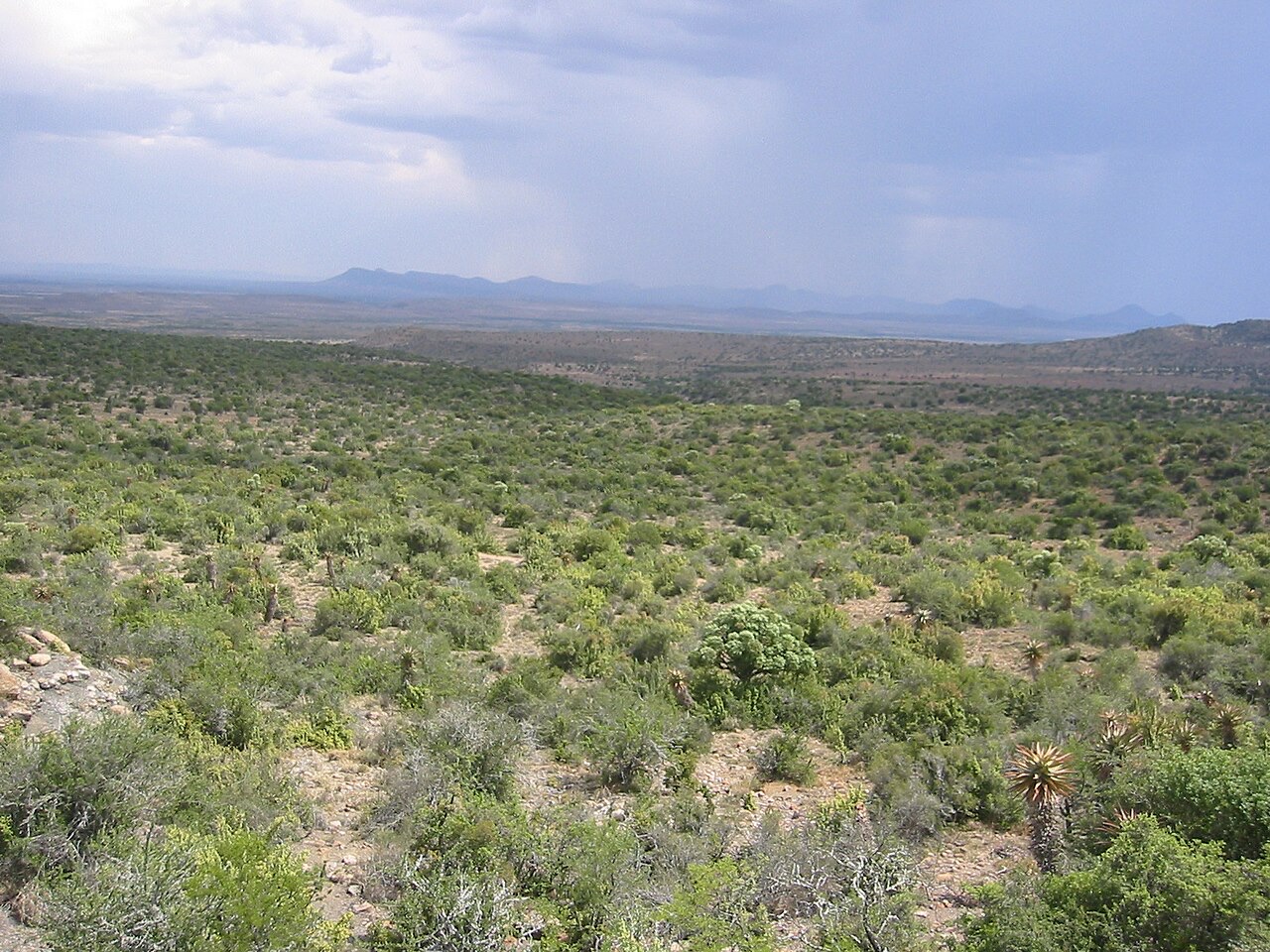
Late Permian and Early Triassic terrestrial fossils record profound ecosystem turnover. The Karoo also shows why a fossil assemblage boundary cannot automatically be equated with a precisely dated global extinction.
253 Ma → 251 Ma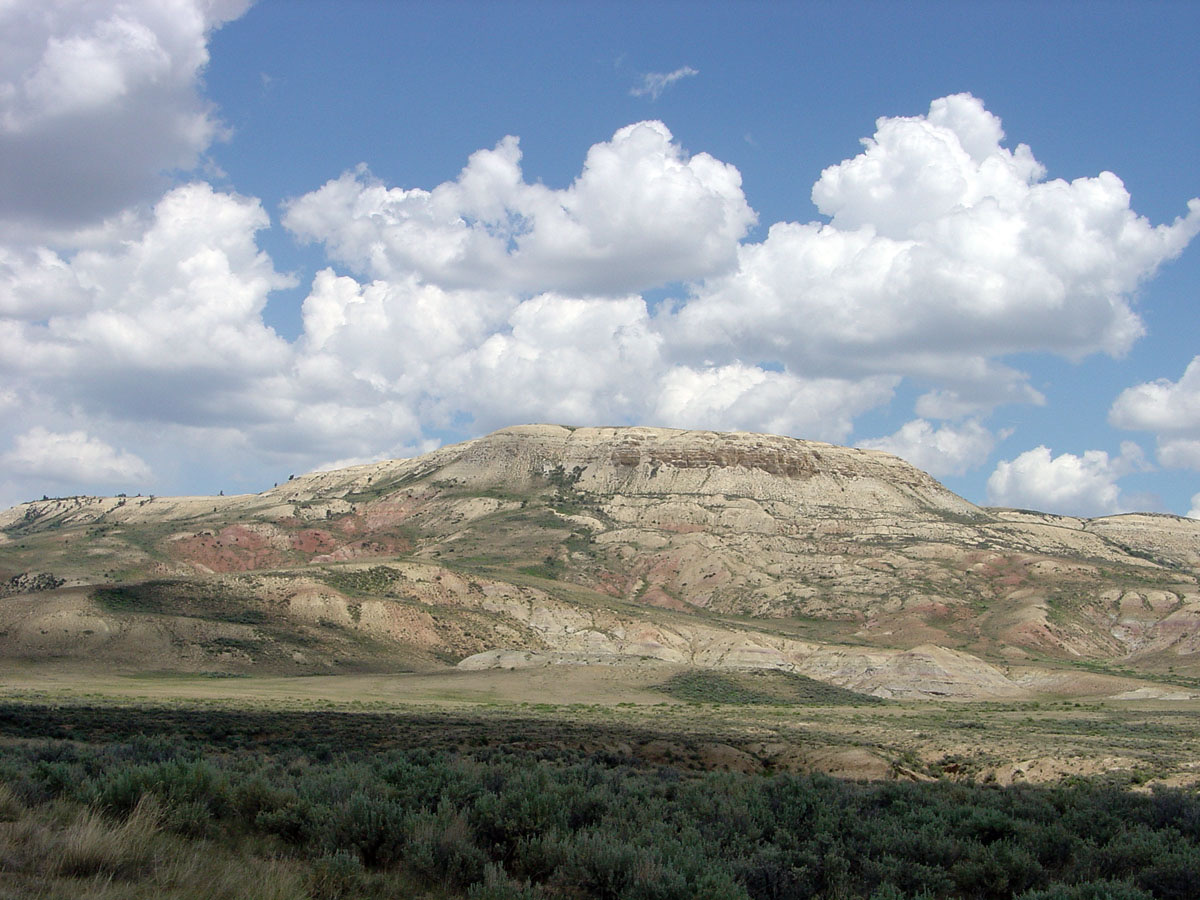 North America
United States ↗
Fossil Lake, Wyoming
The Green River Formation records several Eocene lakes. At Fossil Lake, an expanding lake and its later shrinking, saltier stage left different sediments and different opportunities for preservation.
52 Ma → 51 Ma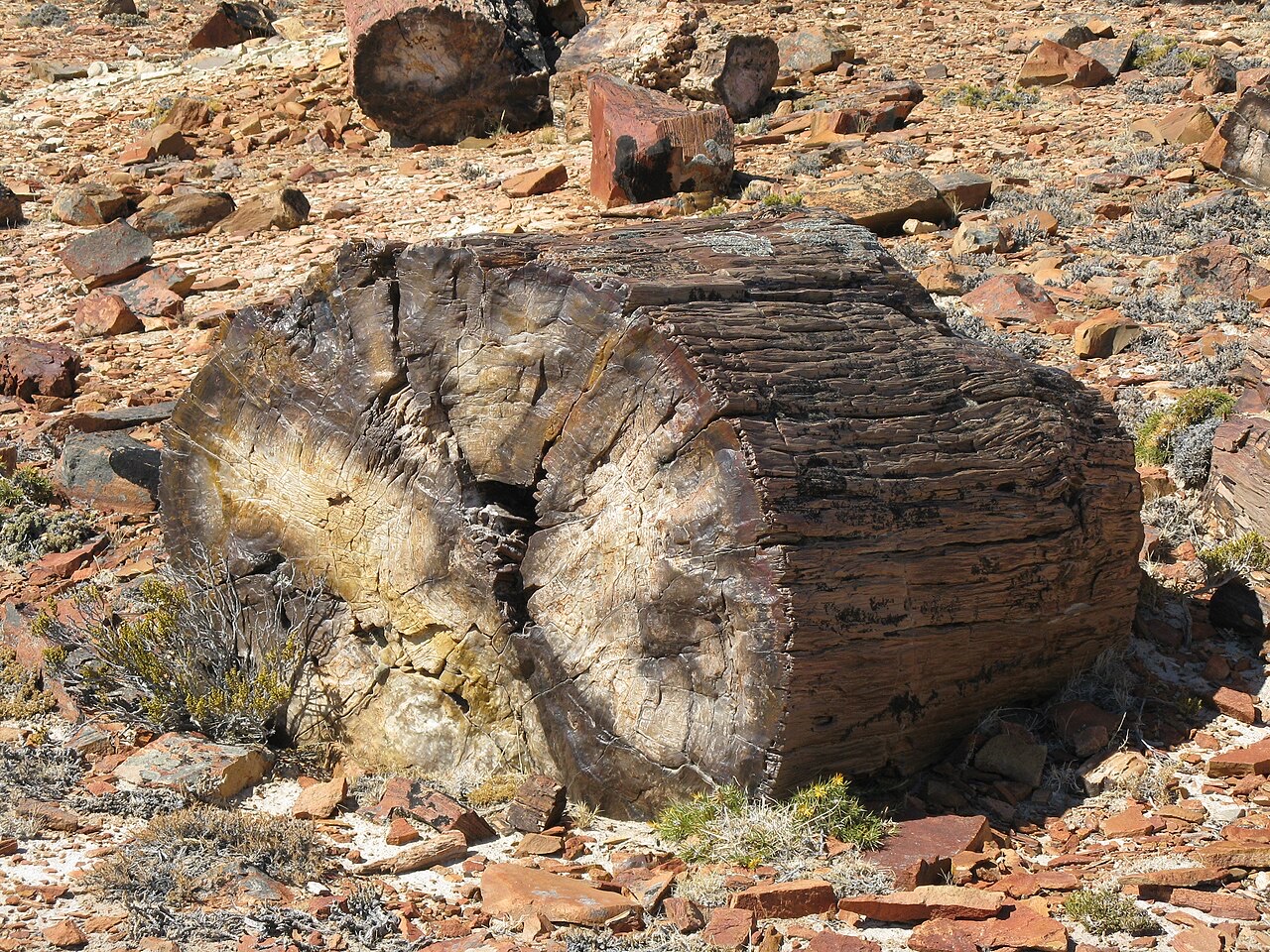 South America
Argentina ↗
Southern Patagonia
Jurassic petrified conifers and Miocene mammals reveal two distinct southern Patagonian ecosystems without treating “forest” as an unchanging habitat.
160 Ma → 17 Ma