
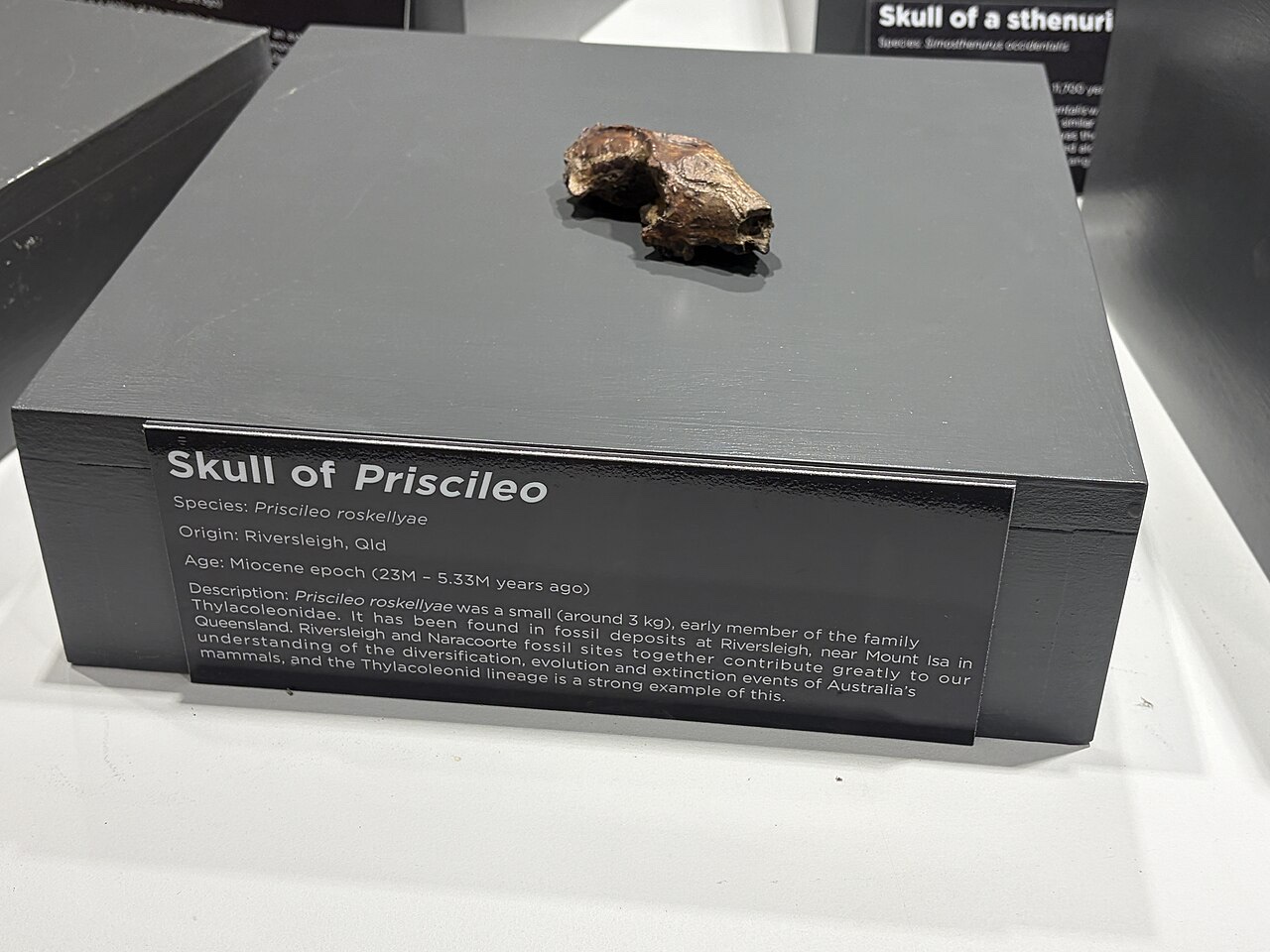
How do scattered pools and caves preserve a continent’s ecological change?
Riversleigh is a landscape of many fossil deposits rather than a single great graveyard. Limestone accumulated in different settings, including mineral-rich freshwater pools and caves, and incorporated remains from the surrounding habitat. The Oligocene–Miocene record includes mammals, birds and reptiles unlike the exact mix living in the region today. A crocodile skull or a bird bone can establish that an animal occurred there; reconstructing rainforest requires the broader association and environmental evidence.
The older deposits are particularly useful for understanding the history of Australian mammal lineages. They do not simply show modern animals in older scenery: the diversity and combinations changed. Fossils also broaden the story beyond marsupials. Bats are placental mammals, and the Riversleigh record provides abundant evidence of their presence. Cave-associated accumulations are exceptionally informative, while also being selective samples shaped by roosting, predation and the survival of small bones and teeth.
Rackham’s Roost samples a younger set of animals through cave deposits. Researchers identified sheath-tailed bats from teeth and fragments of jaws. Older summaries placed the deposit in the Pliocene by comparing its animals with other faunas. Analyses of cave minerals now provide an early Pleistocene anchor at about 2.1 million years ago. The minerals formed close to, or above, the fossil deposits, so they constrain age without assigning a date to each tooth. Cave roosting, accumulation and preservation shape which species appear in the deposit.
[1] [2] [3] [4] [5]Time windows and evidence
Older ages are on the left. Bars span the dated intervals. A dot marks a single age.
- Freshwater pools in a wetter world 15–25 Ma
- Rackham’s Roost and a changing fauna 1.1–2.7 Ma
- Baru wickeni in Riversleigh freshwater deposits 16–24 Ma
- Dromornis murrayi at Riversleigh D Site 15–25 Ma
- Rackham’s Roost fossil bat assemblage 1.1–2.7 Ma
Researched windowsEvidence records
23 Ma · interval 15–25 Ma
Freshwater pools in a wetter world
The older window represents Oligocene–Miocene Riversleigh deposits associated with wetter, forested habitats. Mineral-rich freshwater settings helped preserve remains that would otherwise have been lost. The scene represents the wider habitat around a deposit rather than claiming every animal inhabited one pool. Its broad interval intentionally covers a regional fossil window; individual sites within it have their own ages and communities.
[1] [3] [5]Locate this time in the atlas ↗Observed
Limestone deposits contain diverse mammals, crocodilians, birds and other vertebrates.
Reconstructed
Many older assemblages indicate wetter, forested environments compared with the modern region.
Uncertain
The localities are not all contemporaneous, and a pooled fauna would obscure ecological change.
Evidence windows overlapping this state: 2. Overlap does not establish exact coexistence.
body fossil · Riversleigh ↗
Baru wickeni in Riversleigh freshwater deposits
The large crocodilian Baru wickeni is represented by material from Riversleigh, including a conspicuous fossil skull described in regional interpretation. Its occurrence contributes to the reconstruction of freshwater-associated habitats. Body form helps investigate feeding, but a reconstructed role should remain distinct from the observed bones. A fossil crocodilian also need not share every ecological requirement of a living species used as an analogy.
body fossil · Riversleigh ↗
Dromornis murrayi at Riversleigh D Site
Dromornis murrayi contributes a large flightless bird to the Riversleigh story. Public interpretation at D Site describes preserved vertebral material and associated gizzard stones in limestone. The evidence broadens a mammal-focused view of the fossil landscape. It also distinguishes anatomical inference from direct observation: body size and locomotion are reconstructed from comparative anatomy, while the preserved bones and stones are the actual material.
2.1 Ma · interval 1.1–2.7 Ma
Rackham’s Roost and a changing fauna
Rackham’s Roost preserves a cave assemblage with teeth and other remains of bats. Newer work places the site in the early Pleistocene, using an age of about 2.1 million years from associated cave deposits. The oldest dated flowstone touches the fossil bed. Other samples formed above it. The timeline shows a rounded range that encompasses reported mineral ages and dating uncertainties, while the fossil-bearing sediment is at least as old as the calcite covering it.
[4] [5] [6] [7]Locate this time in the atlas ↗Observed
Rackham’s Roost preserves fossil bat teeth and jaw fragments below dated cave minerals.
Reconstructed
The assemblage documents bats using a regional landscape that had changed since the older Oligocene–Miocene deposits.
Uncertain
The dates constrain the cave deposits. Their relationship to individual fossils depends on exactly where the sediments and calcite accumulated.
Evidence windows overlapping this state: 1. Overlap does not establish exact coexistence.
What this story cannot resolve
Riversleigh contains many fossil deposits of different ages. Rackham’s Roost samples a younger community through one cave. The surrounding landscape is inferred from the accumulated remains and their setting.
Keep these ideas handy
Biogeography
Studying how organisms are distributed through space and time and how those patterns developed. Explore the idea ↗
Climate proxy
A measured feature of a natural archive used to infer some aspect of past climate. Explore the idea ↗
Sampling bias
Differences between the history of life and the subset preserved, exposed, collected, identified and published. Explore the idea ↗
The evidence notebook
body fossil · Riversleigh ↗
Baru wickeni in Riversleigh freshwater deposits
The large crocodilian Baru wickeni is represented by material from Riversleigh, including a conspicuous fossil skull described in regional interpretation. Its occurrence contributes to the reconstruction of freshwater-associated habitats. Body form helps investigate feeding, but a reconstructed role should remain distinct from the observed bones. A fossil crocodilian also need not share every ecological requirement of a living species used as an analogy.
body fossil · Riversleigh ↗
Dromornis murrayi at Riversleigh D Site
Dromornis murrayi contributes a large flightless bird to the Riversleigh story. Public interpretation at D Site describes preserved vertebral material and associated gizzard stones in limestone. The evidence broadens a mammal-focused view of the fossil landscape. It also distinguishes anatomical inference from direct observation: body size and locomotion are reconstructed from comparative anatomy, while the preserved bones and stones are the actual material.
locality · Riversleigh ↗
Rackham’s Roost fossil bat assemblage
Rackham’s Roost preserves teeth and fragments of jaws from a younger Riversleigh bat community. Fossil sheath-tailed bats extend the regional record of those animals into the early Pleistocene. Associated cave minerals yield a representative age near 2.1 Ma. A dated sample touches the fossil layer and two other samples formed above it. Their ages and reported uncertainties cover approximately 2.69 to 1.10 Ma. The overlying calcite constrains how recently the underlying sediment could have accumulated.
Follow the evidence
Sources & credits
- Australian Fossil Mammal Sites — Riversleigh ↗
Australian Department of Climate Change, Energy, the Environment and Water · 2026-05-25
Use, credit & modifications
Reference only. No third-party prose, figures, photographs or datasets reproduced; factual interpretation written originally for this atlas.
Credit: Australian Department of Climate Change, Energy, the Environment and Water — Australian Fossil Mammal Sites — Riversleigh. Original educational synthesis; geological ages rounded into explicitly labelled teaching intervals. No licensed media incorporated; no territorial reuse permission asserted.
- Australian Fossil Mammal Site — Riversleigh section ↗
Queensland Department of the Environment, Tourism, Science and Innovation · Not stated
Use, credit & modifications
Reference only. No third-party prose, figures, photographs or datasets reproduced; factual interpretation written originally for this atlas.
Credit: Queensland Department of the Environment, Tourism, Science and Innovation — Australian Fossil Mammal Site — Riversleigh section. Original educational synthesis; geological ages rounded into explicitly labelled teaching intervals. No licensed media incorporated; no territorial reuse permission asserted.
- Fossils in Riversleigh, Queensland ↗
Australian Museum · 2020-07-16
Use, credit & modifications
Reference only. No third-party prose, figures, photographs or datasets reproduced; factual interpretation written originally for this atlas.
Credit: Australian Museum — Fossils in Riversleigh, Queensland. Original educational synthesis; geological ages rounded into explicitly labelled teaching intervals. No licensed media incorporated; no territorial reuse permission asserted.
- Riversleigh fossil bats and Rackham’s Roost ↗
Australian Museum; Australian Natural History · Not stated
Use, credit & modifications
Reference only. No third-party prose, figures, photographs or datasets reproduced; factual interpretation written originally for this atlas.
Credit: Australian Museum; Australian Natural History — Riversleigh fossil bats and Rackham’s Roost. Original educational synthesis; geological ages rounded into explicitly labelled teaching intervals. No licensed media incorporated; no territorial reuse permission asserted.
- Australian Fossil Mammal Sites (Riversleigh / Naracoorte) ↗
UNESCO World Heritage Centre · Not stated
Use, credit & modifications
Reference only. No third-party prose, figures, photographs or datasets reproduced; factual interpretation written originally for this atlas.
Credit: UNESCO World Heritage Centre — Australian Fossil Mammal Sites (Riversleigh / Naracoorte). Original educational synthesis; geological ages rounded into explicitly labelled teaching intervals. No licensed media incorporated; no territorial reuse permission asserted.
- Sheath-tailed bats from the early Pleistocene Rackham’s Roost Site ↗
King et al. · PeerJ · 2021
Use, credit & modifications
Reference only. No source text, photographs, figures or datasets reproduced. Original factual synthesis.
Credit: King et al. · PeerJ — Sheath-tailed bats from the early Pleistocene Rackham’s Roost Site. Facts paraphrased into original educational text. No asset reuse requested; territorial permissions not applicable.
- The late Cenozoic passerine avifauna from Rackham’s Roost Site, Riversleigh, Australia ↗
Nguyen et al. · Records of the Australian Museum · 2016
Use, credit & modifications
Reference only. No source text, photographs, figures or datasets reproduced. Original factual synthesis.
Credit: Nguyen et al. · Records of the Australian Museum — The late Cenozoic passerine avifauna from Rackham’s Roost Site, Riversleigh, Australia. Facts paraphrased into original educational text. No asset reuse requested; territorial permissions not applicable.
Follow the connections
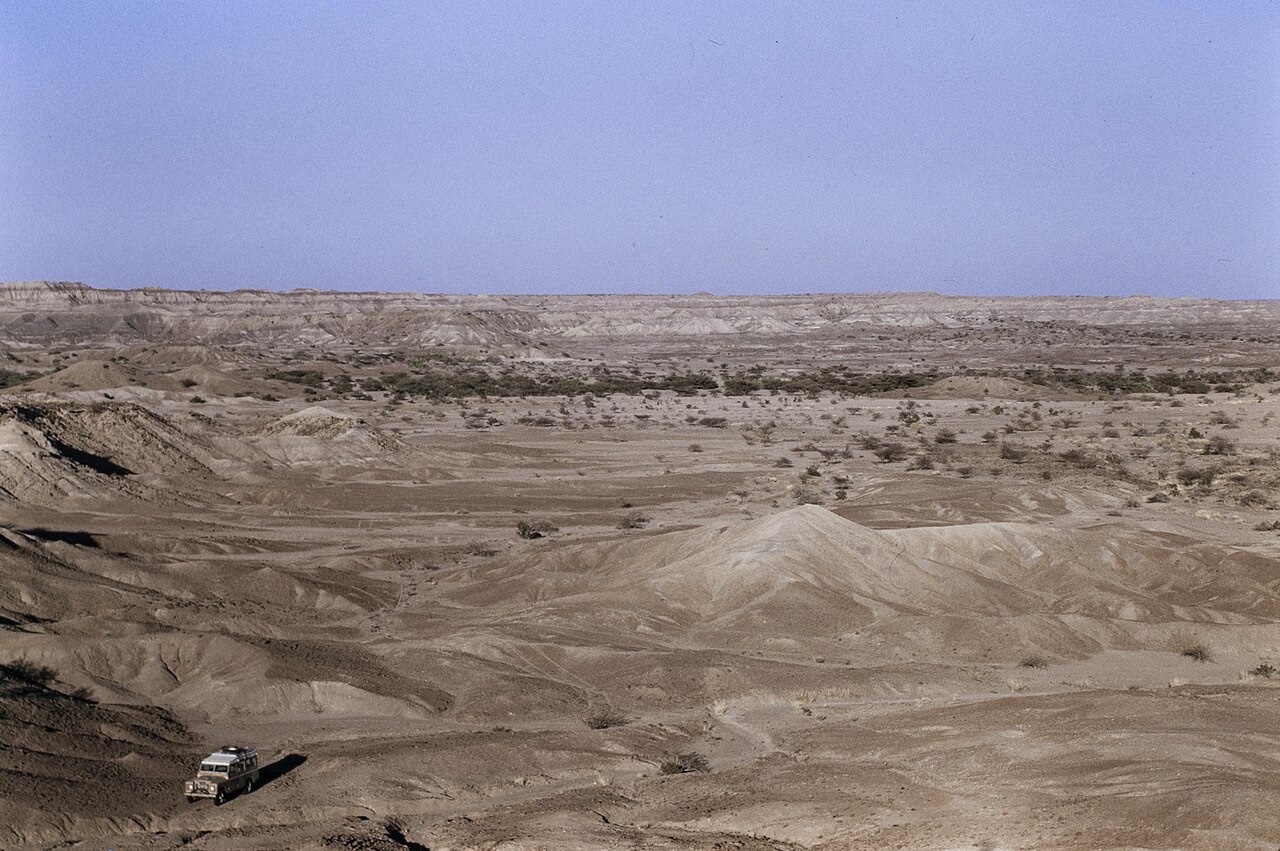 Africa
Ethiopia ↗
Hadar & the Afar Rift
Lucy’s skeleton belongs within a wider Pliocene record of lakes, river margins, pollen and changing vegetation in the Afar basin.
3.2 Ma → Today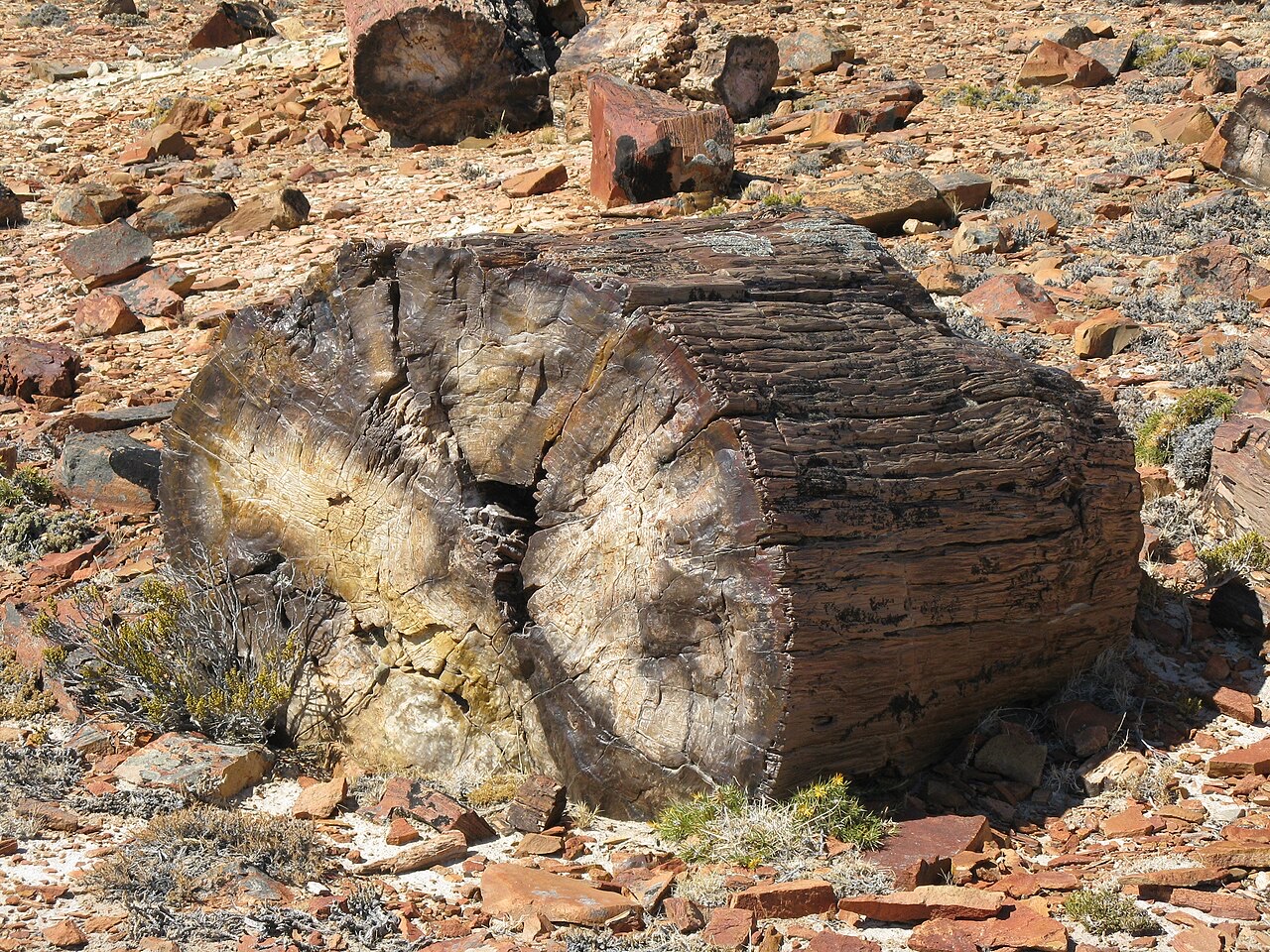 South America
Argentina ↗
Southern Patagonia
Jurassic petrified conifers and Miocene mammals reveal two distinct southern Patagonian ecosystems without treating “forest” as an unchanging habitat.
160 Ma → 17 Ma Antarctica
 ↗
The Antarctic Peninsula
Cretaceous plant fossils and Eocene marine deposits reveal high-latitude environments very different from the familiar ice-covered image of Antarctica.
103 Ma → 40 Ma