
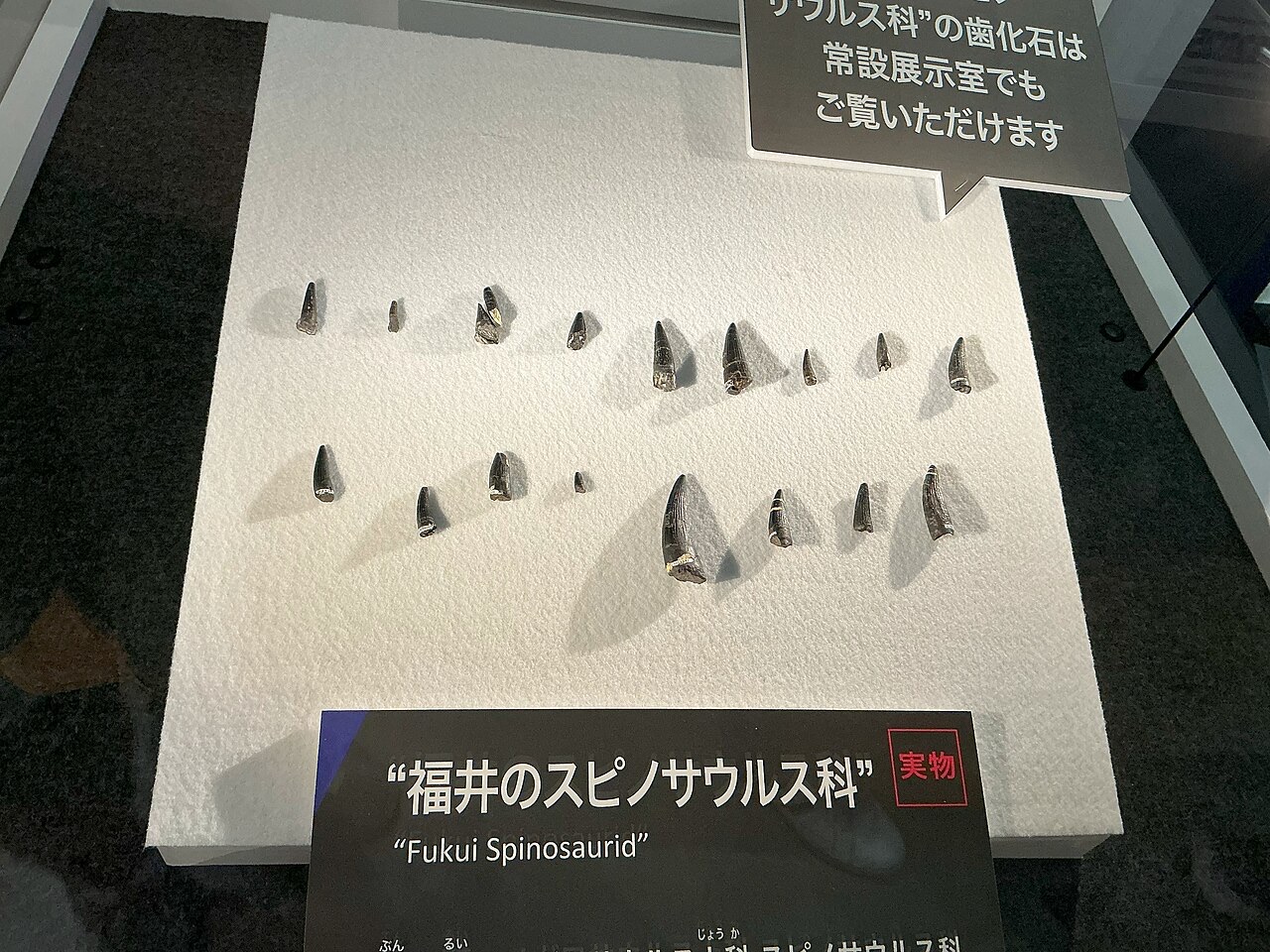
What changes when a fossil search includes tiny teeth as well as large bones?
The mountains around Hakusan and Fukui expose sediments laid down in Early Cretaceous basins. This regional story links the Kuwajima Formation in Ishikawa with the younger Kitadani Formation near Katsuyama in Fukui. These are different collecting areas and stratigraphic units, not successive floors in one quarry. Their sands, muds, plants and freshwater animals provide the setting for a much broader ecosystem than the large dinosaurs alone suggest.
At Kuwajima, careful examination of rock recovered during tunnel work brought small vertebrates into view. Hakusanobaatar matsuoi is known through teeth and jaw material whose cusps reveal a mammal unlike any living species. Such remains can be overlooked when attention stays on large bones. The older snapshot uses 129 million years as a representative position within a broad formation-level window. A dated tuff in the lower formation helps constrain that chronology, but its numerical age cannot simply be transferred to every fossil from the bluff.
The younger Kitadani record includes terrestrial dinosaurs and a small bird, Fukuipteryx prima, from roughly 120 million years ago. Its associated bones retain three-dimensional information that complements the flattened bird fossils famous from Chinese lake deposits. The specimen combines anatomical features in a way that makes a simple ladder from primitive to modern birds misleading. A feature can appear in one branch without fixing the place of every related animal on the evolutionary tree.
Both intervals record river systems and adjacent lowlands, yet similar environmental labels do not imply identical communities. Fossil transport, preservation and collecting methods influence which animals dominate each collection. Comparing a mammal tooth, a dinosaur bone and an associated bird skeleton shows how different observations answer different questions. Together they reveal a changing continental ecosystem, while leaving exact population sizes, colours and most behaviours outside the evidence.
[1] [2] [3] [4] [5]Time windows and evidence
Older ages are on the left. Bars span the dated intervals. A dot marks a single age.
- Kuwajima rivers and wet lowlands 124–132 Ma
- Kitadani dinosaur country 118–125 Ma
- Hakusanobaatar matsuoi from Kuwajima 124–132 Ma
- Fukuiraptor kitadaniensis at the Kitadani quarry 118–125 Ma
- Fukuipteryx prima, specimen FPDM-V-9769 118–125 Ma
Researched windowsEvidence records
129 Ma · interval 124–132 Ma
Kuwajima rivers and wet lowlands
The Kuwajima Formation includes river deposits with plants, freshwater molluscs and diverse small vertebrates. A lower-formation tuff has a reported zircon age of 129.1 ± 1.5 Ma, but correlations between sections and the position of individual fossil beds remain important. The 132–124 Ma envelope is deliberately wider than that analytical uncertainty. It represents an Early Cretaceous river and floodplain episode across the regional unit, not a direct date for the Hakusanobaatar jaw.
[2] [1] [3]Locate this time in the atlas ↗Observed
Sandstones, finer sediments and freshwater fossils occur in the formation.
Reconstructed
Rivers crossed lowlands supporting terrestrial and freshwater communities.
Uncertain
Regional formation correlation is less precise than the laboratory age of an individual tuff.
Evidence windows overlapping this state: 3. Overlap does not establish exact coexistence.
body fossil · Fukui & Hakusan ↗
Hakusanobaatar matsuoi from Kuwajima
The named multituberculate Hakusanobaatar matsuoi is represented by dental and jaw material from the Kuwajima Formation. Its specialized cusp arrangement allows comparisons with other extinct mammals and supports a distinct taxonomic identification. These small fossils expand the ecosystem beyond its conspicuous dinosaurs. Their formation-level age is approximate: a dated bed elsewhere in the succession constrains the regional framework, not the exact moment this animal died.
body fossil · Fukui & Hakusan ↗
Fukuiraptor kitadaniensis at the Kitadani quarry
Bones from the Kitadani excavation established Fukuiraptor kitadaniensis as one of Fukui’s named dinosaurs. The material records a theropod in the local continental assemblage, alongside other dinosaurs and smaller vertebrates. Skeletal comparisons help establish evolutionary relationships, although those relationships may change with additional discoveries and analyses. A museum mount fills anatomical gaps to communicate the animal’s form; the underlying excavated bones, rather than every part of the mount, are the direct evidence.
body fossil · Fukui & Hakusan ↗
Fukuipteryx prima, specimen FPDM-V-9769
The associated partial skeleton FPDM-V-9769 preserves a small bird from the Kitadani Formation in three dimensions. The described bones include a pygostyle, providing evidence about the evolution of the shortened avian tail. Its combination of characters does not fit a simple sequence in which all apparently modern features appeared together. This is anatomical evidence from one individual; detailed flight performance or a complete life history cannot be recovered directly from it.
120 Ma · interval 118–125 Ma
Kitadani dinosaur country
Kitadani fossils occur in a continental succession commonly interpreted as rivers and associated floodplains. The approximately 120 Ma representative age follows the published Fukuipteryx study; the wider bounds allow formation-level dating uncertainty. Dinosaurs and the associated bird skeleton record terrestrial animals entering this sedimentary system. Their bodies were not necessarily buried exactly where they normally fed or nested, and the quarry is only one sample of the wider habitat.
[4] [5]Locate this time in the atlas ↗Observed
Dinosaur bones and an associated bird skeleton occur in continental sediments.
Reconstructed
A river-fed landscape supported a diverse terrestrial vertebrate community.
Uncertain
Sediment transport and incomplete exposure obscure the original distribution of habitats.
Evidence windows overlapping this state: 3. Overlap does not establish exact coexistence.
body fossil · Fukui & Hakusan ↗
Hakusanobaatar matsuoi from Kuwajima
The named multituberculate Hakusanobaatar matsuoi is represented by dental and jaw material from the Kuwajima Formation. Its specialized cusp arrangement allows comparisons with other extinct mammals and supports a distinct taxonomic identification. These small fossils expand the ecosystem beyond its conspicuous dinosaurs. Their formation-level age is approximate: a dated bed elsewhere in the succession constrains the regional framework, not the exact moment this animal died.
body fossil · Fukui & Hakusan ↗
Fukuiraptor kitadaniensis at the Kitadani quarry
Bones from the Kitadani excavation established Fukuiraptor kitadaniensis as one of Fukui’s named dinosaurs. The material records a theropod in the local continental assemblage, alongside other dinosaurs and smaller vertebrates. Skeletal comparisons help establish evolutionary relationships, although those relationships may change with additional discoveries and analyses. A museum mount fills anatomical gaps to communicate the animal’s form; the underlying excavated bones, rather than every part of the mount, are the direct evidence.
body fossil · Fukui & Hakusan ↗
Fukuipteryx prima, specimen FPDM-V-9769
The associated partial skeleton FPDM-V-9769 preserves a small bird from the Kitadani Formation in three dimensions. The described bones include a pygostyle, providing evidence about the evolution of the shortened avian tail. Its combination of characters does not fit a simple sequence in which all apparently modern features appeared together. This is anatomical evidence from one individual; detailed flight performance or a complete life history cannot be recovered directly from it.
What this story cannot resolve
The marker lies near Kitadani; Kuwajima is a separate locality in the wider Hakusan region. Formation-level bounds are not dates measured directly on each specimen.
Keep these ideas handy
Sampling bias
Differences between the history of life and the subset preserved, exposed, collected, identified and published. Explore the idea ↗
Taphonomy
Studying what happens between an organism’s life, death, burial, preservation and eventual discovery. Explore the idea ↗
Evolutionary tree
A branching hypothesis of relationships among organisms, inferred from shared evidence rather than arranged as a ladder of progress. Explore the idea ↗
The evidence notebook
body fossil · Fukui & Hakusan ↗
Hakusanobaatar matsuoi from Kuwajima
The named multituberculate Hakusanobaatar matsuoi is represented by dental and jaw material from the Kuwajima Formation. Its specialized cusp arrangement allows comparisons with other extinct mammals and supports a distinct taxonomic identification. These small fossils expand the ecosystem beyond its conspicuous dinosaurs. Their formation-level age is approximate: a dated bed elsewhere in the succession constrains the regional framework, not the exact moment this animal died.
body fossil · Fukui & Hakusan ↗
Fukuiraptor kitadaniensis at the Kitadani quarry
Bones from the Kitadani excavation established Fukuiraptor kitadaniensis as one of Fukui’s named dinosaurs. The material records a theropod in the local continental assemblage, alongside other dinosaurs and smaller vertebrates. Skeletal comparisons help establish evolutionary relationships, although those relationships may change with additional discoveries and analyses. A museum mount fills anatomical gaps to communicate the animal’s form; the underlying excavated bones, rather than every part of the mount, are the direct evidence.
body fossil · Fukui & Hakusan ↗
Fukuipteryx prima, specimen FPDM-V-9769
The associated partial skeleton FPDM-V-9769 preserves a small bird from the Kitadani Formation in three dimensions. The described bones include a pygostyle, providing evidence about the evolution of the shortened avian tail. Its combination of characters does not fit a simple sequence in which all apparently modern features appeared together. This is anatomical evidence from one individual; detailed flight performance or a complete life history cannot be recovered directly from it.
Follow the evidence
Sources & credits
- Kuwajima Fossil Bluff ↗
Hakusan Tedorigawa UNESCO Global Geopark · Not stated
Use, credit & modifications
Reference only; original factual synthesis. No third-party prose or media reproduced.
Credit: Hakusan Tedorigawa UNESCO Global Geopark — Kuwajima Fossil Bluff. Original educational synthesis; rounded age envelopes distinguish teaching windows from analytical errors. No media licence asserted for this reference. Photograph rights are documented separately.
- Newly discovered molluscan and dinosaur-track fossils from the Lower Cretaceous Kuwajima Formation ↗
Sakai and colleagues · Memoir of the Fukui Prefectural Dinosaur Museum · 2022
Use, credit & modifications
Reference only; original factual synthesis. No third-party prose or media reproduced.
Credit: Sakai and colleagues · Memoir of the Fukui Prefectural Dinosaur Museum — Newly discovered molluscan and dinosaur-track fossils from the Lower Cretaceous Kuwajima Formation. Original educational synthesis; rounded age envelopes distinguish teaching windows from analytical errors. No media licence asserted for this reference. Photograph rights are documented separately.
- Early Cretaceous multituberculate mammals from the Kuwajima Formation (Tetori Group), central Japan ↗
Nao Kusuhashi · Acta Palaeontologica Polonica · 2008
Use, credit & modifications
Reference only; original factual synthesis. No third-party prose or media reproduced.
Credit: Nao Kusuhashi · Acta Palaeontologica Polonica — Early Cretaceous multituberculate mammals from the Kuwajima Formation (Tetori Group), central Japan. Original educational synthesis; rounded age envelopes distinguish teaching windows from analytical errors. No media licence asserted for this reference. Photograph rights are documented separately.
- An unusual bird (Theropoda, Avialae) from the Early Cretaceous of Japan suggests complex evolutionary history of basal birds ↗
Imai and colleagues · Communications Biology · 2019-11-14
Use, credit & modifications
Reference only; original factual synthesis. No third-party prose or media reproduced.
Credit: Imai and colleagues · Communications Biology — An unusual bird (Theropoda, Avialae) from the Early Cretaceous of Japan suggests complex evolutionary history of basal birds. Original educational synthesis; rounded age envelopes distinguish teaching windows from analytical errors. No media licence asserted for this reference. Photograph rights are documented separately.
- Dinosaurs discovered in Fukui ↗
Fukui Prefectural Dinosaur Museum · Not stated
Use, credit & modifications
Reference only; original factual synthesis. No third-party prose or media reproduced.
Credit: Fukui Prefectural Dinosaur Museum — Dinosaurs discovered in Fukui. Original educational synthesis; rounded age envelopes distinguish teaching windows from analytical errors. No media licence asserted for this reference. Photograph rights are documented separately.
Follow the connections
 Asia
China ↗
Jehol lake country
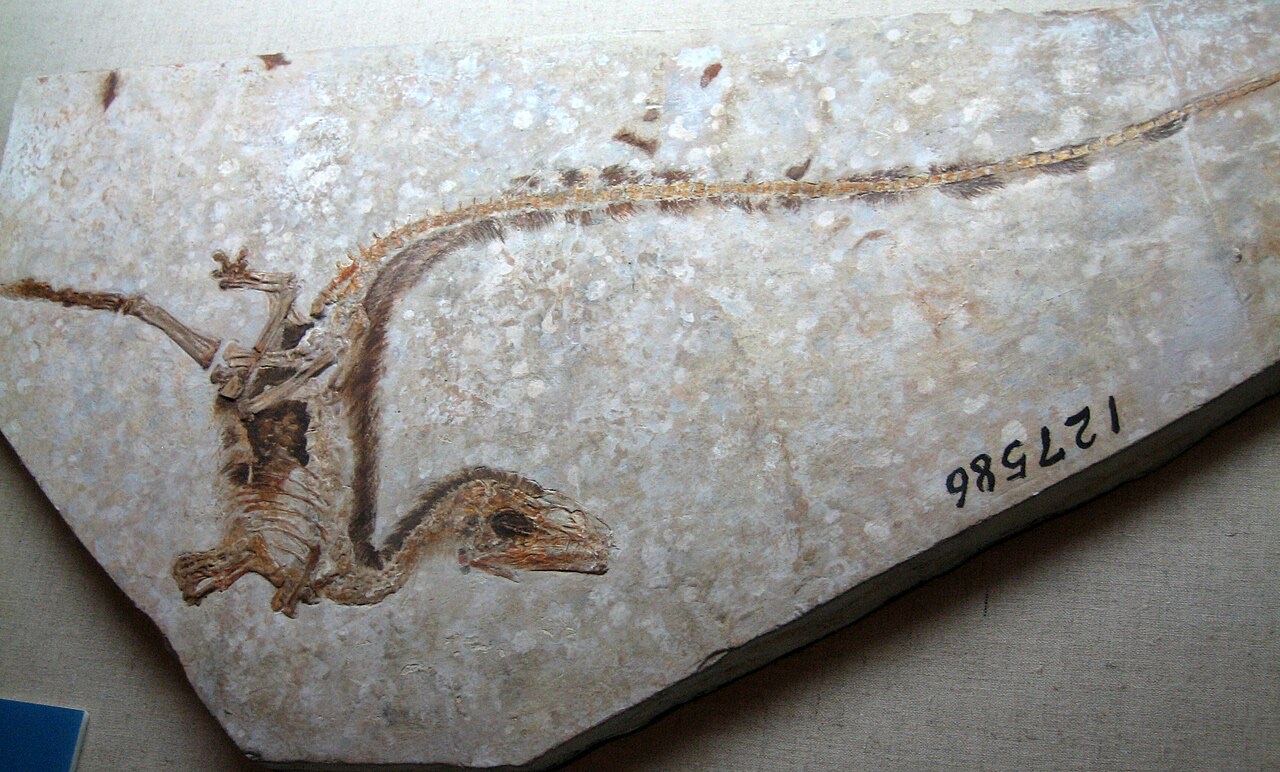
The Yixian and Jiufotang formations preserve different Early Cretaceous windows into northeastern China’s lake and terrestrial ecosystems.
125 Ma → 120 Ma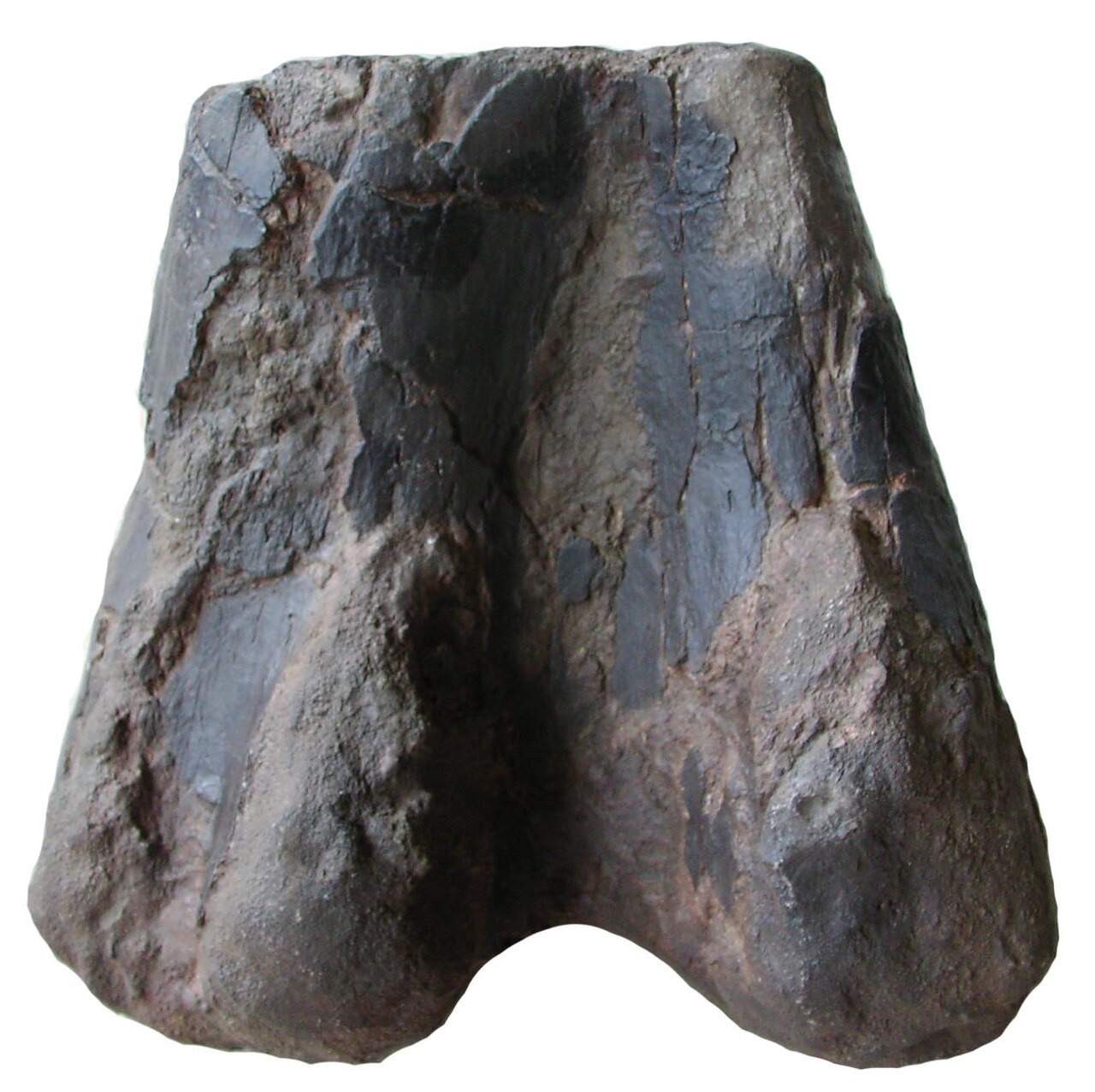 Asia
Thailand ↗
Phu Wiang
Older Phra Wihan track-bearing sandstone and younger Sao Khua floodplain deposits record dinosaurs in northeastern Thailand.
140 Ma → 133 Ma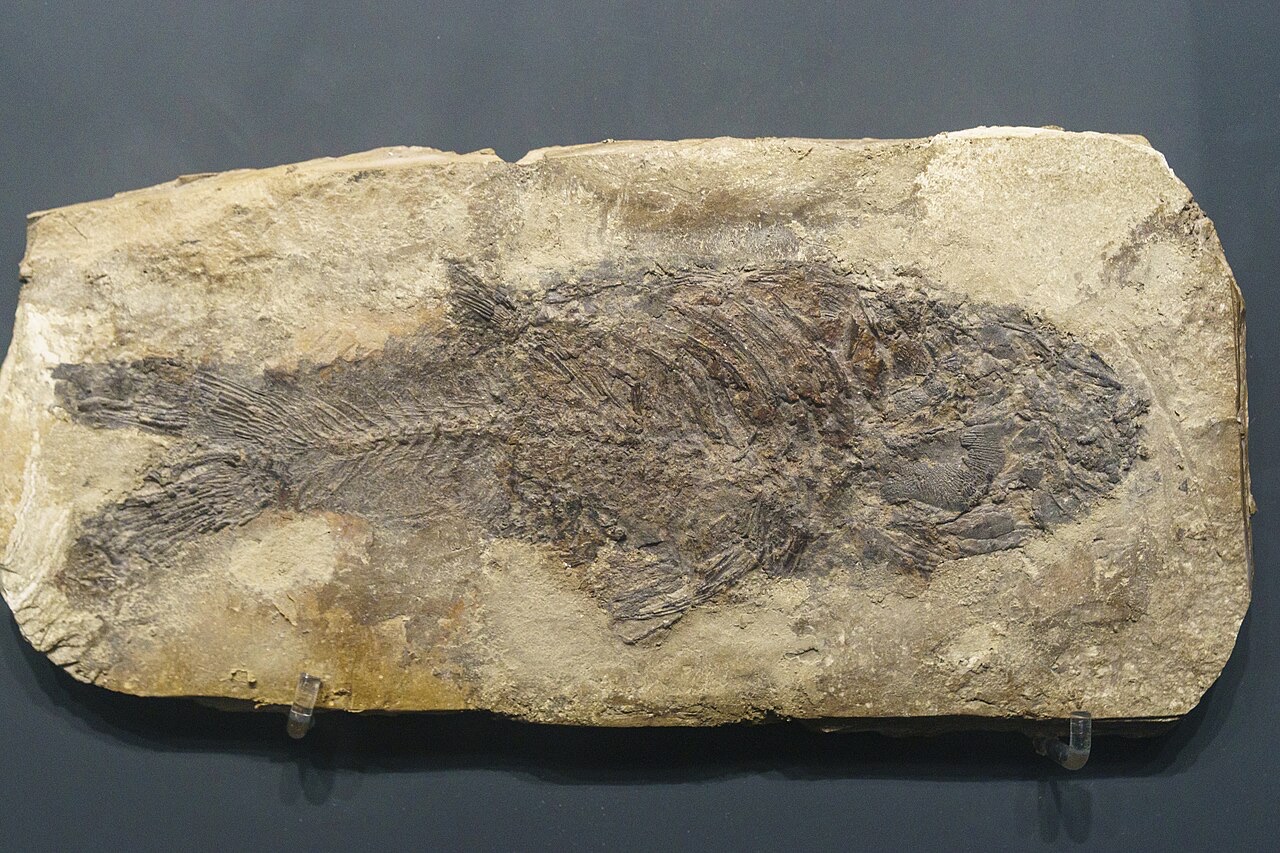 Asia
China ↗
Shanwang
Basalts bracket a fossil-rich lake succession whose diatoms, leaves, insects and vertebrates reveal both preservation and environment.
21 Ma → 17 Ma