
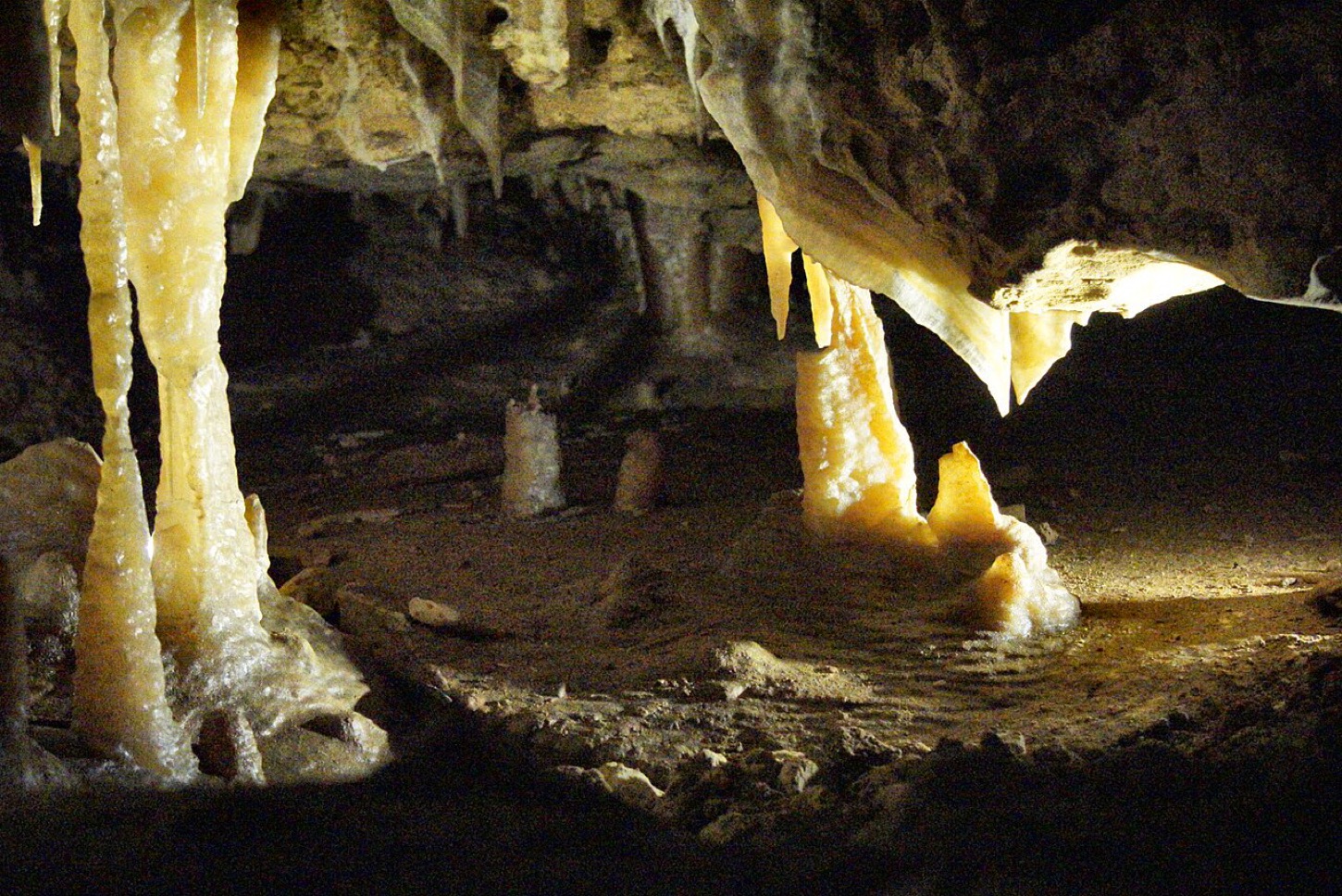
When does a cave begin to sample the world above it?
Some of the Naracoorte caves are much older than their known large-animal fossil deposits. The difference matters because an enclosed or poorly ventilated cave can accumulate minerals without admitting much material from outside. A fossil archive starts only when a route allows wind, water, sediment or animals to reach a suitable space. Different chambers of the same system can therefore hold very different evidence.
Researchers dated speleothems, mineral deposits that grew on cave surfaces. An old date on one of these deposits establishes that a cavity existed by then. Its relationship to plant pollen and charcoal gives a second line of information about contact with the outside. The studied sequence records cave mineral growth before stronger evidence of communication with the surface. A change in the particles trapped in calcite can be read as a change in ventilation or access, rather than the appearance of pollen-producing plants for the first time.
The Fossil Chamber of Victoria Fossil Cave preserves an additional story. Its accumulation reflects an opening through which sediments and animal bodies reached the floor. The cave contains remains of small vertebrates as well as large mammals and reptiles. Some animals were more likely to fall in, survive burial or be recovered than others. Scientists can use many layers to investigate change through time while keeping the bias of a natural trap visible.
[1] [2] [3]Time windows and evidence
Older ages are on the left. Bars span the dated intervals. A dot marks a single age.
- Old mineral deposits establish that cavities existed 1.25–1.4 Ma
- Surface material reaches caves and leaves a fossil archive 0.35–0.6 Ma
- The oldest dated Naracoorte speleothem 1.25–1.4 Ma
- Pollen and charcoal entering Naracoorte passages 0.35–0.6 Ma
- Vertebrate accumulation in Victoria Fossil Cave 0.015–0.53 Ma
Researched windowsEvidence records
1.34 Ma · interval 1.25–1.4 Ma
Old mineral deposits establish that cavities existed
Researchers dated mineral deposits within the Naracoorte Cave Complex. The oldest measured speleothem is about 1.34 million years old. It grew in a pre-existing cavity. This window therefore establishes that a cavity existed by that time, without identifying when dissolution cut the first void.
[1]Locate this time in the atlas ↗Observed
A speleothem yielded a numerical date near 1.34 Ma.
Reconstructed
At least part of the cave complex was open internally before the more obvious record of surface particles.
Uncertain
The oldest tested deposit is a minimum constraint, not the beginning of the whole cave system.
Evidence windows overlapping this state: 1. Overlap does not establish exact coexistence.
0.5 Ma · interval 0.35–0.6 Ma
Surface material reaches caves and leaves a fossil archive
Pollen and charcoal in younger mineral growth indicate that surface material gained better access from roughly 600,000 years ago. Known fossil-rich sediments provide a separate archive. The selected window links these observations without equating the first ventilation recorded in one cave with the first animal entry in another.
[1] [2] [3]Locate this time in the atlas ↗Observed
Younger speleothems contain pollen and charcoal; dated cave fills contain abundant vertebrates.
Reconstructed
Openings allowed outside material into parts of the cave system, including animal remains.
Uncertain
Several entrances and chambers could have opened at different times.
Evidence windows overlapping this state: 2. Overlap does not establish exact coexistence.
sediment · Naracoorte Caves ↗
Pollen and charcoal entering Naracoorte passages
Pieces of charcoal and pollen become more prominent in studied cave-mineral records from around 600,000 years ago. Their occurrence provides a different kind of evidence from the speleothem’s numerical age. The particles suggest increased communication between selected cave passages and surface environments. Airflow, water supply and local opening geometry can influence how many particles are trapped.
body fossil · Naracoorte Caves ↗
Vertebrate accumulation in Victoria Fossil Cave
The Naracoorte cave system includes abundant vertebrate bones, including the documented Fossil Chamber cone in Victoria Fossil Cave. Large extinct marsupials and much smaller animals are represented. Repeated infill records change in the fauna over a long time, with a preservation pathway that differs from surface deposits. The cave-wide dates describe a regional record. They cannot date individual animals without a documented layer.
What this story cannot resolve
The age of mineral growth is a minimum age for the existence of a cavity. Stronger surface signals and dated fossil accumulations do not necessarily begin at the same moment in every chamber.
Keep these ideas handy
Taphonomy
Studying what happens between an organism’s life, death, burial, preservation and eventual discovery. Explore the idea ↗
Radiometric dating
Estimating the time of a geological event from radioactive decay and the isotopic composition of a suitable material. Explore the idea ↗
Sampling bias
Differences between the history of life and the subset preserved, exposed, collected, identified and published. Explore the idea ↗
The evidence notebook
radiometric · Naracoorte Caves ↗
The oldest dated Naracoorte speleothem
Dated cave calcite in the Naracoorte complex includes a reported age near 1.34 million years. The carbonate body accumulated after there was space inside the cave to receive it. The deposit demonstrates an older minimum age for cavity development than earlier evidence alone had established. It does not put a date on the first dissolution of the limestone.
sediment · Naracoorte Caves ↗
Pollen and charcoal entering Naracoorte passages
Pieces of charcoal and pollen become more prominent in studied cave-mineral records from around 600,000 years ago. Their occurrence provides a different kind of evidence from the speleothem’s numerical age. The particles suggest increased communication between selected cave passages and surface environments. Airflow, water supply and local opening geometry can influence how many particles are trapped.
body fossil · Naracoorte Caves ↗
Vertebrate accumulation in Victoria Fossil Cave
The Naracoorte cave system includes abundant vertebrate bones, including the documented Fossil Chamber cone in Victoria Fossil Cave. Large extinct marsupials and much smaller animals are represented. Repeated infill records change in the fauna over a long time, with a preservation pathway that differs from surface deposits. The cave-wide dates describe a regional record. They cannot date individual animals without a documented layer.
Follow the evidence
Sources & credits
- Cave opening and fossil accumulation in Naracoorte through charcoal and pollen in dated speleothems ↗
Weij et al. · Communications Earth & Environment · 2022
Use, credit & modifications
Reference only. No source text, figures or photographs reproduced in this record.
Credit: Weij et al. · Communications Earth & Environment. Facts paraphrased in original text; teaching intervals distinguished from measurement uncertainty. Reference use; no media rights asserted.
- Fossils in Naracoorte, South Australia ↗
Australian Museum · 2018
Use, credit & modifications
Reference only. No source text, figures or photographs reproduced in this record.
Credit: Australian Museum. Facts paraphrased in original text; teaching intervals distinguished from measurement uncertainty. Reference use; no media rights asserted.
- Australian Fossil Mammal Sites: Naracoorte ↗
Australian Department of Climate Change, Energy, the Environment and Water · Not stated
Use, credit & modifications
Reference only. No source text, figures or photographs reproduced in this record.
Credit: Australian Department of Climate Change, Energy, the Environment and Water. Facts paraphrased in original text; teaching intervals distinguished from measurement uncertainty. Reference use; no media rights asserted.
Follow the connections
 Oceania
Australia ↗
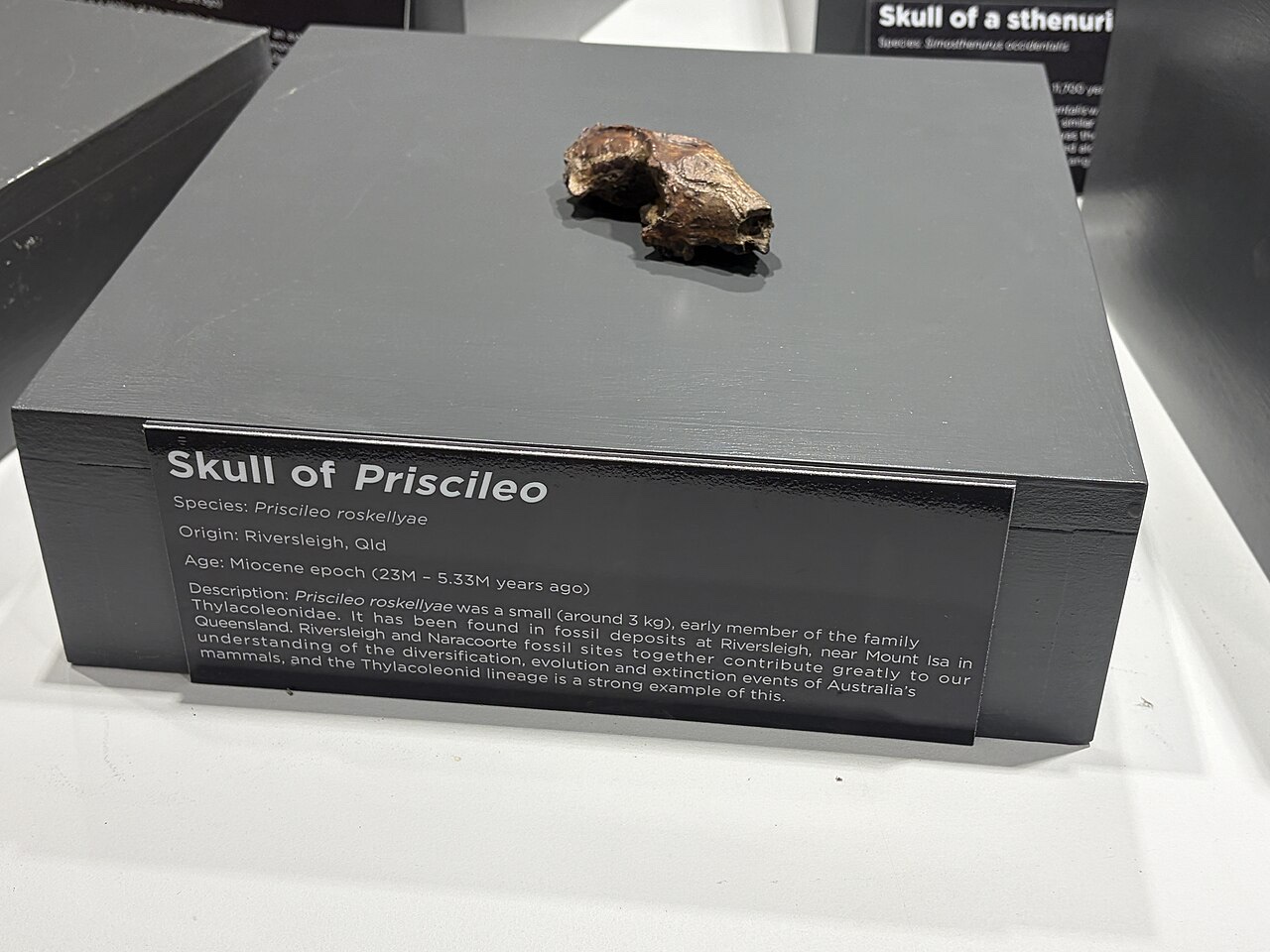
Riversleigh
Riversleigh’s fossil deposits connect wetter Oligocene–Miocene habitats with later faunas, revealing Australian mammals, birds, reptiles and bats.
23 Ma → 2.1 Ma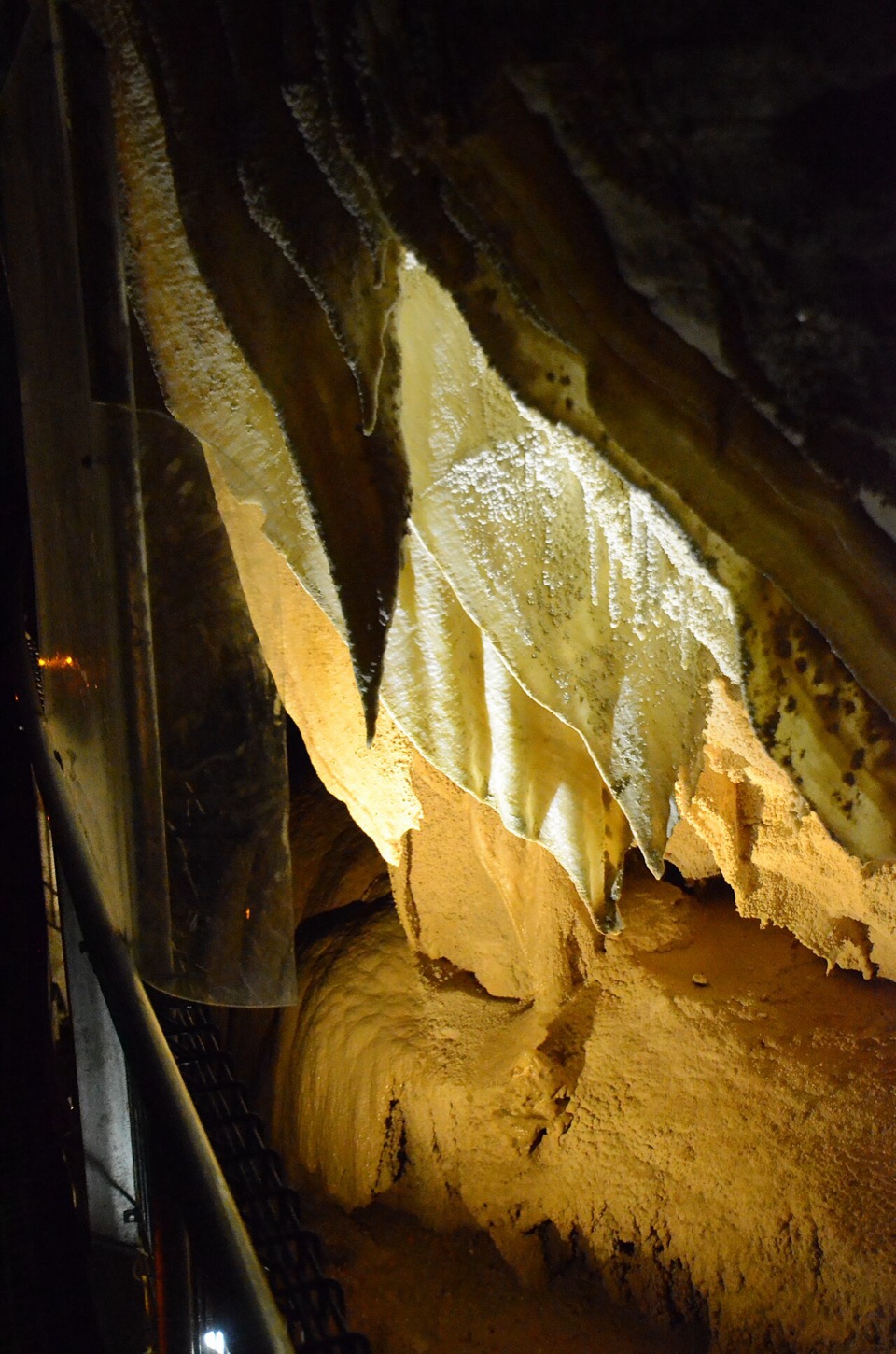 Oceania
New Zealand ↗
Waitomo limestone and caves
Oligocene marine limestone underlies Waitomo. Pleistocene cave deposits record much later water flow and movement of rock.
26 Ma → 0.038 Ma