
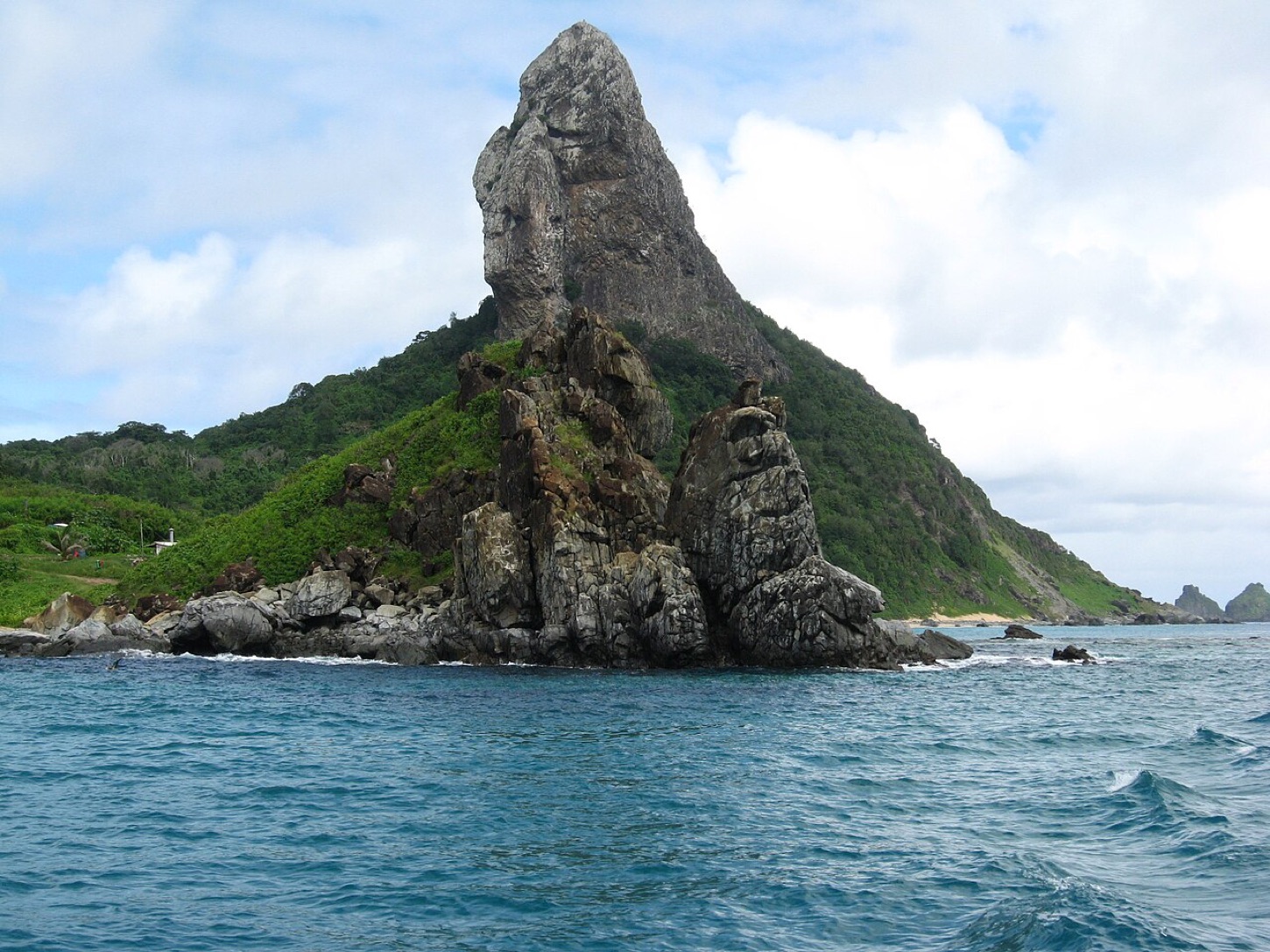
How do rock ages reveal a pause in an island’s volcanic history?
Fernando de Noronha rises from the Atlantic far offshore from northeastern Brazil. The main island’s sharply defined peaks and cliffs reveal the surviving parts of volcanic bodies. Erosion can remove a great deal of a volcano’s original shape. A steep rock peak may be harder material left behind after softer rocks have worn away. Its present outline is a clue to the relative resistance of rock, rather than a direct outline of a volcano at its moment of eruption.
The older Remédios rocks include fragmented volcanic deposits and intrusive igneous bodies such as dikes and domes. At some outcrops an intrusion cuts pre-existing deposits. That geometry records one event occurring later than the rock it crosses. Argon measurements on suitable material provide independent numerical ages, allowing the relationships seen on the ground to be compared across the island.
Younger Quixaba deposits include a distinctive set of lava flows and volcanic fragments. A break between the older and younger deposits helps separate phases of island development. Published chronologies vary with the method and rock samples used. More recent measurements distinguish a broadly older 12.5–9 Ma phase and a younger 6.2–1.3 Ma phase. The teaching views deliberately choose one age inside each phase. They leave out much of the small-scale variation within each interval, including the details of individual eruptive centres and how sea level affected what survived.
[1] [2] [3]Time windows and evidence
Older ages are on the left. Bars span the dated intervals. A dot marks a single age.
- Older Remédios and São José volcanism 9–12.5 Ma
- Younger Quixaba lava flows 1.3–6.2 Ma
- Remédios intrusive bodies 9–12.5 Ma
- Dated older volcanic rocks of Fernando de Noronha 9–12.5 Ma
- Quixaba volcanic succession 1.3–6.2 Ma
Researched windowsEvidence records
10 Ma · interval 9–12.5 Ma
Older Remédios and São José volcanism
Older volcanic rocks and intrusions form a diverse assemblage. Dated minerals and crosscutting relationships separate events within the main period. Deposits are retained in the rock record where the remaining island exposes them. The age plotted selects part of a phase, not a time at which every older rock formed.
[1] [2]Locate this time in the atlas ↗Observed
Dikes, domes and volcanic deposits differ in composition and have measured argon ages.
Reconstructed
A range of eruptive and intrusive processes built an older volcanic complex.
Uncertain
The original profile and volumes of eroded rock are incompletely preserved.
Evidence windows overlapping this state: 2. Overlap does not establish exact coexistence.
locality · Fernando de Noronha ↗
Remédios intrusive bodies
Remédios exposures preserve volcanic fragmental rock as well as bodies of magma injected before solidification. Some intrusive bodies cross original layers. Crosscutting boundaries establish a relative order independently of a numerical date and reveal a complex igneous edifice. Present outcrops show what remained after erosion, not the full shape of the older volcano.
radiometric · Fernando de Noronha ↗
Dated older volcanic rocks of Fernando de Noronha
Argon measurements on selected rocks and minerals constrain the ages of the older Remédios and São José volcanic phase. Different measured samples come from different bodies. The ages establish an earlier broad phase and provide an anchor for comparing the field sequence with the younger Quixaba rocks. One numerical age should not be assigned to every older intrusion or deposit.
3 Ma · interval 1.3–6.2 Ma
Younger Quixaba lava flows
Quixaba lavas and fragmental deposits mark later activity after a substantial break in the dated sequence. They accumulated on and around older material. Tracing contacts and recording rock types distinguishes the younger phase from the older intrusions despite erosion of both.
[1] [3]Locate this time in the atlas ↗Observed
Relatively young lava flows and volcanic layers overlie older formations across parts of the archipelago.
Reconstructed
Later episodes added fresh lava and deposits to the older volcanic edifice.
Uncertain
The published date range samples a phase and does not imply continuous activity across it.
Evidence windows overlapping this state: 1. Overlap does not establish exact coexistence.
What this story cannot resolve
Dates apply to sampled rocks and selected phases. The amount of island material already removed by erosion cannot be determined from the two views.
Keep these ideas handy
Radiometric dating
Estimating the time of a geological event from radioactive decay and the isotopic composition of a suitable material. Explore the idea ↗
Unconformity
A surface representing a break in the preserved geological record, caused by nondeposition, erosion or both. Explore the idea ↗
Relative dating
Determining which event came first without necessarily assigning a numerical age. Explore the idea ↗
The evidence notebook
locality · Fernando de Noronha ↗
Remédios intrusive bodies
Remédios exposures preserve volcanic fragmental rock as well as bodies of magma injected before solidification. Some intrusive bodies cross original layers. Crosscutting boundaries establish a relative order independently of a numerical date and reveal a complex igneous edifice. Present outcrops show what remained after erosion, not the full shape of the older volcano.
radiometric · Fernando de Noronha ↗
Dated older volcanic rocks of Fernando de Noronha
Argon measurements on selected rocks and minerals constrain the ages of the older Remédios and São José volcanic phase. Different measured samples come from different bodies. The ages establish an earlier broad phase and provide an anchor for comparing the field sequence with the younger Quixaba rocks. One numerical age should not be assigned to every older intrusion or deposit.
locality · Fernando de Noronha ↗
Quixaba volcanic succession
The Quixaba Formation includes distinctive volcanic flow and fragmental deposits retained in the archipelago’s cliffs and outcrops. In sections it is separated from the older phase. Those rocks allow investigators to reconstruct later volcanic activity and distinguish flows and deposit types. The visible extent of rocks varies with erosion and does not simply give the original erupted volume.
Follow the evidence
Sources & credits
- 40Ar/39Ar geochronology of the Fernando de Noronha Archipelago ↗
Perlingeiro et al. · Journal of Volcanology and Geothermal Research · 2013
Use, credit & modifications
Reference only. No source text, figures or photographs reproduced in this record.
Credit: Perlingeiro et al. · Journal of Volcanology and Geothermal Research. Facts paraphrased in original text; teaching intervals distinguished from measurement uncertainty. Reference use; no media rights asserted.
- Geochemistry of the alkaline volcanic-subvolcanic rocks of Fernando de Noronha ↗
Lopes et al. · Brazilian Journal of Geology · 2015
Use, credit & modifications
Reference only. No source text, figures or photographs reproduced in this record.
Credit: Lopes et al. · Brazilian Journal of Geology. Facts paraphrased in original text; teaching intervals distinguished from measurement uncertainty. Reference use; no media rights asserted.
- Lithofacies association and stratigraphy of the Quixaba and Remédios formations ↗
Journal of South American Earth Sciences · 2024
Use, credit & modifications
Reference only. No source text, figures or photographs reproduced in this record.
Credit: Journal of South American Earth Sciences. Facts paraphrased in original text; teaching intervals distinguished from measurement uncertainty. Reference use; no media rights asserted.
Follow the connections
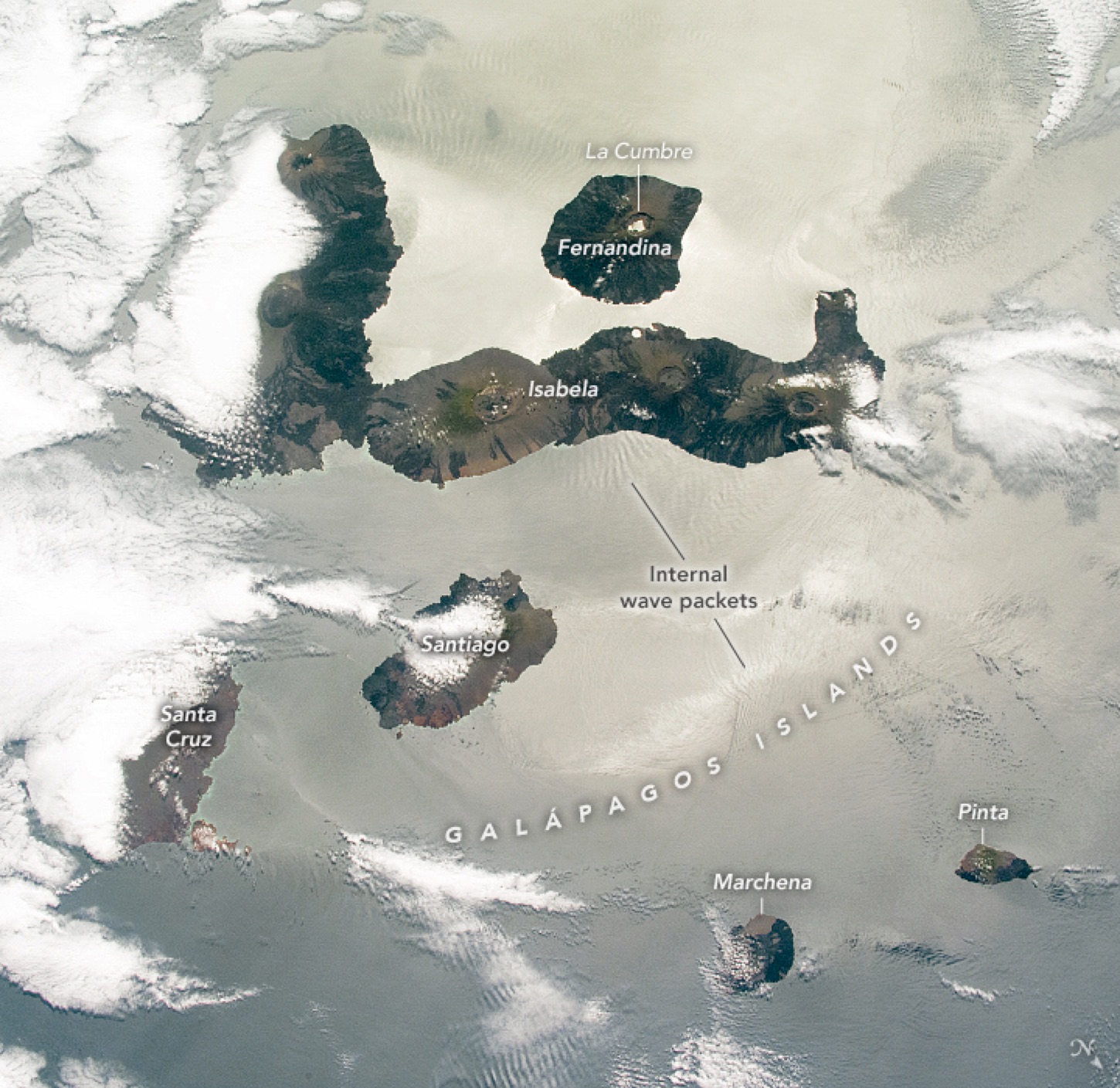 South America
Ecuador ↗
Galápagos volcanic islands
Radiometric ages and exposure dating help compare the histories of Española and Fernandina within one volcanic chain.
2.61 Ma → 0.032 Ma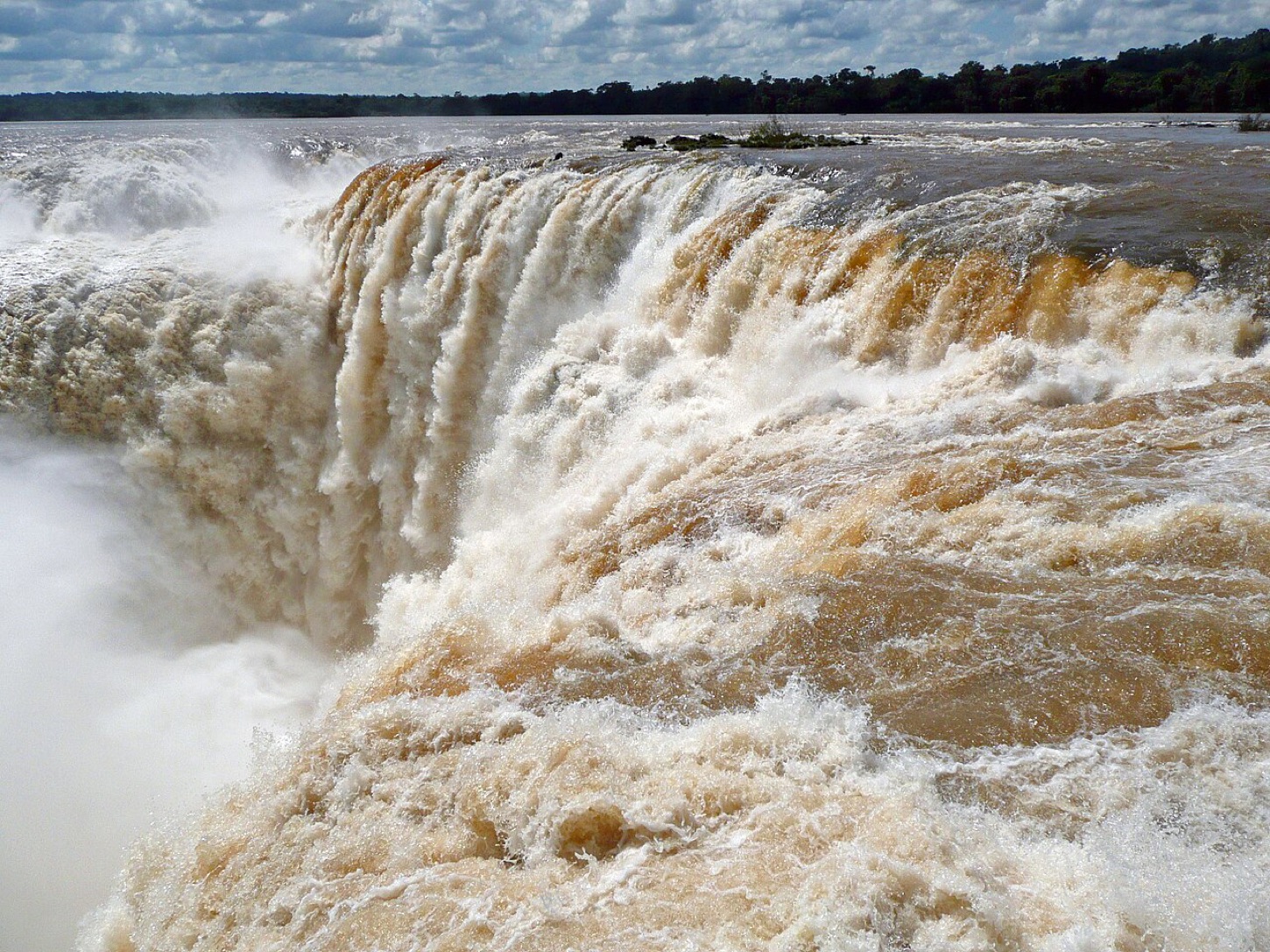 South America
Argentina / Brazil ↗
Iguazú–Iguaçu Falls
The falls expose part of the Cretaceous Serra Geral volcanic succession. Modern flow and erosion have shaped steps, cliffs and a gorge.
134.4 Ma → Today