
What disappears from the history of life when only shells survive?
The Burgess Shale matters because its fossils change what can be seen, not because evolution suddenly happened in one Canadian valley. Many animals lacked the hard shells and bones that fossilize most readily. Here, exceptional burial and preservation retained flattened traces of softer anatomy. The resulting assemblage reveals a Cambrian community more varied than a collection of durable shells alone would suggest. It is still a filtered sample, affected by where the sediment accumulated and what happened after death.
The classic Walcott Quarry deposits formed in a marine setting near a carbonate platform margin. Fine sediment buried organisms and their remains. The relationship between burial events, oxygen conditions and chemical preservation is reconstructed from the beds and fossils, rather than watched directly. Some specimens retain appendages or gut traces; many others are incomplete, distorted or overlapping. Researchers compare numerous specimens to distinguish anatomy from folds, decay and the accidental orientation of a carcass.
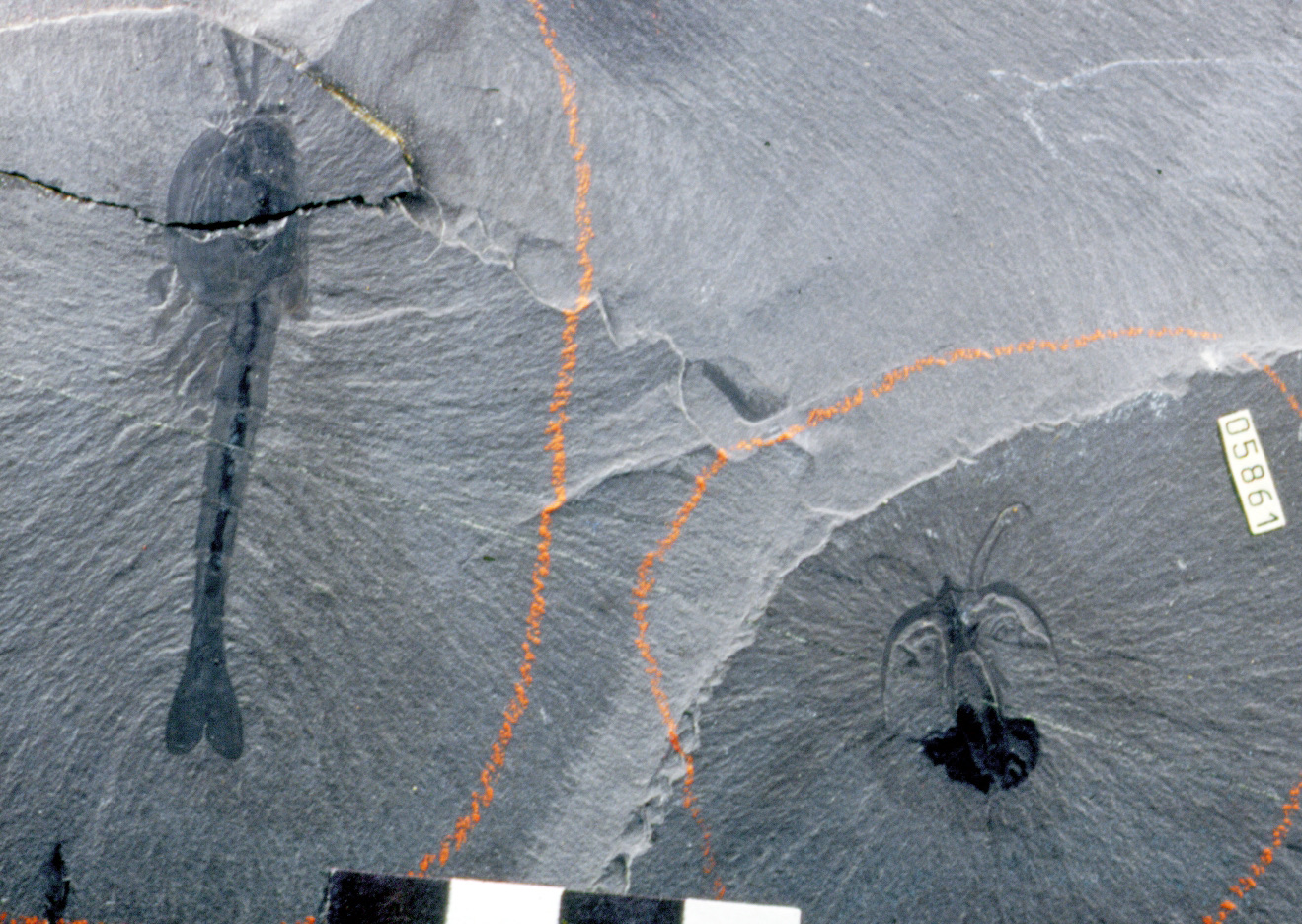
Compare two animals from the same quarry. Marrella has long spines swept back from the head and rows of branching limbs. In Waptia, a two-part shell enclosed the front of the body, and some specimens preserve jaws and limbs with flattened paddles farther back. Several Waptia fossils also preserve eggs beneath the shell. That repeated association supports brooding. The exact feeding habits of either animal still have to be inferred from form and comparison.
The younger scene explains access to this evidence. Later tectonic deformation, uplift and erosion brought the Cambrian rock into the mountain landscape seen today. The modern locality is not the former latitude, elevation or depth of the Cambrian site. Switching between the states connects a sediment’s original environment with its subsequent journey through the crust, while keeping those two histories separate.
[1] [2] [3] [4]Time windows and evidence
Older ages are on the left. Bars span the dated intervals. A dot marks a single age.
- Life below a Cambrian platform margin 505–510 Ma
- A fossil-bearing mountain slope Today
- Marrella splendens at the Burgess Shale 505–510 Ma
- Waptia fieldensis at the Burgess Shale 505–510 Ma
- The Mount Stephen Trilobite Beds 505–510 Ma
Researched windowsEvidence records
508 Ma · interval 505–510 Ma
Life below a Cambrian platform margin
The selected scene represents the classic Burgess Shale marine ecosystem around 508 million years ago. Fine mud accumulated beside a carbonate platform, preserving both hard and soft anatomy in favourable circumstances. The illustrated organisms and seabed are conceptual, and their spacing is not a reconstruction of population density. This state uses a rounded interval encompassing the classic deposits, rather than implying every Burgess Shale locality or species was exactly contemporaneous.
[1] [2] [3]Locate this time in the atlas ↗Observed
Flattened marine fossils, fine bedding and carbonate platform rocks are documented.
Reconstructed
A marine community near a platform margin, with episodic burial and unusual preservation.
Uncertain
Water depth, transport distance and exact preservation conditions vary by locality and remain research questions.
Evidence windows overlapping this state: 3. Overlap does not establish exact coexistence.
body fossil · Burgess Shale ↗
Marrella splendens at the Burgess Shale
Marrella is known from many Burgess Shale specimens, including fossils with fine appendages that would be missing from an ordinary shell assemblage. Those details make it useful for studying arthropod anatomy and how bodies are preserved. Its abundance in a collection does not directly measure its abundance in the living sea. Burial location, body durability and collection effort all stand between a Cambrian population and a museum drawer.
body fossil · Burgess Shale ↗
Waptia fieldensis at the Burgess Shale
Fossils from Walcott Quarry show Waptia with a two-part carapace, jaws and several distinct kinds of limbs. Some specimens also preserve clusters of eggs under the carapace. Their position supports the interpretation that Waptia carried developing young there. Compression and overlap can hide parts of an individual, so both the anatomy and the brood-care interpretation depend on comparing multiple fossils.
locality · Burgess Shale ↗
The Mount Stephen Trilobite Beds
The Mount Stephen locality is part of the historical and geological context of Burgess Shale research. Its trilobite-rich material was recognized before the famous soft-bodied assemblage at Walcott Quarry. Comparing the two shows why discovery history matters: one kind of fossil can draw attention first, while another requires different splitting, preparation and interpretation. The locality also prevents a single quarry from standing in for every fossil-bearing exposure in the region.
Today · interval Today
A fossil-bearing mountain slope
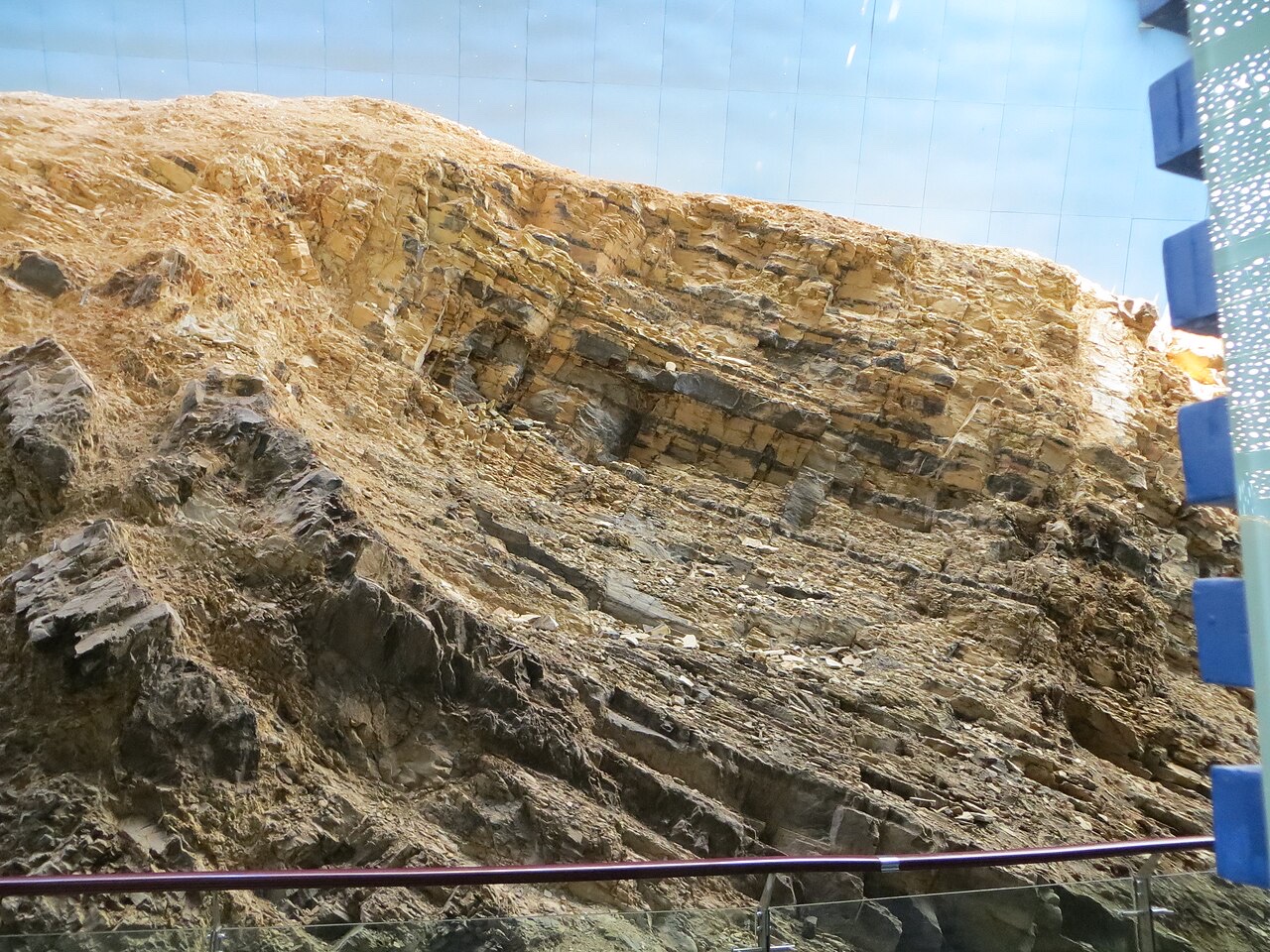
The classic locality now lies in the Canadian Rockies. Its fossil-bearing shale is part of a rock sequence exposed by mountain building and erosion long after the Cambrian ecosystem disappeared. This modern scene is a geographic orientation, not a claim that its ancient animals persisted to the present. The evidence cards describe ancient material found in the current landscape. Rock position and fossil age therefore answer different questions.
[1] [4]Locate this time in the atlas ↗Observed
Cambrian fossil beds are exposed on modern mountain slopes.
Reconstructed
Later deformation, uplift and erosion connect ancient seafloor sediment to its present exposure.
Uncertain
This overview does not reconstruct a complete uplift curve or the elevation of this exact rock at intermediate dates.
Evidence windows overlapping this state: 0. Overlap does not establish exact coexistence.
No curated evidence record overlaps this window. The full notebook for this region appears below.
What this story cannot resolve
The 508 Ma age represents the classic quarry interval, not all Burgess Shale-type deposits. Modern location markers must not be read as paleocoordinates.
Keep these ideas handy
Exceptional preservation
Preservation that retains normally lost features such as soft tissues. Geologists call a deposit rich in such fossils a Konservat-Lagerstätte. Explore the idea ↗
Taphonomy
Studying what happens between an organism’s life, death, burial, preservation and eventual discovery. Explore the idea ↗
Mountain building
Processes that thicken, deform or raise Earth’s crust, often associated with convergence and collision. Explore the idea ↗
The evidence notebook
body fossil · Burgess Shale ↗
Marrella splendens at the Burgess Shale
Marrella is known from many Burgess Shale specimens, including fossils with fine appendages that would be missing from an ordinary shell assemblage. Those details make it useful for studying arthropod anatomy and how bodies are preserved. Its abundance in a collection does not directly measure its abundance in the living sea. Burial location, body durability and collection effort all stand between a Cambrian population and a museum drawer.
body fossil · Burgess Shale ↗
Waptia fieldensis at the Burgess Shale
Fossils from Walcott Quarry show Waptia with a two-part carapace, jaws and several distinct kinds of limbs. Some specimens also preserve clusters of eggs under the carapace. Their position supports the interpretation that Waptia carried developing young there. Compression and overlap can hide parts of an individual, so both the anatomy and the brood-care interpretation depend on comparing multiple fossils.
locality · Burgess Shale ↗
The Mount Stephen Trilobite Beds
The Mount Stephen locality is part of the historical and geological context of Burgess Shale research. Its trilobite-rich material was recognized before the famous soft-bodied assemblage at Walcott Quarry. Comparing the two shows why discovery history matters: one kind of fossil can draw attention first, while another requires different splitting, preparation and interpretation. The locality also prevents a single quarry from standing in for every fossil-bearing exposure in the region.
Follow the evidence
Sources & credits
- Geological Background — The Burgess Shale ↗
Royal Ontario Museum / Parks Canada · Not stated
Use, credit & modifications
Reference only. No source text, photographs, figures or datasets reproduced. Original factual synthesis; no reuse licence asserted.
Credit: Royal Ontario Museum / Parks Canada — Geological Background — The Burgess Shale. Facts paraphrased into original educational text; ages rounded to declared teaching intervals. No asset reuse requested; territorial permissions not applicable.
- Marrella splendens ↗
Royal Ontario Museum / Parks Canada · Not stated
Use, credit & modifications
Reference only. No source text, photographs, figures or datasets reproduced. Original factual synthesis; no reuse licence asserted.
Credit: Royal Ontario Museum / Parks Canada — Marrella splendens. Facts paraphrased into original educational text; ages rounded to declared teaching intervals. No asset reuse requested; territorial permissions not applicable.
- Waptia fieldensis ↗
Royal Ontario Museum / Parks Canada · Not stated
Use, credit & modifications
Reference only. No source text, photographs, figures or datasets reproduced. Original factual synthesis; no reuse licence asserted.
Credit: Royal Ontario Museum / Parks Canada — Waptia fieldensis. Facts paraphrased into original educational text; ages rounded to declared teaching intervals. No asset reuse requested; territorial permissions not applicable.
- Discoveries — The Burgess Shale ↗
Royal Ontario Museum / Parks Canada · Not stated
Use, credit & modifications
Reference only. No source text, photographs, figures or datasets reproduced. Original factual synthesis; no reuse licence asserted.
Credit: Royal Ontario Museum / Parks Canada — Discoveries — The Burgess Shale. Facts paraphrased into original educational text; ages rounded to declared teaching intervals. No asset reuse requested; territorial permissions not applicable.
Follow the connections
 Asia
China ↗
Chengjiang
Cambrian mudstones in Yunnan preserve soft anatomy, revealing an ecosystem and an unusually selective route into the fossil record.
518 Ma → Today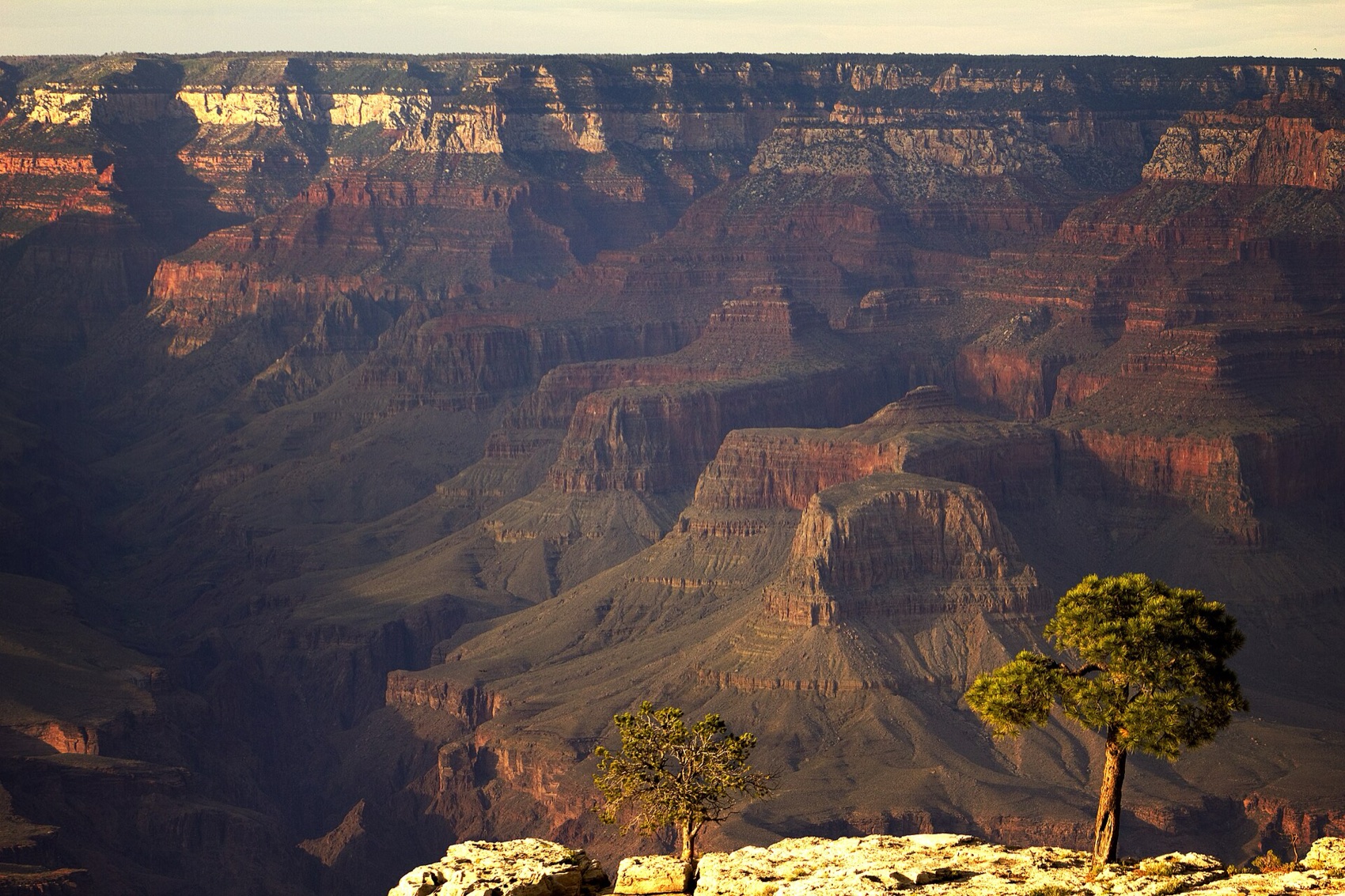 North America
United States ↗
Grand Canyon
The canyon exposes older environments stacked in rock. Cambrian marine deposits and Permian dune sand record different chapters; the much younger canyon is the window through which we read them.
508 Ma → 275 Ma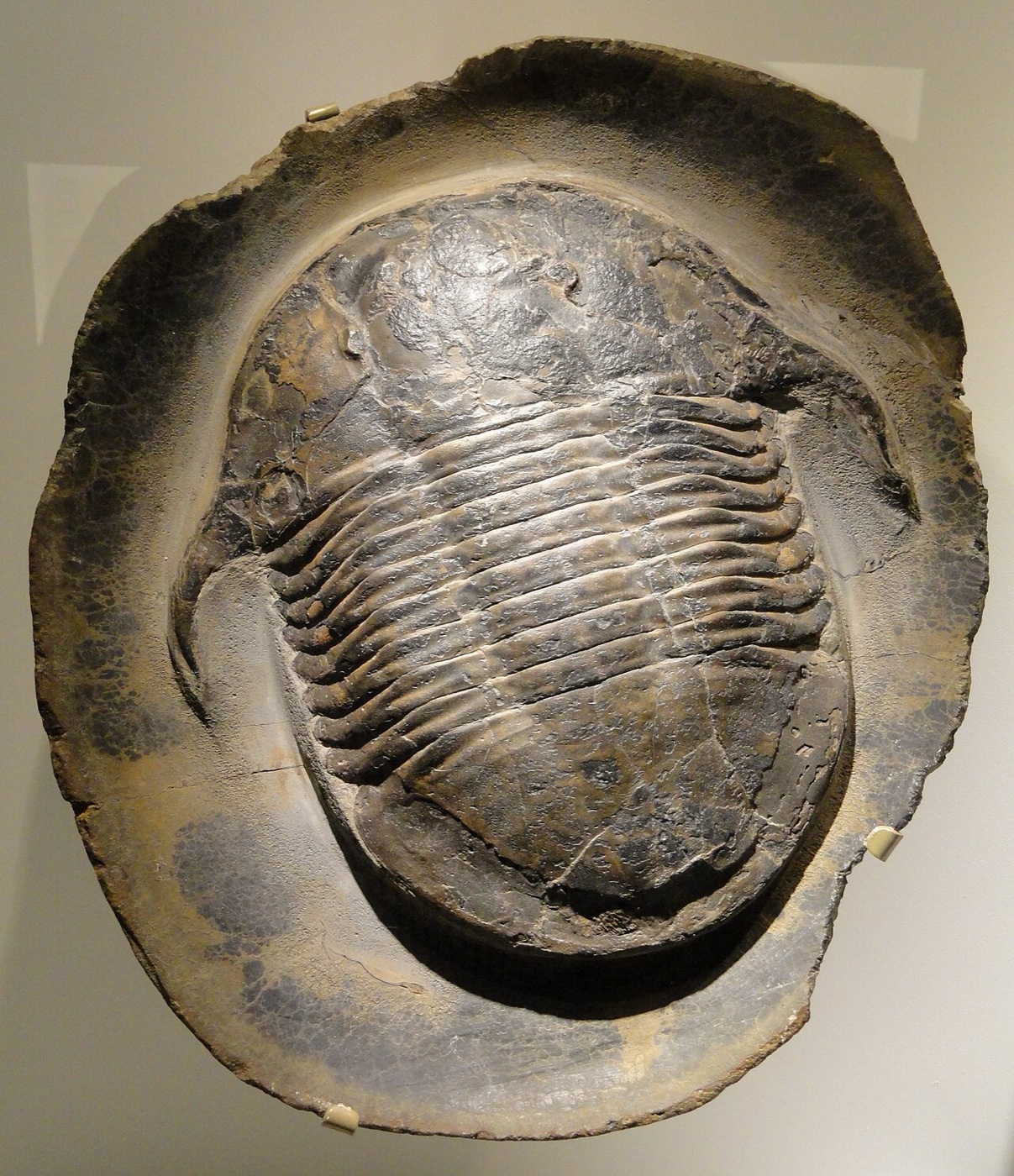 Africa
Morocco ↗
Southern & eastern Morocco
Fezouata’s marine animals and the Kem Kem region’s river deposits reveal widely separated episodes in northern African history. Their contrast is powerful precisely because the localities and times are kept distinct.
480 Ma → 99 Ma