
Flowering plants spread, regional ecosystems differed, and an impact marks the transition to the Cenozoic.
The Cretaceous was long enough to contain enormous ecological and geographic change. Flowering plants became increasingly important, continents continued to separate and marine environments occupied large areas. It is misleading to assemble every familiar dinosaur and plant into a single Cretaceous scene. A difference of fifty million years can separate two fossils carrying the same period label. [2]
Compare the lake beds of Jehol with the river and delta deposits of Morocco’s Kem Kem Group. Fine-grained Jehol deposits preserve feathers on some dinosaurs. Published Kem Kem work describes bones and teeth in river and delta deposits, including fishes and large theropods. Those fossils reveal different parts of their ecosystems. The Gobi, Araripe and Antarctic records extend the comparison to other times and settings. [6] [7] [15] [8] [11] [14]
The period ended at about 66 Ma with the Cretaceous–Paleogene extinction. The Chicxulub impact is supported by a crater and widely distributed impact-related material, while fossil sequences document losses and survival. Hell Creek and adjoining younger strata offer a regional terrestrial view of this transition. They cannot by themselves represent every marine or terrestrial ecosystem, nor does a last fossil in one section necessarily identify a species’ final living individual. [5] [12] [13]
A turning point
The end-Cretaceous crisis eliminated non-avian dinosaurs and many other lineages; birds survived.
Reading this chapter carefully
Cretaceous regional states in this release are separated by large age differences. Compare their explicit intervals rather than assuming period labels mean contemporaneity.
Ma means millions of years before the present. The international chart gives the estimated boundary ages. [1]
Where to see this chapter in the rocks
These places preserve selected windows from the chapter. Find all overlapping regional histories.
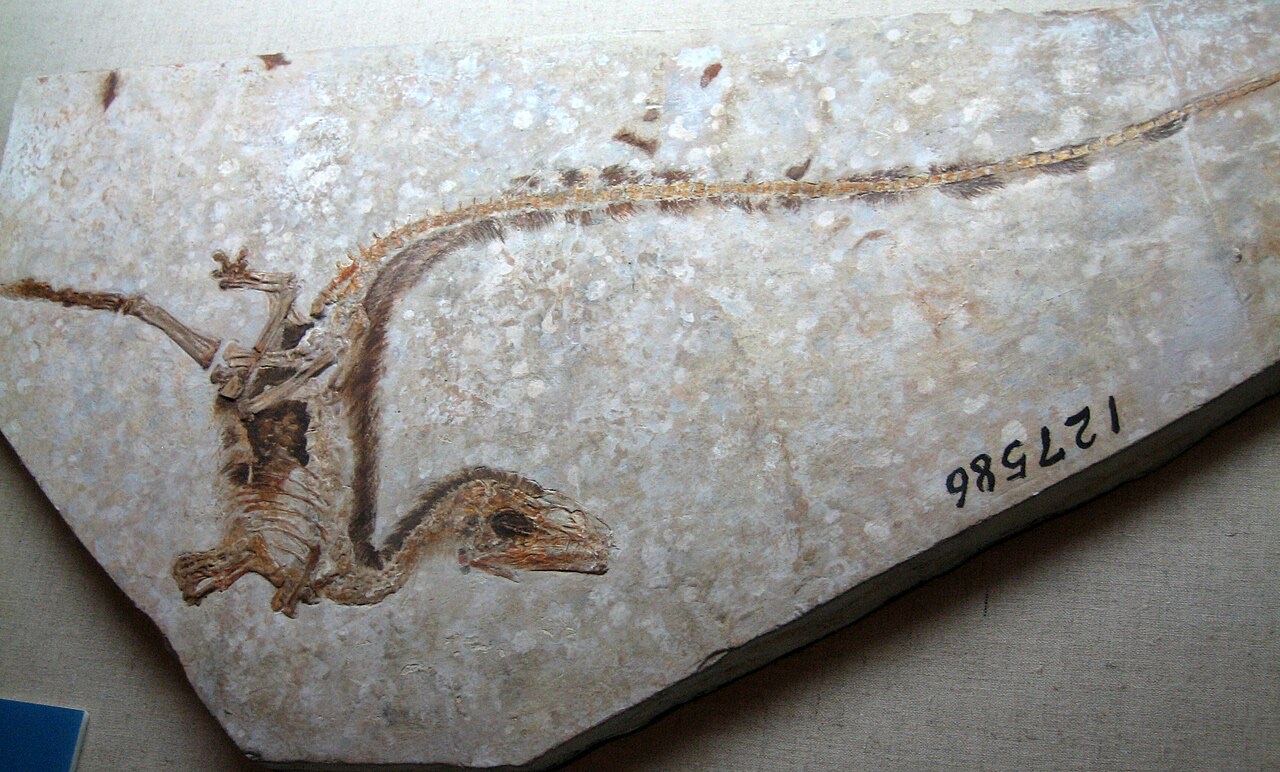 Asia
China ↗
Jehol lake country
The Yixian and Jiufotang formations preserve different Early Cretaceous windows into northeastern China’s lake and terrestrial ecosystems.
125 Ma → 120 Ma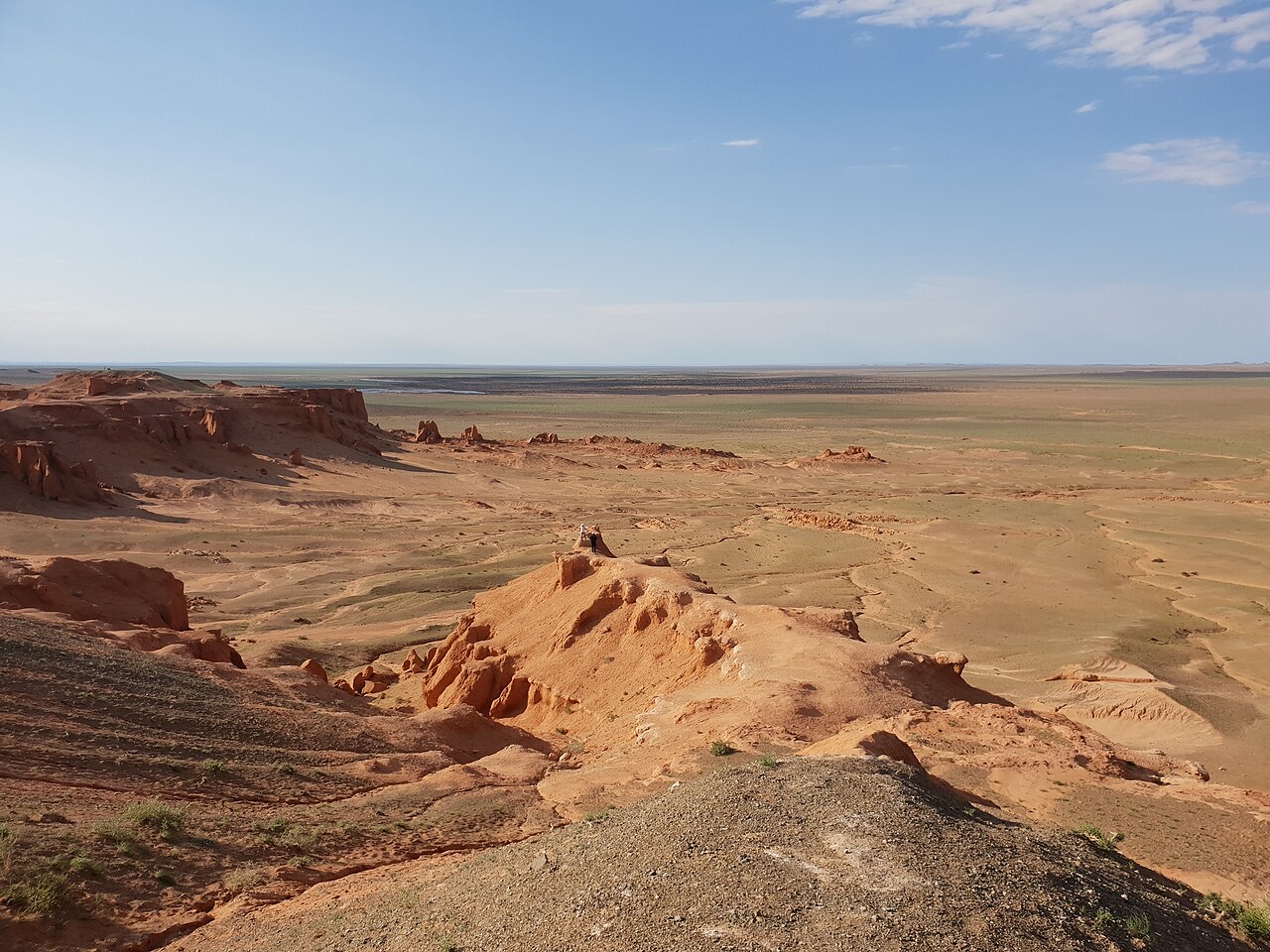 Asia
Mongolia ↗
The Mongolian Gobi
Late Cretaceous Gobi formations preserve contrasting environments and unusually direct clues to dinosaur behaviour.
75 Ma → 70 Ma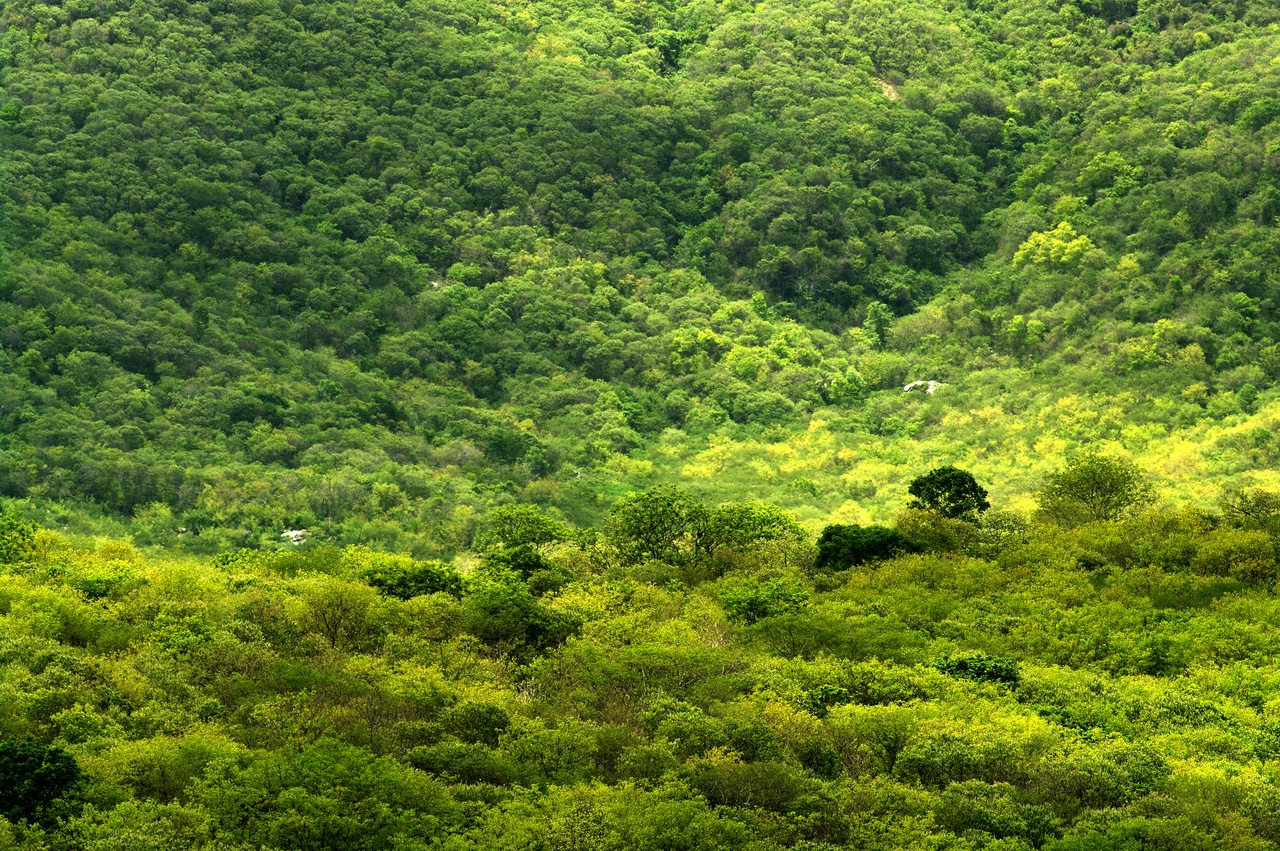 South America
Brazil ↗
The Araripe Basin
The Crato and Romualdo formations preserve contrasting Early Cretaceous depositional settings during the reorganization of northeastern Brazil.
118 Ma → 113 Ma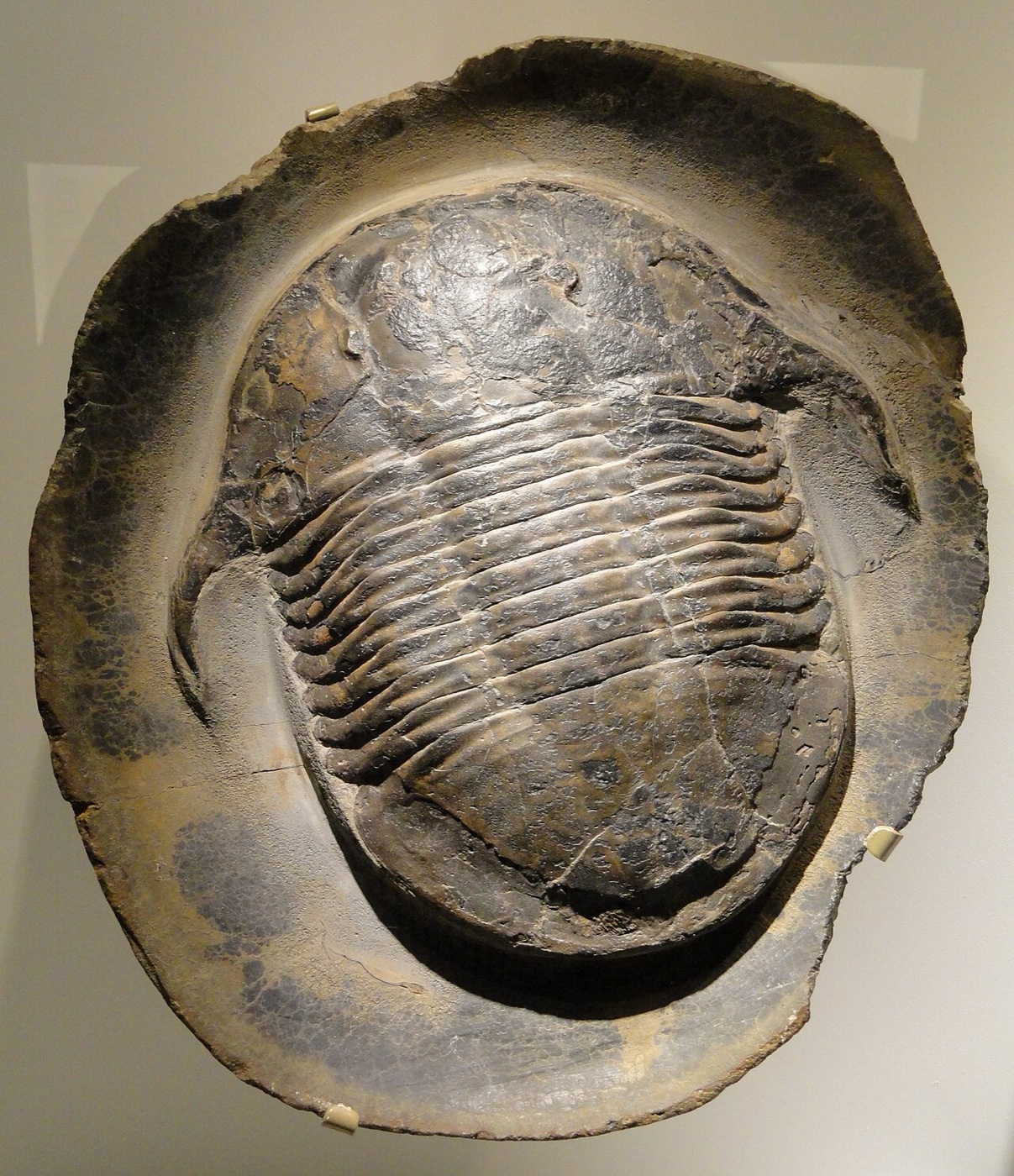 Africa
Morocco ↗
Southern & eastern Morocco
Fezouata’s marine animals and the Kem Kem region’s river deposits reveal widely separated episodes in northern African history. Their contrast is powerful precisely because the localities and times are kept distinct.
480 Ma → 99 Ma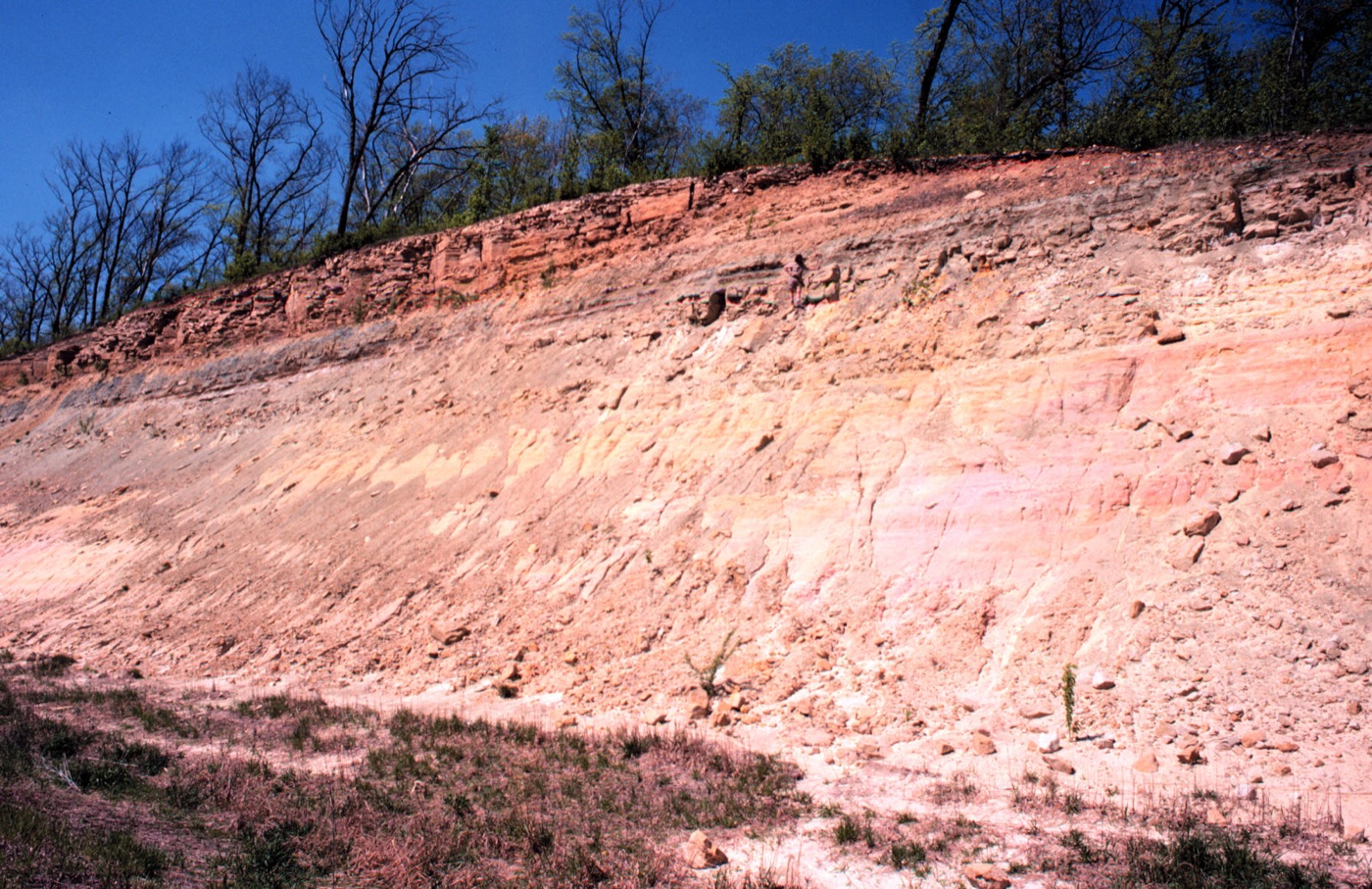 North America
United States ↗
Hell Creek & the Williston Basin
Floodplain fossils on either side of the end-Cretaceous boundary reveal major biological turnover. Pollen and leaves help place the change in time, alongside the more conspicuous dinosaur bones.
67 Ma → 65.5 Ma Antarctica
 ↗
The Antarctic Peninsula
Cretaceous plant fossils and Eocene marine deposits reveal high-latitude environments very different from the familiar ice-covered image of Antarctica.
103 Ma → 40 Ma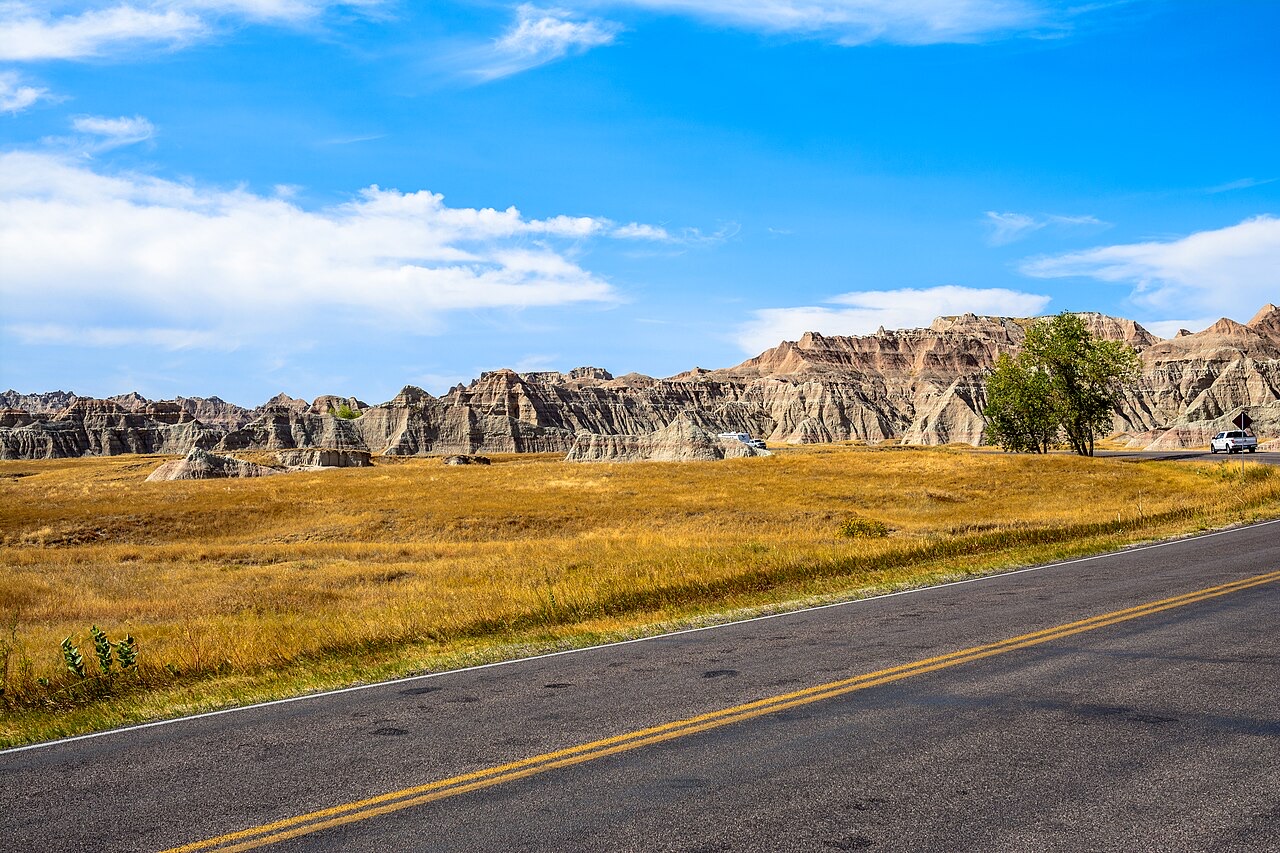 North America
United States ↗
Badlands, South Dakota
Marine shale and younger mammal-bearing floodplain deposits record different worlds beneath the sharp ridges of today.
72 Ma → 32 Ma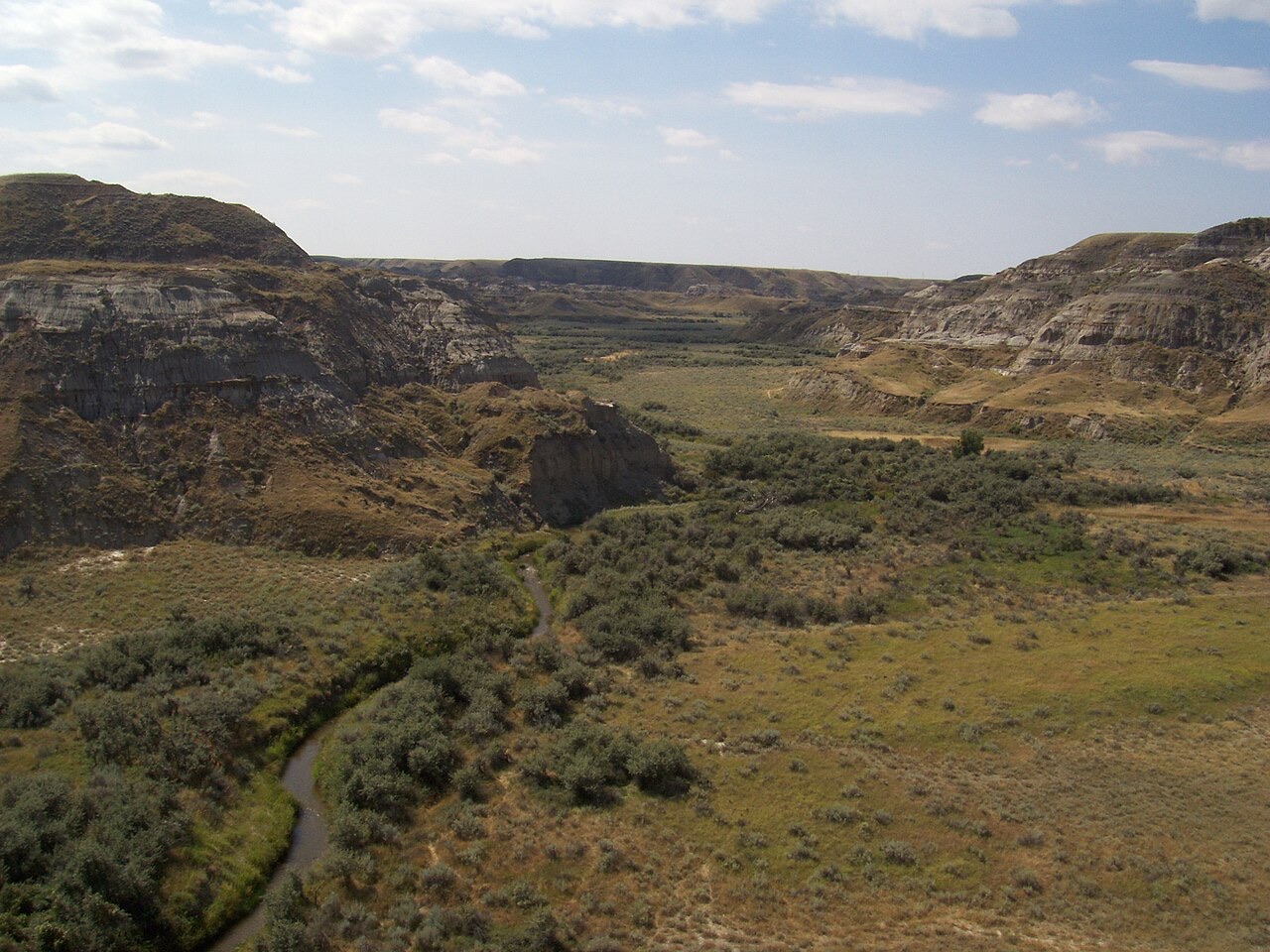 North America
Canada ↗
Dinosaur Provincial Park
Cretaceous river deposits preserved dinosaurs; much younger meltwater erosion opened the valley in which those rocks are studied.
75 Ma → 0.014 Ma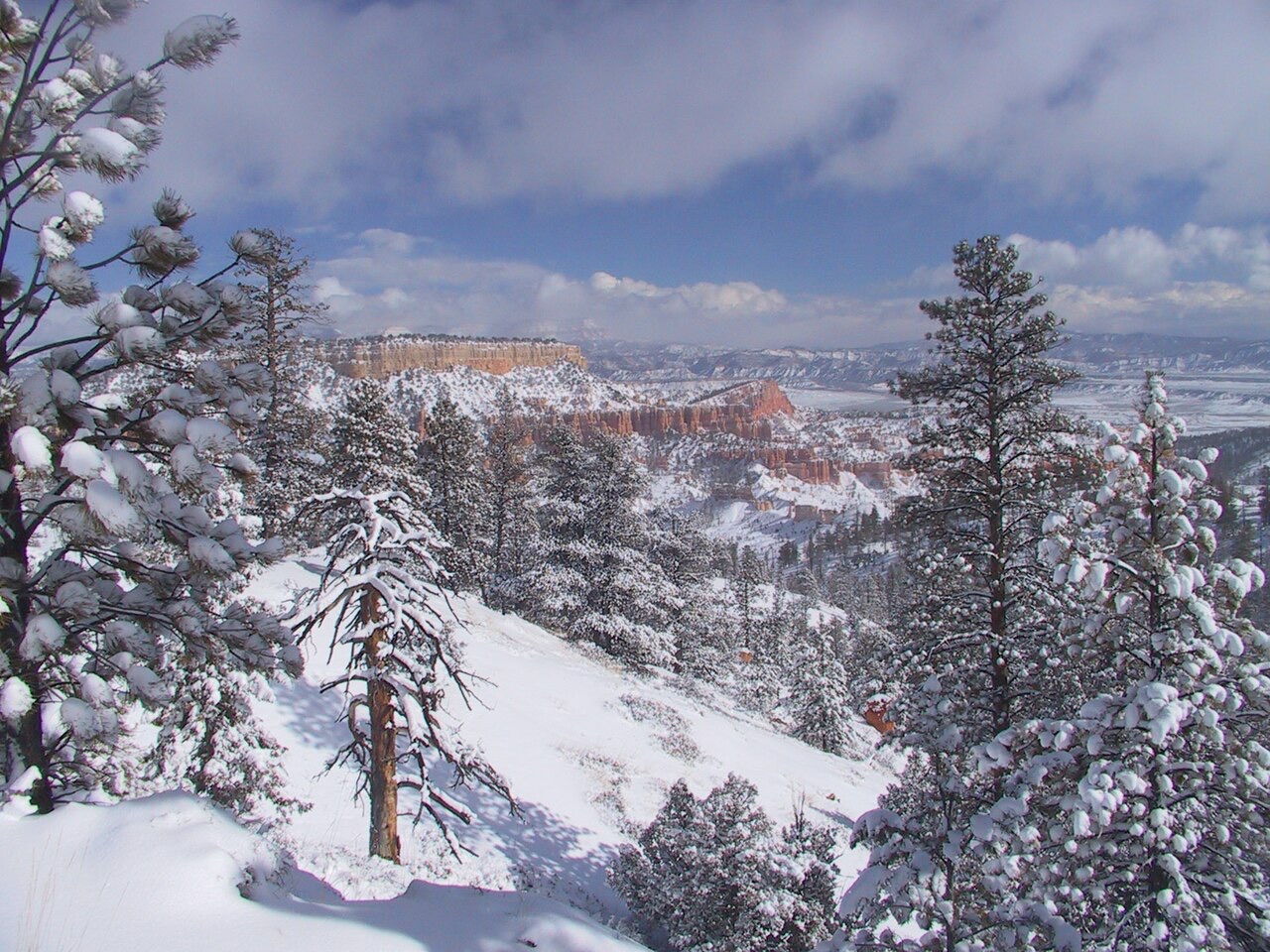 North America
United States ↗
Bryce Canyon
Bryce’s wider rock record connects a Cretaceous sea with younger lakes and floodplains, long before erosion produced its hoodoos.
90 Ma → 50 MaFollow the evidence
Sources & credits
- International Chronostratigraphic Chart, version 2026/06 ↗
International Commission on Stratigraphy · 2026-06
Use, credit & modifications
Reference only. No source text, photographs, charts or other assets reproduced; original factual synthesis.
Credit: International Commission on Stratigraphy. Original explanatory synthesis; geological boundary ages normalized to ICS 2026/06 where relevant. No third-party asset reuse; no territorial asset licence asserted.
- The Cretaceous Period ↗
University of California Museum of Paleontology · 2011 compilation; older underlying material
Use, credit & modifications
Reference only. No source text, photographs, charts or other assets reproduced; original factual synthesis.
Credit: University of California Museum of Paleontology. Original explanatory synthesis; geological boundary ages normalized to ICS 2026/06 where relevant. No third-party asset reuse; no territorial asset licence asserted.
- Across space and time: A review of sampling, preservational, analytical, and anthropogenic biases in fossil data across macroecological scales ↗
Earth-Science Reviews · 2023
Use, credit & modifications
Reference only. No source text, photographs, charts or other assets reproduced; original factual synthesis.
Credit: Earth-Science Reviews. Original explanatory synthesis; geological boundary ages normalized to ICS 2026/06 where relevant. No third-party asset reuse; no territorial asset licence asserted.
- About Fossils ↗
US National Park Service · Not stated
Use, credit & modifications
Reference only. No source text, photographs, charts or other assets reproduced; original factual synthesis.
Credit: US National Park Service. Original explanatory synthesis; geological boundary ages normalized to ICS 2026/06 where relevant. No third-party asset reuse; no territorial asset licence asserted.
- The Chicxulub impact and its environmental consequences ↗
Morgan et al., Nature Reviews Earth & Environment · 2022
Use, credit & modifications
Reference only. No source text, photographs, charts or other assets reproduced; original factual synthesis.
Credit: Morgan et al., Nature Reviews Earth & Environment. Original explanatory synthesis; geological boundary ages normalized to ICS 2026/06 where relevant. No third-party asset reuse; no territorial asset licence asserted.
- High-precision geochronological constraints on the duration of Dinosaur Pompeii and the Yixian Formation ↗
Zhong et al.; National Science Review · 2021
Use, credit & modifications
Reference only. No third-party prose, figures, photographs or datasets reproduced; factual interpretation written originally for this atlas.
Credit: Zhong et al.; National Science Review — High-precision geochronological constraints on the duration of Dinosaur Pompeii and the Yixian Formation. Original educational synthesis; geological ages rounded into explicitly labelled teaching intervals. No licensed media incorporated; no territorial reuse permission asserted.
- An exceptionally well-preserved theropod dinosaur from the Yixian Formation of China ↗
Chen, Dong and Zhen; Nature · 1998
Use, credit & modifications
Reference only. No third-party prose, figures, photographs or datasets reproduced; factual interpretation written originally for this atlas.
Credit: Chen, Dong and Zhen; Nature — An exceptionally well-preserved theropod dinosaur from the Yixian Formation of China. Original educational synthesis; geological ages rounded into explicitly labelled teaching intervals. No licensed media incorporated; no territorial reuse permission asserted.
- Dinosaur Eggs ↗
American Museum of Natural History · Not stated
Use, credit & modifications
Reference only. No third-party prose, figures, photographs or datasets reproduced; factual interpretation written originally for this atlas.
Credit: American Museum of Natural History — Dinosaur Eggs. Original educational synthesis; geological ages rounded into explicitly labelled teaching intervals. No licensed media incorporated; no territorial reuse permission asserted.
- A theropod dinosaur embryo and the affinities of the Flaming Cliffs dinosaur eggs ↗
Norell et al.; Science · 1994
Use, credit & modifications
Reference only. No third-party prose, figures, photographs or datasets reproduced; factual interpretation written originally for this atlas.
Credit: Norell et al.; Science — A theropod dinosaur embryo and the affinities of the Flaming Cliffs dinosaur eggs. Original educational synthesis; geological ages rounded into explicitly labelled teaching intervals. No licensed media incorporated; no territorial reuse permission asserted.
- Taphonomy of aquatic insects from the Crato Formation Lagerstätte under an actualistic look ↗
Storari et al.; PLOS ONE · 2025-09-11
Use, credit & modifications
Reference only. No third-party prose, figures, photographs or datasets reproduced; factual interpretation written originally for this atlas.
Credit: Storari et al.; PLOS ONE — Taphonomy of aquatic insects from the Crato Formation Lagerstätte under an actualistic look. Original educational synthesis; geological ages rounded into explicitly labelled teaching intervals. No licensed media incorporated; no territorial reuse permission asserted.
- The transgressive-regressive cycle of the Romualdo Formation ↗
Custódio et al.; Sedimentary Geology / Universidade Estadual Paulista · 2017
Use, credit & modifications
Reference only. No third-party prose, figures, photographs or datasets reproduced; factual interpretation written originally for this atlas.
Credit: Custódio et al.; Sedimentary Geology / Universidade Estadual Paulista — The transgressive-regressive cycle of the Romualdo Formation. Original educational synthesis; geological ages rounded into explicitly labelled teaching intervals. No licensed media incorporated; no territorial reuse permission asserted.
- Palynologically calibrated vertebrate record from North Dakota consistent with abrupt dinosaur extinction at the Cretaceous-Tertiary boundary ↗
Pearson, Schaefer, Johnson and Nichols / US Geological Survey · 2001
Use, credit & modifications
Reference only. No source text, photographs, figures or datasets reproduced. Original factual synthesis; no reuse licence asserted.
Credit: Pearson, Schaefer, Johnson and Nichols / US Geological Survey — Palynologically calibrated vertebrate record from North Dakota consistent with abrupt dinosaur extinction at the Cretaceous-Tertiary boundary. Facts paraphrased into original educational text; ages rounded to declared teaching intervals. No asset reuse requested; territorial permissions not applicable.
- Dig Deeper at Home: The Plants of Hell Creek ↗
Smithsonian National Museum of Natural History · Not stated
Use, credit & modifications
Reference only. No source text, photographs, figures or datasets reproduced. Original factual synthesis; no reuse licence asserted.
Credit: Smithsonian National Museum of Natural History — Dig Deeper at Home: The Plants of Hell Creek. Facts paraphrased into original educational text; ages rounded to declared teaching intervals. No asset reuse requested; territorial permissions not applicable.
- Fossils from the Antarctic ↗
British Antarctic Survey · Not stated
Use, credit & modifications
Reference only. No third-party prose, figures, photographs or datasets reproduced; factual interpretation written originally for this atlas.
Credit: British Antarctic Survey — Fossils from the Antarctic. Original educational synthesis; geological ages rounded into explicitly labelled teaching intervals. No licensed media incorporated; no territorial reuse permission asserted.
- Geology and paleontology of the Upper Cretaceous Kem Kem Group of eastern Morocco ↗
Ibrahim and colleagues / ZooKeys · 2020-04-21
Use, credit & modifications
Reference only. No source text, photographs, figures or datasets reproduced. Original factual synthesis; no reuse licence asserted.
Credit: Ibrahim and colleagues / ZooKeys — Geology and paleontology of the Upper Cretaceous Kem Kem Group of eastern Morocco. Facts paraphrased into original educational text; ages rounded to declared teaching intervals. No asset reuse requested; territorial permissions not applicable.