
The early Cenozoic connects post-extinction reorganization with warm Eocene ecosystems and later cooling.
The Paleogene begins after the end-Cretaceous extinction and includes the Paleocene, Eocene and Oligocene. Mammals already existed before it, but their ecological diversity expanded in the new conditions. This is not a story in which every survivor immediately became larger. Different lineages and regions followed different trajectories, and the fossil record is especially informative where anatomy, diet and environmental context can be studied together.
Messel and the Green River region preserve detailed views of Eocene life around lakes. Their deposits capture fish, plants, insects and terrestrial animals through different routes into the sediment. A lake assemblage is consequently both an ecological sample and a record of transport and preservation. Stomach contents and articulated remains can provide unusually direct evidence, while reconstructing the surrounding forest requires a wider combination of observations.
Over the Paleogene, global climate and ocean circulation changed substantially. Antarctic records connect earlier forested landscapes and marine communities to a continent that later developed major ice sheets. Continental separation contributed to changing gateways, but the history cannot be reduced to a simple switch labeled ocean current. Carbon dioxide, climate feedbacks, geography and the timing of ice growth all matter when testing the explanation.
[1] [2] [3] [4] [5] [6] [7] [8] [9] [10] [11] [12] [13]A turning point
Eocene warmth gave way to a cooler world, including major Antarctic glaciation near the Eocene–Oligocene transition.
Reading this chapter carefully
A warm Eocene locality is not a global thermometer. We provide no quantitative climate curve or single-cause gateway simulation.
Ma means millions of years before the present. The international chart gives the estimated boundary ages. [1]
Where to see this chapter in the rocks
These places preserve selected windows from the chapter. Find all overlapping regional histories.
 Europe
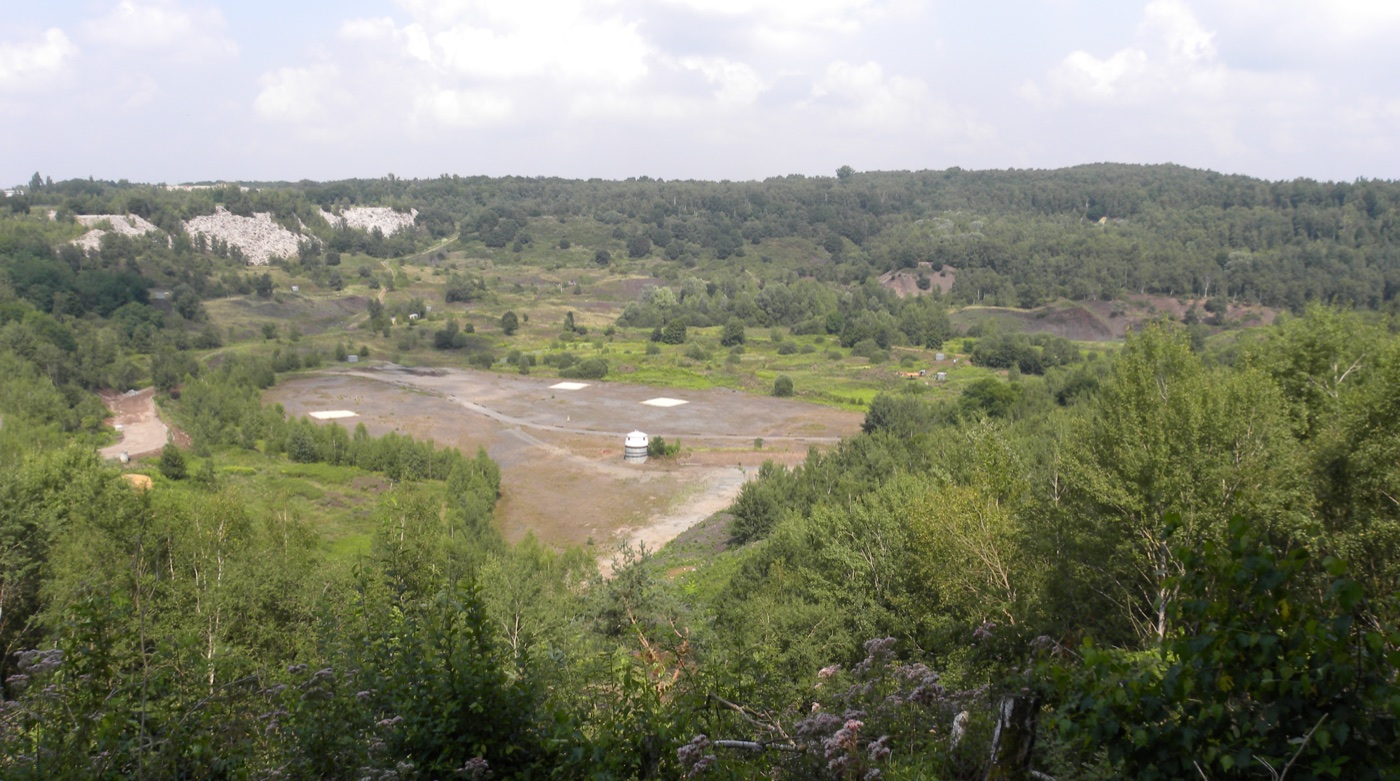
Germany ↗
Messel
Eocene lake mud captured remains from water, air and surrounding forest. Exceptional preservation makes Messel rich in detail, while the lake’s selective archive keeps the whole ecosystem partly out of reach.
48 Ma → Today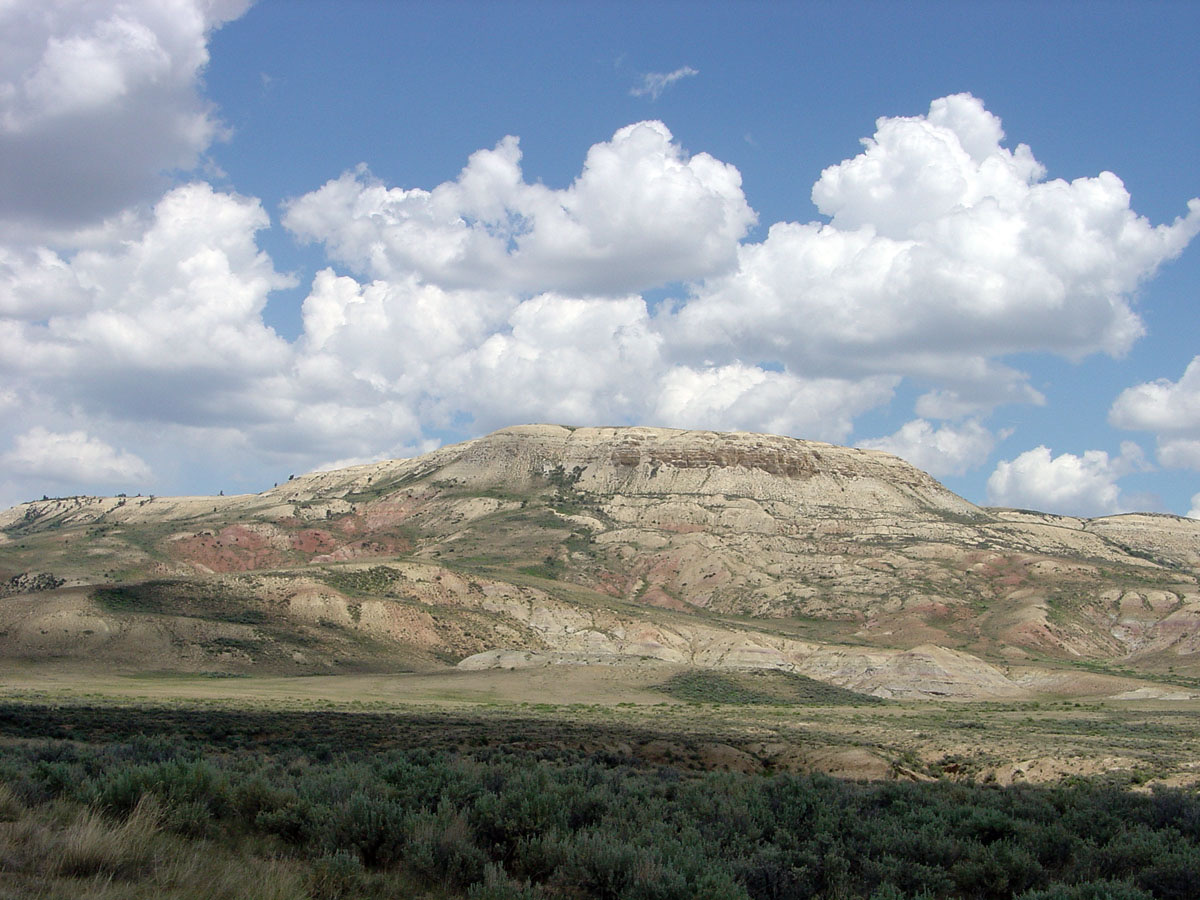 North America
United States ↗
Fossil Lake, Wyoming
The Green River Formation records several Eocene lakes. At Fossil Lake, an expanding lake and its later shrinking, saltier stage left different sediments and different opportunities for preservation.
52 Ma → 51 Ma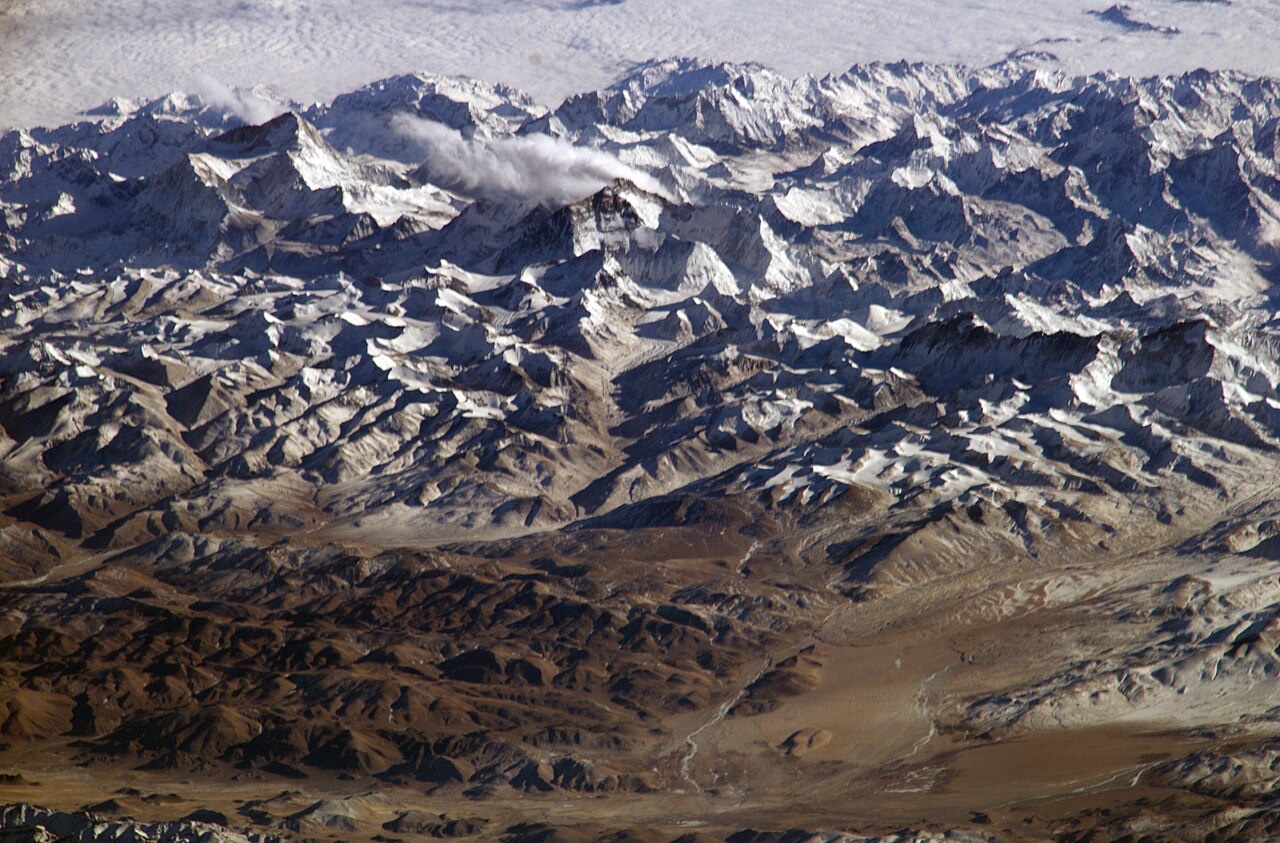 Asia
Nepal / China / India ↗
The Tethyan Himalaya
Marine fossils north of Everest belong to a sedimentary history later transformed by India–Asia convergence, deformation and uplift.
52 Ma → Today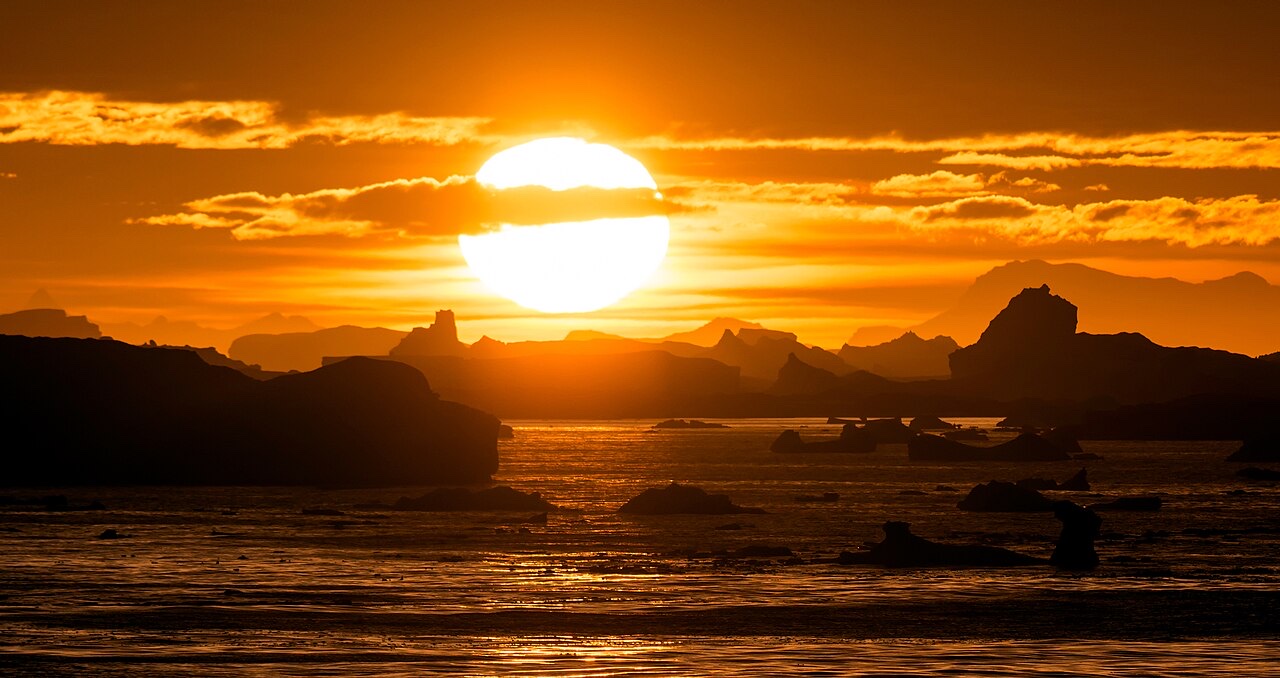 Antarctica
 ↗
The Antarctic Peninsula
Cretaceous plant fossils and Eocene marine deposits reveal high-latitude environments very different from the familiar ice-covered image of Antarctica.
103 Ma → 40 Ma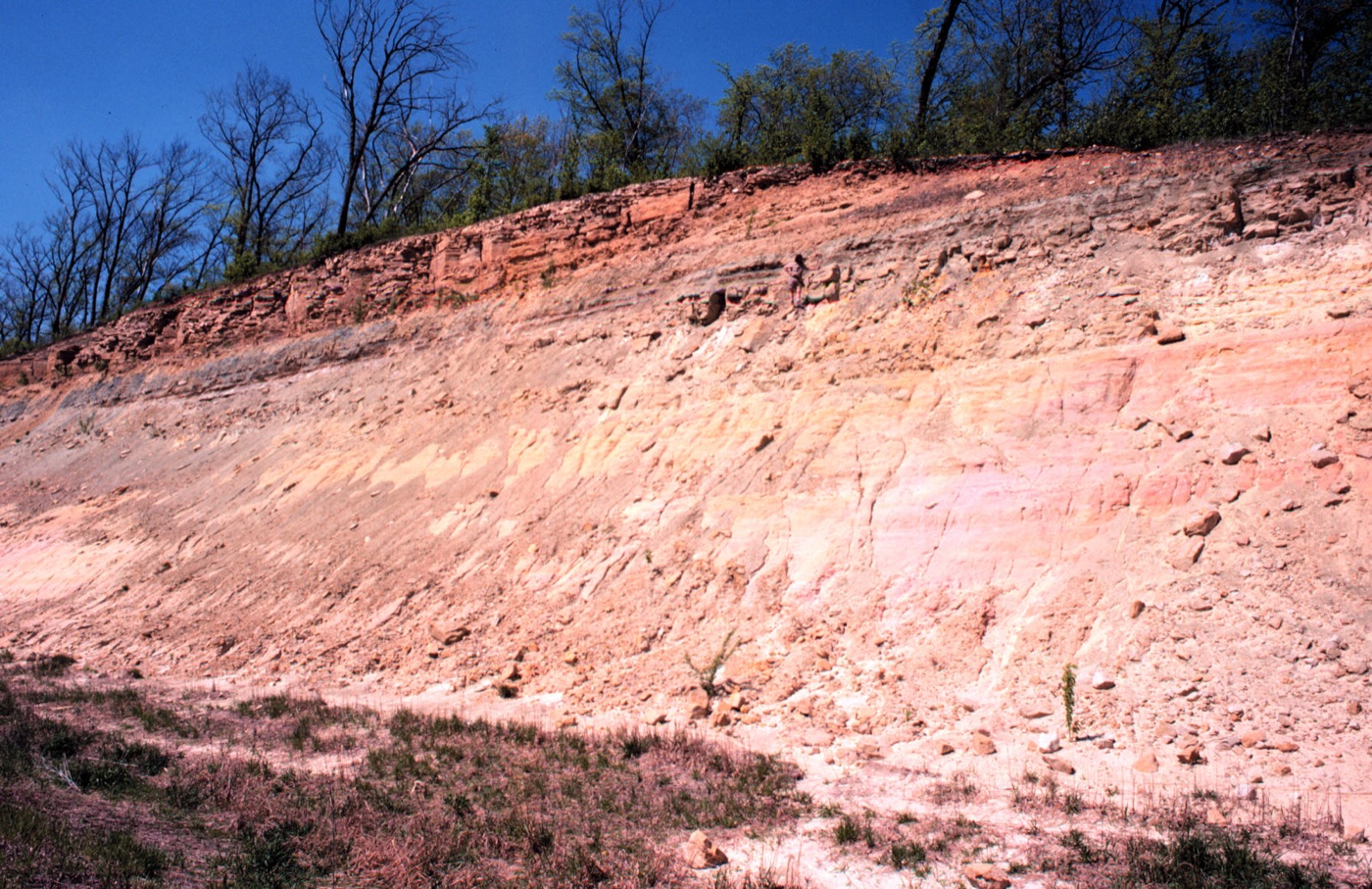 North America
United States ↗
Hell Creek & the Williston Basin
Floodplain fossils on either side of the end-Cretaceous boundary reveal major biological turnover. Pollen and leaves help place the change in time, alongside the more conspicuous dinosaur bones.
67 Ma → 65.5 Ma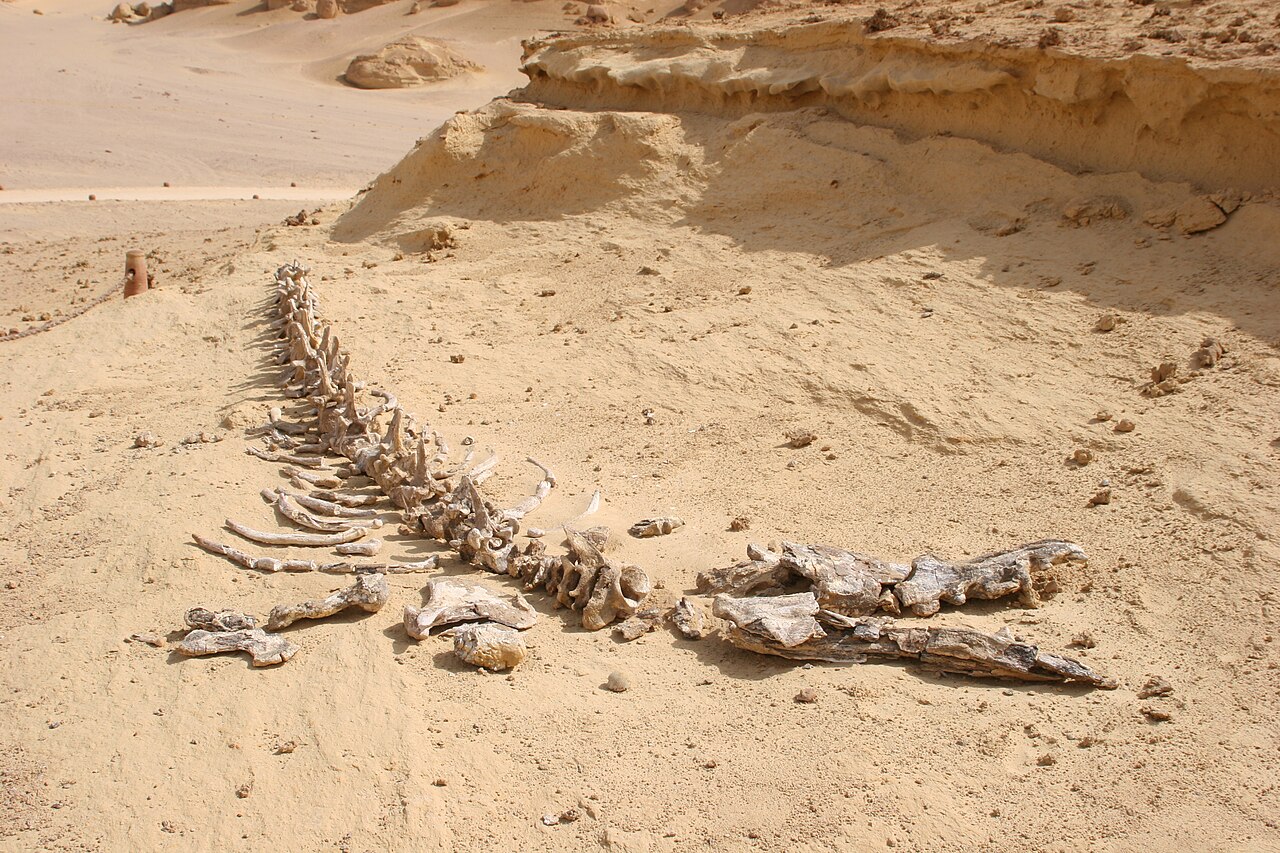 Africa
Egypt ↗
Wadi Al-Hitan
Whale Valley preserves late Eocene marine deposits now exposed in Egypt’s Western Desert. Successive Gehannam and Birket Qarun environments record aquatic whales, their prey and changing conditions of burial.
37.5 Ma → 37 Ma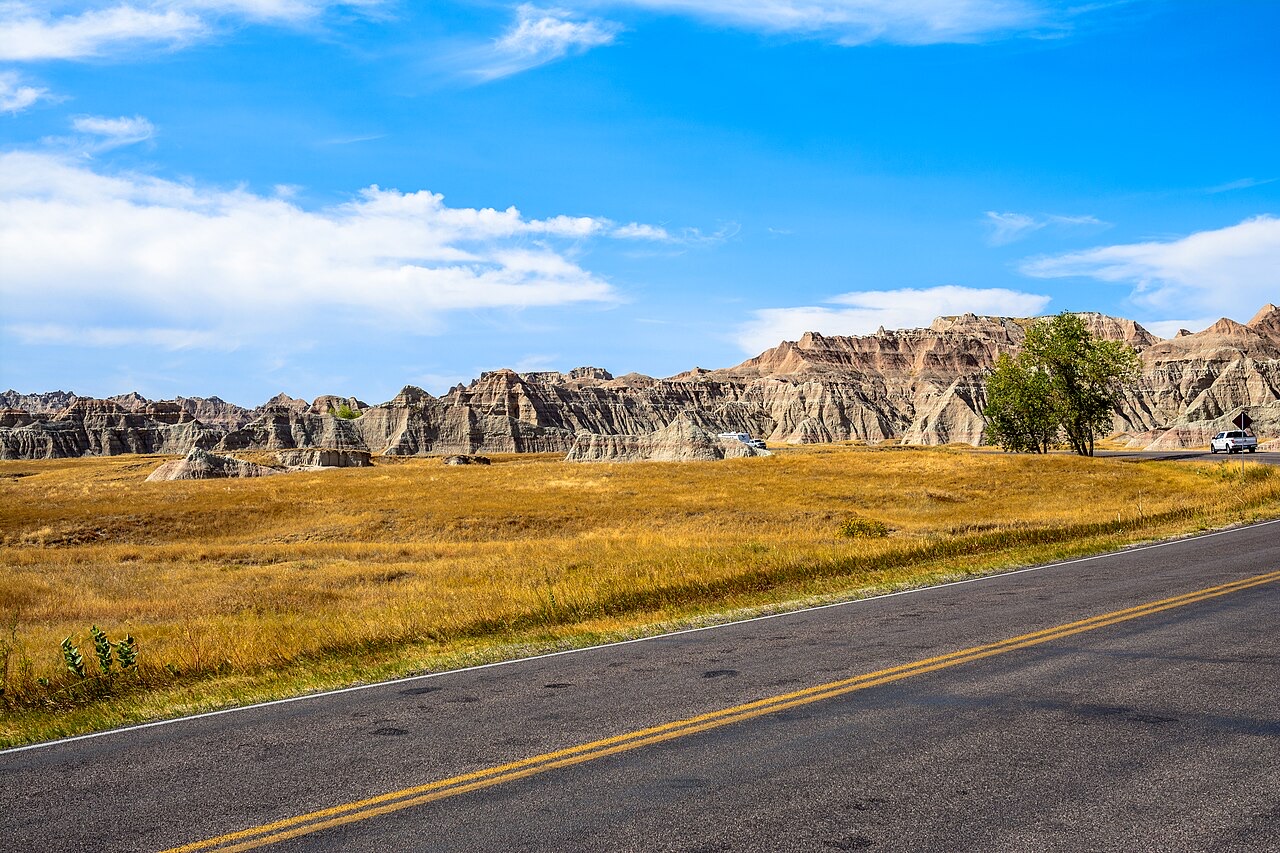 North America
United States ↗
Badlands, South Dakota
Marine shale and younger mammal-bearing floodplain deposits record different worlds beneath the sharp ridges of today.
72 Ma → 32 MaFollow the evidence
Sources & credits
- International Chronostratigraphic Chart, version 2026/06 ↗
International Commission on Stratigraphy · 2026-06
Use, credit & modifications
Reference only. No source text, photographs, charts or other assets reproduced; original factual synthesis.
Credit: International Commission on Stratigraphy. Original explanatory synthesis; geological boundary ages normalized to ICS 2026/06 where relevant. No third-party asset reuse; no territorial asset licence asserted.
- The Eocene Epoch ↗
University of California Museum of Paleontology · 2011-06-15
Use, credit & modifications
Reference only. No source text, photographs, charts or other assets reproduced; original factual synthesis.
Credit: University of California Museum of Paleontology. Original explanatory synthesis; geological boundary ages normalized to ICS 2026/06 where relevant. No third-party asset reuse; no territorial asset licence asserted.
- Antarctica and the Earth System ↗
Noble et al., Antarctic Climate Change and the Environment update · 2025
Use, credit & modifications
Reference only. No source text, photographs, charts or other assets reproduced; original factual synthesis.
Credit: Noble et al., Antarctic Climate Change and the Environment update. Original explanatory synthesis; geological boundary ages normalized to ICS 2026/06 where relevant. No third-party asset reuse; no territorial asset licence asserted.
- Messel Pit Fossil Site ↗
UNESCO World Heritage Centre · Not stated
Use, credit & modifications
Reference only. No source text, photographs, charts or other assets reproduced; original factual synthesis.
Credit: UNESCO World Heritage Centre. Original explanatory synthesis; geological boundary ages normalized to ICS 2026/06 where relevant. No third-party asset reuse; no territorial asset licence asserted.
- Geology: Fossil Butte National Monument ↗
US National Park Service · Not stated
Use, credit & modifications
Reference only. No source text, photographs, charts or other assets reproduced; original factual synthesis.
Credit: US National Park Service. Original explanatory synthesis; geological boundary ages normalized to ICS 2026/06 where relevant. No third-party asset reuse; no territorial asset licence asserted.
- Messel Pit Fossil Site ↗
UNESCO World Heritage Centre · Not stated
Use, credit & modifications
Reference only. No source text, photographs, figures or datasets reproduced. Original factual synthesis; no reuse licence asserted.
Credit: UNESCO World Heritage Centre — Messel Pit Fossil Site. Facts paraphrased into original educational text; ages rounded to declared teaching intervals. No asset reuse requested; territorial permissions not applicable.
- Messel Pit — permanent exhibition ↗
Senckenberg Society for Nature Research · Not stated
Use, credit & modifications
Reference only. No source text, photographs, figures or datasets reproduced. Original factual synthesis; no reuse licence asserted.
Credit: Senckenberg Society for Nature Research — Messel Pit — permanent exhibition. Facts paraphrased into original educational text; ages rounded to declared teaching intervals. No asset reuse requested; territorial permissions not applicable.
- Geology — Fossil Butte National Monument ↗
US National Park Service · Not stated
Use, credit & modifications
Reference only. No source text, photographs, figures or datasets reproduced. Original factual synthesis; no reuse licence asserted.
Credit: US National Park Service — Geology — Fossil Butte National Monument. Facts paraphrased into original educational text; ages rounded to declared teaching intervals. No asset reuse requested; territorial permissions not applicable.
- Fossils — Fossil Butte National Monument ↗
US National Park Service · Not stated
Use, credit & modifications
Reference only. No source text, photographs, figures or datasets reproduced. Original factual synthesis; no reuse licence asserted.
Credit: US National Park Service — Fossils — Fossil Butte National Monument. Facts paraphrased into original educational text; ages rounded to declared teaching intervals. No asset reuse requested; territorial permissions not applicable.
- The Himalayas: This Dynamic Earth ↗
United States Geological Survey · 1999
Use, credit & modifications
Reference only. No third-party prose, figures, photographs or datasets reproduced; factual interpretation written originally for this atlas.
Credit: United States Geological Survey — The Himalayas: This Dynamic Earth. Original educational synthesis; geological ages rounded into explicitly labelled teaching intervals. No licensed media incorporated; no territorial reuse permission asserted.
- Timing of India-Asia collision: Geological, biostratigraphic, and palaeomagnetic constraints ↗
Najman et al.; Journal of Geophysical Research · 2010
Use, credit & modifications
Reference only. No third-party prose, figures, photographs or datasets reproduced; factual interpretation written originally for this atlas.
Credit: Najman et al.; Journal of Geophysical Research — Timing of India-Asia collision: Geological, biostratigraphic, and palaeomagnetic constraints. Original educational synthesis; geological ages rounded into explicitly labelled teaching intervals. No licensed media incorporated; no territorial reuse permission asserted.
- Fossils from the Antarctic ↗
British Antarctic Survey · Not stated
Use, credit & modifications
Reference only. No third-party prose, figures, photographs or datasets reproduced; factual interpretation written originally for this atlas.
Credit: British Antarctic Survey — Fossils from the Antarctic. Original educational synthesis; geological ages rounded into explicitly labelled teaching intervals. No licensed media incorporated; no territorial reuse permission asserted.
- Penguin response to the Eocene climate and ecosystem change in the northern Antarctic Peninsula region ↗
Jadwiszczak; Polar Science · 2010
Use, credit & modifications
Reference only. No third-party prose, figures, photographs or datasets reproduced; factual interpretation written originally for this atlas.
Credit: Jadwiszczak; Polar Science — Penguin response to the Eocene climate and ecosystem change in the northern Antarctic Peninsula region. Original educational synthesis; geological ages rounded into explicitly labelled teaching intervals. No licensed media incorporated; no territorial reuse permission asserted.