
Changing vegetation, mountain belts and connections reshaped ecosystems during the Miocene and Pliocene.
Neogene continents are easier to recognize than those in much older reconstructions, but familiar outlines do not imply familiar ecosystems. Open vegetation expanded in many regions while forests persisted elsewhere. Mountain building, changing circulation and regional water balance affected these patterns. The ecological consequence must be established locally rather than inferred automatically from a global cooling trend.
Riversleigh’s fossils document Australian communities markedly different from the present surroundings. Patagonia provides another view of South American terrestrial life, while the Atacama region preserves marine organisms in deposits now exposed on land. These stories show several ways a place can change: vegetation can reorganize, a basin can be uplifted, and preservation can reveal organisms whose nearest living relatives occupy very different settings.
The Hadar record adds hominin evolution without turning it into the organizing purpose of the entire period. Fossils occur within sedimentary and tectonic contexts alongside other animals and environmental indicators. Reconstructing a habitat requires those surrounding observations. A fossil species’ presence in a particular deposit does not demonstrate one fixed habitat for every member of that species, nor does one site document all stages of human evolution.
[1] [2] [3] [4] [5] [6] [7] [8] [9] [10] [11] [12]A turning point
Regional environmental change and shifting biological connections produced many communities closer to, but not identical with, those of today.
Reading this chapter carefully
The Neogene contains both warmer and cooler intervals. Local vegetation and fossil assemblages must not be treated as direct global climate measurements.
Ma means millions of years before the present. The international chart gives the estimated boundary ages. [1]
Where to see this chapter in the rocks
These places preserve selected windows from the chapter. Find all overlapping regional histories.
 Oceania
Australia ↗
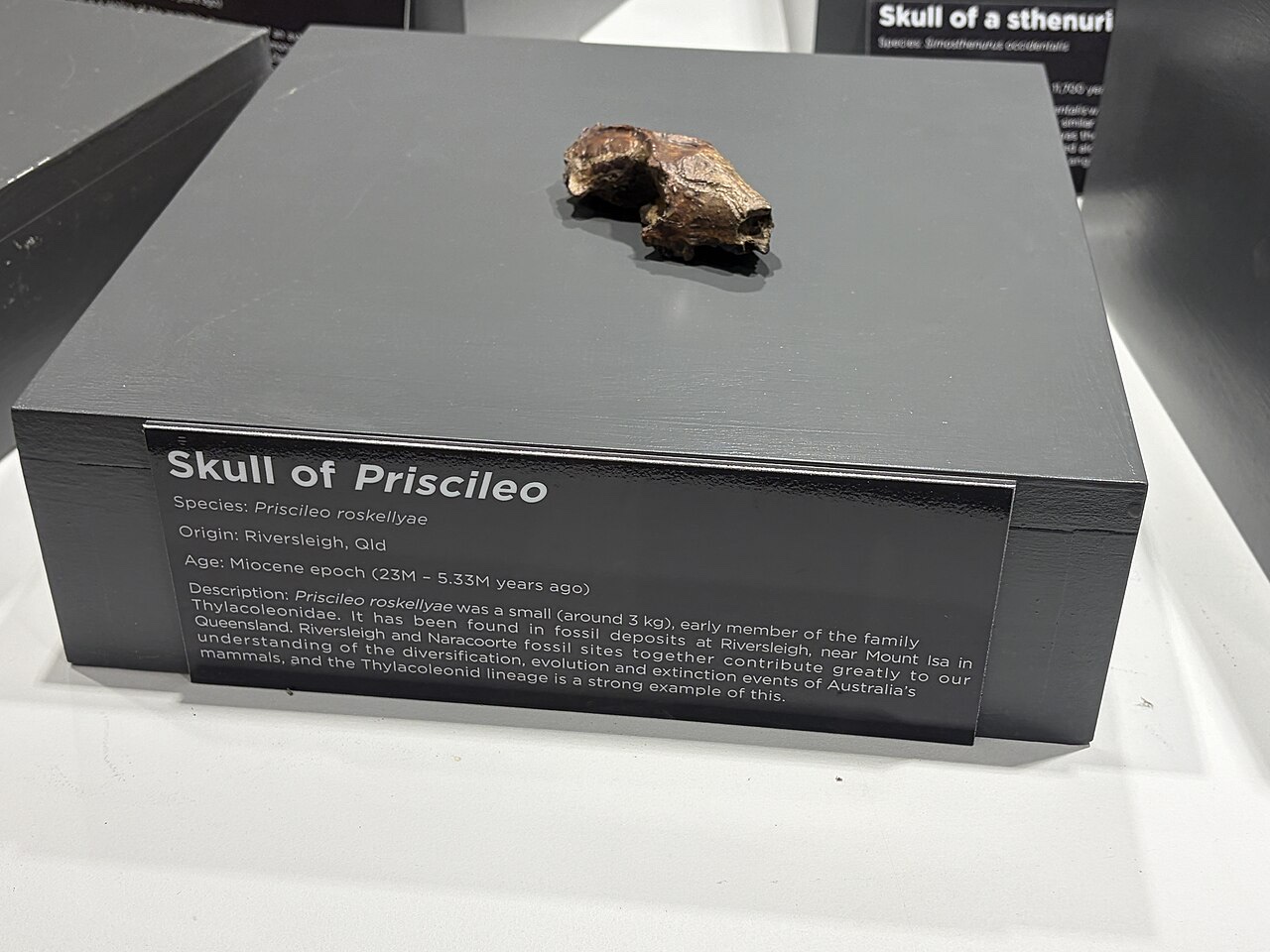
Riversleigh
Riversleigh’s fossil deposits connect wetter Oligocene–Miocene habitats with later faunas, revealing Australian mammals, birds, reptiles and bats.
23 Ma → 2.1 Ma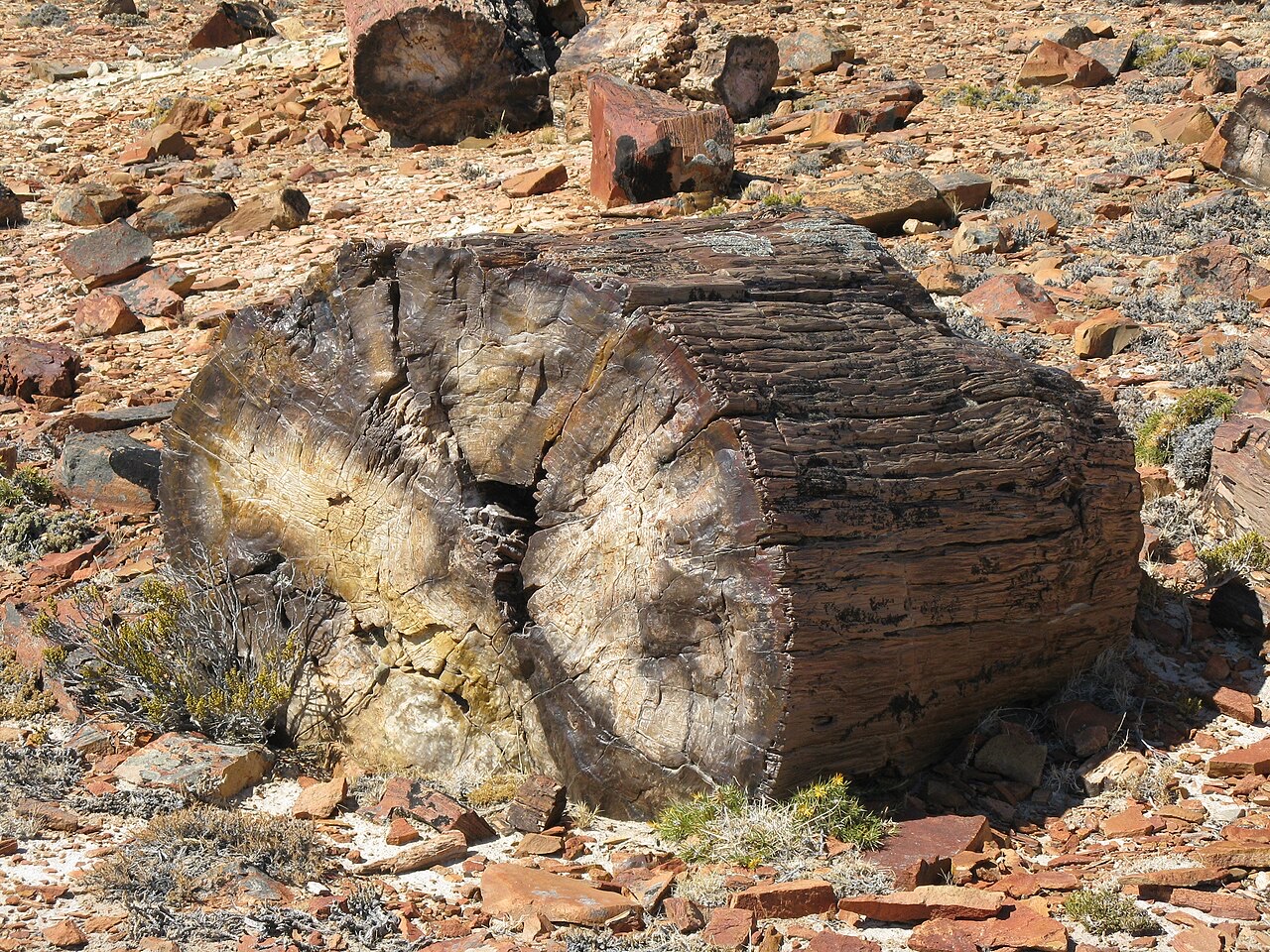 South America
Argentina ↗
Southern Patagonia
Jurassic petrified conifers and Miocene mammals reveal two distinct southern Patagonian ecosystems without treating “forest” as an unchanging habitat.
160 Ma → 17 Ma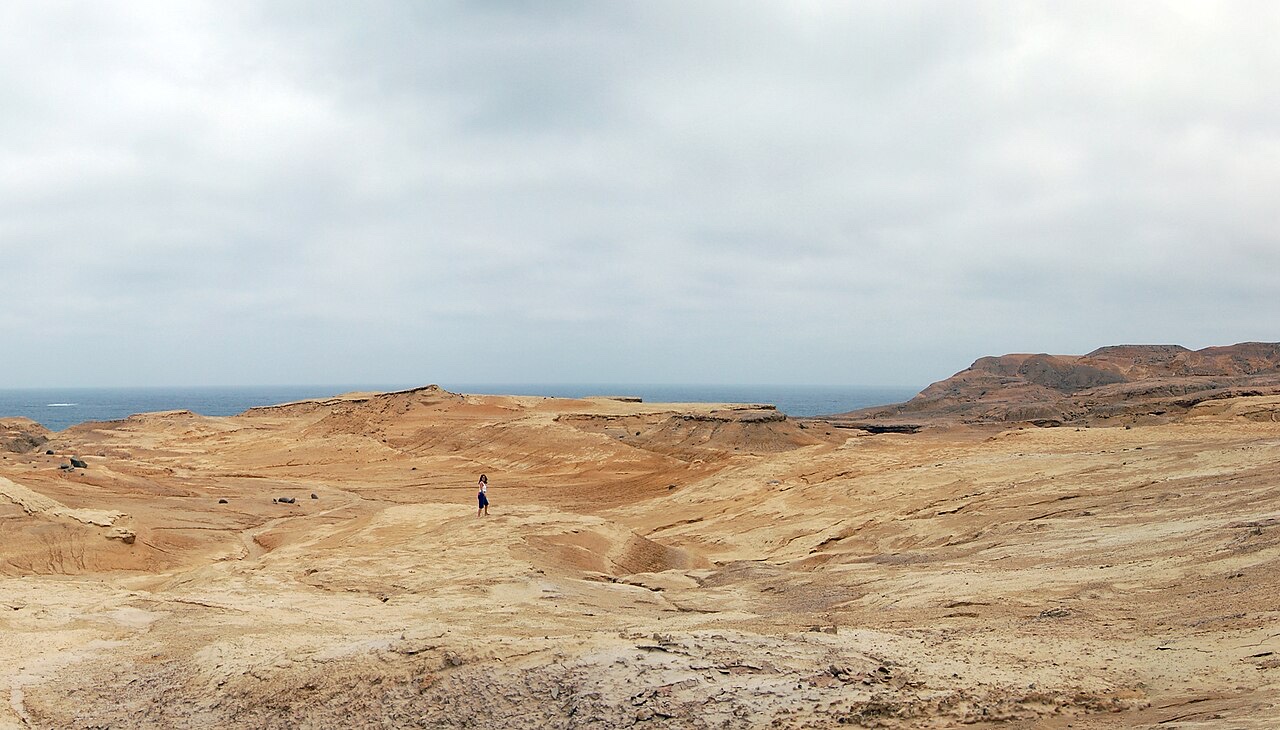 South America
Chile ↗
Atacama’s fossil coast
Cerro Ballena preserves several fossil-rich layers, allowing observed marine mammal remains to be separated from proposed explanations of their deaths.
6.1 Ma → Today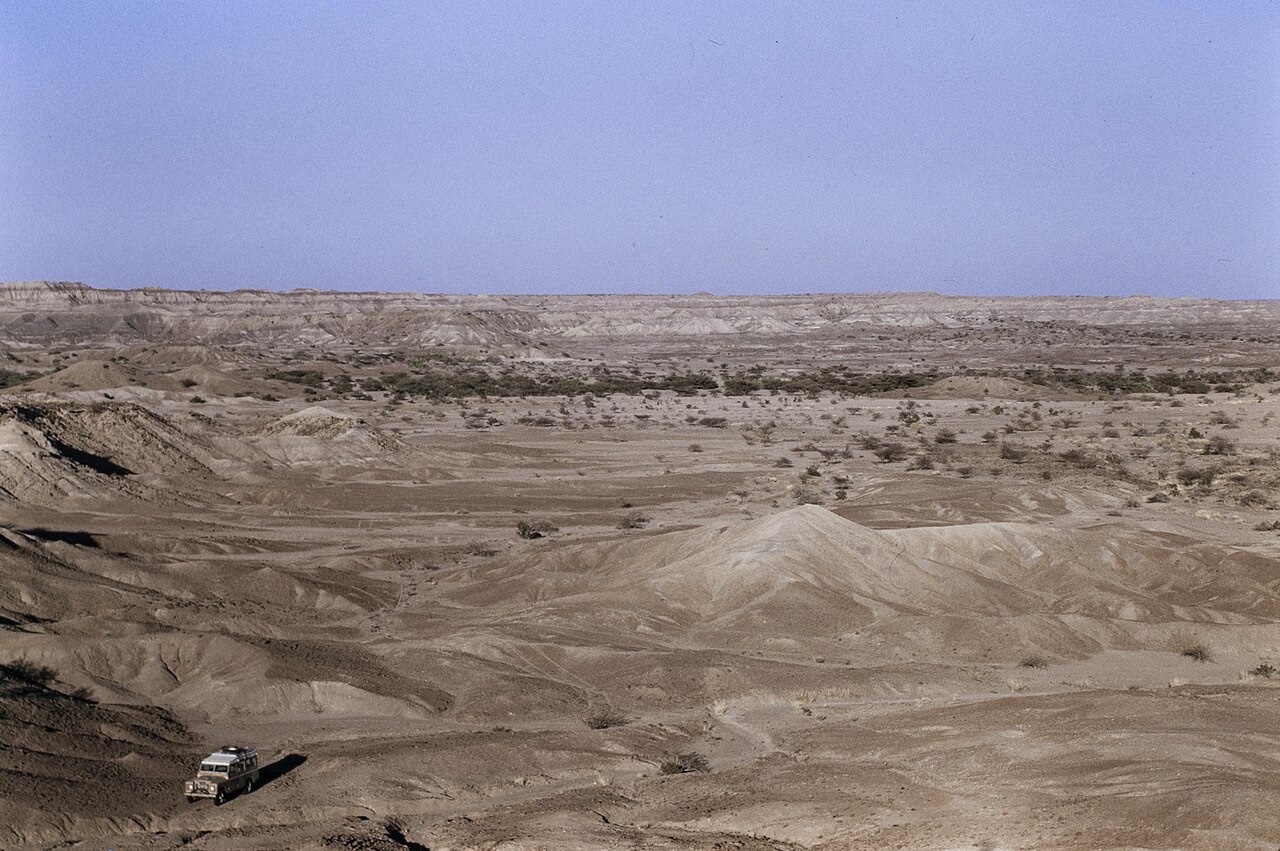 Africa
Ethiopia ↗
Hadar & the Afar Rift
Lucy’s skeleton belongs within a wider Pliocene record of lakes, river margins, pollen and changing vegetation in the Afar basin.
3.2 Ma → Today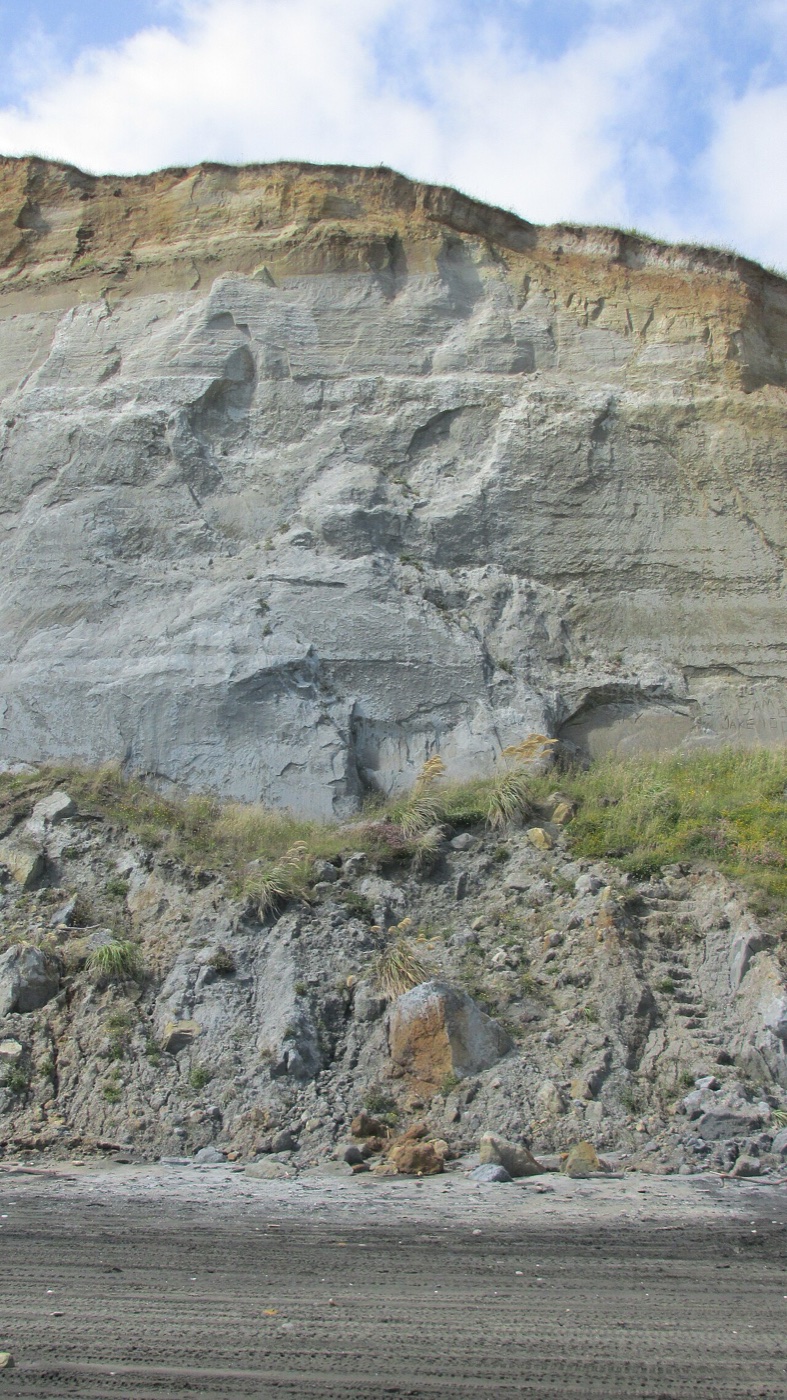 Oceania
New Zealand ↗
Whanganui Basin
Pliocene shelf sediments and younger Pleistocene shellbeds record recurring changes in water depth, sediment supply and tectonic accommodation in New Zealand.
3 Ma → 0.9 Ma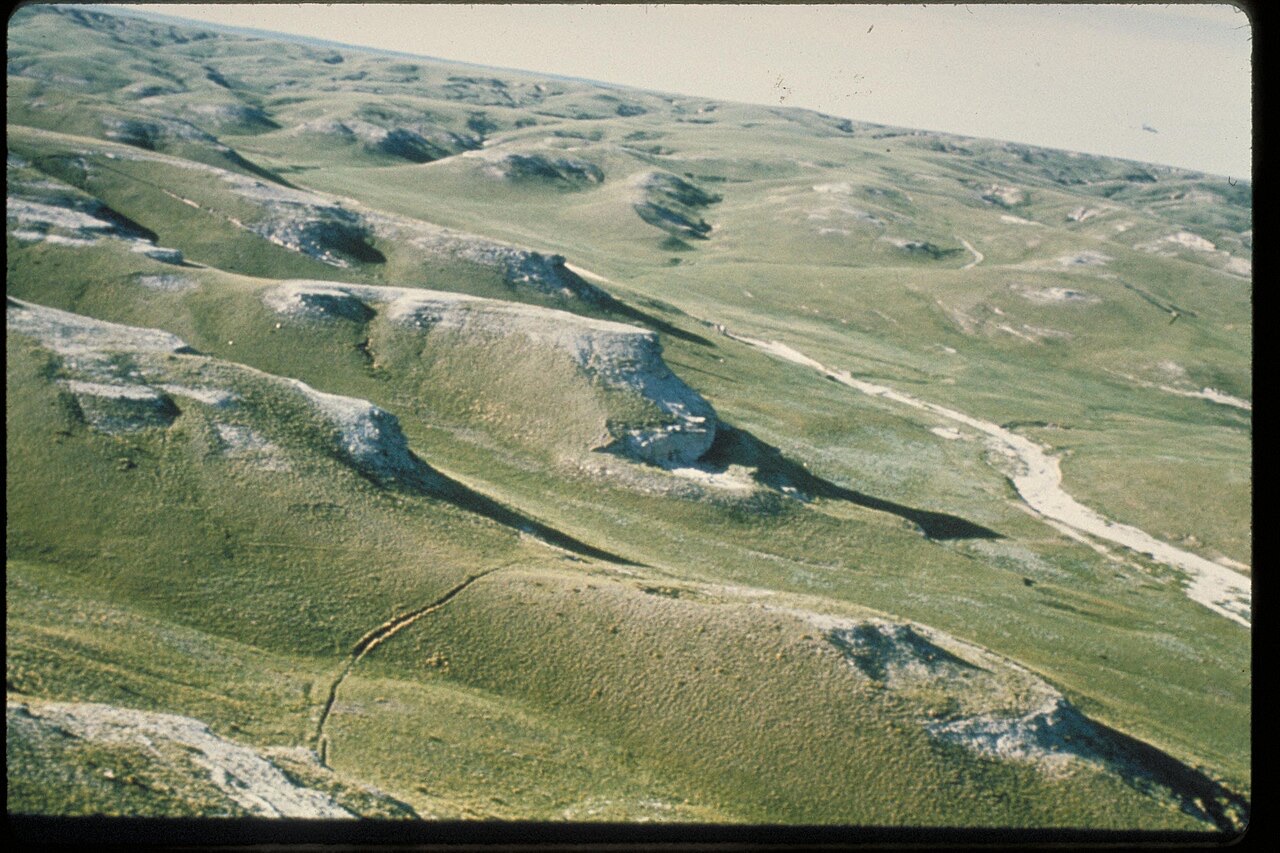 North America
United States ↗
Agate Fossil Beds
Early Miocene burrows and younger waterhole bonebeds reveal different aspects of life on the Great Plains.
22.5 Ma → 19.2 Ma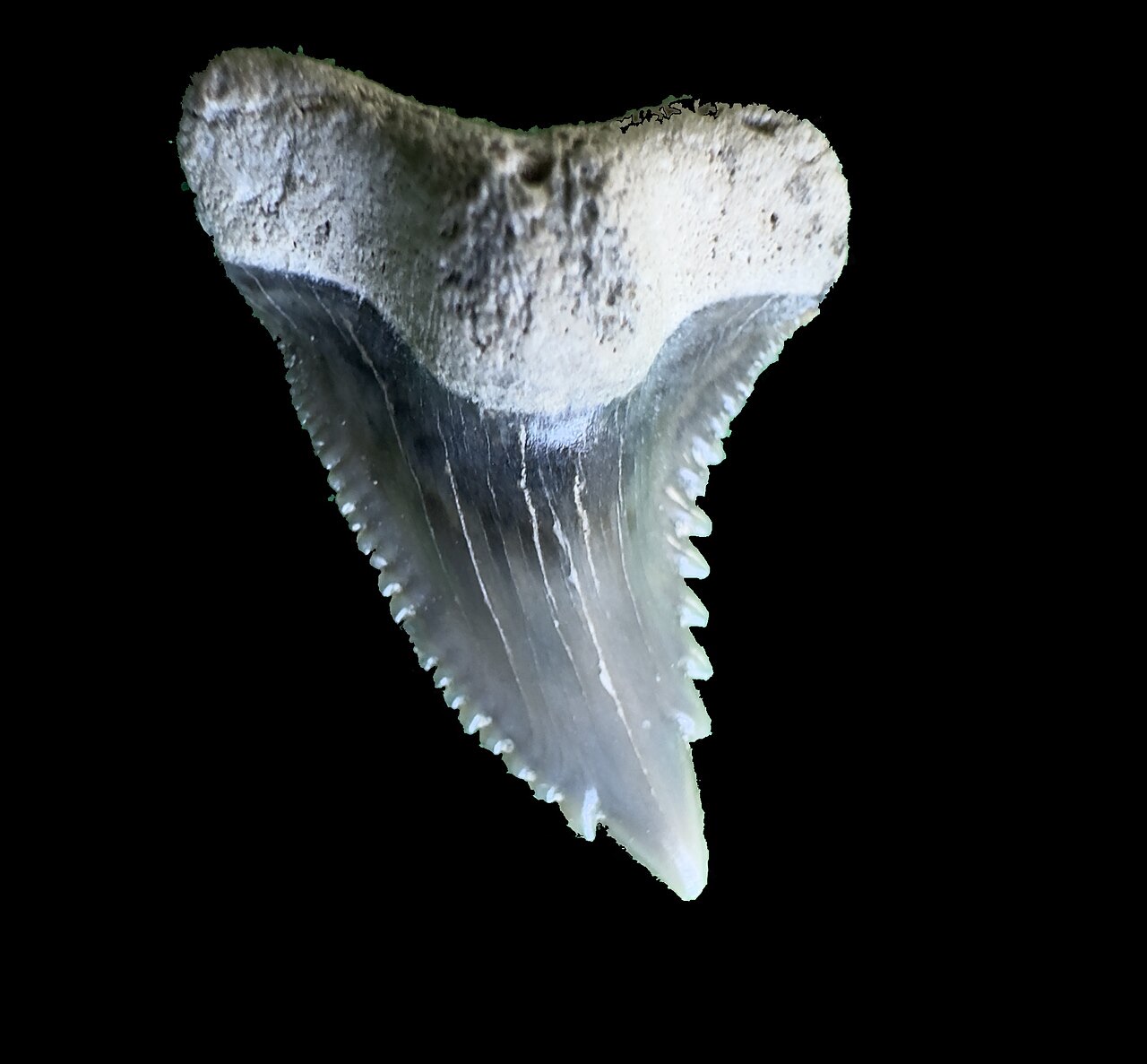 North America
United States ↗
Bone Valley and the Peace River
Florida’s phosphate district and Peace River preserve rich vertebrate records whose value depends on recognizing transport and reworking.
4.75 Ma → 0.015 MaFollow the evidence
Sources & credits
- International Chronostratigraphic Chart, version 2026/06 ↗
International Commission on Stratigraphy · 2026-06
Use, credit & modifications
Reference only. No source text, photographs, charts or other assets reproduced; original factual synthesis.
Credit: International Commission on Stratigraphy. Original explanatory synthesis; geological boundary ages normalized to ICS 2026/06 where relevant. No third-party asset reuse; no territorial asset licence asserted.
- The Miocene Epoch ↗
University of California Museum of Paleontology · 2011-06-10
Use, credit & modifications
Reference only. No source text, photographs, charts or other assets reproduced; original factual synthesis.
Credit: University of California Museum of Paleontology. Original explanatory synthesis; geological boundary ages normalized to ICS 2026/06 where relevant. No third-party asset reuse; no territorial asset licence asserted.
- Australian Fossil Mammal Sites (Riversleigh / Naracoorte) ↗
UNESCO World Heritage Centre · Not stated
Use, credit & modifications
Reference only. No source text, photographs, charts or other assets reproduced; original factual synthesis.
Credit: UNESCO World Heritage Centre. Original explanatory synthesis; geological boundary ages normalized to ICS 2026/06 where relevant. No third-party asset reuse; no territorial asset licence asserted.
- What Are Proxy Data? ↗
NOAA National Centers for Environmental Information · 2018-08-24
Use, credit & modifications
Reference only. No source text, photographs, charts or other assets reproduced; original factual synthesis.
Credit: NOAA National Centers for Environmental Information. Original explanatory synthesis; geological boundary ages normalized to ICS 2026/06 where relevant. No third-party asset reuse; no territorial asset licence asserted.
- Australian Fossil Mammal Sites — Riversleigh ↗
Australian Department of Climate Change, Energy, the Environment and Water · 2026-05-25
Use, credit & modifications
Reference only. No third-party prose, figures, photographs or datasets reproduced; factual interpretation written originally for this atlas.
Credit: Australian Department of Climate Change, Energy, the Environment and Water — Australian Fossil Mammal Sites — Riversleigh. Original educational synthesis; geological ages rounded into explicitly labelled teaching intervals. No licensed media incorporated; no territorial reuse permission asserted.
- Australian Fossil Mammal Site — Riversleigh section ↗
Queensland Department of the Environment, Tourism, Science and Innovation · Not stated
Use, credit & modifications
Reference only. No third-party prose, figures, photographs or datasets reproduced; factual interpretation written originally for this atlas.
Credit: Queensland Department of the Environment, Tourism, Science and Innovation — Australian Fossil Mammal Site — Riversleigh section. Original educational synthesis; geological ages rounded into explicitly labelled teaching intervals. No licensed media incorporated; no territorial reuse permission asserted.
- Die fossilen Araucaria-Zapfen der La Matilde Formation im versteinerten Wald von Cerro Cuadrado in Patagonien ↗
Dörken and Steinecke; Der Palmengarten / Goethe University Frankfurt · 2020
Use, credit & modifications
Reference only. No third-party prose, figures, photographs or datasets reproduced; factual interpretation written originally for this atlas.
Credit: Dörken and Steinecke; Der Palmengarten / Goethe University Frankfurt — Die fossilen Araucaria-Zapfen der La Matilde Formation im versteinerten Wald von Cerro Cuadrado in Patagonien. Original educational synthesis; geological ages rounded into explicitly labelled teaching intervals. No licensed media incorporated; no territorial reuse permission asserted.
- Araucarian woodlands from the Jurassic of Patagonia, taphonomy and paleoecology ↗
Journal of South American Earth Sciences · 2021
Use, credit & modifications
Reference only. No third-party prose, figures, photographs or datasets reproduced; factual interpretation written originally for this atlas.
Credit: Journal of South American Earth Sciences — Araucarian woodlands from the Jurassic of Patagonia, taphonomy and paleoecology. Original educational synthesis; geological ages rounded into explicitly labelled teaching intervals. No licensed media incorporated; no territorial reuse permission asserted.
- Repeated mass strandings of Miocene marine mammals from Atacama Region of Chile point to sudden death at sea ↗
Pyenson et al.; Proceedings of the Royal Society B · 2014-02-26
Use, credit & modifications
Reference only. No third-party prose, figures, photographs or datasets reproduced; factual interpretation written originally for this atlas.
Credit: Pyenson et al.; Proceedings of the Royal Society B — Repeated mass strandings of Miocene marine mammals from Atacama Region of Chile point to sudden death at sea. Original educational synthesis; geological ages rounded into explicitly labelled teaching intervals. No licensed media incorporated; no territorial reuse permission asserted.
- Cerro Ballena Fact Sheet ↗
Smithsonian Institution · 2014-02-25
Use, credit & modifications
Reference only. No third-party prose, figures, photographs or datasets reproduced; factual interpretation written originally for this atlas.
Credit: Smithsonian Institution — Cerro Ballena Fact Sheet. Original educational synthesis; geological ages rounded into explicitly labelled teaching intervals. No licensed media incorporated; no territorial reuse permission asserted.
- Australopithecus afarensis ↗
Smithsonian Institution Human Origins Program · Not stated
Use, credit & modifications
Reference only. No third-party prose, figures, photographs or datasets reproduced; factual interpretation written originally for this atlas.
Credit: Smithsonian Institution Human Origins Program — Australopithecus afarensis. Original educational synthesis; geological ages rounded into explicitly labelled teaching intervals. No licensed media incorporated; no territorial reuse permission asserted.
- High-resolution vegetation and climate change associated with Pliocene Australopithecus afarensis ↗
Bonnefille et al.; PNAS · 2004
Use, credit & modifications
Reference only. No third-party prose, figures, photographs or datasets reproduced; factual interpretation written originally for this atlas.
Credit: Bonnefille et al.; PNAS — High-resolution vegetation and climate change associated with Pliocene Australopithecus afarensis. Original educational synthesis; geological ages rounded into explicitly labelled teaching intervals. No licensed media incorporated; no territorial reuse permission asserted.