
What do burrows, shells and scraps of soft tissue reveal about the early lives of animals? Compare three deposits from Cambrian seas.
The Cambrian fossil record shows a rapid increase in the variety of animal forms over millions of years. Animals already lived in the preceding Ediacaran. Growing numbers of skeletons, new ways of feeding and burrowing, and rare deposits that preserved soft tissues all contributed to what scientists can see in the rocks. [2] [4]
Three deposits show what survives under different conditions. At Chengjiang in China, about 518 million years ago, fine sediment preserved animals on a coast that one sediment-core study interprets as a delta front. In Canada’s Burgess Shale, the roughly 508-million-year-old Walcott Quarry preserves the feathery limbs of Marrella among other details from a deeper marine setting. [6] [7] [8]
Grand Canyon records a marine advance in the sandstone, mudstone and limestone of the Tonto Group. Trilobites help date some of those beds. Researchers also recovered tiny carbon-rich remains from the roughly 505-million-year-old Bright Angel biota, including feeding structures that ordinary shell preservation would miss. The rocks record a changing shoreline, while the fossils give a close view of how animals fed. [10] [9] [11]
A turning point
Animal burrowing and feeding became increasingly varied parts of marine ecosystems.
Reading this chapter carefully
Each deposit samples particular environments and ages. The first known fossil of an animal group gives a minimum age for its presence, and its actual evolutionary origin may be older.
Ma means millions of years before the present. The international chart gives the estimated boundary ages. [1]
Where to see this chapter in the rocks
These places preserve selected windows from the chapter. Find all overlapping regional histories.
 Asia
China ↗
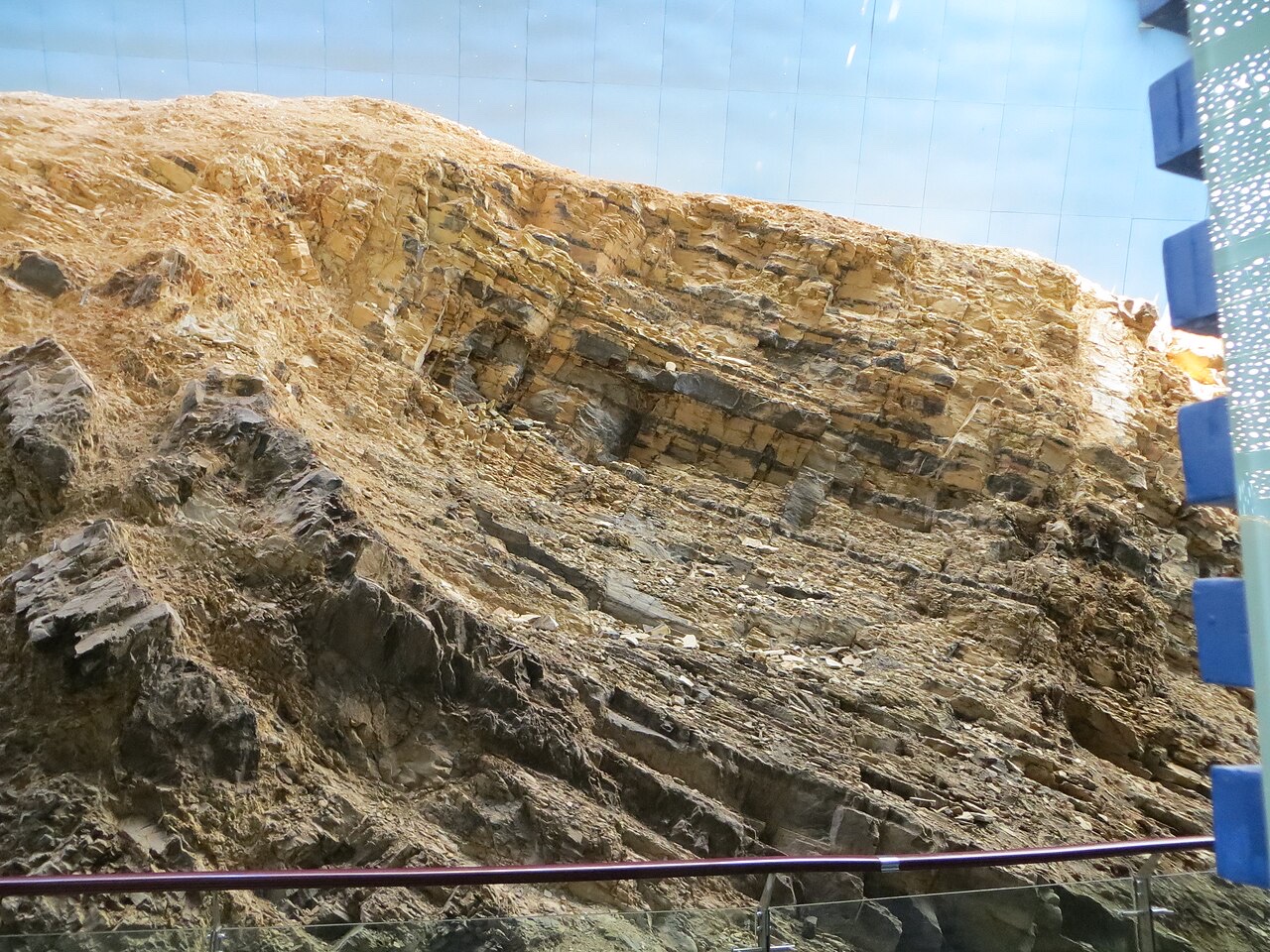
Chengjiang
Cambrian mudstones in Yunnan preserve soft anatomy, revealing an ecosystem and an unusually selective route into the fossil record.
518 Ma → Today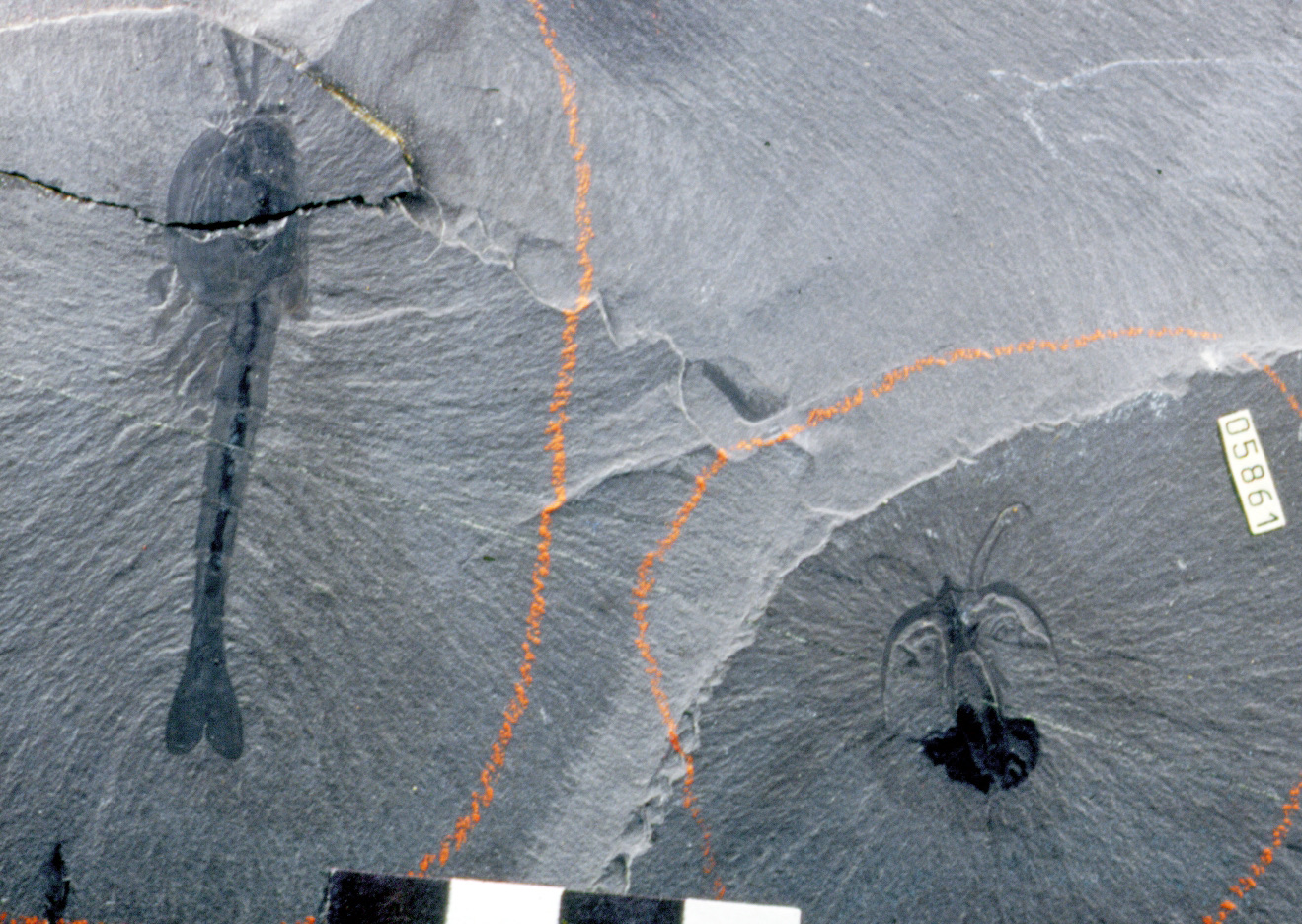 North America
Canada ↗
Burgess Shale
Cambrian mud preserved animals that most fossil sites lose. Today those thin traces are exposed high in the Canadian Rockies, connecting the history of life with the later history of a mountain belt.
508 Ma → Today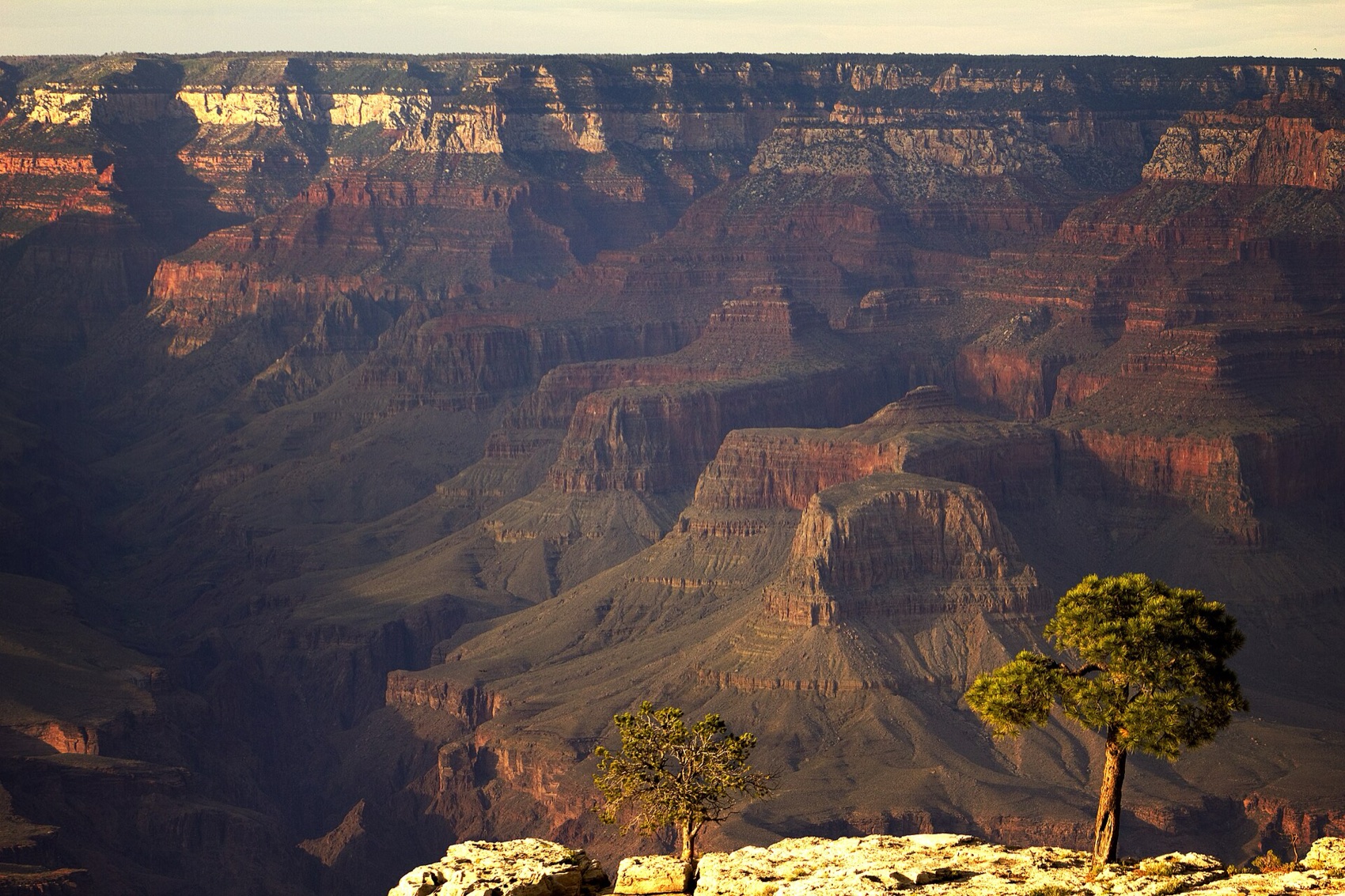 North America
United States ↗
Grand Canyon
The canyon exposes older environments stacked in rock. Cambrian marine deposits and Permian dune sand record different chapters; the much younger canyon is the window through which we read them.
508 Ma → 275 Ma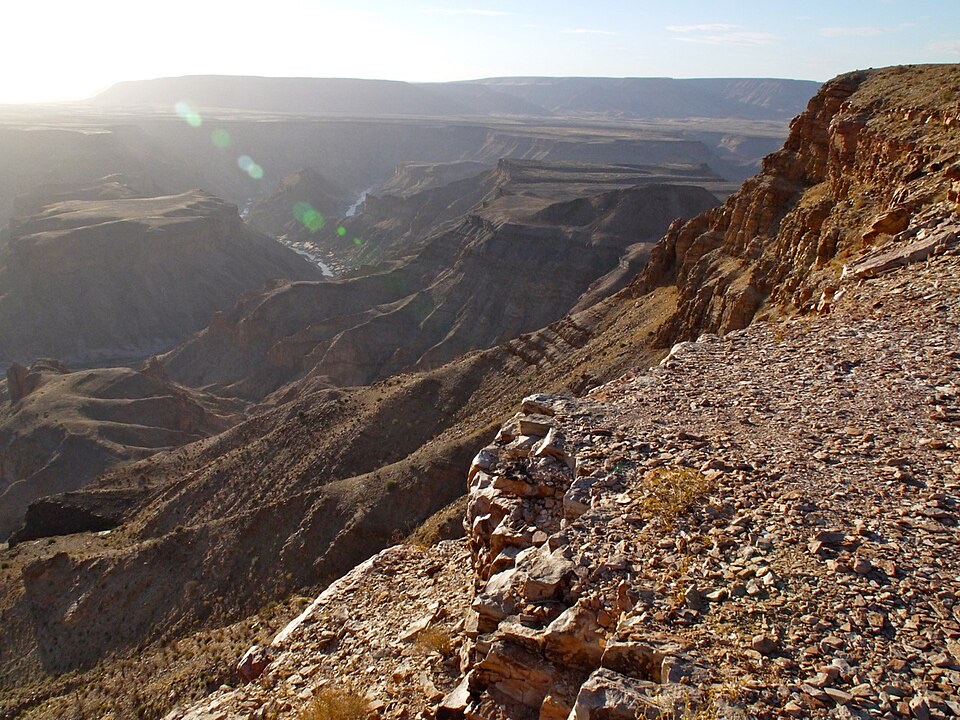 Africa
Namibia ↗
Nama Basin
Late Ediacaran skeletons and younger burrows show two different ways animals began shaping marine habitats in southern Namibia.
548 Ma → 537 Ma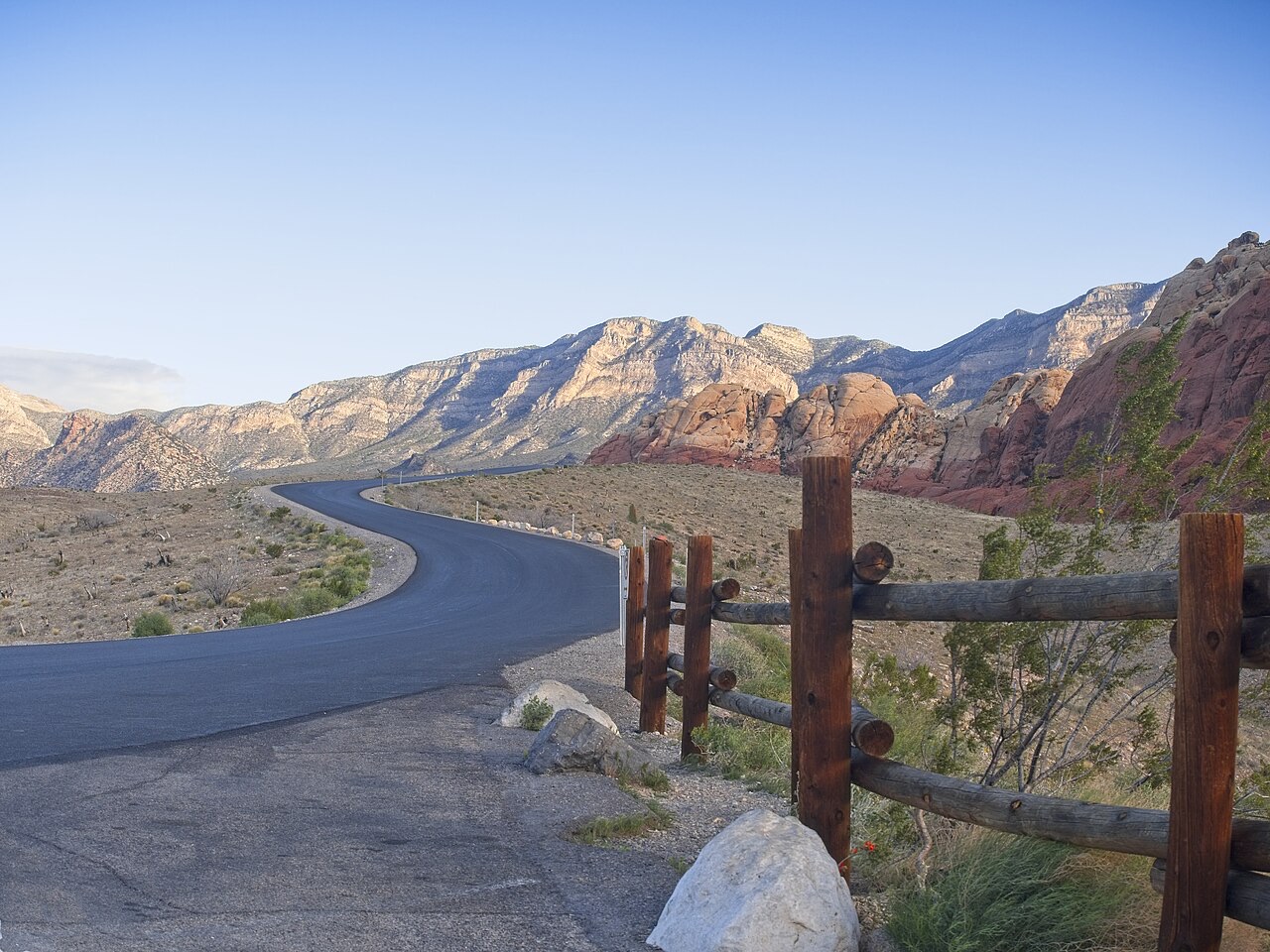 North America
United States ↗
Red Rock Canyon, Nevada
Cambrian carbonates, Jurassic dunes and later thrust faulting make Red Rock a readable record of deposition and tectonic rearrangement.
510 Ma → 185 Ma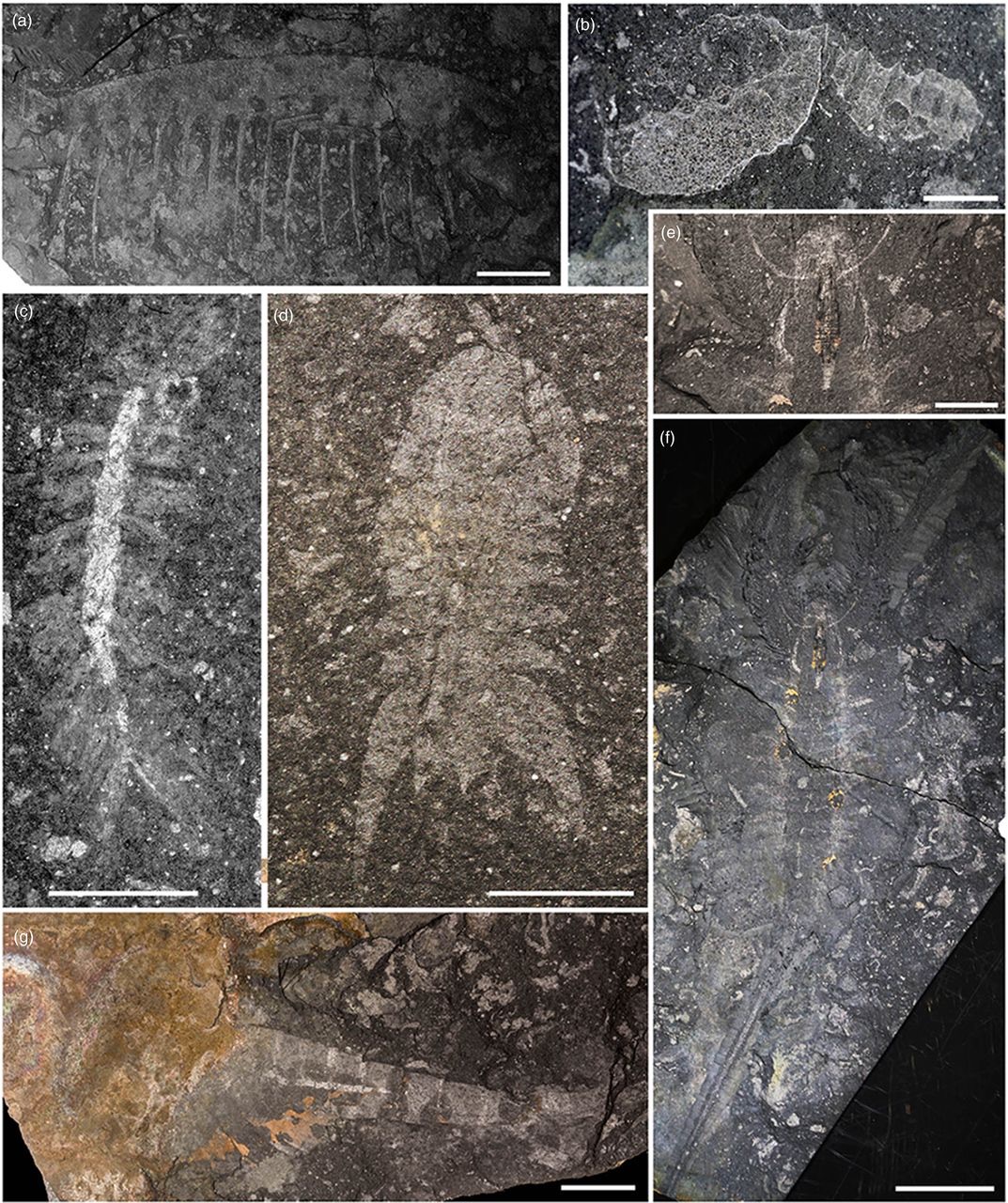 North America
Greenland (Kingdom of Denmark) ↗
Peary Land & Sirius Passet
Ediacaran microscopic fossils and Cambrian soft-bodied animals reveal two marine worlds in northern Greenland.
570 Ma → 518 MaFollow the evidence
Sources & credits
- International Chronostratigraphic Chart, version 2026/06 ↗
International Commission on Stratigraphy · 2026-06
Use, credit & modifications
Reference only. No source text, photographs, charts or other assets reproduced; original factual synthesis.
Credit: International Commission on Stratigraphy. Original explanatory synthesis; geological boundary ages normalized to ICS 2026/06 where relevant. No third-party asset reuse; no territorial asset licence asserted.
- The Cambrian Period ↗
University of California Museum of Paleontology · 2011 compilation; older underlying material
Use, credit & modifications
Reference only. No source text, photographs, charts or other assets reproduced; original factual synthesis.
Credit: University of California Museum of Paleontology. Original explanatory synthesis; geological boundary ages normalized to ICS 2026/06 where relevant. No third-party asset reuse; no territorial asset licence asserted.
- Chengjiang Fossil Site ↗
UNESCO World Heritage Centre · Not stated
Use, credit & modifications
Reference only. No source text, photographs, charts or other assets reproduced; original factual synthesis.
Credit: UNESCO World Heritage Centre. Original explanatory synthesis; geological boundary ages normalized to ICS 2026/06 where relevant. No third-party asset reuse; no territorial asset licence asserted.
- About Fossils ↗
US National Park Service · Not stated
Use, credit & modifications
Reference only. No source text, photographs, charts or other assets reproduced; original factual synthesis.
Credit: US National Park Service. Original explanatory synthesis; geological boundary ages normalized to ICS 2026/06 where relevant. No third-party asset reuse; no territorial asset licence asserted.
- Cambrian Chengjiang Fossil Site and Lagerstätte ↗
International Union of Geological Sciences · Not stated
Use, credit & modifications
Reference only. No third-party prose, figures, photographs or datasets reproduced; factual interpretation written originally for this atlas.
Credit: International Union of Geological Sciences — Cambrian Chengjiang Fossil Site and Lagerstätte. Original educational synthesis; geological ages rounded into explicitly labelled teaching intervals. No licensed media incorporated; no territorial reuse permission asserted.
- The Chengjiang Biota inhabited a deltaic environment ↗
Saleh et al.; Nature Communications · 2022
Use, credit & modifications
Reference only. No third-party prose, figures, photographs or datasets reproduced; factual interpretation written originally for this atlas.
Credit: Saleh et al.; Nature Communications — The Chengjiang Biota inhabited a deltaic environment. Original educational synthesis; geological ages rounded into explicitly labelled teaching intervals. No licensed media incorporated; no territorial reuse permission asserted.
- Geological Background — The Burgess Shale ↗
Royal Ontario Museum / Parks Canada · Not stated
Use, credit & modifications
Reference only. No source text, photographs, figures or datasets reproduced. Original factual synthesis; no reuse licence asserted.
Credit: Royal Ontario Museum / Parks Canada — Geological Background — The Burgess Shale. Facts paraphrased into original educational text; ages rounded to declared teaching intervals. No asset reuse requested; territorial permissions not applicable.
- Marrella splendens ↗
Royal Ontario Museum / Parks Canada · Not stated
Use, credit & modifications
Reference only. No source text, photographs, figures or datasets reproduced. Original factual synthesis; no reuse licence asserted.
Credit: Royal Ontario Museum / Parks Canada — Marrella splendens. Facts paraphrased into original educational text; ages rounded to declared teaching intervals. No asset reuse requested; territorial permissions not applicable.
- Fossils — Grand Canyon National Park ↗
US National Park Service · Not stated
Use, credit & modifications
Reference only. No source text, photographs, figures or datasets reproduced. Original factual synthesis; no reuse licence asserted.
Credit: US National Park Service — Fossils — Grand Canyon National Park. Facts paraphrased into original educational text; ages rounded to declared teaching intervals. No asset reuse requested; territorial permissions not applicable.
- Grand Canyon Evolution through the Ages ↗
US National Park Service · Not stated
Use, credit & modifications
Reference only. No source text, photographs, figures or datasets reproduced. Original factual synthesis; no reuse licence asserted.
Credit: US National Park Service — Grand Canyon Evolution through the Ages. Facts paraphrased into original educational text; ages rounded to declared teaching intervals. No asset reuse requested; territorial permissions not applicable.
- Evolutionary escalation in an exceptionally preserved Cambrian biota from the Grand Canyon (Arizona, USA) ↗
Mussini et al. · Science Advances · 2025-07-23
Use, credit & modifications
Reference only. No source text, photographs, charts or other assets reproduced.
Credit: Giovanni Mussini, James W. Hagadorn, Anne E. Miller, Karl E. Karlstrom, Rhydian Evans, Carol E. Dehler, Salvador Bastien and Nicholas J. Butterfield. Original explanatory synthesis. No third-party asset reuse.